Stop Wasting $43,000 on Workplace Injuries: Try These 7 Quick Prevention Hacks
Stop Wasting $43,000 on Workplace Injuries: Try These 7 Quick Prevention Hacks
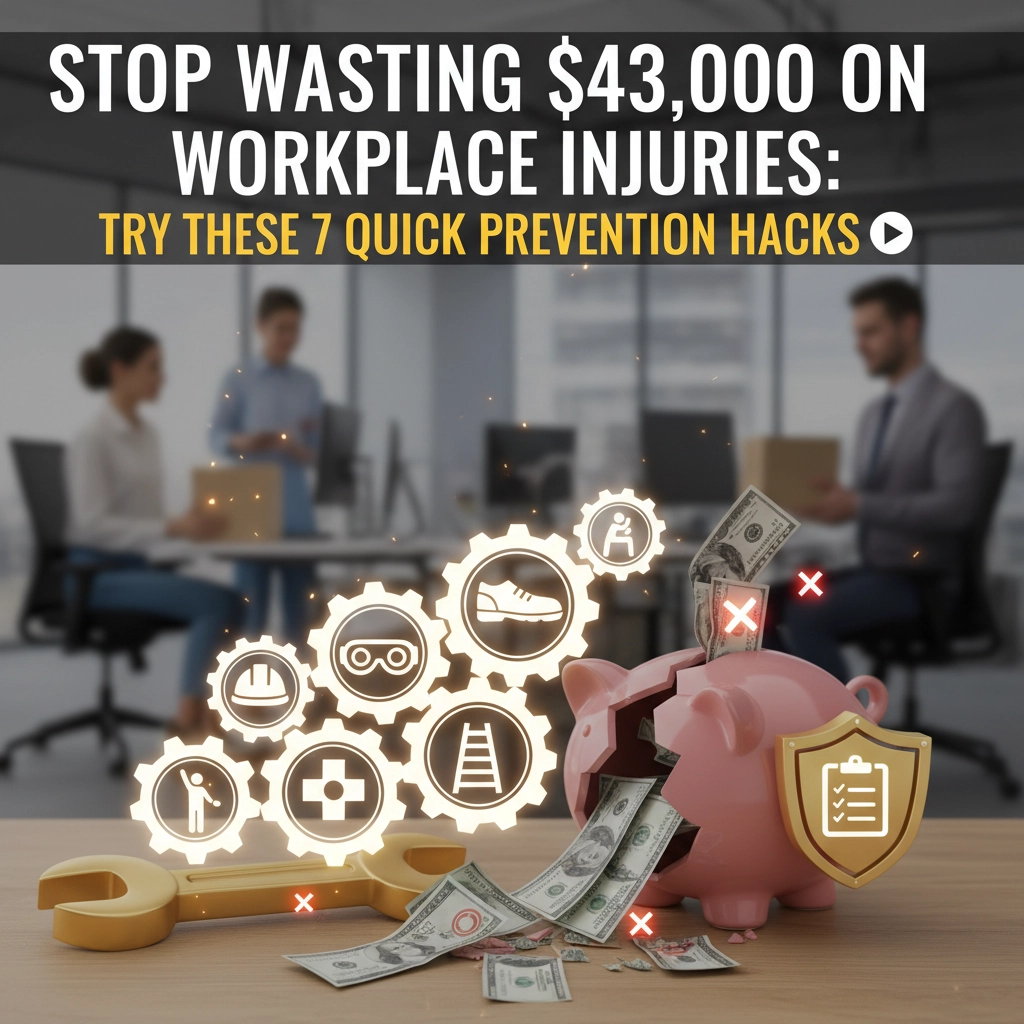
Let's talk about a number that'll make your wallet cry: $40,000. That's what the average workplace injury cost businesses in 2022. And with 2.8 million serious workplace injuries happening last year alone, small businesses are bleeding money they can't afford to lose.
Here's the kicker – most of these injuries are totally preventable. We're not talking about complex safety overhauls that cost a fortune. These are simple, quick fixes that can save your business from financial disaster.
Why Small Businesses Can't Ignore This Problem
Small businesses get hit the hardest by workplace injuries. While big corporations have entire safety departments and deep pockets, you're probably wearing multiple hats and watching every penny. When an injury happens, it doesn't just cost you the immediate medical bills – you're looking at lost productivity, replacement worker costs, potential lawsuits, and skyrocketing insurance premiums.
The total cost of work injuries hit $167 billion in 2022. That includes $47.4 billion in lost wages and productivity, $36.6 billion in medical expenses, and $57.5 billion in administrative costs. For a small business, even one serious injury can be financially devastating.

Hack #1: Turn Everyone Into a Hazard Detective
Your employees see potential dangers every day that you might miss. Make hazard identification everyone's job, not just management's responsibility.
Set up a simple system where workers can report safety concerns without fear of being labeled a "complainer." This could be as basic as a suggestion box or a weekly safety huddle where people share what they've noticed.
Pro tip: Offer small rewards for legitimate safety observations. A $20 gift card is way cheaper than a $40,000 injury claim.
Hack #2: The 5-Minute Daily Walk-Through
Spend just five minutes each morning doing a quick safety walk-through of your workplace. Look for:
- Spills or wet floors
- Cluttered walkways
- Loose cables or cords
- Damaged equipment
- Poor lighting areas
This isn't about becoming a safety inspector – it's about catching obvious problems before they catch your employees. Most slip, trip, and fall injuries (which make up a huge chunk of workplace accidents) happen because of things that could be spotted and fixed in minutes.
Hack #3: Make Ergonomics Idiot-Proof
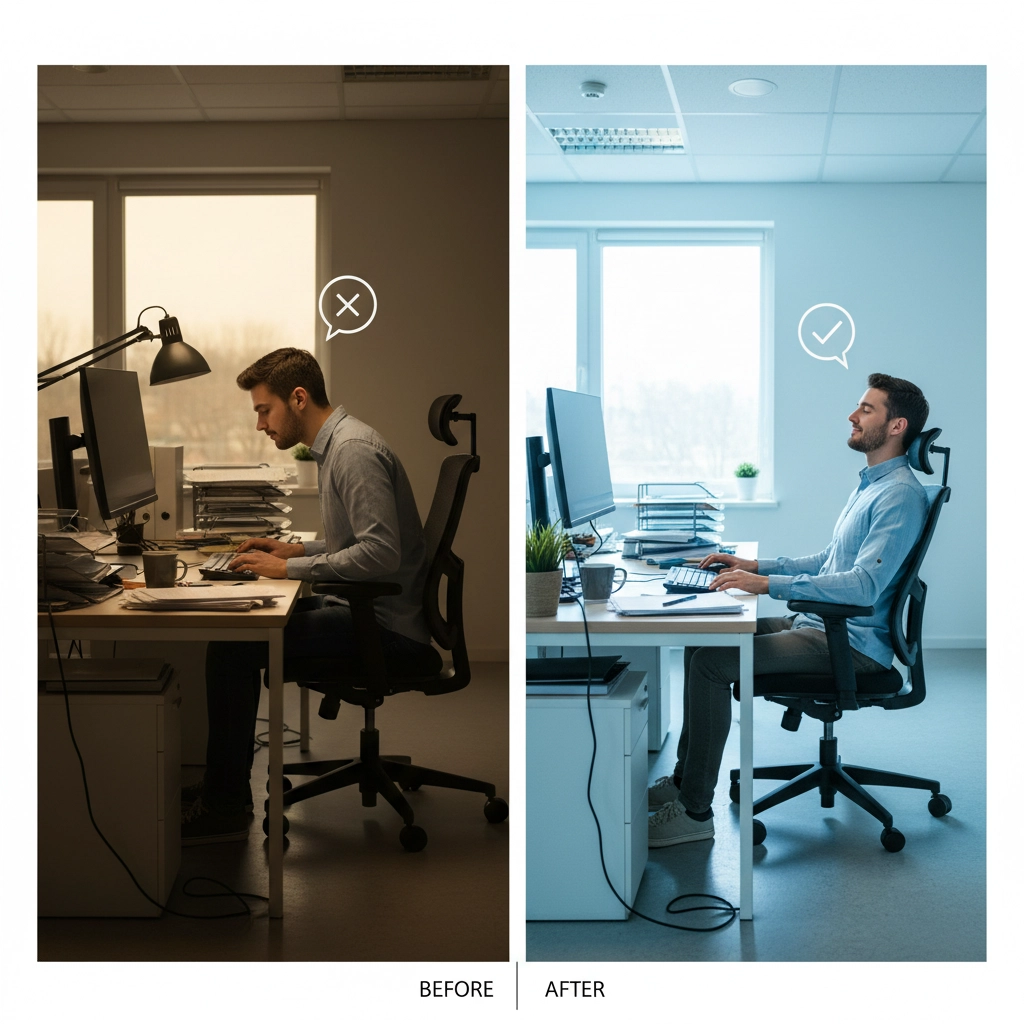
Poor ergonomics doesn't just cause discomfort – it creates expensive repetitive strain injuries that can plague workers for years. The good news? Basic ergonomic fixes are surprisingly cheap.
For office workers:
- Adjust monitors to eye level (books work as risers)
- Keep feet flat on the floor
- Position keyboards at elbow height
- Take a 30-second stretch break every hour
For physical laborers:
- Use lifting aids whenever possible
- Train proper lifting techniques (back straight, legs do the work)
- Rotate tasks to prevent repetitive stress
- Provide anti-fatigue mats for standing work
Hack #4: The Personal Protective Equipment Reality Check
PPE only works if people actually use it correctly. Too many businesses buy safety gear and assume the job's done. Wrong.
Start with a simple question: "What's stopping my workers from using their PPE?" Common answers:
- It's uncomfortable
- It slows them down
- It doesn't fit right
- They forget
Address each barrier specifically. If safety glasses fog up, invest in anti-fog versions. If gloves are clunky, find thinner ones that still provide protection. If people forget, create visual reminders or make PPE part of the daily routine.
Hack #5: Stress Less, Injure Less
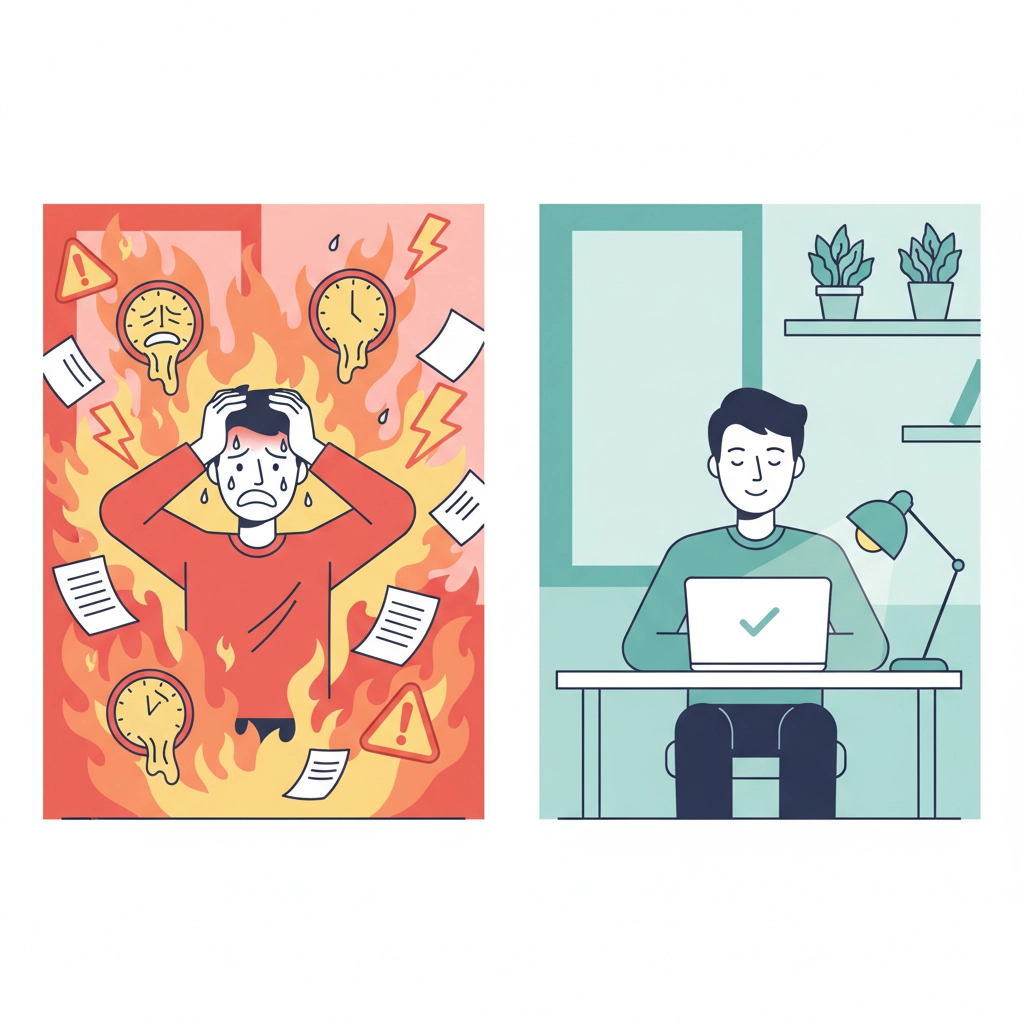
Here's something most business owners miss: stressed-out workers get hurt more often. When people are overwhelmed, distracted, or rushing, they make dangerous mistakes.
Simple stress-reduction tactics:
- Set realistic deadlines
- Cross-train workers so no one person carries all the pressure
- Address workplace conflicts quickly
- Encourage actual lunch breaks (away from the work area)
- Check in with employees about their workload
This isn't about becoming a therapist – it's about recognizing that a calm, focused worker is a safer worker.
Hack #6: The Health Check Reality
Catching problems early prevents bigger injuries later. You don't need to become a medical facility, but encouraging basic health awareness can prevent many workplace incidents.
Simple approaches:
- Remind workers to report pain or discomfort early (before it becomes a major injury)
- Provide basic first aid training to multiple employees
- Keep emergency contact information current
- Know which employees have health conditions that might affect their work safety
Hack #7: Turn Safety Training Into Something People Actually Remember
Most safety training is boring, generic, and instantly forgettable. Make yours stick by focusing on real scenarios your workers face.
Instead of generic "be safe" presentations:
- Share stories of actual incidents (without naming names)
- Practice emergency procedures hands-on
- Let workers teach each other safety tips they've learned
- Make it interactive with questions and discussions
- Keep sessions short (15-20 minutes max)
The best safety training happens in small doses, frequently, not in marathon annual sessions that everyone zones out during.
The Bottom Line: Prevention Pays
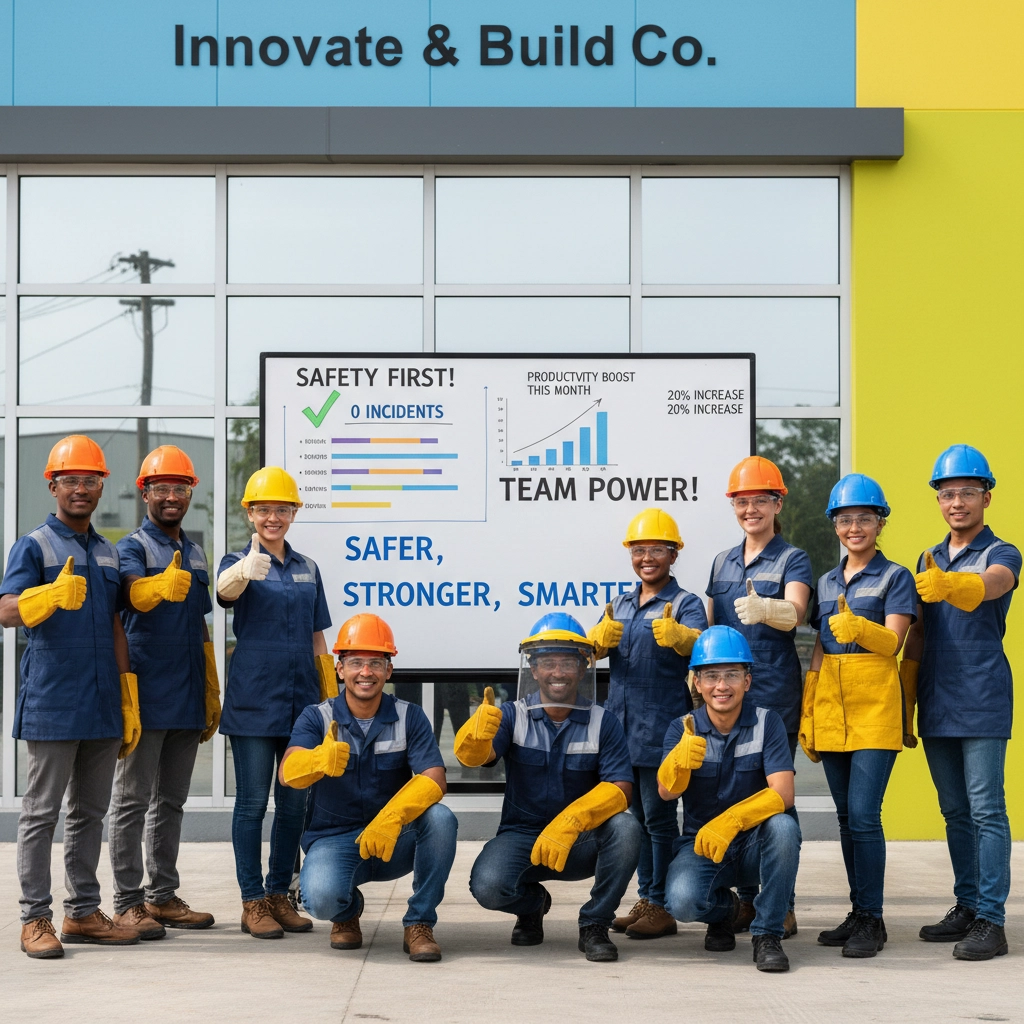
Here's the math that should get your attention: businesses that implement injury prevention programs typically see a 15-35% reduction in workplace injuries. OSHA estimates this saves employers between $9-23 billion annually in compensation costs.
For every dollar spent on workplace safety, companies typically save $4-6 in injury-related costs. That's not just feel-good statistics – that's money back in your pocket.
A California study found that workplaces inspected for safety saw a 9.4% drop in injury claims and 26% average savings on workers' compensation costs. The inspected businesses saved an estimated $355,000 in injury claims over four years.
Getting Started Tomorrow
You don't need to implement all seven hacks at once. Pick one or two that seem most relevant to your workplace and start there. The key is consistency – small, regular safety improvements beat massive, one-time efforts every time.
Remember, workplace safety isn't about following every rule in some thick manual. It's about creating an environment where people can do their jobs without getting hurt. When you prevent injuries, you're not just saving money – you're protecting the people who make your business run.
The choice is yours: spend a little time and money on prevention now, or spend a lot more dealing with injuries later. The math is pretty clear.


Comments
Post a Comment