Dog Safety: How to Behave with Pets and Strays
Dog Safety: How to Behave with Pets and Strays
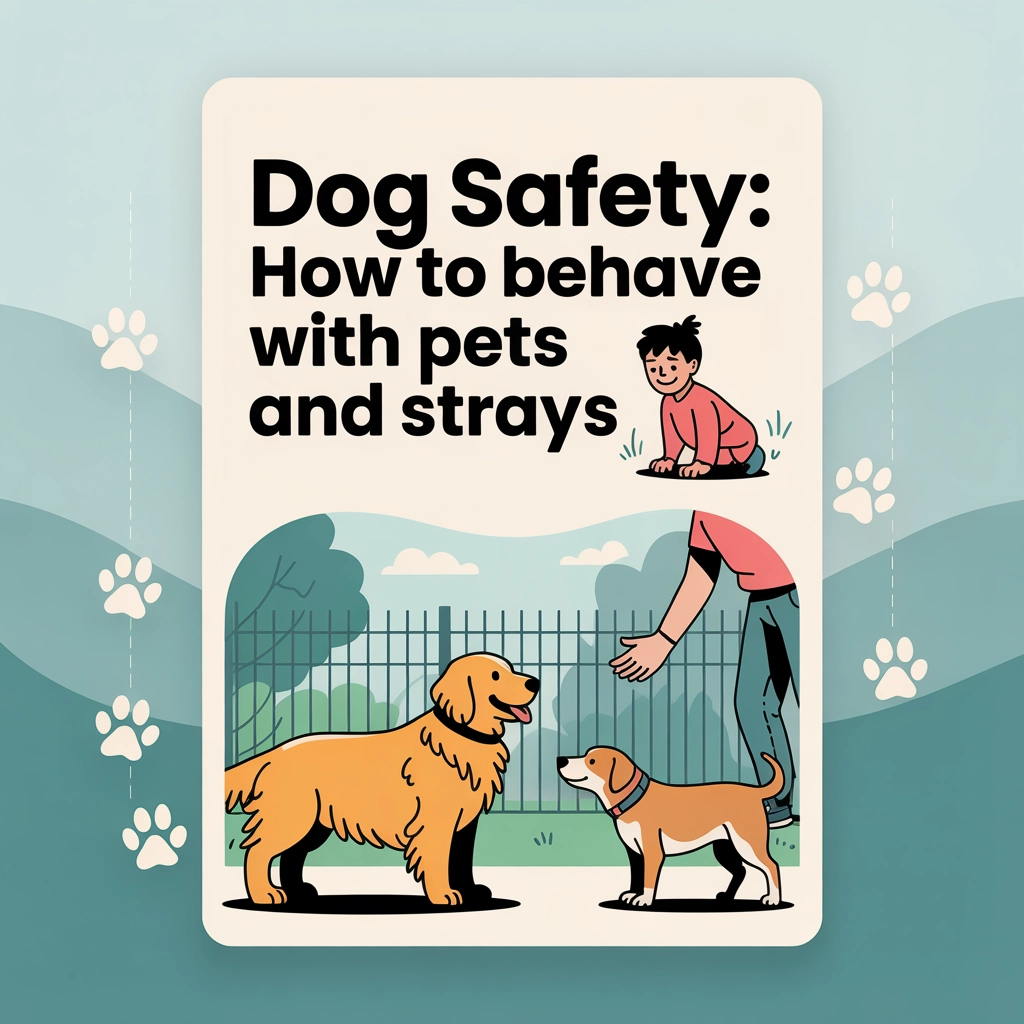
Dogs are everywhere! Whether it's your neighbor's friendly Golden Retriever, your own family pup, or that mysterious dog you spotted wandering around the park, knowing how to stay safe around our four-legged friends is super important. Let's dive into the world of dog safety and learn how to be a dog whisperer (well, almost!).
Reading Dog Language: They're Talking Without Words!
Dogs can't tell us "Hey, I'm having a bad day" or "I'm so excited to meet you!" But guess what? They're constantly communicating through their body language. Think of it like learning a secret code!
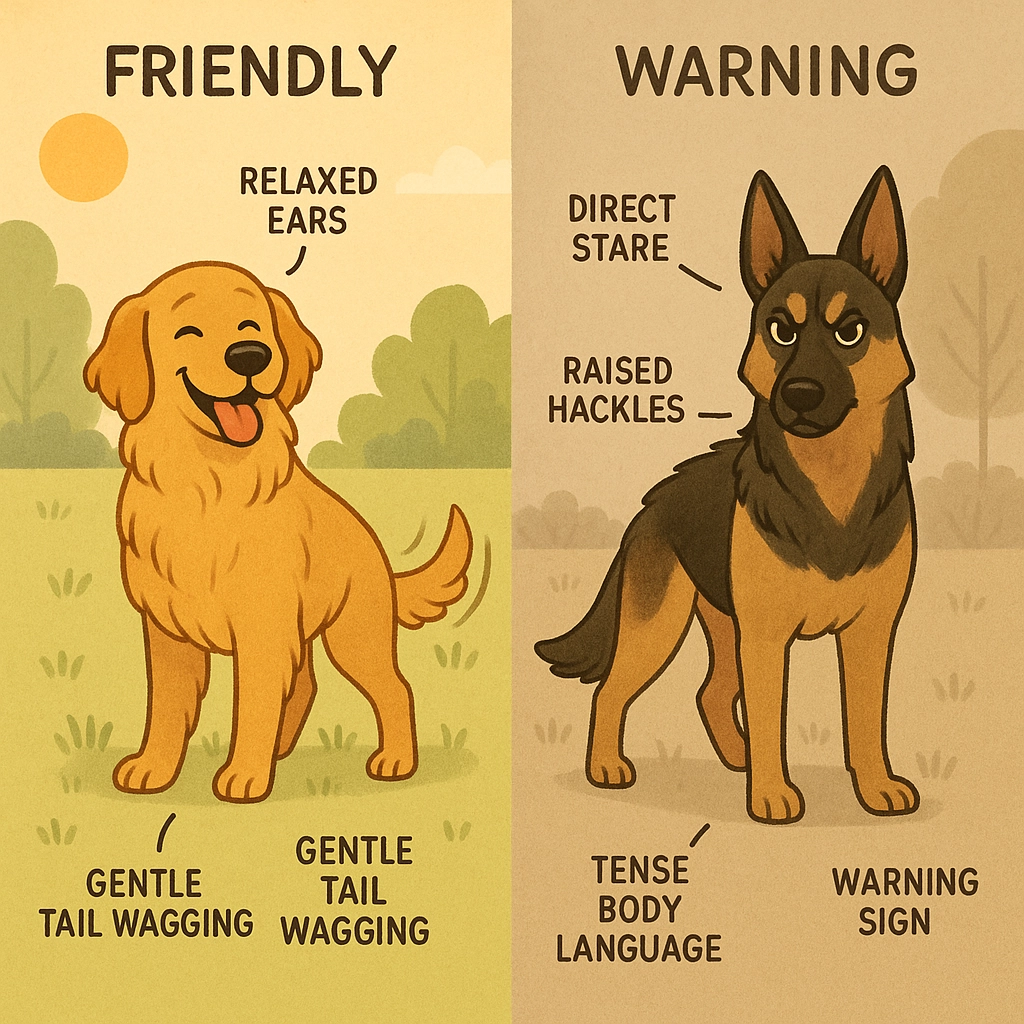
Warning Signs to Watch For:
- The Stiff Statue: When a dog goes completely still and rigid, like they're playing freeze tag but forgot to have fun
- Growling or Showing Teeth: This is basically a dog's way of saying "Please back off, I need some space"
- Raised Hackles: Those hairs on their back standing up like they stuck their paw in a light socket
- Direct Staring: That intense, unblinking stare that feels like they're looking right through you
- Stiff, High Tail: Not the happy wagging kind, but the "I'm on high alert" kind
Happy Dog Signals:
- Relaxed Ears: Not pinned back or super perked up, just chilling
- Loose, Wiggly Body: Like they're dancing to their favorite song
- Play Bow: That adorable stretch where their front end goes down and their butt stays up
- Gentle Tail Wagging: The whole-body wiggle kind, not just the tip
Your Family Dog: Building the Best Relationship
If you have a dog at home, you're already ahead of the game! But even family pets need respect and proper interaction.
The Golden Rules of Pet Interaction:
- Let sleeping dogs lie (literally!). Would you want someone waking you up from your best nap? Neither do they.
- Ask before you pet, even your own dog. Sometimes they're not in the mood for snuggles, and that's okay!
- Respect their food and toys. Imagine someone grabbing your lunch while you're eating. Not cool, right?
- Give them an escape route. Don't corner your dog for forced cuddles. Let them come to you when they're ready.
Exercise = Happy Dog = Safer Dog
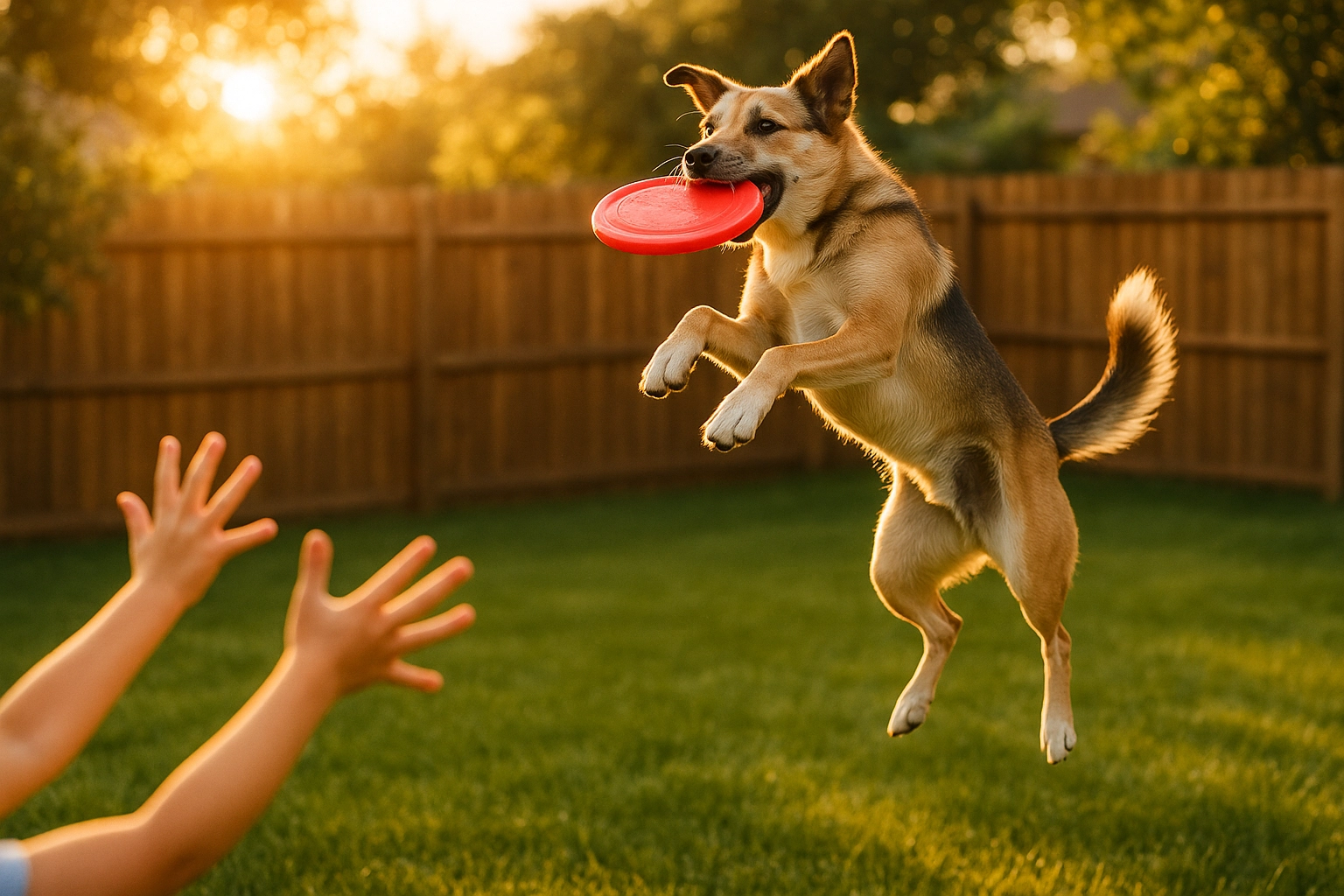
Just like how you get cranky when you've been stuck inside all day, dogs need their daily dose of fun! Regular walks, games of fetch, and interactive play help burn off that extra energy that might otherwise turn into mischief (or worse, aggression).
Think of it this way: a tired dog is usually a good dog. They're too busy dreaming about their awesome day to cause trouble!
Stray Dogs: The Art of Careful Encounters
Spotting a stray dog can be exciting and scary at the same time. Your heart might say "Puppy!" but your brain needs to say "Safety first!"
The Do's and Don'ts of Stray Dog Encounters:
DO:
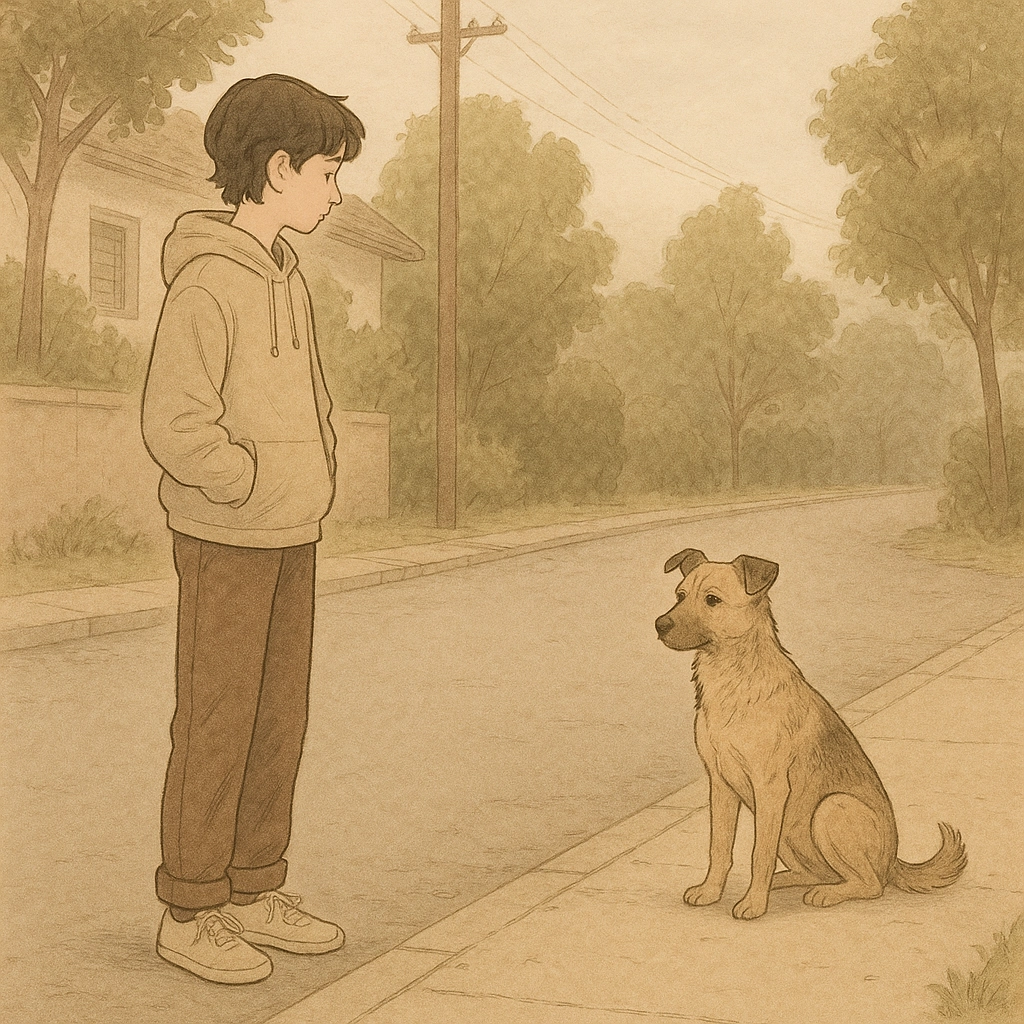
- Stay calm and still. Dogs can sense our emotions, so if you're panicked, they might get nervous too
- Speak softly. Use that gentle voice you'd use with a scared friend
- Give them space. Let them decide if they want to approach you
- Walk away slowly if they seem aggressive or scared
DON'T:
- Run! This might trigger their chase instincts, turning you into the world's most reluctant game of tag
- Stare directly at them. In dog language, staring can mean "I'm challenging you to a fight"
- Make sudden movements. No jumping jacks or surprise dance moves, please!
- Try to pet them immediately. They don't know you're friendly yet
If You Want to Help a Stray:
First, get an adult involved! Helping stray animals is awesome, but it's not a job for kids to handle alone. Even the sweetest-looking stray might be scared, hurt, or sick, making them unpredictable.
If an adult decides to help:
- Use yummy-smelling food (like canned tuna) to entice them from a distance
- Move slowly and let the dog see you at all times
- Be prepared that even a successful rescue might involve some scratches or bites from a scared animal
Emergency Situations: When Things Go Wrong
Sometimes, despite our best efforts, we might find ourselves in a tricky situation with an aggressive dog. Here's your action plan:
If a Dog is Acting Aggressively:
- Don't run! (Yes, we're saying this again because it's super important)
- Avoid eye contact
- Back away slowly and sideways: never turn your back on an aggressive dog
- Make yourself appear smaller by crouching down, but don't lie flat
- If attacked, curl into a ball and protect your face and neck with your arms
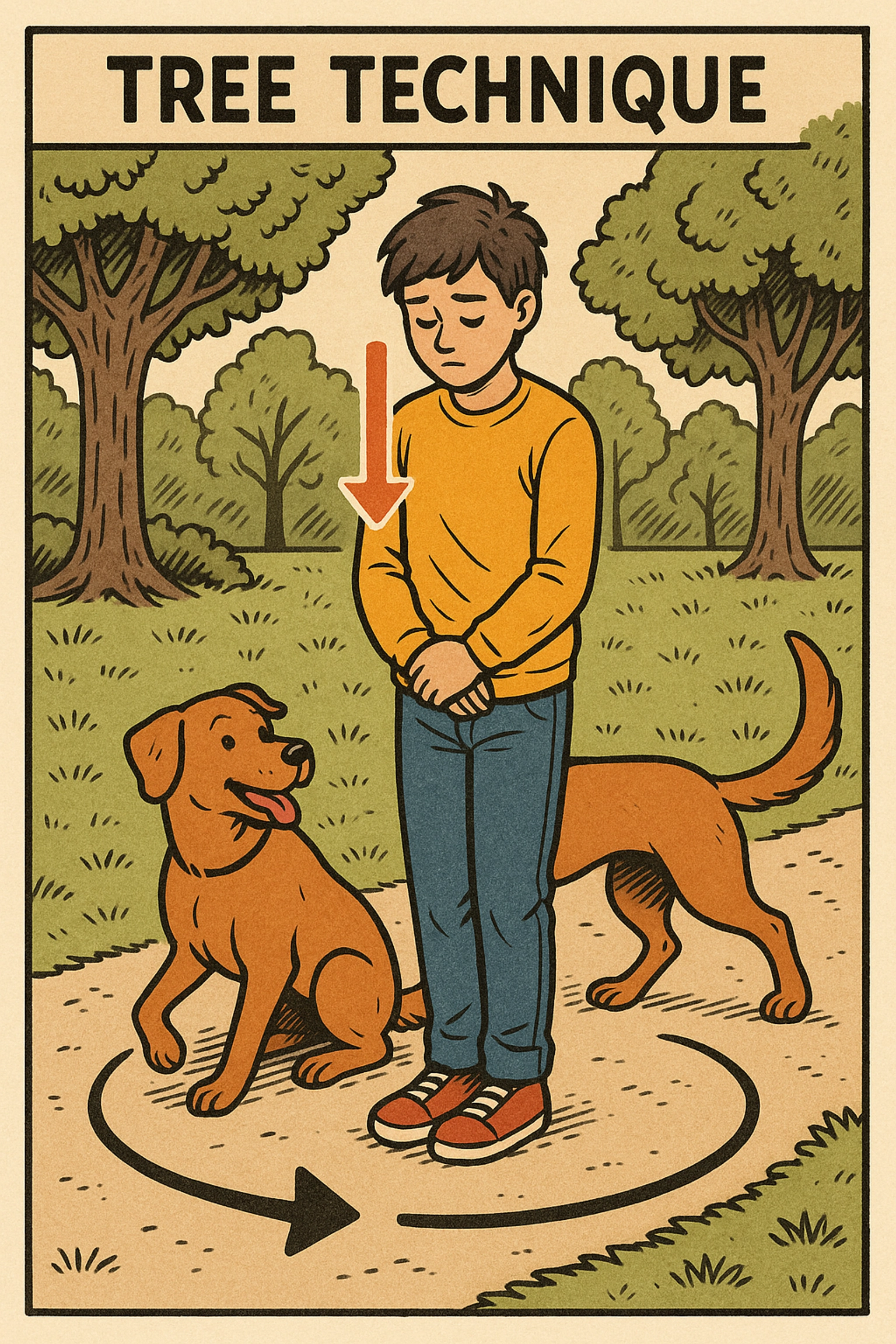
The "Tree" Technique:
Stand still like a tree! Trees are boring to dogs. Keep your branches (arms) close to your trunk (body), look at the ground (roots), and count slowly until the dog loses interest and leaves.
Special Tips for Little Kids
If you're reading this with a younger sibling or child, here are some extra-simple rules they should know:
- Never tease dogs: no pulling tails, ears, or fur
- No shouting at dogs: use your inside voice
- Don't reach through fences to pet dogs
- Never try to take toys or food from dogs: they're possessive of their stuff, just like you might be with your favorite video game
- If you see dogs fighting, find an adult immediately: don't try to break it up yourself
Creating Safe Spaces at Home
For families with dogs, creating a safe environment benefits everyone:
Training is Key:
- Teach your dog basic commands like "sit," "stay," and "leave it"
- Practice the "settle" command when your dog is calm, so they know how to chill out when things get exciting
- Never use physical punishment: it can make dogs fearful and more likely to bite
Management Tools:
- Crate training: Give your dog a cozy space that's just theirs
- Baby gates: Create boundaries when needed
- Proper leash control: Always have an adult handle the leash in public
The Family Safety Plan
Every family should have a dog safety plan, whether you own a dog or not:
- Know the emergency numbers: Your vet, local animal control, and poison control
- Identify safe adults: Who in your neighborhood can help with dog emergencies?
- Practice scenarios: What would you do if an aggressive dog approached during your walk?
- First aid basics: Know how to clean and treat minor scratches
Making Smart Choices
Remember, respecting dogs doesn't mean fearing them. Most dogs are friendly and just want to live their best doggie life! By understanding their language, respecting their boundaries, and knowing how to stay safe, we can coexist happily with our canine neighbors.
The goal isn't to avoid all dogs: it's to interact with them safely and confidently. Whether you're meeting your friend's new puppy, helping your family choose a pet, or encountering a stray in your neighborhood, these skills will serve you well.
Your Safety Checklist:
- ✅ I can recognize happy vs. stressed dog body language
- ✅ I know how to approach dogs safely
- ✅ I understand what to do if a dog acts aggressively
- ✅ I know when to get adult help
- ✅ I respect all dogs, whether I know them or not
Dogs can be amazing companions, protectors, and friends. With the right knowledge and respect, you'll be well on your way to safe, positive interactions with dogs wherever you encounter them. Remember: when in doubt, find a trusted adult and always prioritize your safety over everything else!


Comments
Post a Comment