First Aid Kit Fun: Making Safety Supplies Kid-Friendly
First Aid Kit Fun: Making Safety Supplies Kid-Friendly
Let's be honest – most kids see first aid kits about as exciting as watching paint dry. But what if we could flip that script? What if your little ones actually wanted to carry their safety supplies and felt confident using them? That's exactly what happens when you make first aid kits fun, colorful, and kid-friendly.
The magic happens when we stop thinking about first aid as this serious, sterile medical thing and start seeing it as an adventure toolkit. Because really, that's what it is – a collection of superhero supplies that help kids bounce back from scraped knees, bug bites, and all those little bumps that come with being curious and active.
Why Kid-Friendly First Aid Kits Matter
Traditional first aid kits can be intimidating. All those clinical-looking supplies in boring white containers don't exactly scream "fun" to a seven-year-old. But when kids have their own appealing first aid kit, something amazing happens – they actually want to learn how to use it.
Think about it: when children feel ownership over their safety supplies, they're more likely to remember where they are, more willing to ask for help when needed, and more confident in handling minor injuries. Plus, having a kid-friendly kit creates natural teaching moments where you can show them basic first aid without it feeling like a boring safety lecture.
Design Elements That Win Kids Over
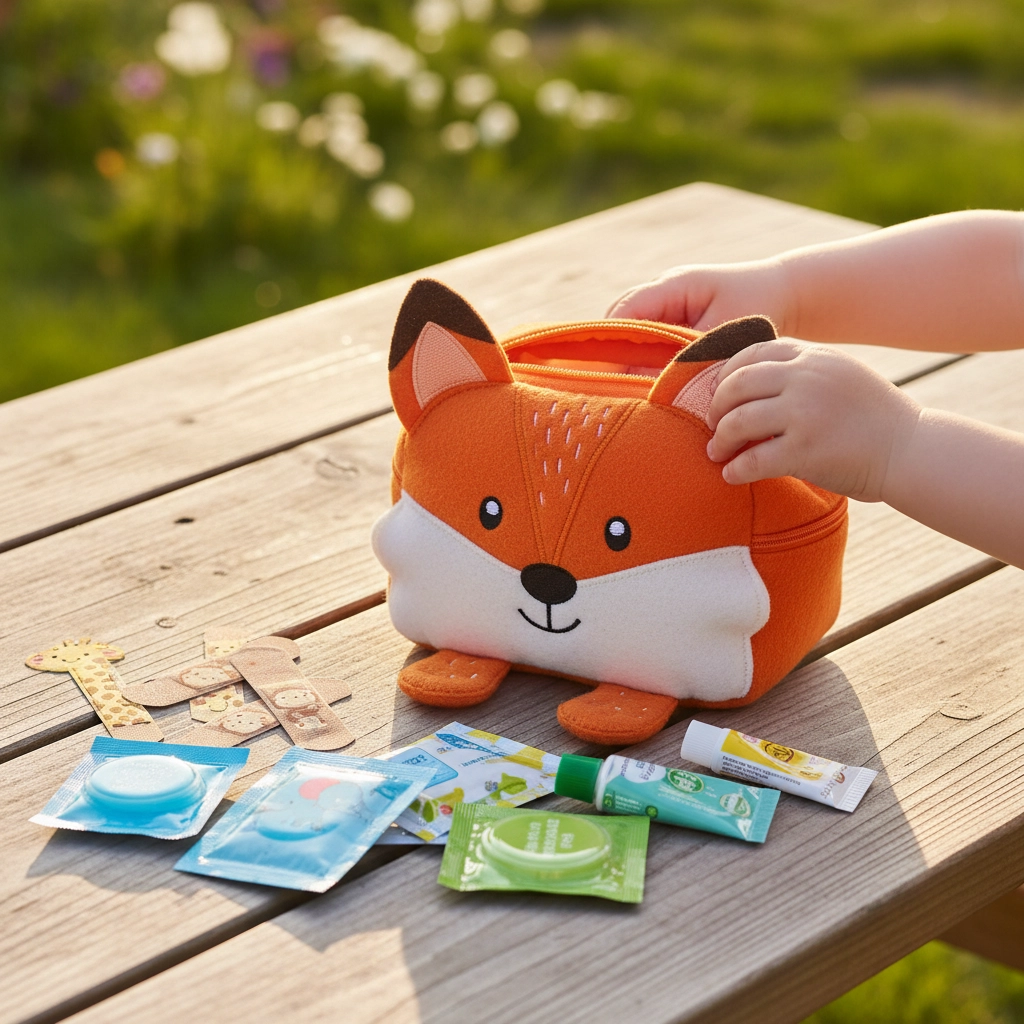
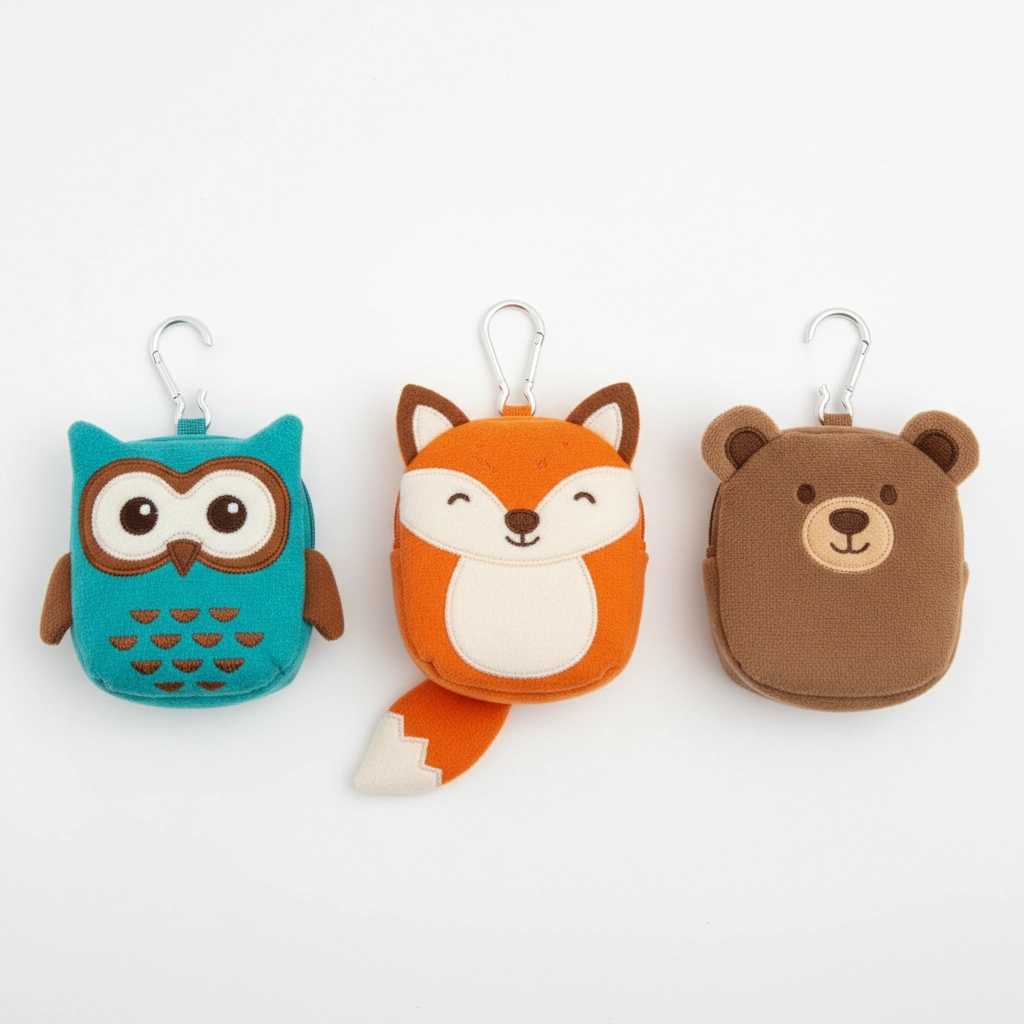
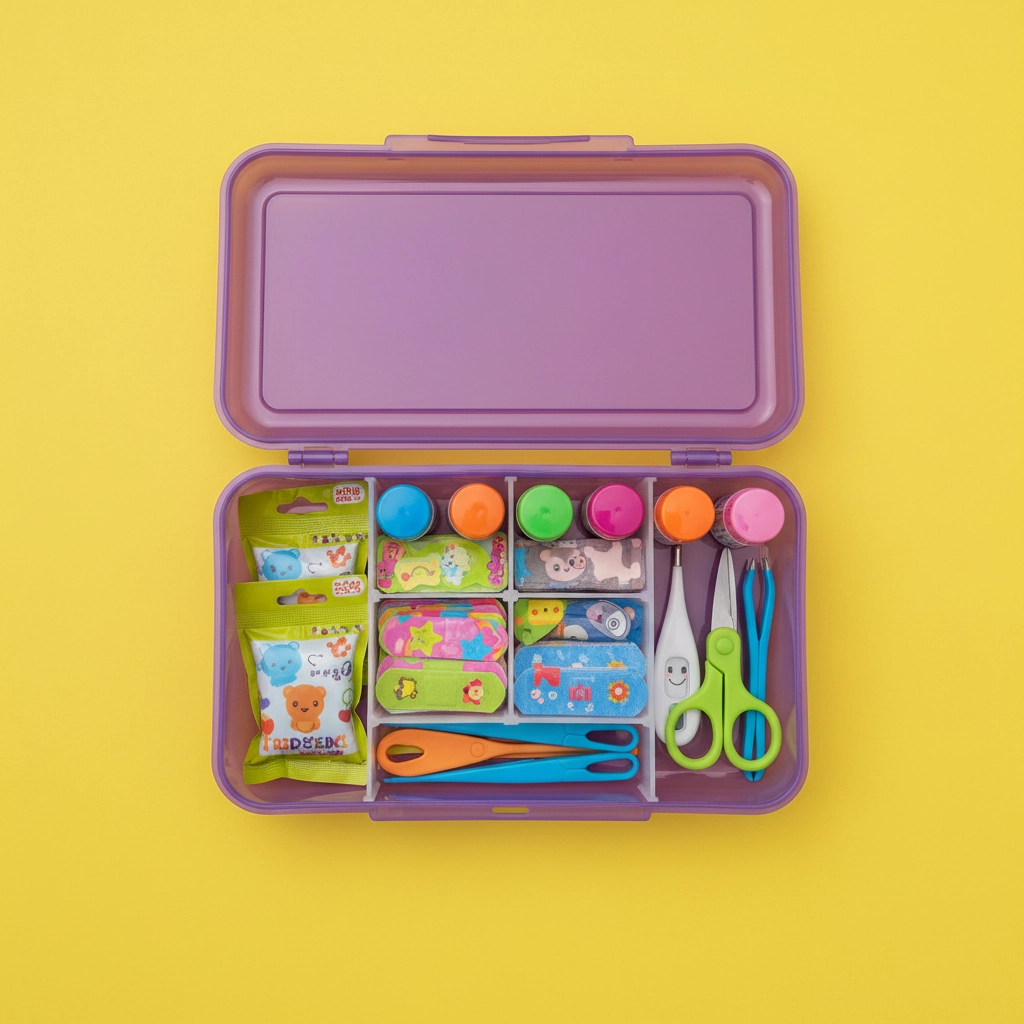
The secret sauce in kid-friendly first aid kits is all about the packaging. Woodland creatures are absolute winners – think adorable foxes, wise owls, and friendly bears that make medical supplies feel less scary and more like collectible treasures. These cute character designs transform a first aid kit from something intimidating into something kids actually want to show their friends.
Bright, vibrant colors work wonders too. Instead of sterile white or medical blue, go for cheerful colors that pop. Pink, bright green, sunny yellow – these colors signal "fun" rather than "medical emergency" in a child's mind.
The best kid-friendly kits often come with practical features like carabiner clips that let children attach their personal first aid kit to backpacks, making them perfect companions for school field trips, summer camp adventures, or family hikes. When safety supplies are easily accessible and travel-friendly, kids are more likely to have them when they're actually needed.
What Goes Inside: Age-Appropriate Essentials
The contents of a kid's first aid kit should focus on treating the most common childhood mishaps while being simple enough for young hands to understand and use (with adult guidance, of course).
The Basic Lineup:
- Colorful adhesive bandages in various sizes (bonus points for fun patterns or characters)
- Child-friendly antiseptic wipes
- Triple antibiotic ointment in easy-squeeze tubes
- Hand sanitizer (great for quick cleanups)
- Small instant ice packs for bumps and bruises
For Different Ages:
Toddler kits need liquid medications rather than pills, plus extras like nasal aspirators and diaper rash cream. School-age kids can handle more supplies and might enjoy having their own small scissors (with rounded tips) and tweezers for splinter removal.
Allergy Considerations:
If your child has allergies, include age-appropriate antihistamines like children's Benadryl. For severe allergies, make sure prescribed epinephrine injectors are included and that all caregivers know how to use them.
Seasonal Additions That Make Sense
Summer adventures call for specialized additions. Sunscreen becomes essential, along with bug spray and burn relief gel for those inevitable sunburns. Hydrocortisone cream works wonders on itchy bug bites and minor rashes from outdoor play.
Winter months might mean adding lip balm for chapped lips and extra hand warmers for outdoor activities. Spring could bring allergy-specific items if your child struggles with seasonal allergies.
The key is updating the kit based on your family's activities and the time of year, making it a living toolkit that evolves with your child's needs.
Teaching Moments: Making Safety Educational
A colorful, appealing first aid kit becomes an amazing teaching tool. Kids are naturally curious about how things work, and when they have their own supplies, they want to understand what each item does.
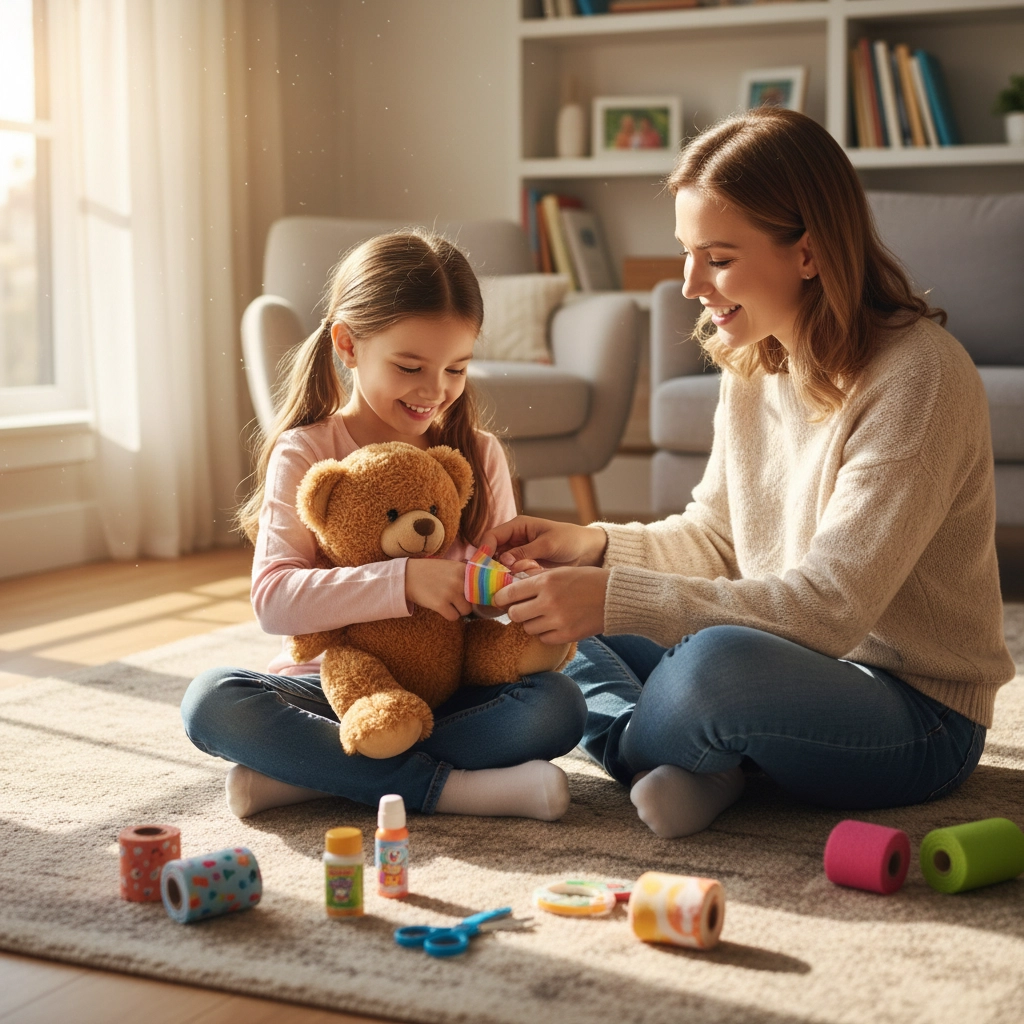
Start with the basics: show them how to clean a small cut, when to use different types of bandages, and why we put antibiotic ointment on scrapes. Let them practice on dolls or stuffed animals first – it's amazing how quickly they pick up proper technique when they're engaged and interested.
Create simple games around first aid knowledge. "What would you use for a bee sting?" or "Show me how you'd clean a scraped elbow" can turn safety education into fun interactions rather than lectures.
Storage Solutions That Work
The container matters just as much as what's inside it. Waterproof cases protect supplies while being easy for small hands to open. Clear sections or transparent containers help kids quickly find what they need without dumping everything out.
Some families love using small cosmetic bags or pencil cases in bright colors – they're familiar to kids and feel more like personal accessories than medical equipment. Others prefer purpose-built first aid containers with compartments that keep everything organized.
The best storage solution is whatever works for your child and your family's lifestyle. If they're more likely to carry a fun drawstring bag, go with that. If a hard case with fun stickers appeals to them, that works too.
Making Maintenance Fun
Keeping a first aid kit updated doesn't have to be a chore – it can become a fun family activity. Set up regular "kit check" times where you and your child go through supplies together, checking expiration dates and restocking used items.
Turn it into a game: "Can you find three things that need to be replaced?" or "What do you think we should add for our camping trip next month?" This involvement helps kids understand that safety is ongoing, not just something you think about after an accident happens.
Let them help choose replacement supplies. If they prefer dinosaur bandages over plain ones, go with the dinosaurs. The goal is keeping them engaged and interested in maintaining their safety supplies.
Building Confidence, Not Fear
The ultimate goal of kid-friendly first aid kits isn't just treating minor injuries – it's building confidence and teaching children that they can handle life's little bumps and scrapes. When kids have their own appealing, accessible first aid supplies, they learn that taking care of themselves and others is both important and empowering.
This confidence extends beyond just using bandages. Kids who feel comfortable with basic first aid are more likely to speak up when they're hurt, more willing to help friends who are injured, and more aware of potential safety hazards in their environment.
Real-World Success Stories
Parents consistently report that kids with fun, personalized first aid kits are more responsible about safety overall. They remember to grab their kit for bike rides, they're calmer when minor accidents happen, and they often become the "safety helper" among their friends.
Teachers and camp counselors notice the difference too. Kids with their own first aid supplies are typically more self-sufficient with minor injuries and less likely to panic over small scrapes and cuts.
The ripple effect is remarkable: when children feel equipped to handle minor emergencies, their overall confidence grows, and they develop a healthy relationship with safety that lasts into adulthood.
Making first aid kits kid-friendly isn't just about cute packaging – it's about creating positive associations with safety and self-care that will serve children throughout their lives. When safety feels accessible and empowering rather than scary or overwhelming, we're setting kids up for a lifetime of smart, confident decision-making.


Comments
Post a Comment