Home Alone? Safety Tips for Kids and Teens Staying In Without Adults
Home Alone? Safety Tips for Kids and Teens Staying In Without Adults
Being home alone for the first time feels like a huge step toward growing up, and honestly, it kind of is! Whether you're 11 or 16, that first taste of independence comes with some real responsibility. But here's the thing: being safe doesn't mean being scared. It just means being smart.
Most kids are ready for short periods alone around ages 10-12, but everyone's different. Some 9-year-olds handle it like pros, while some 13-year-olds still need more practice. The key isn't your age, it's whether you feel confident, prepared, and independent enough to handle whatever comes up.
Are You Actually Ready? Let's Find Out
Before your parents even consider leaving you solo, ask yourself these questions honestly. Can you stay alone for an hour without calling them every ten minutes? Do you know how to make yourself a snack without burning down the kitchen? Can you make decisions without asking "What should I do?" about everything?
If you answered yes, you're probably ready for the next level. If not, that's totally fine too: everyone learns at their own pace.
The Home Alone Survival Kit (AKA Being Prepared)
Emergency Numbers That Actually Matter
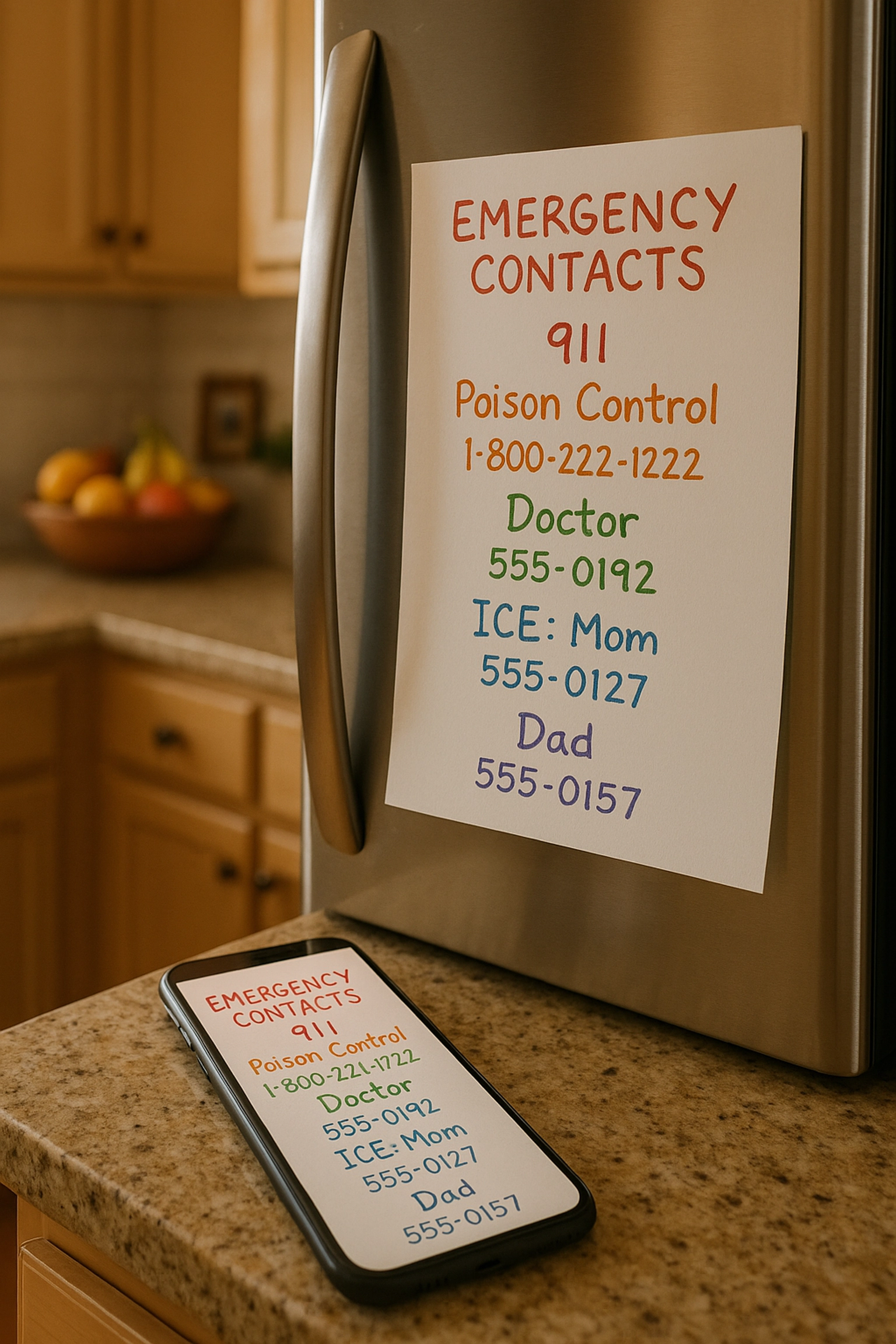
First things first: create your emergency contact list and stick it somewhere you'll actually see it: not buried in a drawer. Write down 911 (obviously), your parents' work and cell numbers, a trusted neighbor, and maybe that cool aunt who lives nearby. Pro tip: save these in your phone too, but have the written backup because technology sometimes fails when you need it most.
Your Personal Emergency Plan
This isn't just "call 911 if something bad happens." You need to know exactly what to do if the power goes out, if someone gets hurt, if there's a fire, or if the weather gets scary. Write it down step by step, and practice it with your parents so it becomes second nature.
Making Your Home Actually Safe
Look around your house with fresh eyes. Are there any obvious dangers just sitting around? Sharp tools, cleaning chemicals, or anything that could cause problems should be locked away or at least moved out of reach. Check that your smoke alarms work (seriously, test them), make sure you know where the flashlights are, and locate your home's main electrical panel: just in case.
Getting Home Safe: The School-to-Home Game Plan
Stick to Your Route
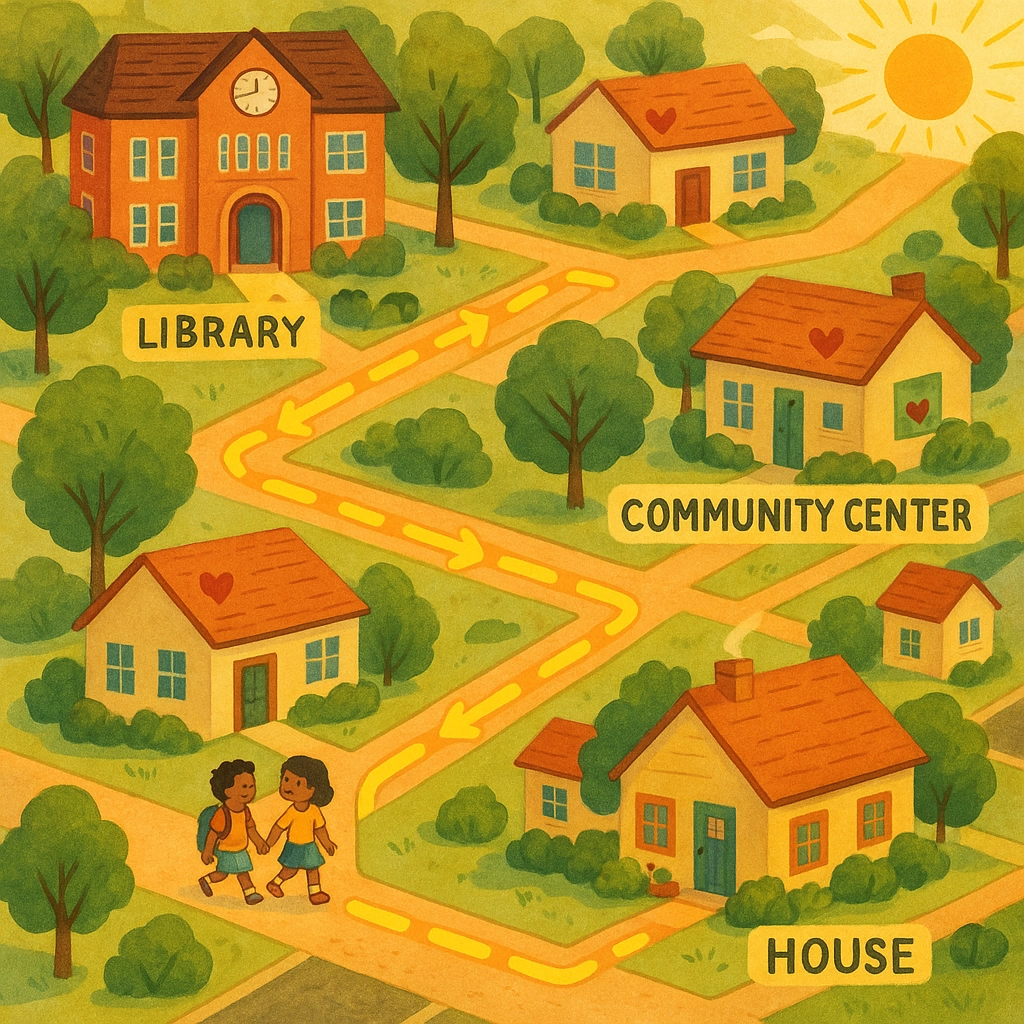
Choose one main route home from school and stick to it. Sure, that shortcut through the weird alley might save you five minutes, but it's not worth the risk. Let your parents know your exact route so they know where to find you if something goes wrong.
Walking in groups is always smarter than going solo. If your friends live in different directions, see if you can walk partway together. Even having one other person around makes you much safer and way less of a target for anyone with bad intentions.
Trust Your Gut (It's Usually Right)
If something feels off: whether it's a person, a situation, or just a weird vibe: listen to that feeling. Cross the street, change directions, or duck into a safe place like a store or community center. Your instincts are usually trying to protect you, so don't ignore them.
Never, ever get into a car unless your parents specifically arranged it. Even if it's someone you recognize, if your parents didn't tell you they were coming, the answer is no.
Home Alone Rules That Actually Make Sense
The Art of Staying Invisible
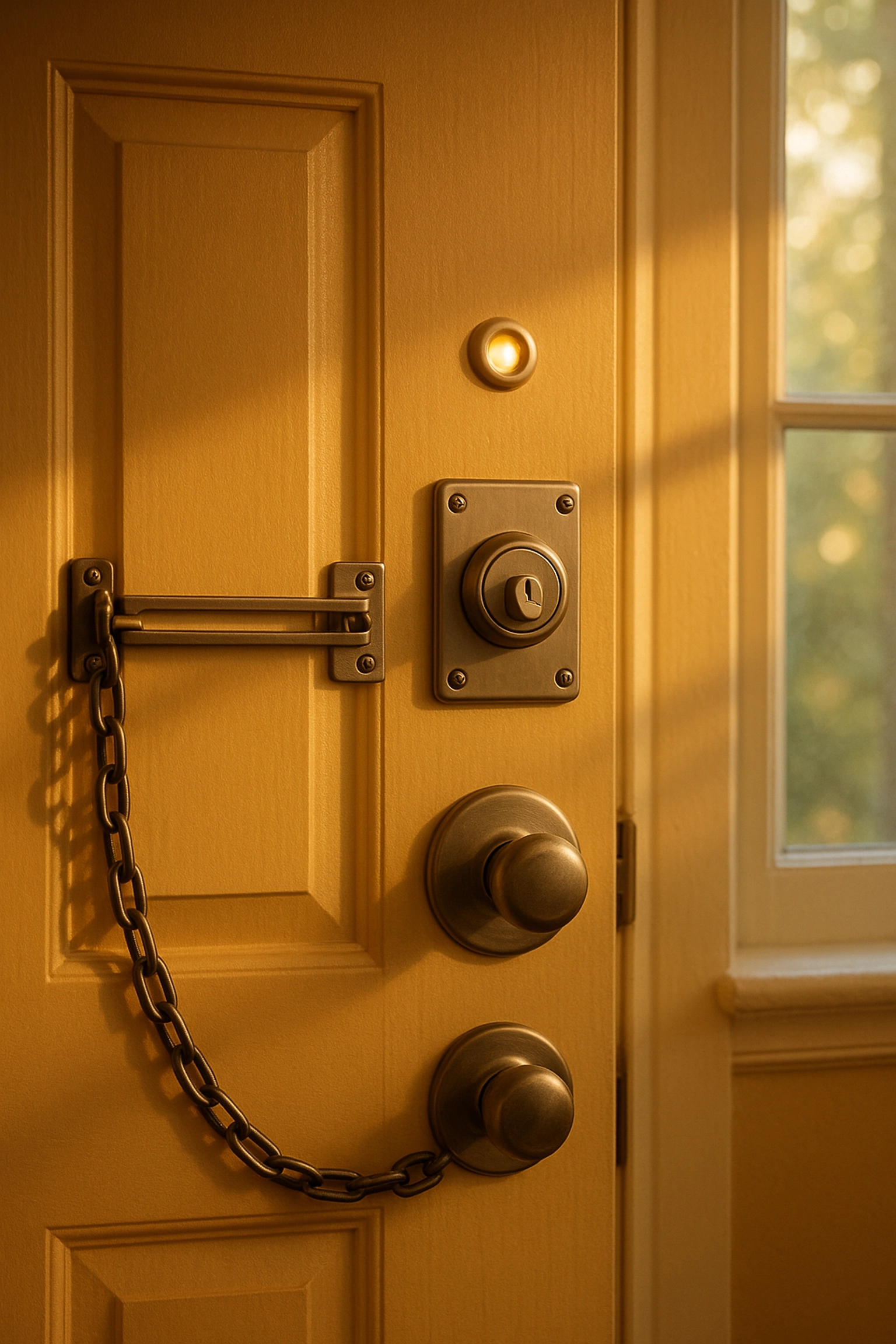
When you're home alone, you want to blend into the background of your neighborhood. Keep doors and windows locked, and don't blast music so loud that the whole street knows no adults are home. If someone calls, never tell them you're alone: just say your parents are busy and can't come to the phone right now.
Door Policy: When in Doubt, Don't
Use your peephole or look through a window to see who's at the door, but here's the rule: if you weren't expecting someone, don't open it. Period. Even if it's someone delivering a package or claiming they need to check something in your house. Real delivery people and repair workers won't mind if you tell them to come back when your parents are home.
If someone seems pushy or won't leave, call your parents immediately. If they seem threatening or won't go away, call 911. Better to feel a little embarrassed later than unsafe now.
Kitchen Adventures: Keep It Simple
Cooking shows make everything look easy, but when you're alone isn't the time to try that complicated recipe you saw on TikTok. Stick to simple stuff: sandwiches, cereal, fruit, maybe some microwaved leftovers. Save the stovetop experiments for when adults are around.
If you do use the microwave or toaster, stay in the kitchen while they're running. Nothing burns down faster than unattended food.
Emergency Mode: What to Do When Things Go Wrong
Fire Safety Isn't Boring When It Saves Your Life
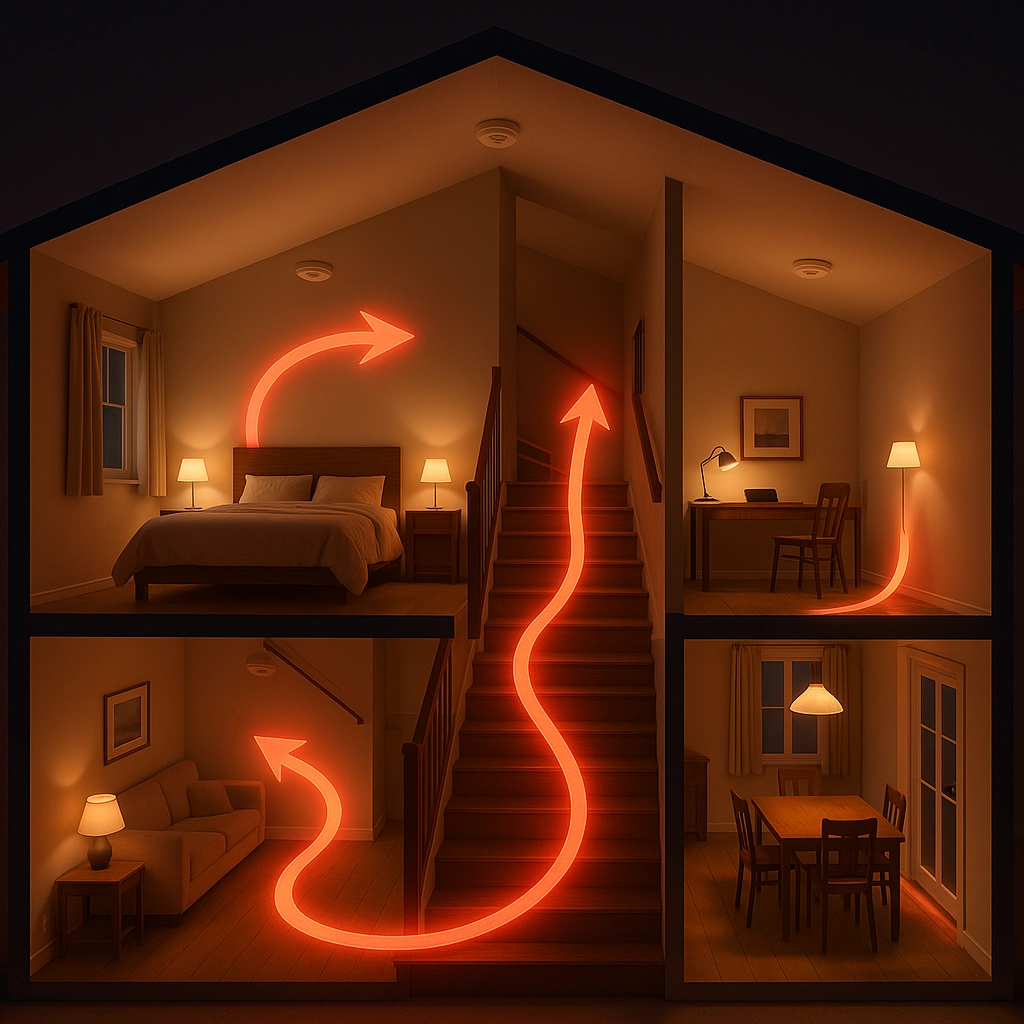
Know your escape routes from every room in your house, not just your bedroom. If you smell smoke or hear a fire alarm, get out first: don't try to find the problem or save anything. Once you're safely outside, then call 911 from a neighbor's house or your cell phone.
Practice this with your family so you don't have to think about it if it ever happens for real.
Power Outages and Weather Emergencies
Know where your flashlights are and check that the batteries work before you need them. If the power goes out, don't use candles: they're a fire hazard. Instead, use flashlights or battery-powered lanterns.
For severe weather like storms or tornadoes, know the safest spot in your house (usually an interior room on the lowest floor, away from windows) and stay there until the danger passes.
When Someone Gets Hurt
Accidents happen, even to the most careful people. Know basic first aid like how to clean and bandage cuts, how to apply ice to bumps and bruises, and most importantly, when to call for help.
If someone is seriously injured, unconscious, having trouble breathing, or bleeding heavily, call 911 immediately. Don't try to move them or fix it yourself: let the professionals handle it.
Digital Safety: The Online Home Alone Rules
Social Media Blackout
This might be the hardest rule to follow, but don't post anything on social media that shows you're home alone. No selfies with captions like "Parents are gone, party time!" Even if your accounts are private, information has a way of spreading.
Gaming and Video Calls
If you're gaming online or video chatting with friends, be careful about what's visible in the background. Don't show off that you have the house to yourself, and never give out personal information like your address to people you only know online.
Apps That Can Help
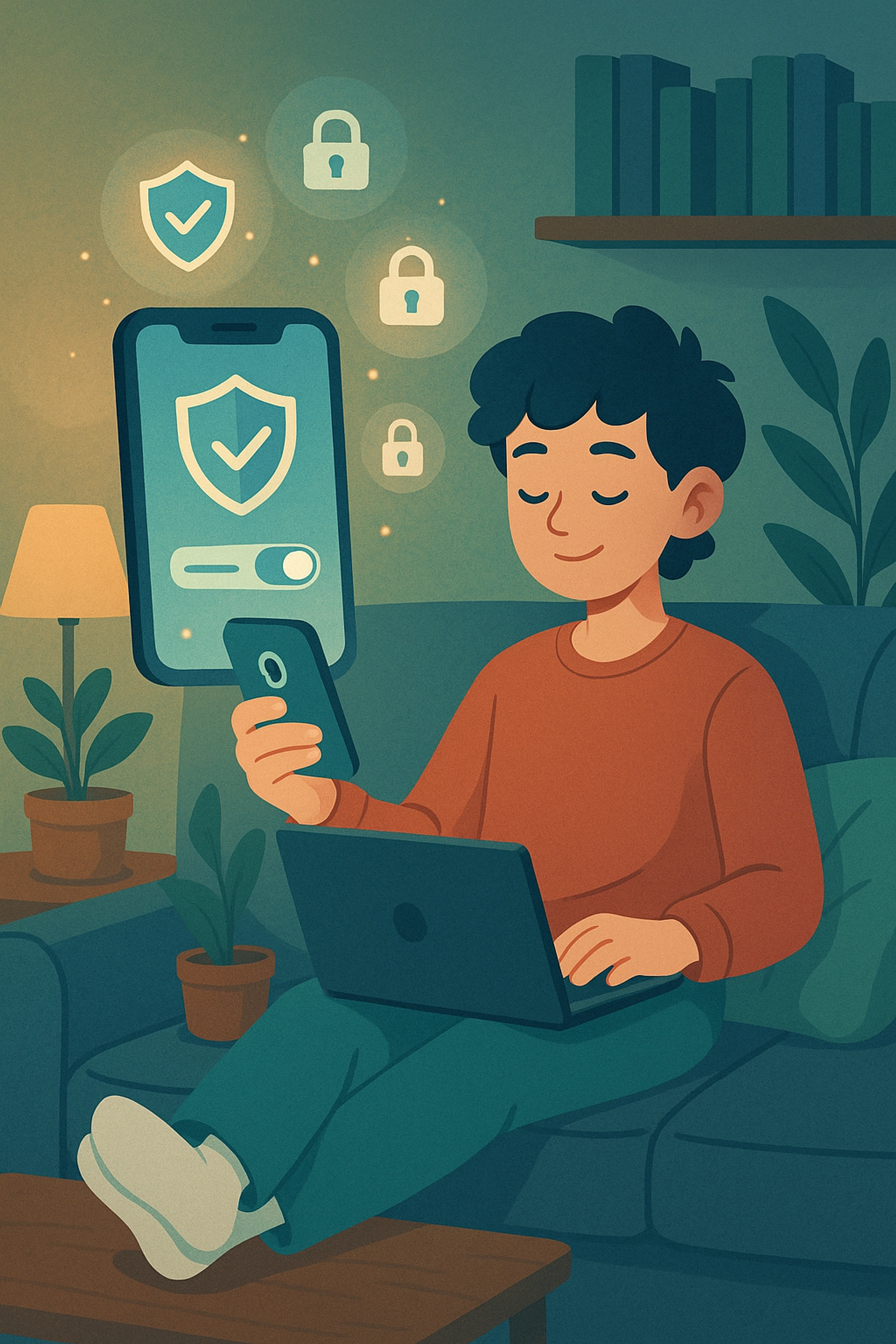
Download helpful apps like the Red Cross First Aid App, which gives you instant access to emergency instructions. Weather apps can alert you to dangerous conditions, and having your parents' work schedules in your phone helps you know when they'll be available.
Making It Fun Instead of Scary
Being home alone doesn't have to feel like survival mode. Create a routine that makes you feel comfortable and in control. Maybe you do homework first, then reward yourself with a favorite snack and some TV time. Or perhaps you use the quiet time to practice a hobby or call a friend.
The goal isn't just to survive until your parents get home: it's to prove to yourself (and them) that you can handle responsibility and independence. Every time you follow the safety rules and everything goes smoothly, you're building confidence and earning more freedom.
When Things Don't Go According to Plan
Even with all the preparation in the world, unexpected things happen. The internet goes out, you lose your house key, or you just feel scared for no specific reason. That's all normal, and it doesn't mean you're not ready to be home alone.
Have backup plans for common problems. Keep a spare key hidden in a lockbox or with a trusted neighbor. Know how to reset your wifi router. Most importantly, remember that it's always okay to call your parents if you need help or just want to hear their voice.
Building Confidence One Day at a Time
Start small. Maybe your first time alone is just for an hour while your parents run to the grocery store. As you get more comfortable and prove you can handle the basics, the time periods can get longer.
Remember, being safe at home alone isn't about being paranoid or afraid: it's about being prepared and making smart choices. The more you practice these skills, the more natural they become. Soon, you'll wonder why you ever felt nervous about having the house to yourself.
Your parents trust you enough to leave you alone because they believe you can handle it. Trust yourself too, follow the safety rules, and enjoy this big step toward growing up. You've got this!


Comments
Post a Comment