Recognizing Unsafe Spaces: Trusting Your Gut
Recognizing Unsafe Spaces: Trusting Your Gut
Ever walked into a place and immediately felt like something was "off"? Maybe your stomach started doing flips, or the hair on your arms stood up for no reason you could explain? That's your built-in safety radar working overtime, and it's way smarter than you might think!
Your gut feelings aren't just random butterflies. They're your body's incredible early warning system, and learning to recognize and trust these signals could be one of the most important safety skills you'll ever develop.
Your Body's Amazing Safety Superpower
Here's something pretty cool: scientists have discovered that your gut actually has its own "brain" called the enteric nervous system. This gut-brain connection is constantly sending messages back and forth, and about 80% of your body's serotonin (the chemical that affects your mood and feelings) is made right in your gut!
When you get that weird feeling about a person or place, your body is literally talking to you. Your heart might beat faster, your palms might get sweaty, or you might feel that familiar flutter in your stomach. These aren't just random reactions, they're your personal safety alerts going off.
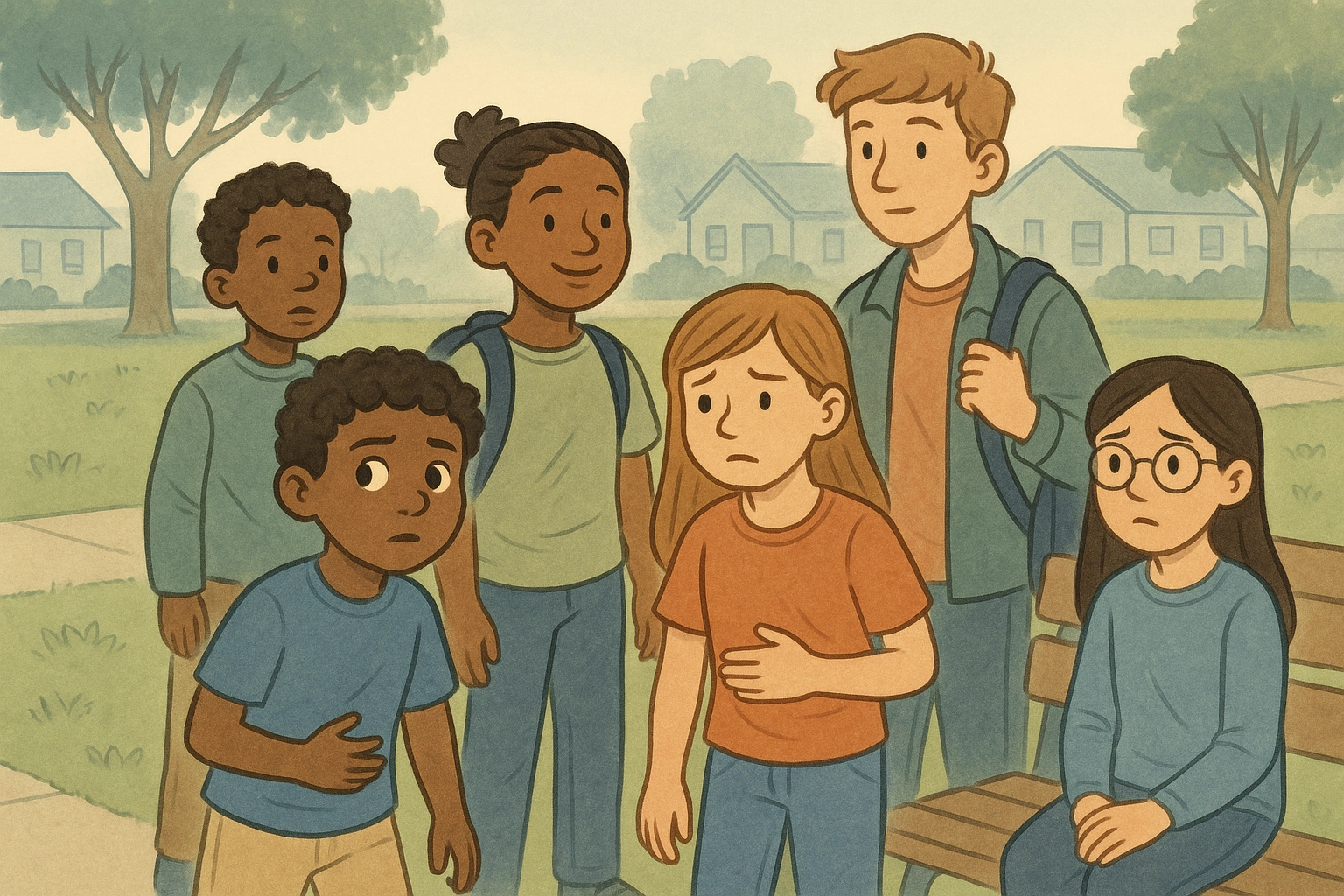
Think about it like having a smoke detector in your house. When it beeps, you don't ignore it and say, "Oh, that's probably nothing." You check it out! Your gut feelings work the same way. When they're trying to tell you something, it's worth listening.
Red Flags in Your Neighborhood
Sometimes unsafe spaces aren't about gut feelings at all, they have pretty obvious warning signs if you know what to look for. Teaching kids and teens to spot these signs is like giving them a safety treasure map.
Crime Clues to Watch For
Keep your eyes peeled for these neighborhood red flags:
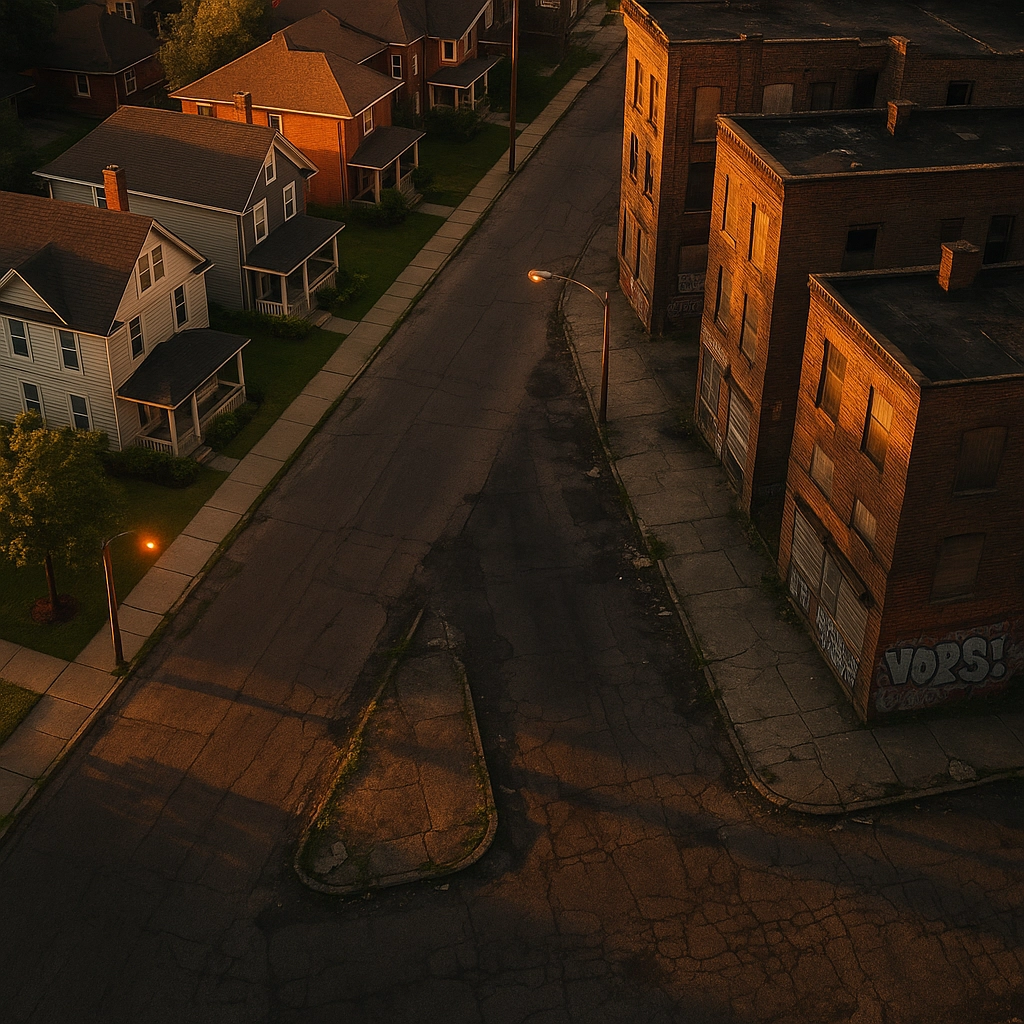
Graffiti overload: A little street art is one thing, but when you see thick tags covering everything, gang symbols, or graffiti on schools and bus stops, that's a sign that area might have some serious issues going on.
Broken and abandoned: Lots of boarded-up houses, broken windows, and buildings that look like nobody's taken care of them in years? That's often a sign of economic trouble, and abandoned buildings can become hangout spots for dangerous activities.
Infrastructure nightmares: Potholes everywhere, broken streetlights, cracked sidewalks, and missing street signs tell you the city isn't investing much in keeping that area safe and maintained.
The "Ghost Town" Effect
When you're walking through a neighborhood and it feels like a ghost town during times when people should be out and about, pay attention. Healthy, safe neighborhoods usually have signs of life, kids playing, people walking dogs, families coming and going. If everywhere feels eerily empty, there might be a reason locals are staying indoors.
Public Space Safety Radar
Even in places that should be safe, like schools, malls, or community centers, certain spots can be riskier than others. Here's what to watch for:
High-Risk Zones
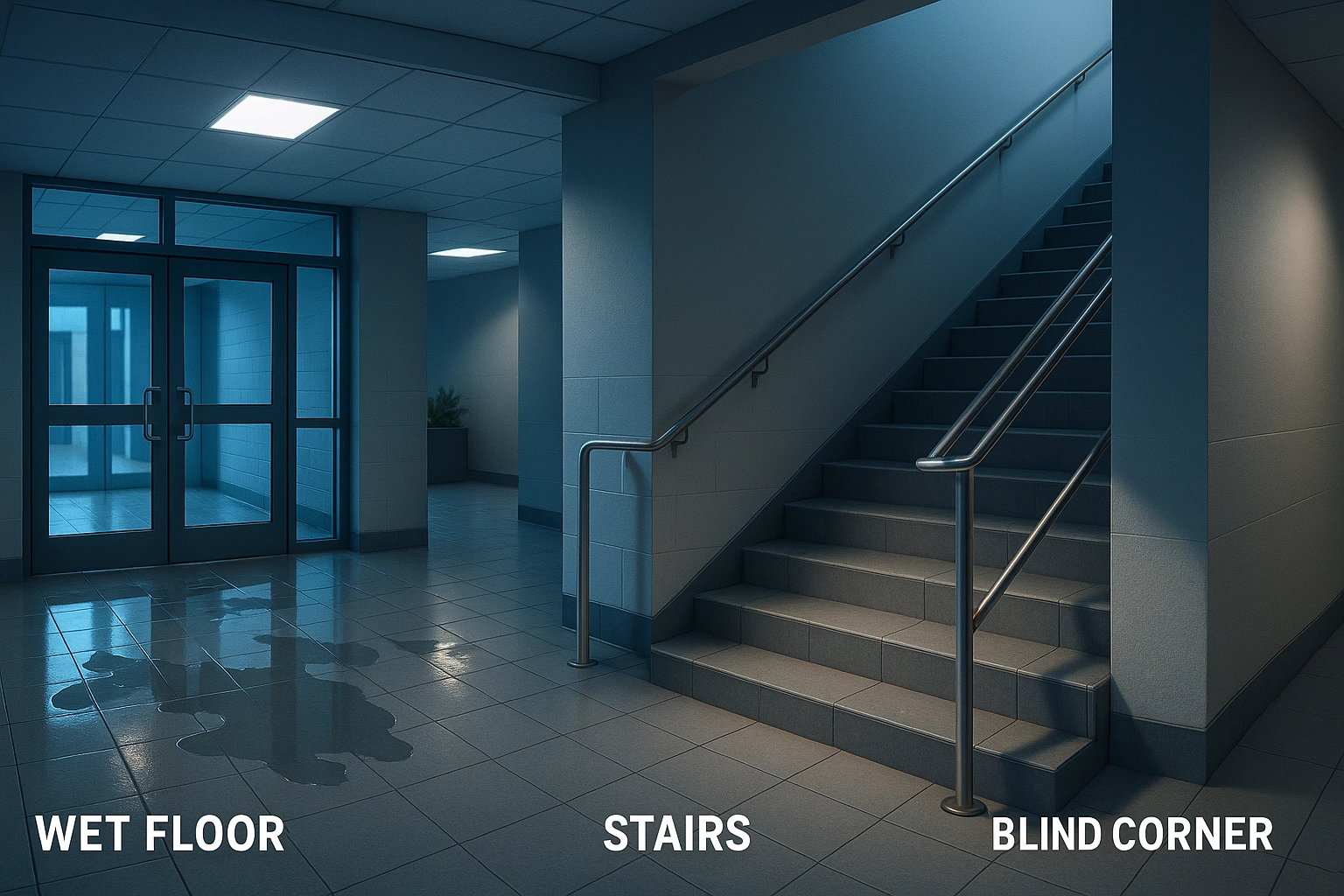
Entranceways: These are slip-and-fall hotspots! People track in water, mud, and snow, making floors super slippery. Always watch your step and take your time.
Stairwells: Whether you're at school or the mall, stairs can be tricky. Look out for loose handrails, torn carpet, or anything that could trip you up. And always use the handrail, your balance will thank you!
Blind corners: Any place where you can't see what's coming around the corner deserves extra caution. This could be hallway corners, parking garage turns, or even playground areas with tall equipment blocking your view.
Reading the Room (And the People)
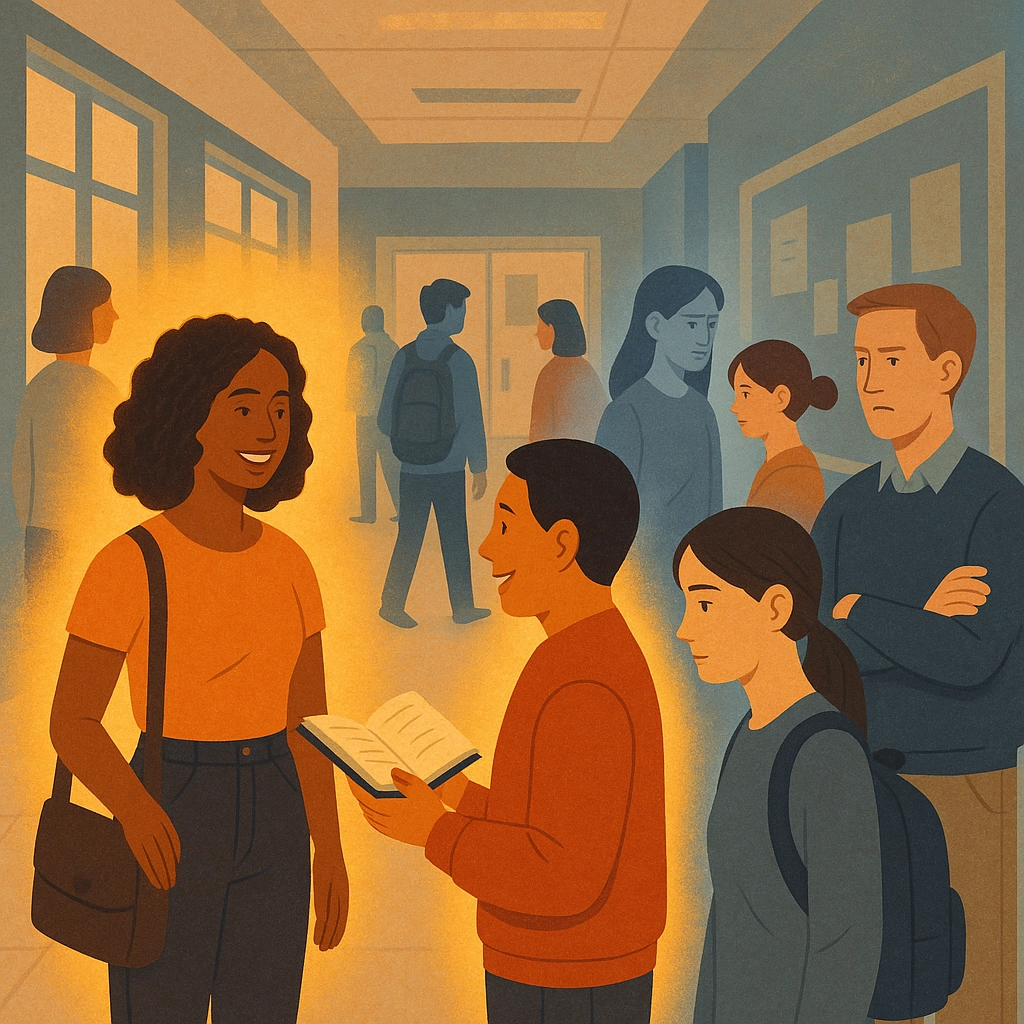
Sometimes the space itself looks fine, but the people in it are giving off weird vibes. Learning to read these social cues is super important for staying safe.
Energy Check
Have you ever met someone and immediately felt uncomfortable, even though they seemed perfectly nice? Trust that feeling! About 29% of people regularly deal with stress from toxic people in their lives, which shows how common it is to encounter folks who just don't feel right.
Here are some people-related warning signs:
- Someone who makes you feel anxious or doubt yourself
- Adults who seem overly interested in being alone with kids
- Groups of people who stop talking when you walk by
- Anyone who makes you feel like you need to be constantly on guard
The Grocery Store Test
Here's a real-world example: You're at the store with your family, and you notice the same person appearing in every aisle you visit. They don't have a cart, basket, or any groceries, and they seem to be following your family around. That creepy feeling you get? That's your gut telling you something's not right, and you should definitely tell a trusted adult immediately.
When Your Spidey Sense Tingles
So what do you do when your gut starts sending warning signals? Here's your action plan:
Listen to Your Body
Physical reactions are your body's way of protecting you. Don't ignore:
- Butterflies or knots in your stomach
- Rapid heartbeat
- Sweaty palms
- Hair standing up on your arms
- Feeling suddenly alert or "on edge"
Trust, Don't Dismiss
Kids and teens are often taught to be polite and not hurt people's feelings, but your safety comes first. If someone or somewhere makes you uncomfortable, you don't owe anyone an explanation. It's okay to:
- Leave a situation that feels wrong
- Say no to invitations that make you uneasy
- Ask for help when you need it
- Trust your instincts over being "nice"
The Family Safety Team Approach
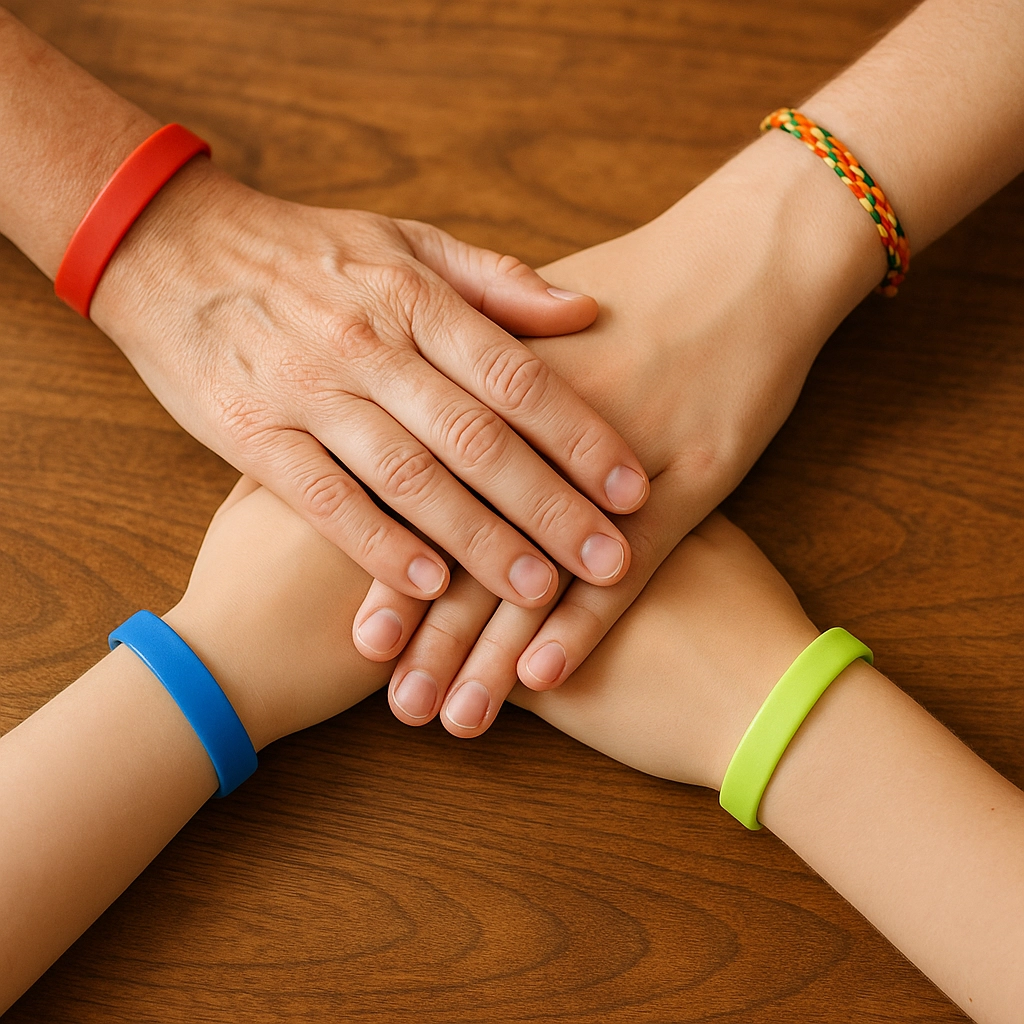
The best part about developing your safety radar is that it works best when your whole family is on the same team. Parents can teach kids what warning signs to look for, while kids can help adults notice things they might have missed.
Creating Your Family Code
Consider developing a family code word or signal for when someone feels unsafe. This way, if you're out together and someone gets a bad feeling, they can communicate it quickly without making a scene or potentially escalating a situation.
Practice Makes Perfect
Like any skill, recognizing unsafe spaces gets easier with practice. Make it a family game: when you're out together, take turns pointing out what makes different spaces feel safe or unsafe. Is it good lighting? Plenty of people around? Well-maintained buildings? Clean, unbroken windows?
Building Confidence Through Awareness
The goal isn't to make you scared of everywhere you go: it's to make you a confident, aware person who can navigate the world safely. When you know what to look for and trust your instincts, you're not living in fear; you're living smart.
Remember, most places and people are perfectly safe. But having these skills means you'll be prepared for the occasional situation that isn't. It's like wearing a seatbelt: you're not expecting to crash, but you're smart enough to be prepared just in case.
Your gut feelings, combined with your ability to spot physical warning signs, create a powerful safety toolkit. The more you practice using these skills, the more natural they become. And who knows? You might even help keep your friends and family safer too by sharing what you've learned.
The bottom line? Your instincts exist for a reason. When something feels off, it probably is. Trust yourself, stay aware, and remember: it's always better to be safe than sorry. Your safety radar is one of the coolest superpowers you have, so don't be afraid to use it!


Comments
Post a Comment