Safe Sleep: Help in Preventing SIDS and Creating a Calm Sleep Space
Safe Sleep: Help in Preventing SIDS and Creating a Calm Sleep Space
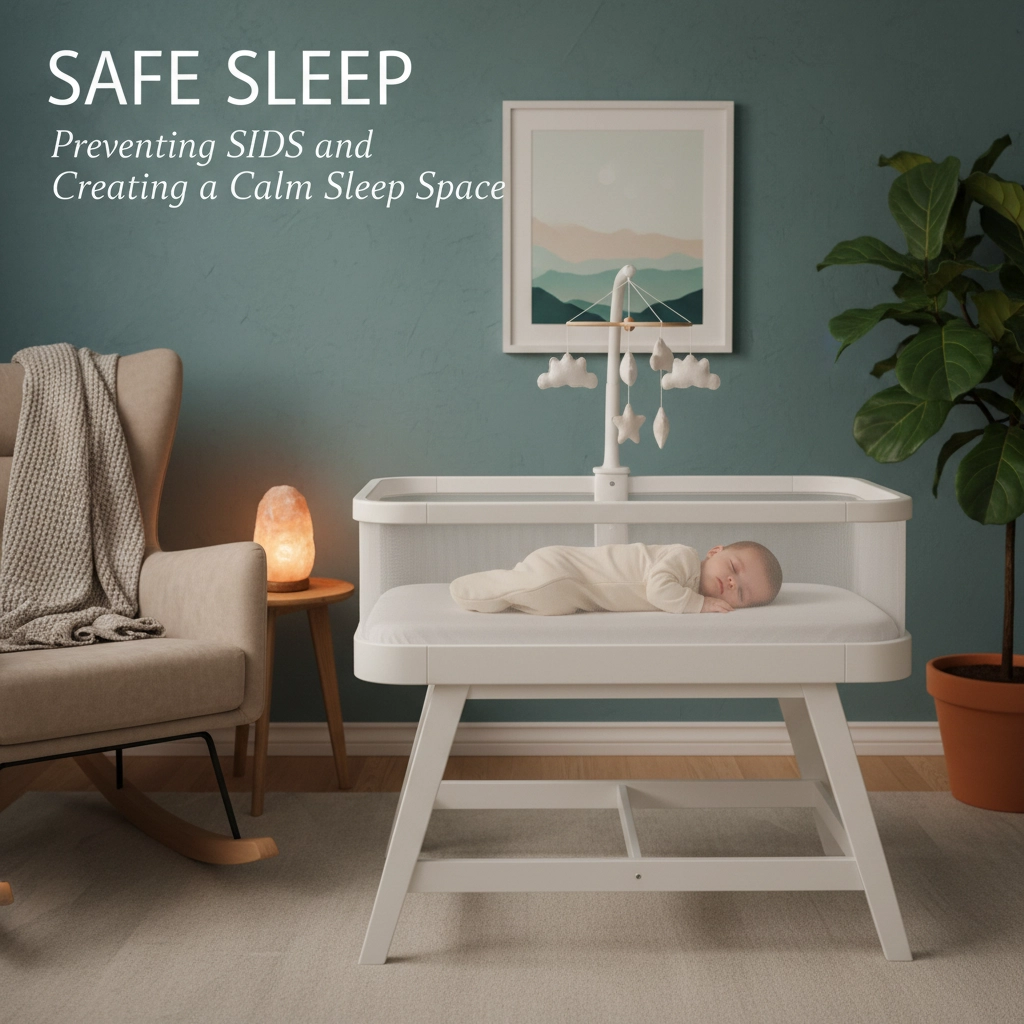
When you welcome a new baby into your family, creating a safe sleep environment becomes one of your most important jobs. While it might seem overwhelming at first, following proven safe sleep guidelines can significantly reduce the risk of Sudden Infant Death Syndrome (SIDS) and help your little one get the peaceful rest they need to grow and thrive.
SIDS affects about 1 in 1,000 babies, typically between 1-4 months old, though it can happen anytime during the first year. The good news? We know so much more about preventing it now than we did decades ago. Simple changes to how and where your baby sleeps can make all the difference.
The ABCs of Safe Sleep
Think of safe sleep as easy as A-B-C: Alone, on their Back, in a Crib. These three simple rules form the foundation of every safe sleep environment.
Always place your baby on their back for every sleep time – naps, nighttime, even those quick dozes during the day. This position keeps their airway clear and reduces the risk of SIDS by as much as 50%. Some parents worry their baby might choke while sleeping on their back, but healthy babies actually have reflexes that help them clear their airway naturally.
Once your baby can roll both ways (usually around 4-6 months), they might flip during sleep. That's totally normal! You don't need to keep repositioning them throughout the night. Just always start them on their back.
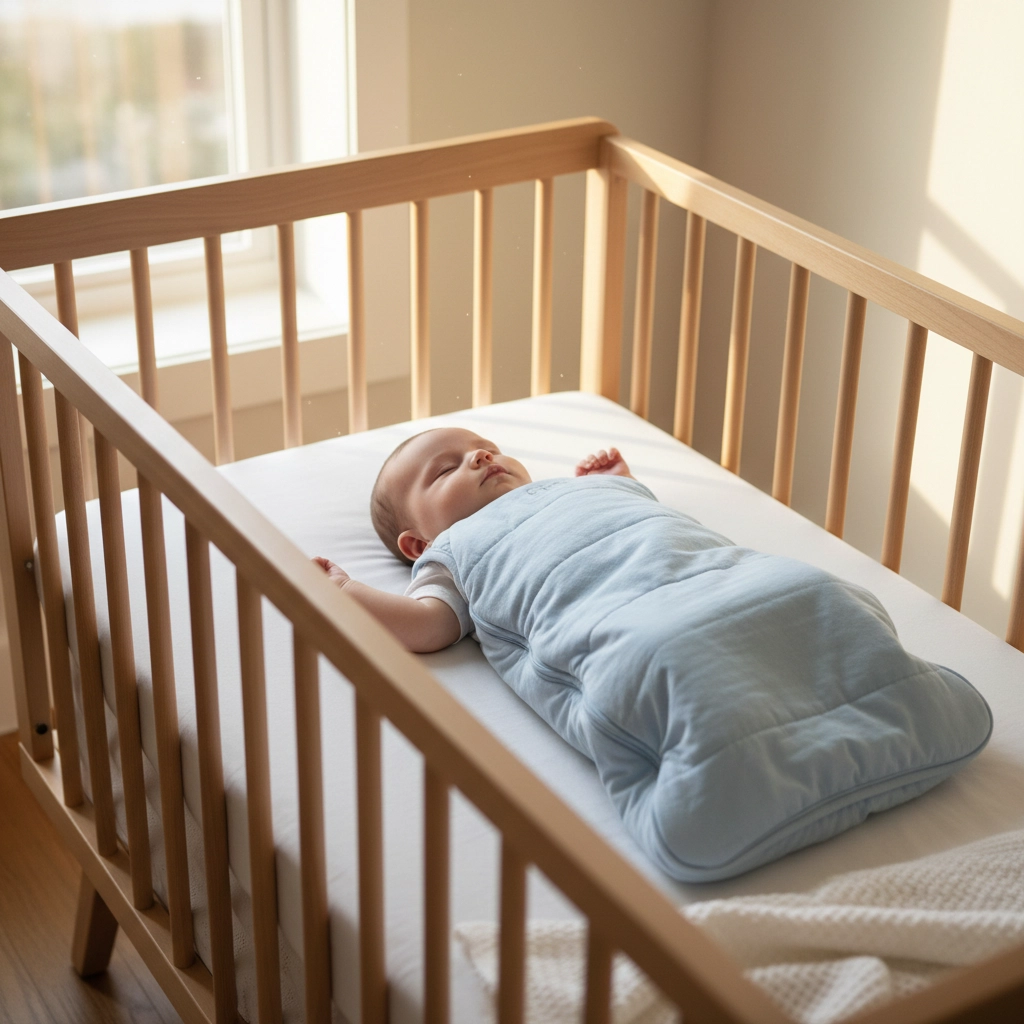
Use a firm, flat sleep surface every single time. Your baby's crib, bassinet, or play yard should have a firm mattress covered with a tight-fitting sheet – and that's it. Soft surfaces like adult beds, sofas, or cushioned chairs might seem cozy, but they can actually create dangerous breathing situations for babies.
Setting Up the Perfect Sleep Space
Creating a calm, safe sleep environment is like building a protective cocoon for your baby. The key is keeping things simple and bare.
Keep the crib completely empty except for your baby and their fitted sheet. This means no blankets, pillows, stuffed animals, bumper pads, or positioning devices. These items might look cute and comforting, but they can become breathing hazards during sleep.
Instead of blankets, dress your baby in sleep sacks or wearable blankets. These keep them cozy without the risks that come with loose bedding. Choose lightweight, breathable fabrics and dress your baby in light sleep clothing underneath.
Temperature matters more than you might think. Keep your baby's room between 68-72°F. Overheating is a known SIDS risk factor, so resist the urge to bundle your little one up too much. A good rule of thumb: dress them in one more layer than you'd wear to be comfortable in the same room.
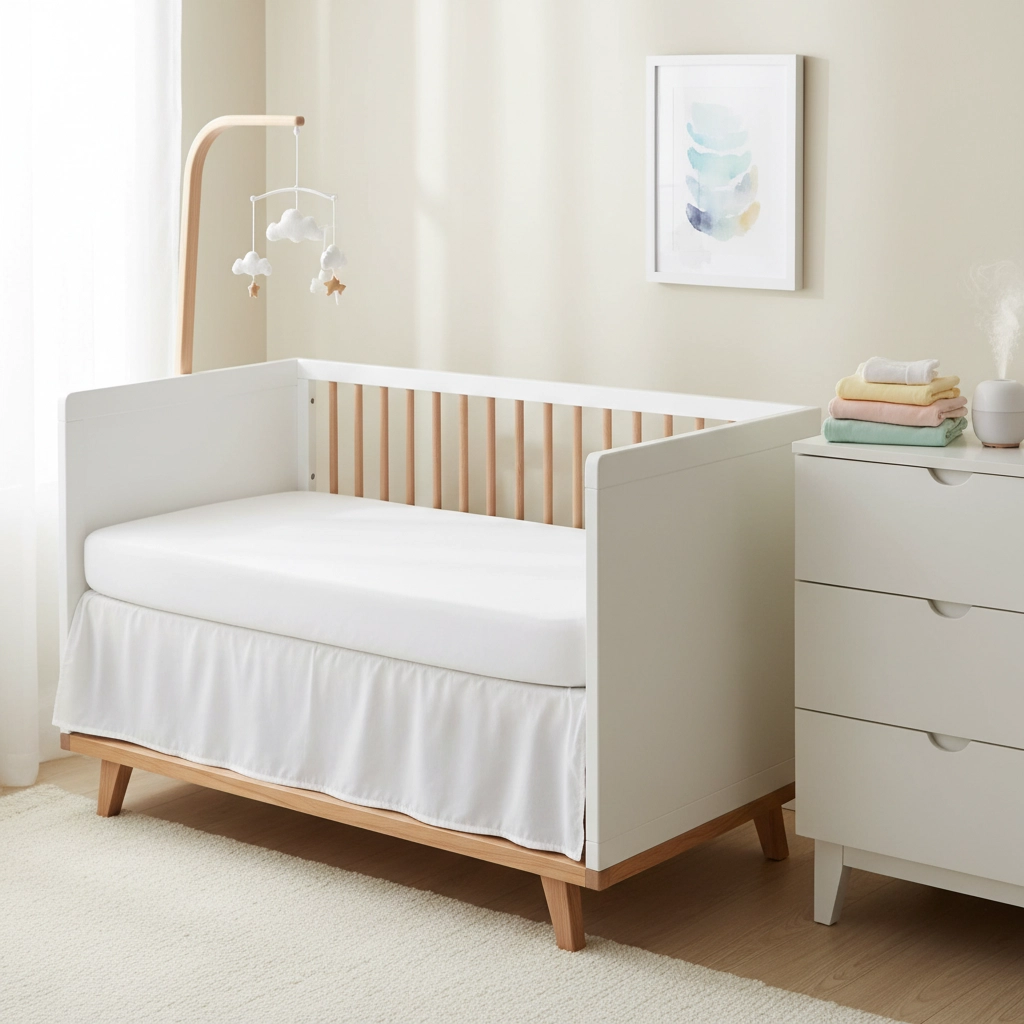
Good airflow helps everyone sleep better. Running a ceiling fan or ensuring gentle air circulation in the room can actually help reduce SIDS risk. The moving air helps prevent carbon dioxide from building up around your baby's face.
Extra Protection Tips That Make a Difference
Beyond the basic sleep setup, several other practices can boost your baby's safety and help them develop healthy sleep patterns.
Breastfeeding provides incredible protection. If you're able to breastfeed, even partially, for at least six months, you're giving your baby natural defenses against SIDS. Don't stress if breastfeeding doesn't work out – formula-fed babies can be just as safe with proper sleep practices.
Pacifiers at sleep time can be surprisingly helpful. Offer a pacifier when putting your baby down for naps and bedtime (but don't worry about putting it back if it falls out during sleep). If you're breastfeeding, wait until nursing is well-established – usually around 3-4 weeks – before introducing a pacifier.
Keep up with regular checkups and vaccinations. There's strong evidence that babies who receive their recommended immunizations have a lower risk of SIDS. Plus, regular pediatric visits help catch any concerns early.
Room Sharing: The Sweet Spot of Safety
Here's where many families get confused: room sharing is great, bed sharing is not. The American Academy of Pediatrics recommends that babies sleep in their parents' room for at least the first six months, ideally the whole first year. This arrangement can cut SIDS risk by up to 50% because you're nearby to respond quickly if needed.
But – and this is crucial – your baby should sleep in their own separate space within your room. A crib, bassinet, or bedside sleeper gives you the benefits of being close while maintaining a safe sleep environment.
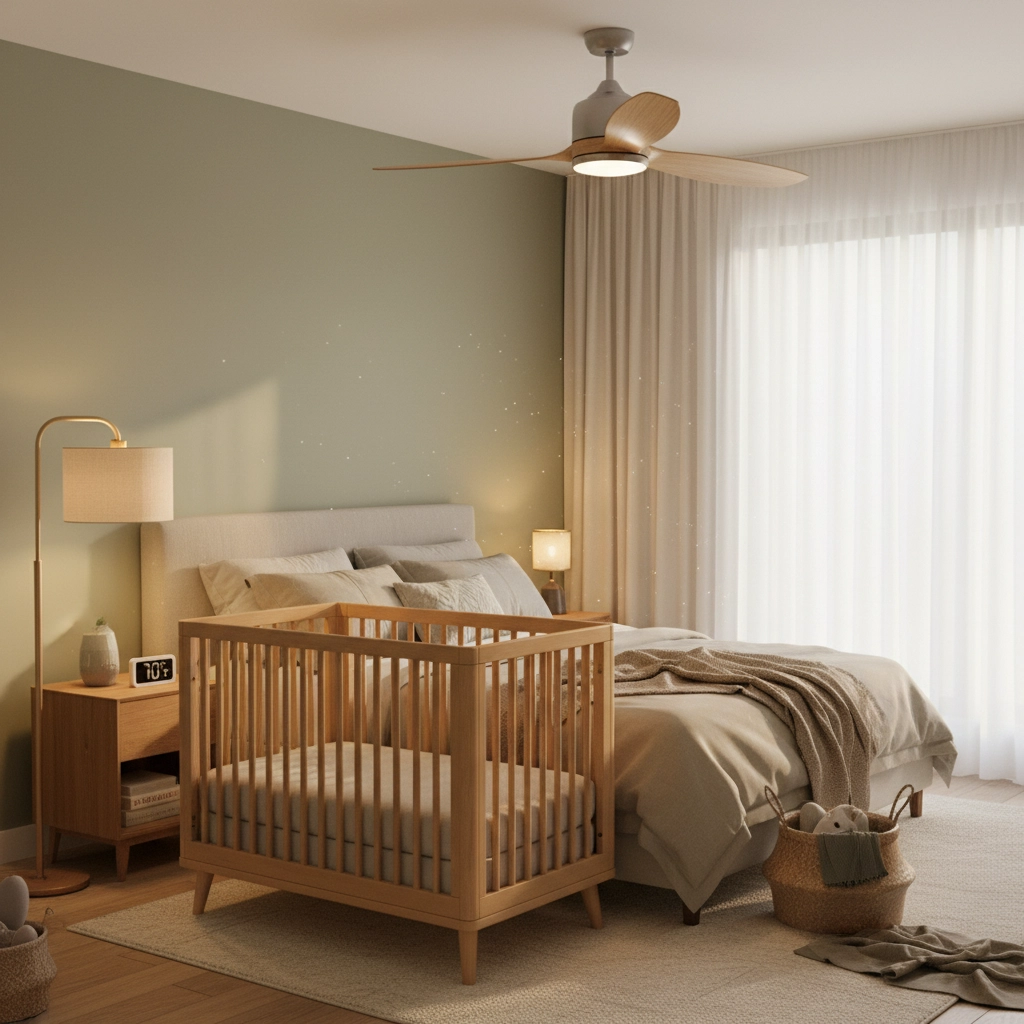
Adult beds simply aren't designed for baby safety. Soft mattresses, gaps between the mattress and headboard, and the risk of accidental rolling or covering create serious hazards for infants.
What to Avoid for Better Sleep Safety
Some things that might seem helpful or harmless can actually increase risks. Commercial devices that claim to prevent SIDS – like breathing monitors, wedges, or positioning products – aren't recommended by pediatric safety experts. They haven't been proven to prevent SIDS and might create a false sense of security.
Weighted blankets or sleep products designed for adults aren't safe for babies under one year. These items can restrict breathing or movement.
Smoke exposure dramatically increases SIDS risk, so keep your baby's environment completely smoke-free. This includes avoiding smoking during pregnancy and ensuring no one smokes around your baby after birth.
Making Safe Sleep Work for Your Family
Every family's situation is different, and that's okay. The key is adapting these safety guidelines to fit your life while never compromising on the core principles.
If you're using childcare, make sure every caregiver knows and follows the same safe sleep rules. Print out a simple reminder card with your baby's sleep routine and safety requirements. Consistency across all caregivers keeps your baby safest.
For families dealing with reflux or other medical concerns, work closely with your pediatrician to modify safe sleep practices appropriately. Never make changes to your baby's sleep setup without professional medical guidance.
Trust your instincts, but rely on evidence. If something feels wrong or unsafe, it probably is. At the same time, don't let anxiety override proven safety practices. The guidelines exist because they work – thousands of families have used them successfully.
Creating a safe sleep environment isn't about perfection; it's about consistency and care. Every time you place your baby on their back in their own safe sleep space, you're giving them the best chance for healthy, peaceful rest. And when your baby sleeps safely, your whole family sleeps better too.
Remember, safe sleep practices are temporary. Before you know it, your baby will be old enough to sleep with a blanket and stuffed animals. But during that crucial first year, these simple steps provide the foundation for a lifetime of good sleep habits and, most importantly, keep your precious little one safe through every nap and every night.


Comments
Post a Comment