Safe Sleepover Planning: A Checklist for Kids, Teens, and Parents
Safe Sleepover Planning: A Checklist for Kids, Teens, and Parents
Sleepovers are one of childhood's most exciting adventures, but they can also make parents lose sleep (pun intended!). Whether your little one is heading to their first sleepover at age 7 or your teenager is planning a weekend gathering, having the right safety plan makes all the difference between a fun memory and a stressful situation.
The good news? With some simple preparation and clear communication, sleepovers can be both safe and incredibly fun. Let's walk through everything you need to know to make sleepover planning stress-free for everyone involved.
Is Your Child Ready? The Readiness Reality Check
Before diving into logistics, let's talk about readiness, because not every child is ready at the same age, and that's perfectly okay.
Signs your child might be ready:
- They've successfully stayed overnight with grandparents or close family without major meltdowns
- They can get ready for bed independently (brushing teeth, putting on pajamas, etc.)
- They sleep through the night most of the time without nightmares or frequent wake-ups
- They know their friend well and get along during regular playdates
- They can ask adults for help when they need it
- Most importantly, they can say "no" or "stop" when something feels uncomfortable
Red flags that suggest waiting:
- Your child has never spent a night away from home
- They're going through a particularly anxious phase
- They don't know the host family well
- They're not comfortable speaking up for themselves yet
Remember, there's no magic age for sleepovers. Some kids are ready at 6, others at 10. Trust your instincts and your child's comfort level.
The Host Family Safety Check: Questions That Matter
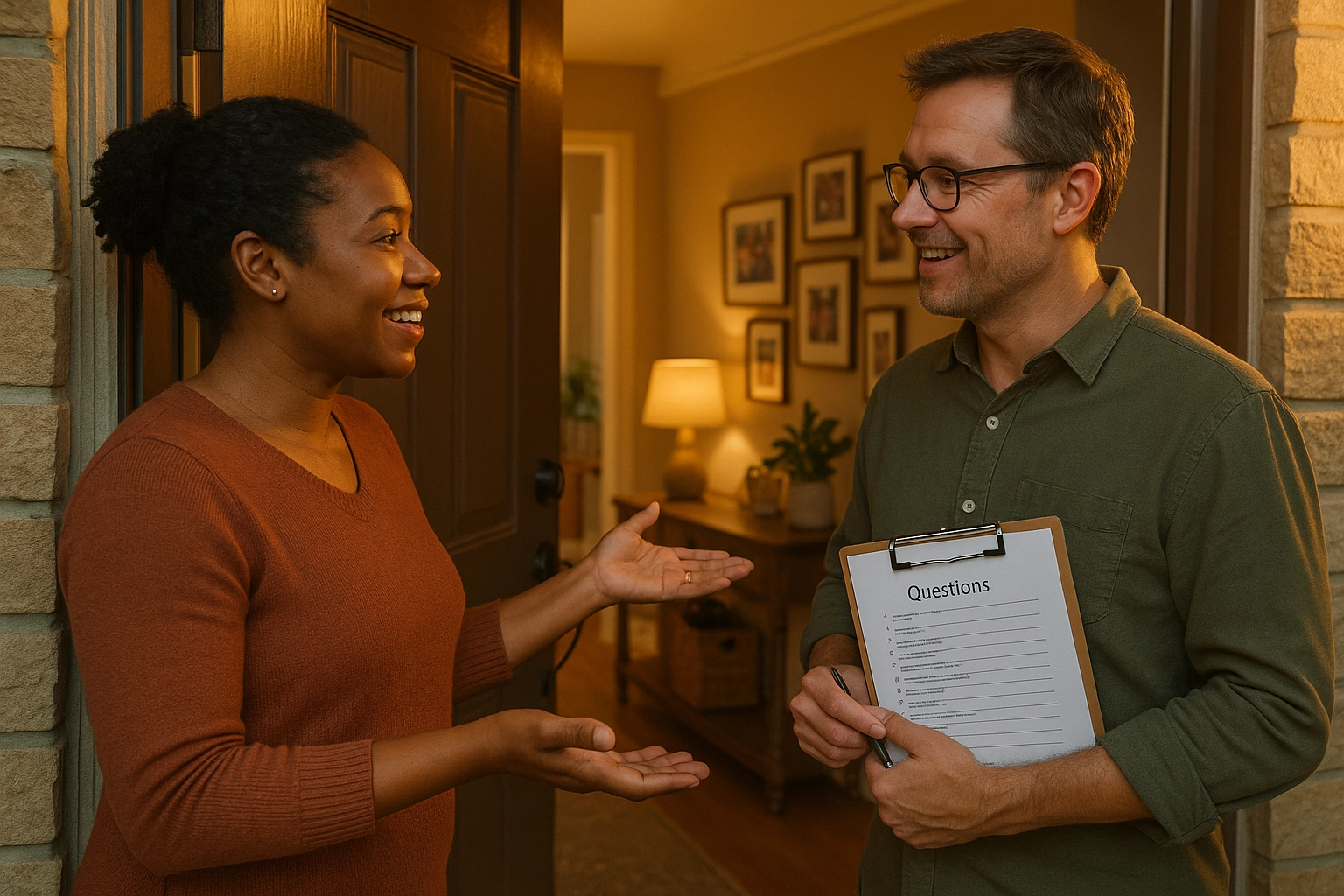
This part might feel awkward, but asking the right questions protects everyone. Most understanding parents will appreciate your thoroughness.
Essential questions to ask:
- Will a trusted adult be present all night? (Get specific, parents, older sibling, babysitter?)
- Who else lives in the home or might be staying over?
- Are there any guns in the house? (If yes, how are they stored?)
- What are your house rules about screen time, bedtime, and appropriate content?
- Do you have similar values regarding alcohol, drugs, and media?
- Where will the kids be sleeping? (Bedrooms, living room, basement, backyard tent?)
- How many other children will be there?
- Do you have any pets? (Important for allergies and comfort levels)
For your peace of mind, also ask:
- Have you hosted sleepovers before?
- What's your typical sleepover routine?
- What time do you usually have kids go to sleep?
- How do you handle homesickness or issues that come up?
Don't worry about seeming overprotective. Good parents will understand and may even appreciate your thoroughness: it shows you care about creating a safe environment for all the kids.
The Ultimate Sleepover Packing List
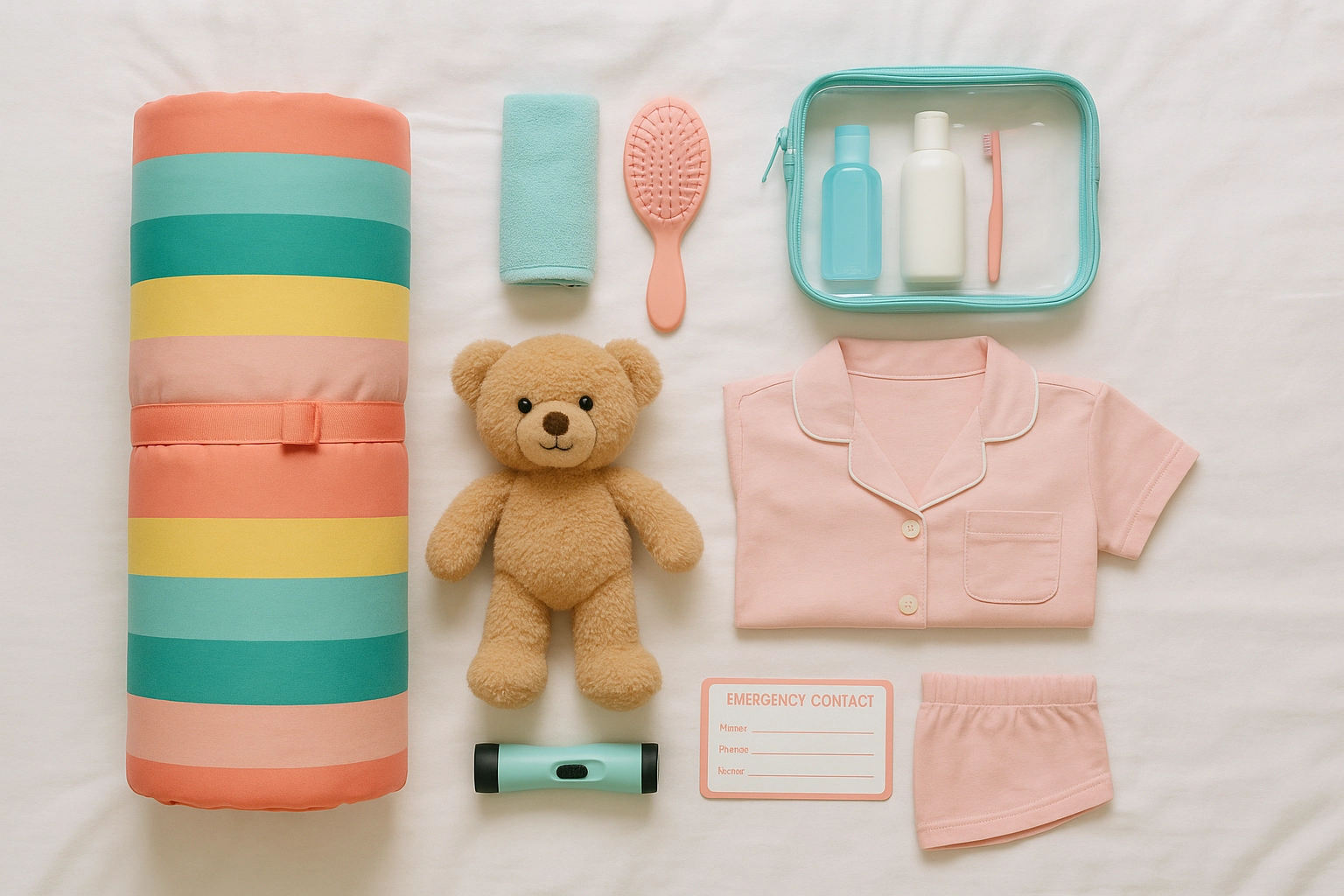
Getting the packing right can make or break the experience. Here's what you need, organized by category:
Sleep & Comfort Essentials:
- Pajamas and underwear
- Comfortable clothes for the next day
- Pillow and pillowcase (in a distinctive pillowcase they'll recognize)
- Sleeping bag or extra blanket
- Comfort item (stuffed animal, small blanket, etc.): even teens might want something familiar
Personal Care Items:
- Toothbrush and toothpaste
- Any daily medications with clear instructions
- Hair brush or comb
- Glasses/contacts and cleaning supplies if needed
- Personal hygiene items appropriate for age
Safety & Communication:
- Emergency contact card with your number and one backup
- Any allergy medications (with clear instructions for adults)
- Small flashlight or phone with flashlight
- Phone charger if they have a phone
Optional Fun Extras:
- A special snack to share (check for allergies first!)
- A favorite game or activity
- Camera for memories (with parent permission)
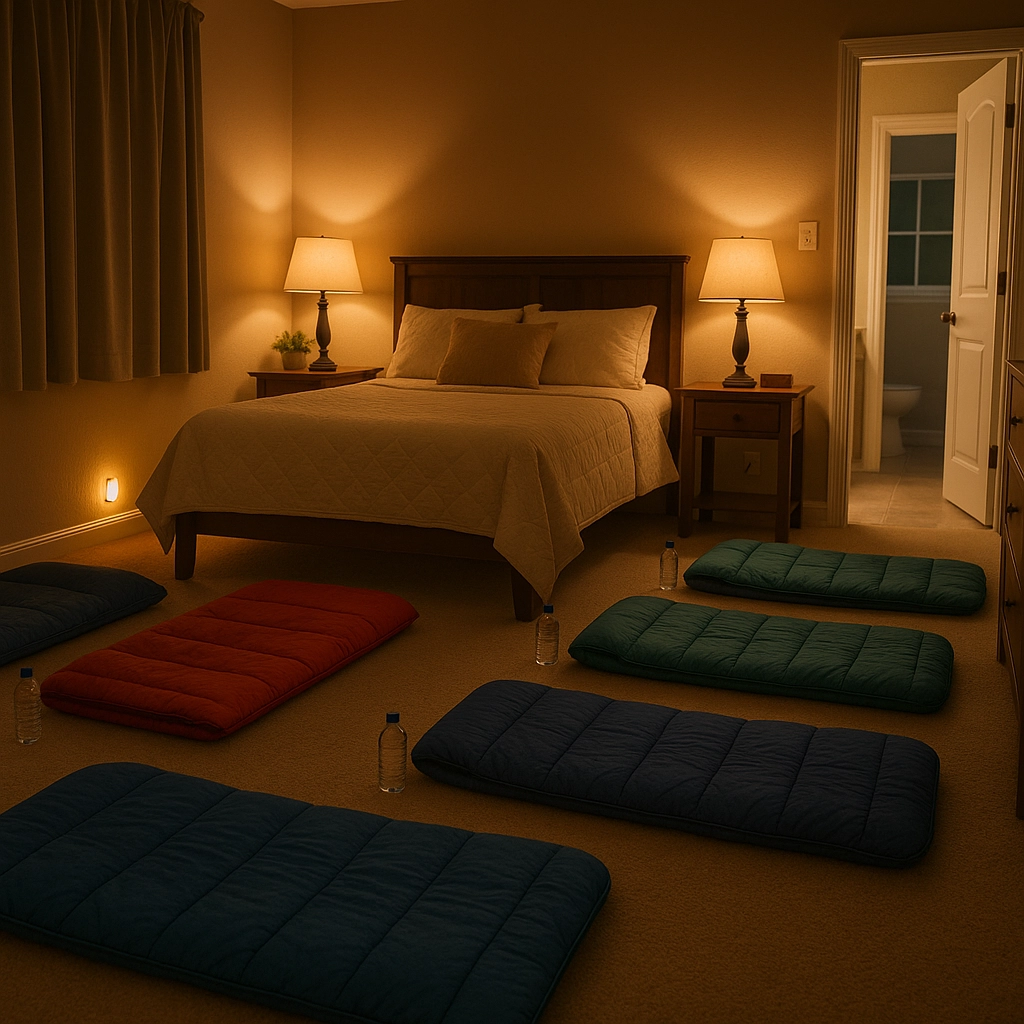
Setting Up Safe Sleep Spaces
Whether you're hosting or sending your child elsewhere, the sleeping arrangement matters more than you might think.
For hosts, create safe sleep spaces by:
- Ensuring everyone has their own sleeping area (no sharing beds unless they're siblings)
- Removing any sharp objects or potential hazards from the sleep area
- Making sure there's adequate lighting and easy bathroom access
- Keeping the sleeping area at a comfortable temperature
- Having a plan for kids who might get scared or homesick during the night
Questions to ask about sleep arrangements:
- Where exactly will your child be sleeping?
- Will they have privacy to change clothes?
- Is the sleeping area secure and comfortable?
- What's the bathroom situation? (Especially important for younger kids)
- Will there be adequate supervision without being intrusive?
Communication & Emergency Game Plans
This is where many families drop the ball, but it's crucial for everyone's peace of mind.
Before the sleepover:
- Give your child permission to call you anytime, for any reason, without getting in trouble
- Make sure they know they can ask to come home and you won't be upset
- Share your contact info and one backup emergency contact with host family
- Let the host family know where you'll be and how to reach you
- Discuss any special needs, fears, or medical concerns your child has
Establish clear check-in times:
- A quick call or text when they arrive
- Check-in before bedtime
- Morning pickup time and confirmation
Create code words:
- For younger kids, establish a code word they can use if they want to come home but feel embarrassed to say so directly
- For teens, discuss discreet ways they can signal they need help or want to leave
Age-Specific Safety Guidelines
Different ages need different approaches, but safety remains important at every stage.
Ages 6-9 (First-time sleepovers):
- Keep it simple with close family friends or relatives first
- Shorter "practice runs" like late evening pickups before trying full nights
- Pack extra comfort items
- Be prepared for possible midnight pickup calls
- Focus on basic safety rules and body safety
Ages 10-13 (Building independence):
- Discuss peer pressure and how to handle uncomfortable situations
- Talk about appropriate behavior and boundaries
- Introduce concepts of digital safety if devices are involved
- Emphasize the importance of speaking up for themselves and others
Ages 14+ (Teen gatherings):
- Have frank discussions about alcohol, drugs, and inappropriate behavior
- Discuss consent, boundaries, and personal safety
- Establish clear expectations about check-ins and curfews
- Trust but verify: it's okay to confirm adult supervision
Red Flags: When to Say No or Leave Early
Sometimes things don't go as planned. Here are situations that warrant immediate action:
Immediate pickup situations:
- No adult supervision when promised
- Inappropriate content being viewed or activities happening
- Your child calls scared, uncomfortable, or asking to come home
- Discovery of unsecured weapons, alcohol, or drugs accessible to kids
- Any form of bullying, exclusion, or inappropriate behavior
Trust your instincts:
- If something feels off during your initial conversation with host parents
- If your child seems anxious or reluctant (beyond normal nervousness)
- If you discover significant differences in values or safety standards
Remember: it's always better to be the "overprotective" parent than to regret not speaking up.
Making Sleepovers Fun AND Safe
Safety doesn't mean sacrificing fun: it actually makes activities more enjoyable because everyone feels secure.
Safe activity ideas:
- Movie marathons with age-appropriate films
- Board games and card games
- Craft projects or DIY activities
- Outdoor games (with proper supervision)
- Cooking or baking together (with adult help)
- Dance parties and karaoke
Creating positive experiences:
- Encourage inclusive activities that involve everyone
- Plan structured activities to avoid boredom and poor decision-making
- Have backup plans for different energy levels and interests
- Include quiet time for kids who might need breaks
The Bottom Line on Sleepover Safety
Sleepovers can be wonderful bonding experiences that help kids build independence, strengthen friendships, and create lasting memories. The key is finding the balance between being appropriately cautious and allowing your child to grow and have fun.
Start small, communicate openly, trust your instincts, and remember that every family has different comfort levels: and that's okay. Some families love hosting big sleepover parties, while others prefer smaller, quieter gatherings. Some kids are ready for sleepovers early, while others need more time.
The most important thing is ensuring that everyone: kids and parents: feels comfortable, safe, and respected throughout the process. When done right, sleepovers become those magical childhood memories that kids carry with them forever.
Safe sleepovers aren't just about following rules: they're about creating environments where kids can be kids while learning important life skills like communication, independence, and personal safety. And honestly? When you've got all your safety bases covered, everyone can actually relax and have more fun.
Sweet dreams, and happy sleepover planning!


Comments
Post a Comment