Safe Winter Hiking: Gear, Weather, and Emergency Tips for Families
Safe Winter Hiking: Gear, Weather, and Emergency Tips for Families
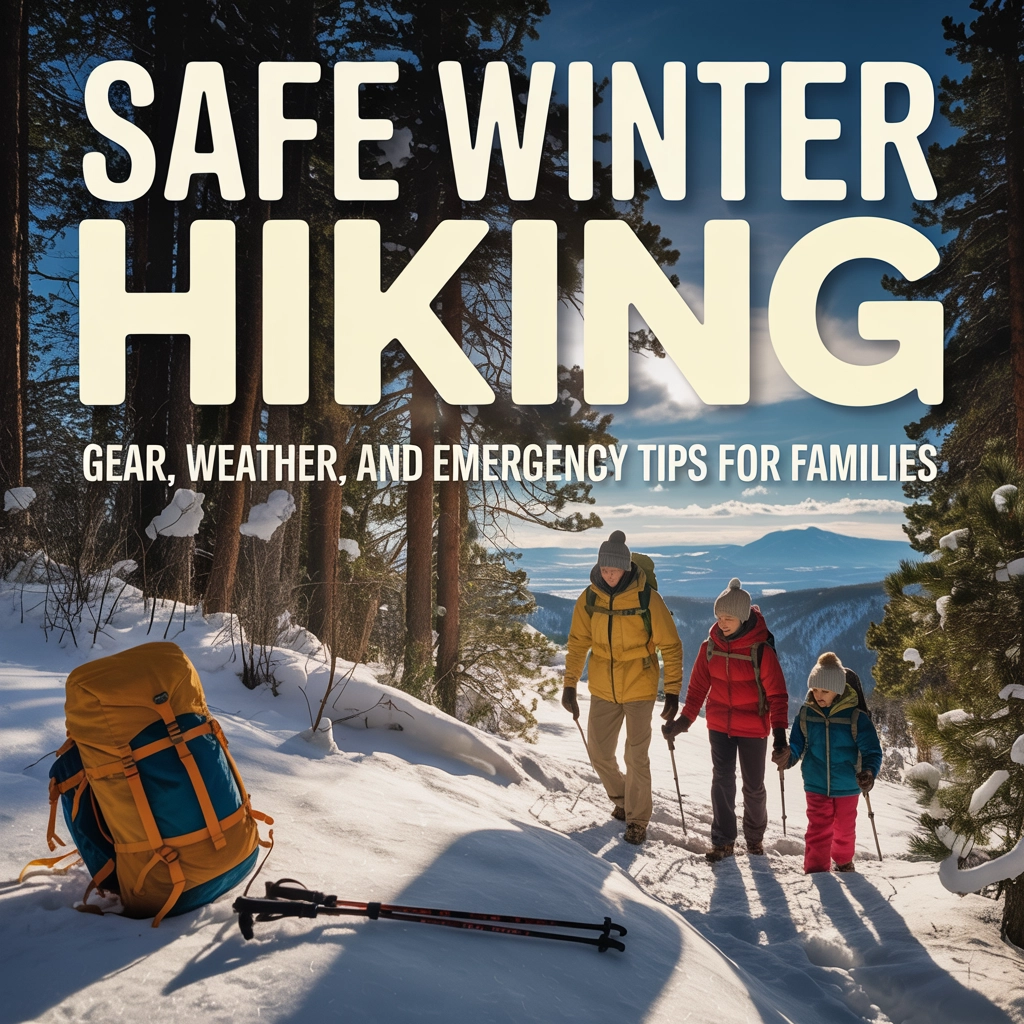
Winter hiking can be absolutely magical, think snow-covered trees, crisp mountain air, and that satisfying crunch under your boots. But here's the thing: winter doesn't mess around. One minute you're having a blast, and the next, you could be dealing with frostbite, hypothermia, or worse. Don't worry though! With the right prep, gear, and know-how, your family can safely enjoy winter's wonderland.
Before You Hit the Trail: Planning Like a Pro
Check That Weather (And Then Check Again)
Weather apps are your new best friend. But here's a pro tip: mountain weather changes faster than a toddler's mood. What looks like a sunny 35°F day at the base could be a freezing, windy nightmare at the summit. Always check multiple sources and have a backup plan.
Pick Your Trail Wisely
That summer hike that took you 2 hours? In winter, double it. Maybe triple it if you're breaking trail through fresh snow. Choose routes you know well, and always tell someone your exact plan, where you're going, when you'll be back, and what to do if you don't show up.
The Family Meeting
Get everyone together before you go. Kids need to understand winter hiking rules:
- Stay where parents can see you
- No running ahead (icy trails = ouch)
- Stop at every trail junction
- Speak up if you're cold, tired, or need a break
Gear Up: Your Winter Hiking Survival Kit
Layer Like an Onion (But Way Cooler)
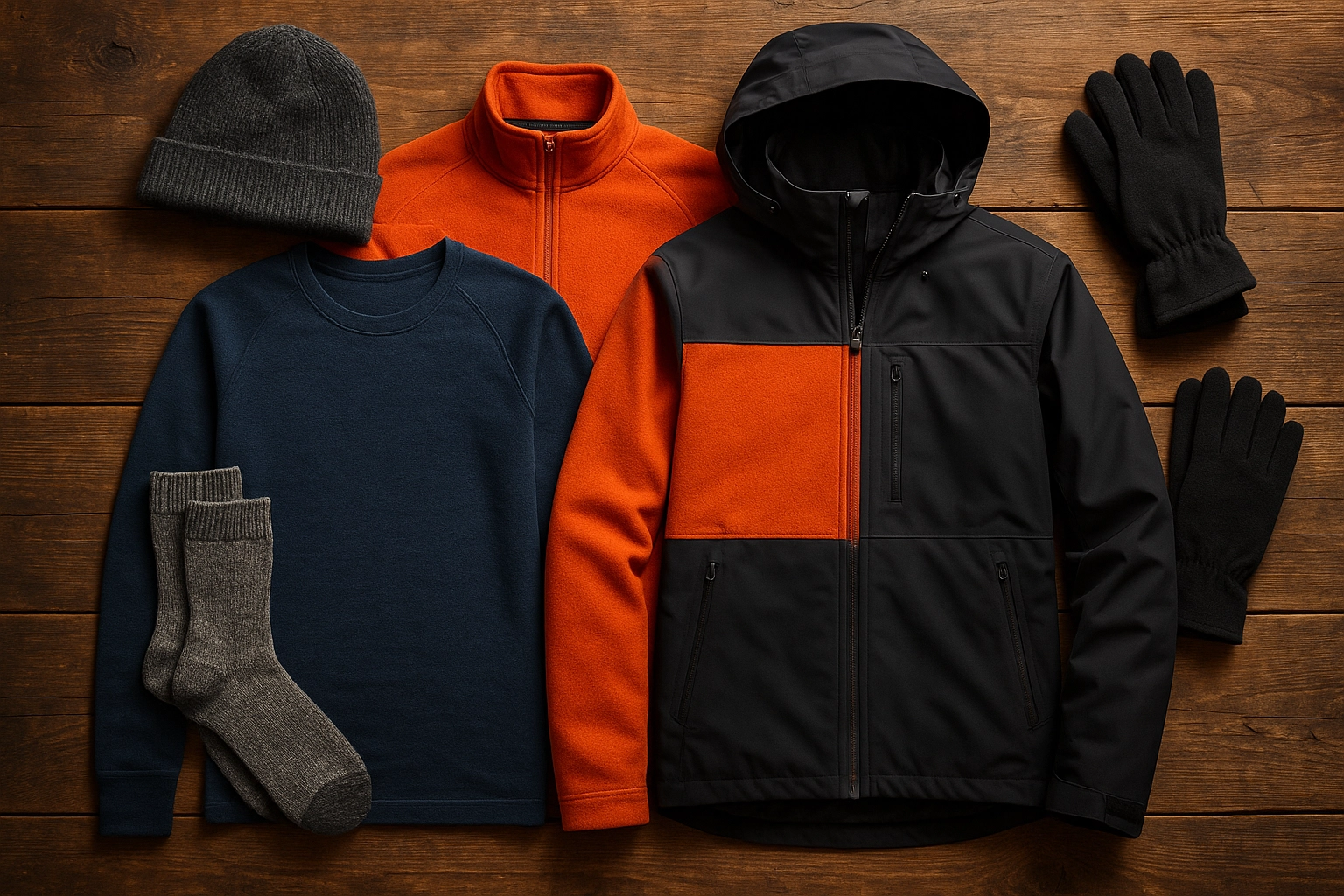
Forget that bulky winter coat. Layering is where it's at:
- Base layer: Moisture-wicking synthetic or merino wool (cotton kills in winter!)
- Insulation layer: Fleece or down jacket
- Shell layer: Waterproof, breathable jacket and pants
Kids get cold faster than adults, so pack extra layers for them. And here's a parent hack: bring backup mittens. Kids lose them faster than you lose your car keys.
Footwear That Won't Let You Down (Literally)
Your summer hiking boots won't cut it. You need:
- Waterproof, insulated boots
- Wool or synthetic socks (never cotton!)
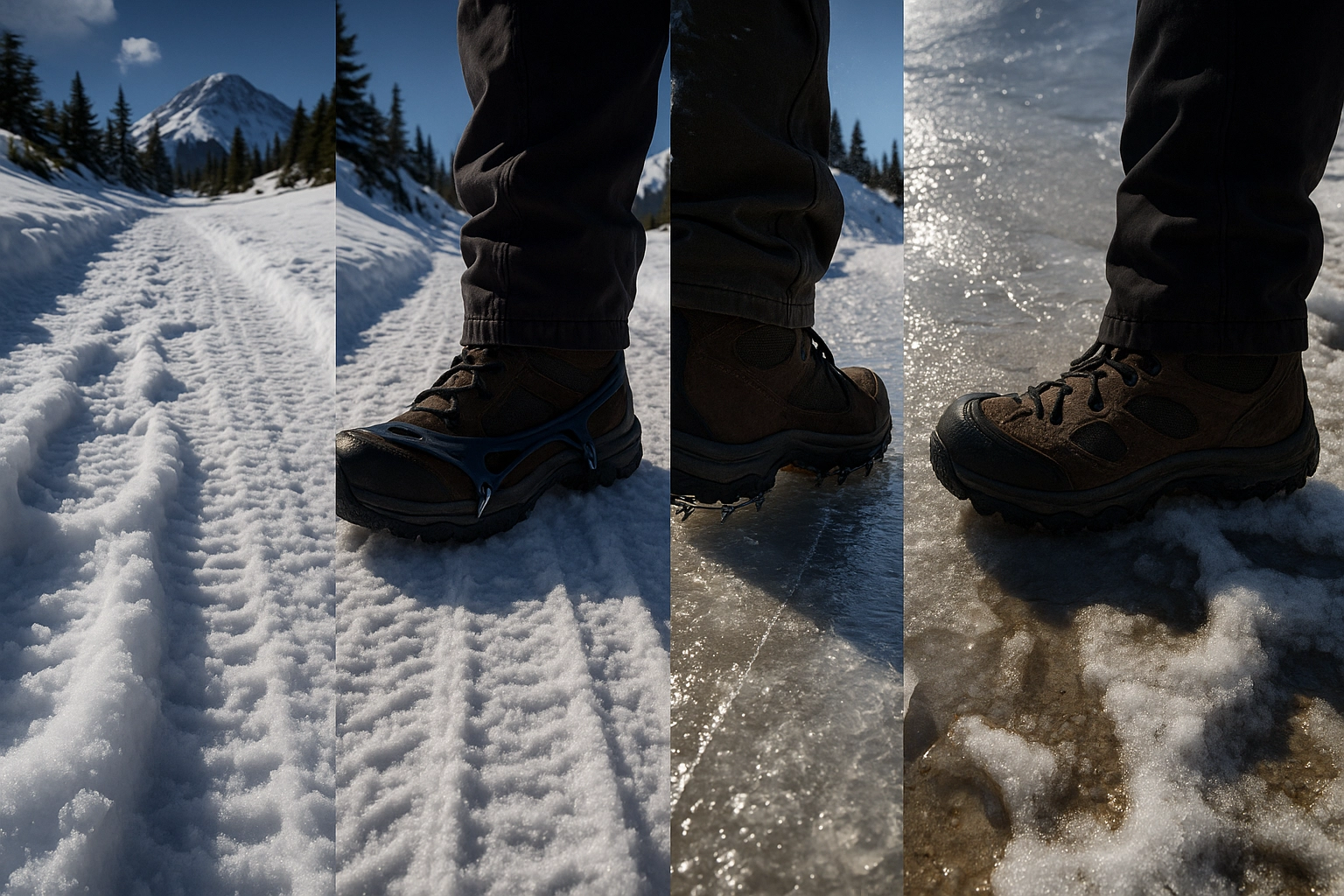
- Traction devices (microspikes, crampons, or snowshoes)
Pro tip: Put your traction devices on before you need them. That icy patch always appears when you least expect it.
The Essential Gear Checklist
□ Navigation: Map, compass, GPS device
□ Illumination: Headlamp plus backup (winter days are short!)
□ First aid kit: Include cold-weather specific items
□ Fire/warmth: Waterproof matches, hand warmers
□ Shelter: Emergency bivy or space blanket
□ Sun protection: Snow reflects UV rays, you can get a sunburn!
□ Tools: Multi-tool, duct tape for gear repairs
□ Hydration: Insulated bottles (water freezes fast)
□ Nutrition: High-energy snacks that won't freeze solid
□ Extra clothing: Always more than you think you need
Family-Specific Additions
□ Games/distractions: For when kids need motivation
□ Comfort items: Small stuffed animal or favorite snack
□ Emergency contact info: Written down (phones die in cold)
□ Whistle: Each family member gets one
□ Instant cocoa packets: Because nothing beats hot chocolate on a cold trail
Reading Winter's Mood: Weather Wisdom
Temperature Tells a Story
- Above 32°F and sunny: Soft, manageable snow conditions
- Below 32°F: Hard, icy, potentially dangerous conditions
- Around 32°F with wind: The danger zone, everything gets slippery
Snow Conditions 101
- Fresh powder: Fun but energy-draining
- Packed snow: Good for walking, but can hide ice
- Ice crust: Looks solid but might break through, test carefully
- Slush: Usually means it's too warm; conditions are changing fast
Emergency Action Plan: When Things Go Sideways
Hypothermia: The Silent Threat
Kids are especially vulnerable. Watch for:
- Uncontrollable shivering
- Confusion or slurred speech
- Clumsiness
- Drowsiness
Action steps: Get out of wind, add insulation, share body heat, give warm drinks (if conscious), and get to help immediately.
Lost in Winter
If your family gets lost:
- STOP – Don't panic or keep wandering
- Think – When did you last know your location?
- Observe – Look for familiar landmarks
- Plan – Should you backtrack or wait for help?
Use your whistle: Three sharp blasts is the universal distress signal.
Gear Failure Blues
Winter is tough on equipment. Common failures:
- Boot problems: Duct tape can temporary fix separated soles
- Broken traction device: Have backup spikes or turn around
- Frozen water: Carry bottles upside down, ice forms at bottom first
- Dead electronics: Cold kills batteries fast, keep devices warm


Comments
Post a Comment