Teach Teen Drivers: Safety First
Teach Teen Drivers: Safety First
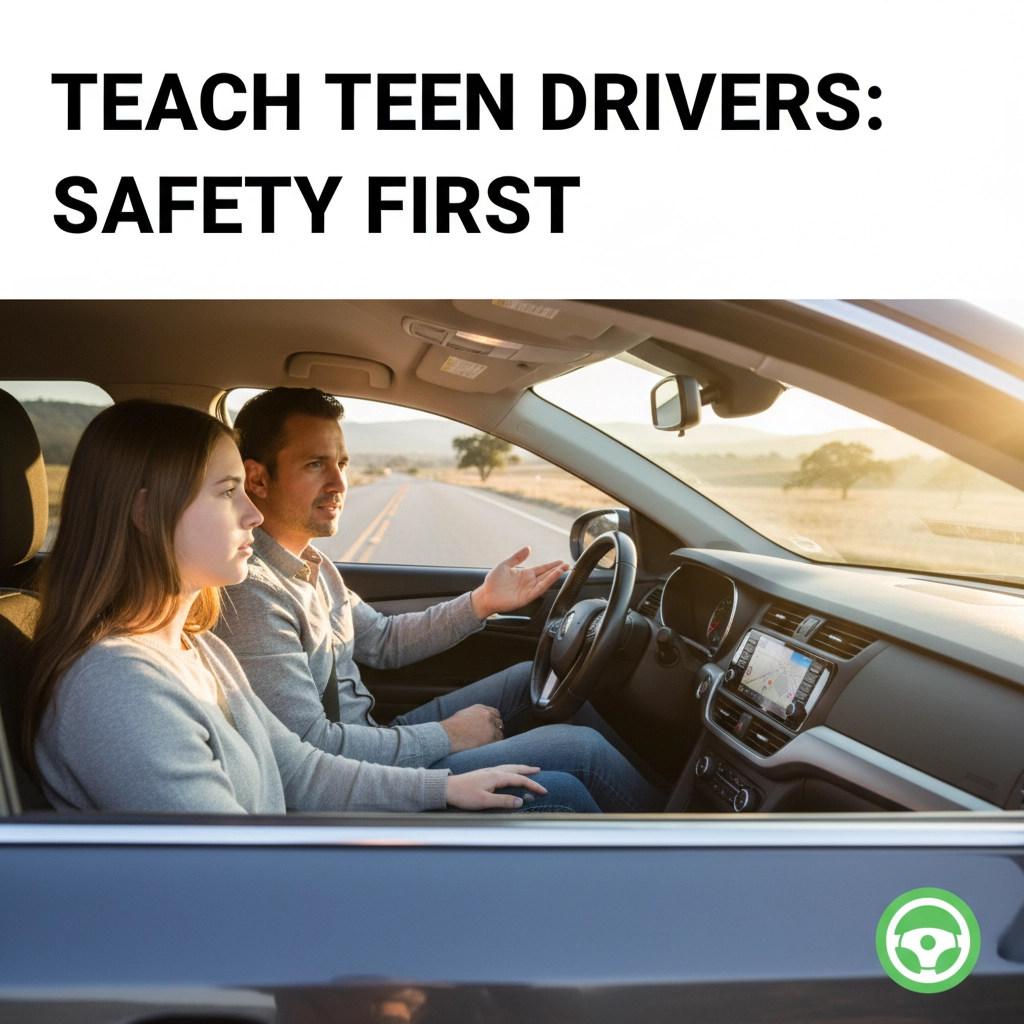
Getting your teen ready to drive is one of those parenting milestones that feels both exciting and terrifying. One day they're asking you to tie their shoes, and the next they're asking for the car keys! But here's the thing – teaching teen drivers doesn't have to be a white-knuckle experience if you approach it with the right mindset: safety first, always.
Teen drivers face some pretty sobering statistics. Car accidents are the leading cause of death among 15- to 20-year-olds, which is why we need to take driver education seriously. But don't worry – with the right approach, you can help your teen become a confident, safe driver who makes smart choices behind the wheel.
It All Starts With You
Before your teen even touches the steering wheel, they've been watching you drive for years. That's right – you've been their first driving instructor without even realizing it! Every time you check your phone at a red light, roll through a stop sign, or forget to signal, you're teaching them that these behaviors are acceptable.
The good news? You can use this to your advantage. Start modeling perfect driving behavior right now. Put that phone away completely when you're driving (not just when your teen is watching). Always buckle up before starting the car. Follow speed limits. Use your turn signals religiously. Your actions will speak louder than any lecture you could give.
Baby Steps in the Parking Lot
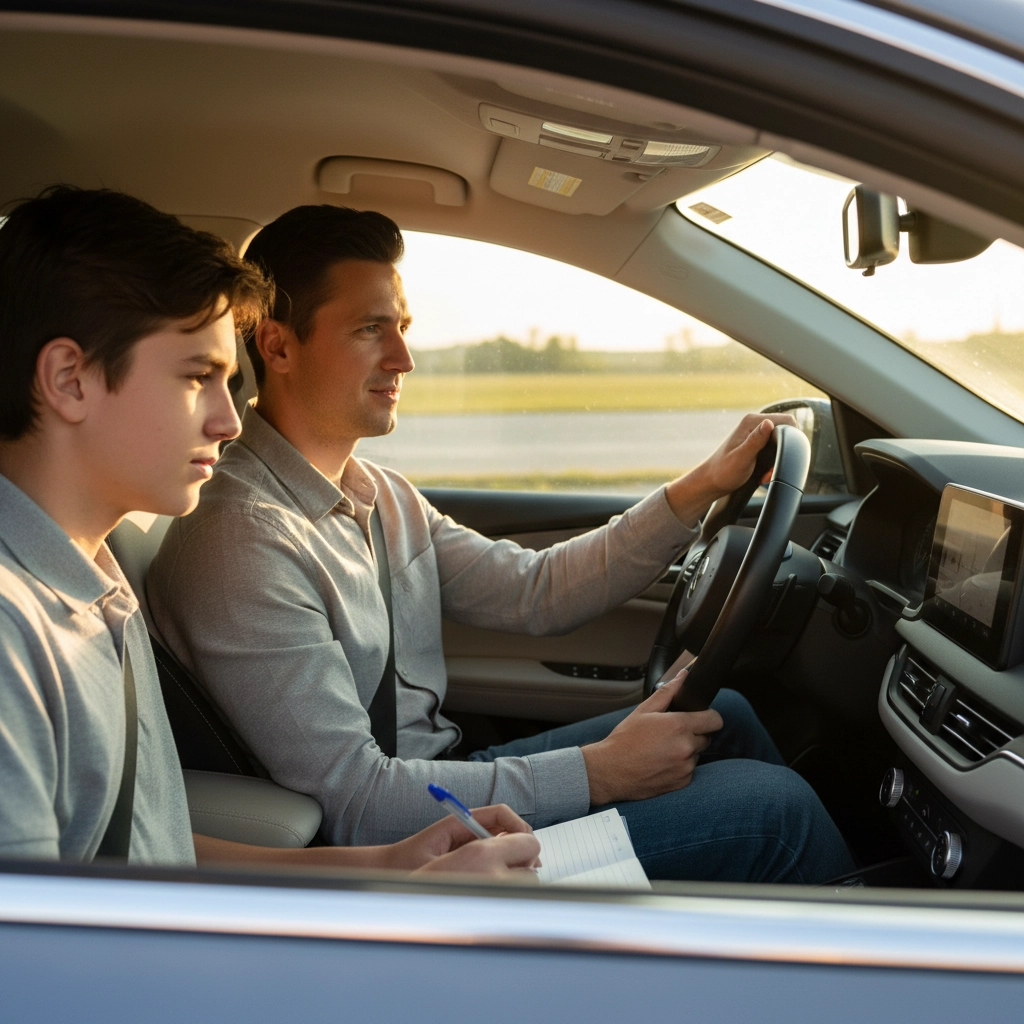
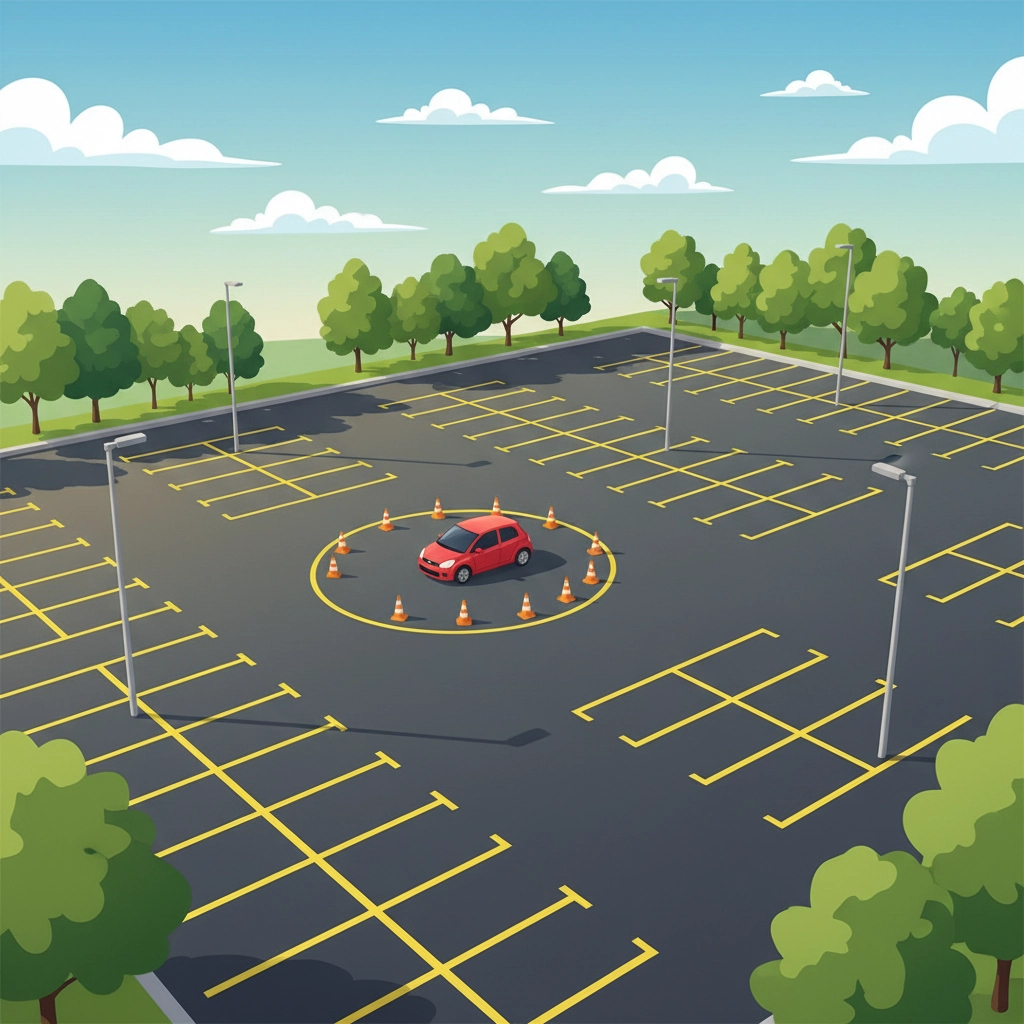
Remember learning to ride a bike? You probably didn't start on a busy street! The same principle applies to driving. Begin your teen's education in a large, empty parking lot where they can focus on the basics without worrying about other traffic.
Start with the fundamentals:
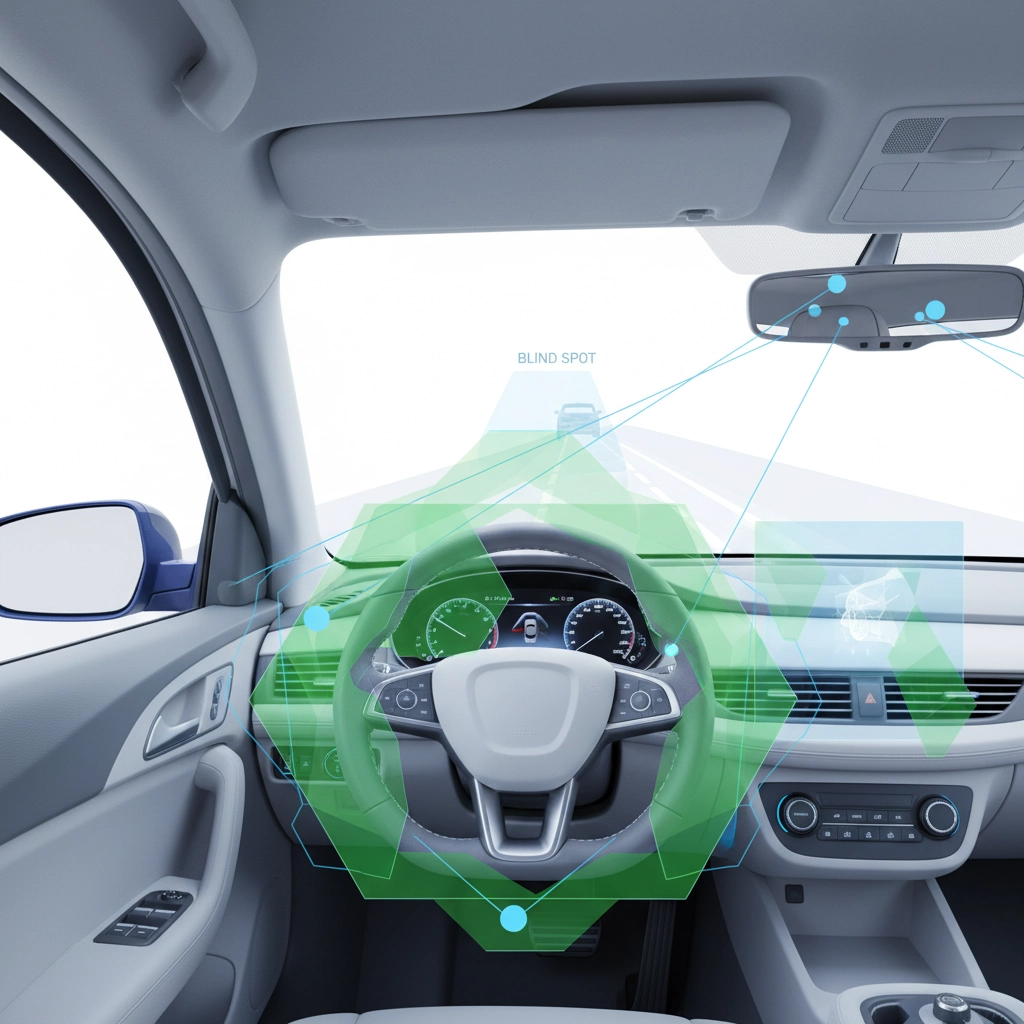
- How to properly adjust the seat, mirrors, and steering wheel
- Smooth acceleration and braking (no jerky stops that give everyone whiplash!)
- Driving in straight lines
- Making gentle turns
- Backing up slowly and safely
Spend several sessions just mastering these skills. There's no rush! Once your teen can confidently navigate the parking lot, try having them practice pulling into and backing out of parking spaces. This builds spatial awareness and control.
Building Awareness Like a Ninja
One of the biggest differences between new drivers and experienced ones is situational awareness. Experienced drivers are constantly scanning their environment, predicting what other drivers might do, and staying prepared for the unexpected.
Teach your teen to:
- Look far ahead, not just at the car directly in front of them
- Check mirrors regularly – every 5-8 seconds
- Scan intersections before entering, even when they have the right of way
- Maintain a "safety bubble" around their car
That safety bubble is crucial. The farther back they stay from other vehicles, the more time they have to react to sudden changes. A good rule of thumb: they should always be able to see the ground behind the car ahead of them, and even more space in bad weather.
Rules of the Road That Actually Matter
Sure, your teen will learn all the official rules during driver's ed, but let's talk about the ones that really keep people safe in real-world driving:
Space is your friend. Always leave plenty of room between vehicles. In rain, snow, or ice, double that distance. Tailgating might save you two seconds, but it could cost you everything.
Never change lanes at intersections. Even if it's technically legal where you live, it's always dangerous. Other drivers don't expect it, and visibility is often limited.
Speed limits are maximums, not targets. Posted speeds assume perfect conditions. In heavy traffic, bad weather, or areas with lots of pedestrians, slow down.
Turn signals aren't optional. They're how you communicate with other drivers. Use them every single time, even when you think it's obvious what you're doing.
The Distraction Danger Zone
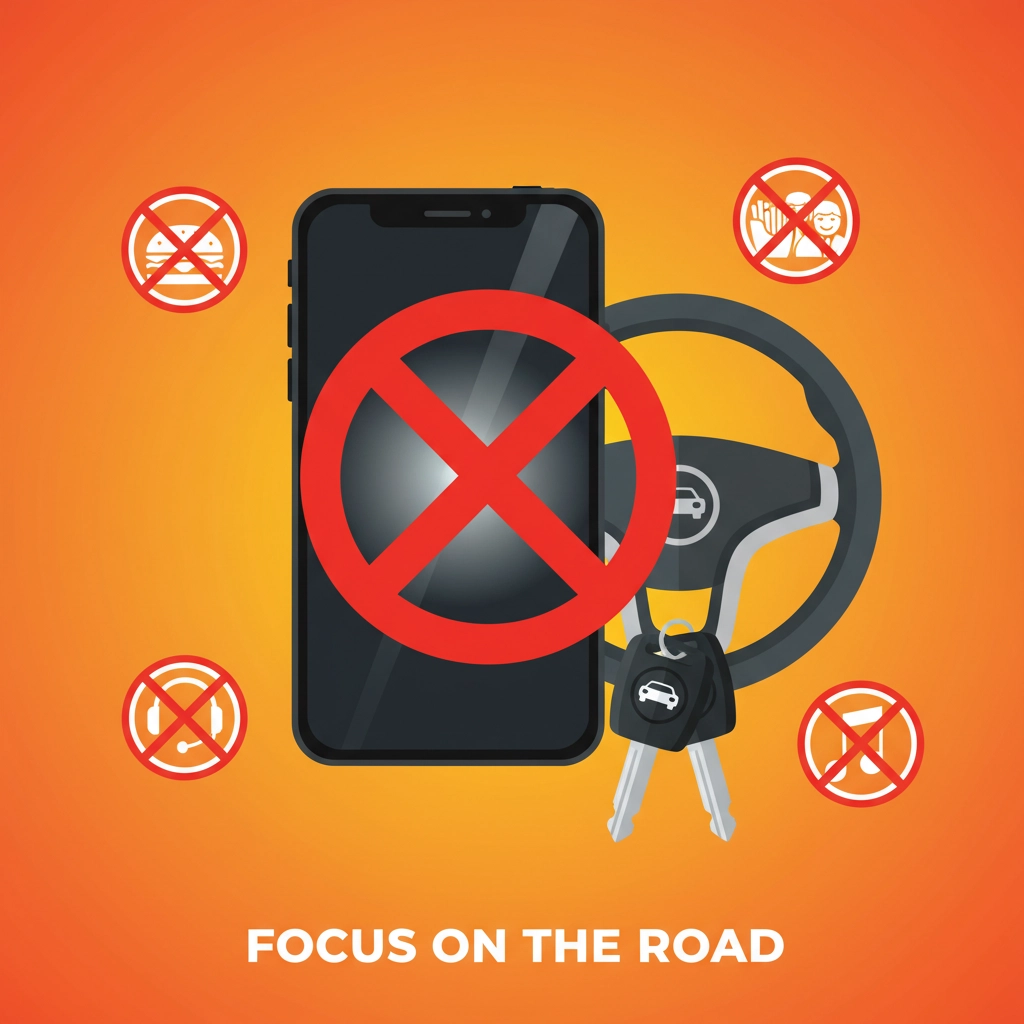
Let's be real – teens live on their phones. But behind the wheel, that phone needs to disappear completely. Not on silent, not face-down on the seat, but completely put away where it won't tempt them.
Here are the non-negotiables:
- No phone use for any reason while driving
- No eating or drinking while driving (yes, even that morning coffee)
- Limit passengers, especially in the first year of driving
- Never exceed the number of seat belts – if there aren't enough belts, someone doesn't ride
Remember, every passenger adds distraction and social pressure. Keep it simple in the beginning.
Emergency Preparedness 101
Your teen needs to know what to do when things go wrong. Stock their car (or the family car they'll be using) with emergency supplies:
- Jumper cables
- Basic first aid kit
- Flashlight
- Phone charger
- Emergency contact information
Teach them to always keep at least half a tank of gas – you never know when they might get stuck in traffic or need to take an unexpected detour.
Also, make sure they always know exactly where they are. If they need to call 911, they should be able to give their precise location. GPS apps help, but they should also pay attention to street signs and landmarks.
Weather and Situation Training
Don't just let your teen drive in perfect conditions. They need experience in:
- Light rain (never heavy rain until they're very experienced)
- Dusk and early evening driving
- Busier traffic situations
- Highway driving (when they're ready)
Each new situation should be introduced gradually, with you in the passenger seat providing guidance.
The Art of Parking Lot Navigation
Parking lots deserve special mention because they're trickier than they look. Teach your teen to:
- Drive slowly and watch for pedestrians (especially kids who might dart out)
- Be extra careful around large vehicles that block visibility
- Always park in well-lit areas when possible
- Keep valuables out of sight
- Have keys ready when walking to the car
Setting Post-License Boundaries
Getting a license doesn't mean complete freedom. Set clear rules and stick to them:
- Passenger limits for the first year
- Driving curfews (no late-night driving initially)
- Regular check-ins when they're out
- Zero tolerance for speeding or reckless behavior
Consider riding with your teen occasionally even after they're licensed, just to see how their skills are developing. Keep it positive – focus on praising good choices rather than criticizing mistakes.
Building Confidence the Right Way
Remember, the goal isn't to terrify your teen about driving – it's to build their confidence while keeping safety the top priority. Celebrate their progress, be patient with their mistakes, and gradually increase their independence as they prove they can handle more responsibility.
Driving is a privilege that comes with enormous responsibility. By taking the time to properly educate your teen and model good behavior yourself, you're giving them skills that will keep them safe for life. Sure, it might take longer than you'd like, and yes, you'll probably have a few nerve-wracking moments along the way. But when you see your teen make a smart, safe decision behind the wheel, you'll know all that time and effort was worth it.
The road ahead doesn't have to be scary – with the right preparation and mindset, it can be the beginning of a lifetime of safe, confident driving.


Comments
Post a Comment