The Ultimate Toy Safety Checklist for Parents (and Curious Kids)
The Ultimate Toy Safety Checklist for Parents (and Curious Kids)
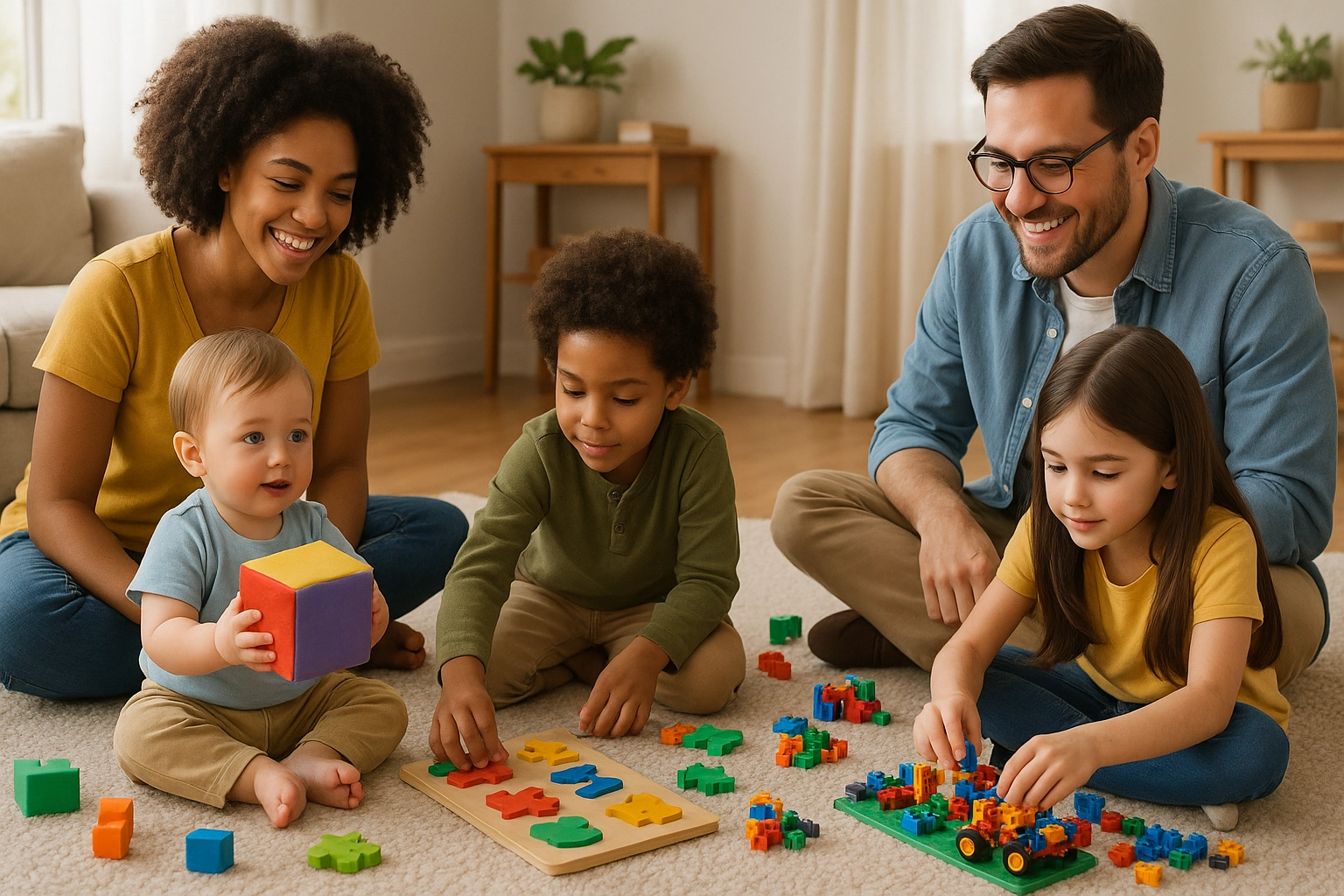
Picture this: It's Saturday morning, and your living room looks like a toy store exploded. There are building blocks scattered everywhere, stuffed animals having tea parties in corners, and your toddler is trying to see if their toy car fits in their mouth (spoiler alert: it shouldn't!).
If this sounds familiar, you're definitely not alone. Every parent has been there, wondering if that shiny new toy is actually safe or if it's secretly plotting against their child's wellbeing. The good news? Keeping playtime safe doesn't have to be rocket science – though it does require a bit of detective work.
The Age Game: Why Numbers Actually Matter
Here's something that might surprise you: those age recommendations on toy boxes aren't just marketing suggestions – they're genuine safety guidelines based on child development research. A toy that's perfect for your 8-year-old might be a serious hazard for your 2-year-old.
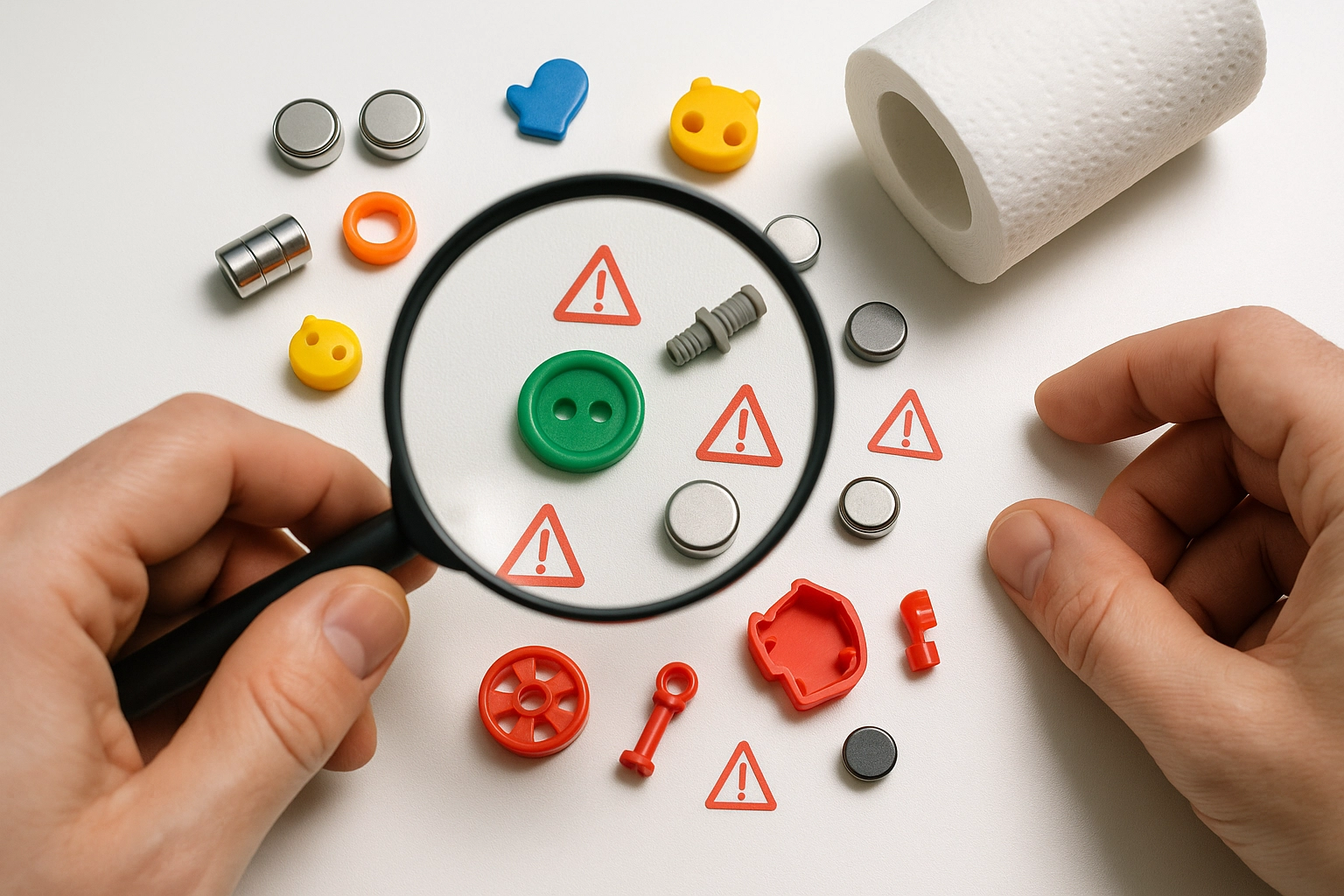
For babies and toddlers (0-3 years): Think big and soft. Anything smaller than a toilet paper roll is off-limits. Yes, really – grab an empty toilet paper roll from your bathroom and use it as your official "choking hazard detector." If it fits through, it's too small for little hands and mouths.
For preschoolers (3-5 years): They're more coordinated but still love exploring with their mouths. Skip the tiny pieces and opt for chunky crayons, large puzzle pieces, and toys without small detachable parts.
For school-age kids (6-12 years): Now we're talking! They can handle more complex toys, but watch out for those chemistry sets and hobby kits that promise to turn your kitchen into a science lab. Save those for supervised family experiments.
Your Detective Toolkit: The Ultimate Safety Checklist
Time to channel your inner Sherlock Holmes! Here's your go-to checklist that'll make toy shopping feel like a fun treasure hunt:
The Materials Check:
- Look for "non-toxic" labels like they're golden tickets
- Hunt for the ACMI seal on art supplies (it's like a safety stamp of approval)
- Avoid anything that smells weird or leaves residue on your hands
- Check for BPA-free labels, especially on plastic toys
The Construction Inspection:
- Give toys a gentle shake – do they rattle with loose parts?
- Tug on small pieces to see if they come off easily
- Feel for sharp edges or points that could cause cuts
- Check that stuffed animals have securely attached eyes, noses, and buttons
The Sound Test:
- If a toy makes you wince, it's too loud for little ears
- Toys shouldn't exceed 100 decibels (think lawn mower level)
- Musical instruments should have volume controls when possible
Real Talk: The Sneaky Dangers You Might Miss
Let's chat about some safety villains that disguise themselves as innocent toys. Button batteries are probably the scariest – they look harmless but can cause severe internal burns if swallowed. If you've got toys with these tiny power sources, make sure the battery compartments are screwed shut, not just snapped closed.
Magnets are another tricky one. Those colorful magnetic building sets? Amazing for creativity, but if small magnets come loose and get swallowed, they can attract each other through intestinal walls. Not fun for anyone involved.
Here's a story that might hit home: Last year, a mom in our community discovered that her daughter's favorite craft kit contained small magnets that had started falling out. Instead of tossing the whole set, she used clear tape to secure all the magnetic pieces, turning a potential hazard into a safe, supervised activity.
The Smart Shopping Guide: What to Look For (And Avoid)
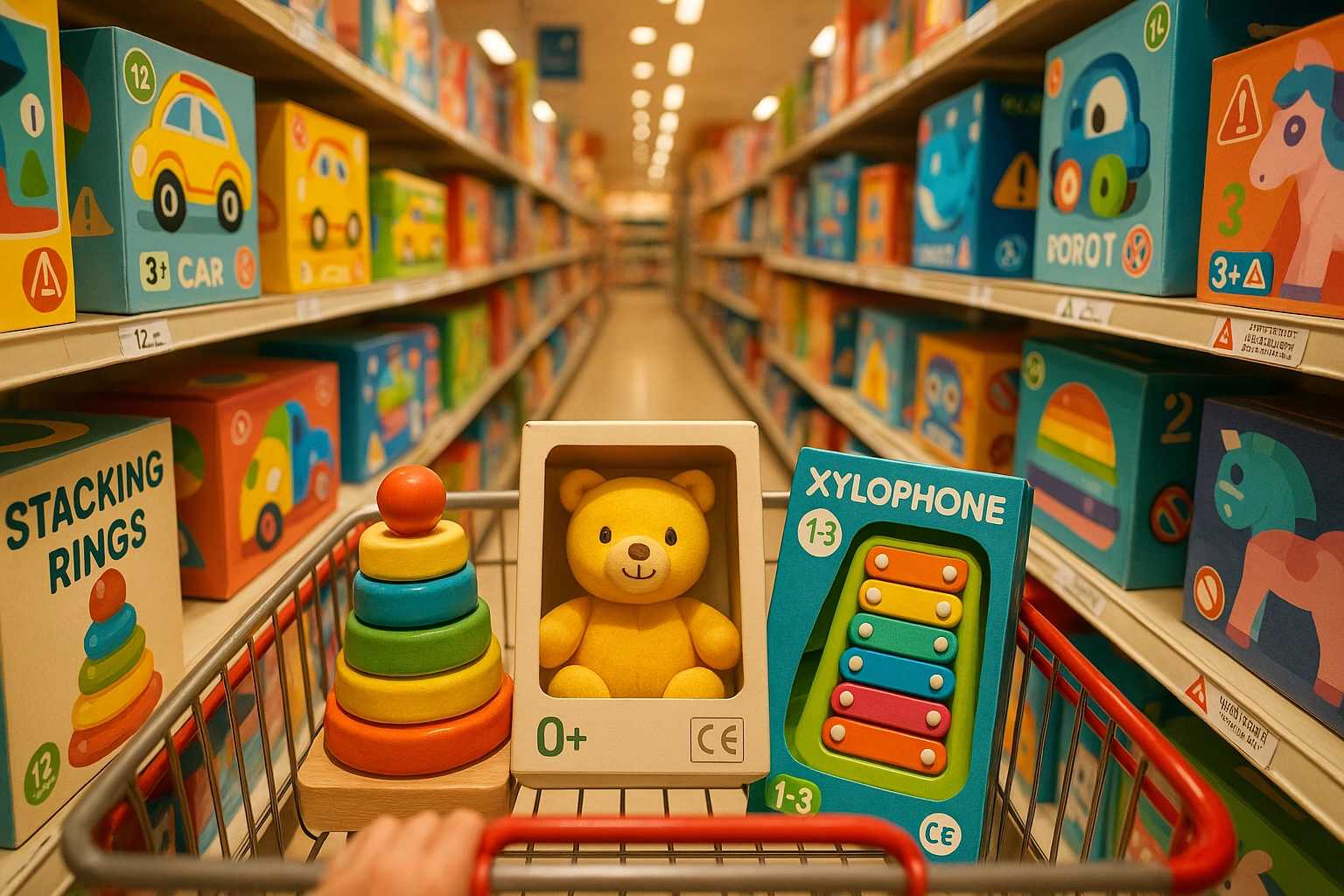
Shopping for safe toys doesn't mean buying the most expensive option – it means being a savvy shopper who knows what to spot.
Green Flags (Buy These!):
- "UL Approved" stickers on electrical toys
- Flame-resistant labels on fabric items
- Machine washable stuffed animals
- Toys with rounded edges and smooth surfaces
- Products from reputable manufacturers with good safety records
Red Flags (Walk Away!):
- Toys that shoot projectiles (goodbye, foam dart guns)
- Items with long strings, cords, or ribbons (strangulation hazard)
- Toys with small magnets that could come loose
- Products with strong chemical smells
- Damaged packaging or missing safety information
Making Safety Fun for Kids
Here's where we flip the script – instead of safety being a list of "don'ts," let's make it interactive and fun for kids to understand.
Create a Family Toy Safety Squad: Make your kids the safety inspectors! Teach them to spot potential hazards by turning it into a game. "Can you find three things about this toy that make it safe?" or "What would make this toy safer for your little sister?"
The Weekly Toy Check: Every Sunday, spend 10 minutes with your kids doing a "toy health check." Look for broken pieces, worn-out parts, or toys that have outgrown their age appropriateness. Kids love being helpful, and this teaches them to take ownership of their safety.
Storage That Actually Keeps Everyone Safe
Let's talk about toy chests – those big, beautiful boxes that promise to contain the chaos but might create new hazards. If you're using one, make sure it has spring-loaded hinges that hold the lid open at any position. The last thing you want is a heavy lid slamming down on little fingers.
Pro tip: Instead of one giant toy chest, consider multiple smaller bins. They're easier for kids to manage, reduce the risk of heavy lids, and make it easier to organize toys by type or safety level.
When Hand-Me-Downs Need a Health Check
We love a good hand-me-down – they're budget-friendly and often come with great memories. But older toys might not meet current safety standards. Toys manufactured before certain safety regulations might contain lead paint, loose small parts, or outdated electrical components.
Before accepting pre-loved toys, give them the full safety inspection treatment. Check for recalls on the Consumer Product Safety Commission website, and when in doubt, it's okay to pass on a toy that doesn't meet today's safety standards.
The Reality Check: Perfect Isn't the Goal
Here's some real talk from one parent to another: you don't need to stress about every single potential hazard. The goal isn't to bubble-wrap your kids but to make informed choices that let them play safely and creatively.
Sometimes the safest toys are the simplest ones – cardboard boxes, wooden blocks, and art supplies that have been trusted by generations of parents. Remember, the best toy safety feature is engaged, present supervision.
Your kids are going to bump, scrape, and occasionally put things in their mouths that shouldn't be there. That's part of growing up. But with this toolkit in hand, you can create an environment where they can explore, learn, and play with confidence – and you can watch them do it without constantly holding your breath.
The next time you're standing in that toy aisle, overwhelmed by choices and safety concerns, remember: you've got this. Trust your instincts, use this checklist as your guide, and choose toys that match your family's needs and safety comfort level. After all, the most important ingredient in any child's playtime isn't the perfect toy – it's knowing that the adults in their life are looking out for them.


Comments
Post a Comment