Basic First Aid Skills Every Kid Should Know
Basic First Aid Skills Every Kid Should Know
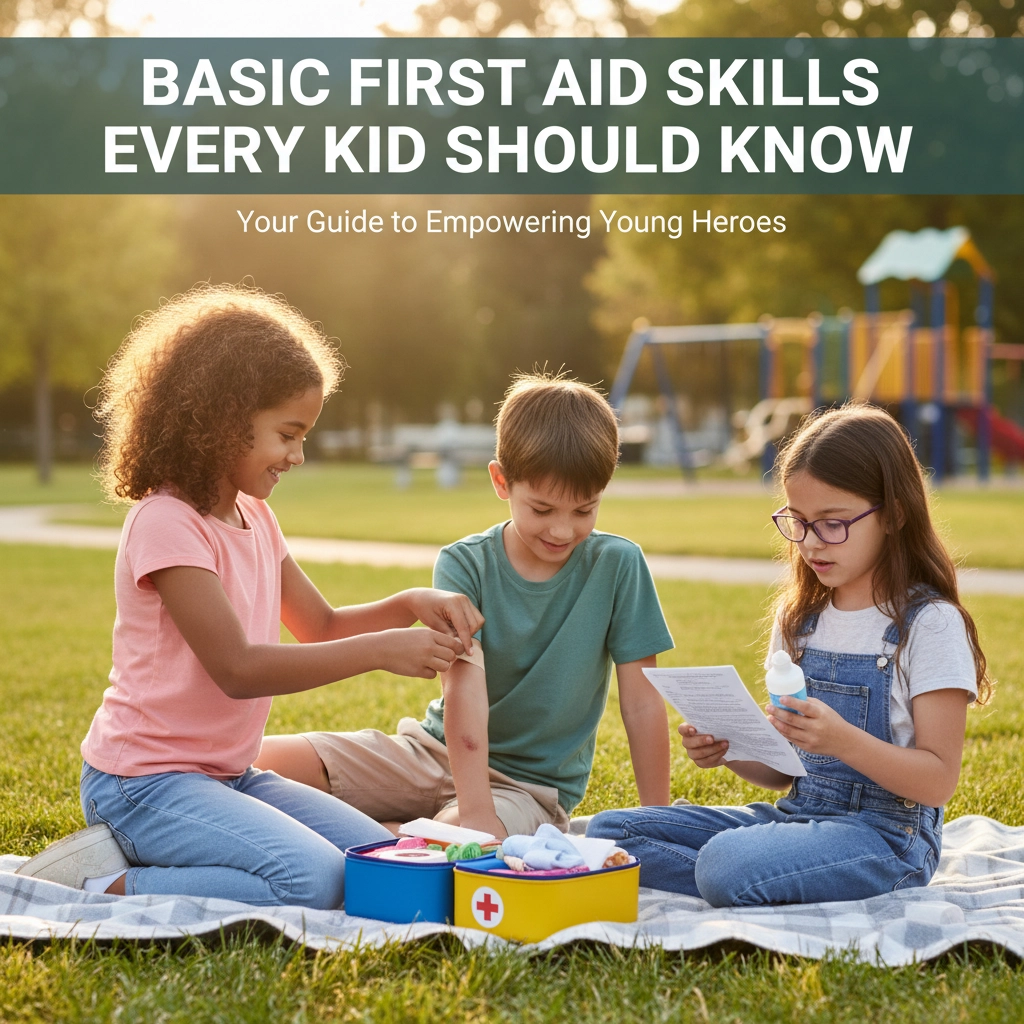
Hey kids! Have you ever wondered what to do when someone gets hurt? Learning basic first aid is like having superpowers – you can help make people feel better and maybe even save the day! The coolest part? You don't need to be a grown-up to learn these amazing skills.
Think of first aid as your toolkit for helping others (and yourself) when accidents happen. Just like you learn to ride a bike or tie your shoes, these life-saving skills will stick with you forever. And parents – this isn't just kid stuff! These fundamentals are perfect refreshers for the whole family.
The Golden Rule: Stay Calm and Stay Safe
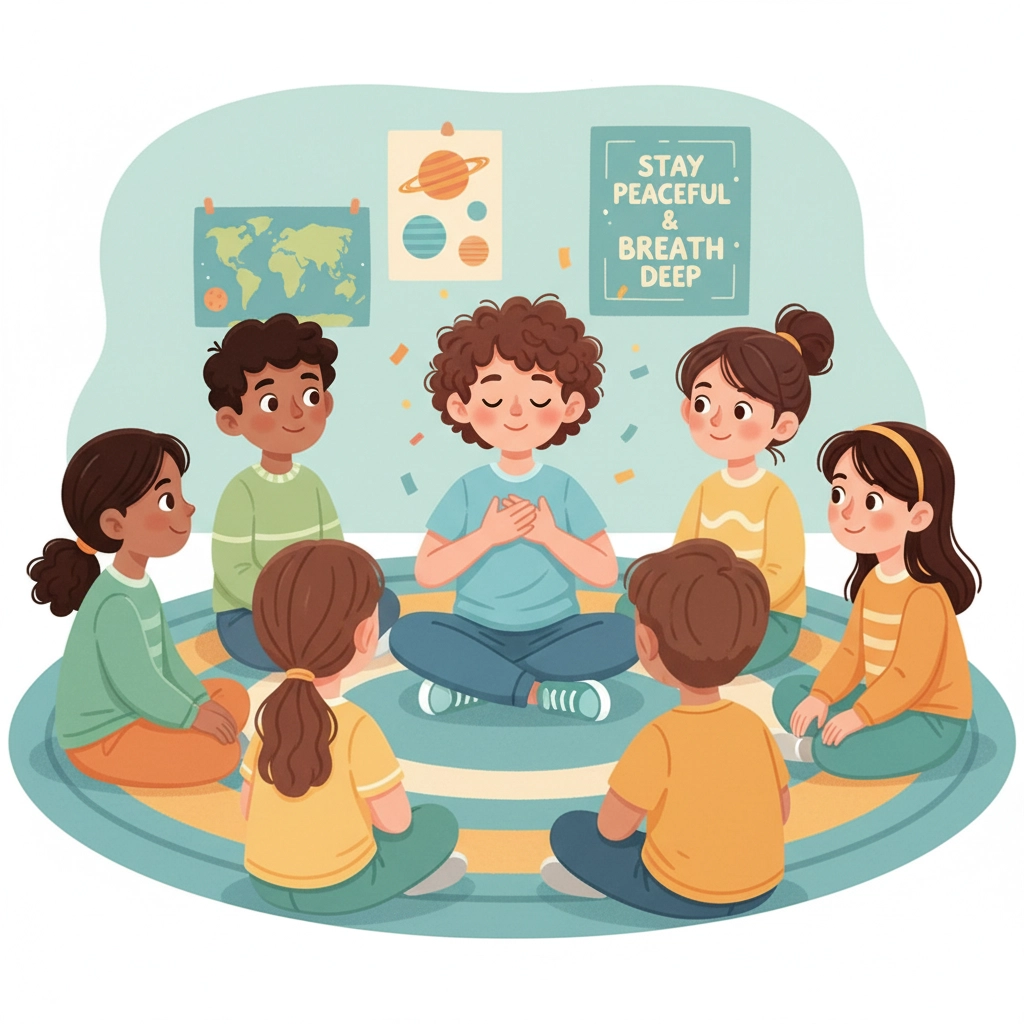
Before we dive into the fun stuff, here's the most important rule ever: always keep yourself safe first! You can't help anyone if you get hurt too. When something scary happens, take three deep breaths. Count them: one... two... three. This helps your brain think clearly instead of panicking.
Remember, being a helper doesn't mean being a hero who runs into danger. Smart helpers call for backup (aka adults and emergency services) and only help when it's safe to do so.
Emergency Detective: Knowing When to Call 911
Sometimes accidents are bigger than a scraped knee, and that's when you need to become an emergency detective! Here are the clues that mean it's time to call 911:
- Someone can't wake up or seems very sleepy when they shouldn't be
- There's a lot of blood that won't stop
- Someone can't breathe or is choking
- Someone got burned badly
- Someone hit their head really hard
When you call 911, speak clearly and tell them:
- Your name and where you are (your address if you know it)
- What happened
- How many people are hurt
- If the person is awake and breathing
Don't hang up until they tell you it's okay! The person on the phone might give you special instructions to help.
Cuts and Scrapes: The Everyday Ouch Fixers
Cuts and scrapes happen all the time – from playground adventures to kitchen experiments gone wrong. Here's your step-by-step guide to becoming a wound-care wizard:
Step 1: Wash Your Hands
Before you touch any cut, wash your hands with soap and water. Think of germs as invisible troublemakers that you don't want to invite to the wound party!
Step 2: Stop the Bleeding
Grab a clean cloth, paper towel, or tissue and press it gently but firmly on the cut. It's like putting a temporary cork in a bottle. Keep pressing until the bleeding slows down – this usually takes a few minutes.
Step 3: Clean It Up
Once the bleeding stops, rinse the cut gently with clean water. You don't need to scrub like you're washing dishes – just let the water wash away any dirt.
Step 4: Bandage Time
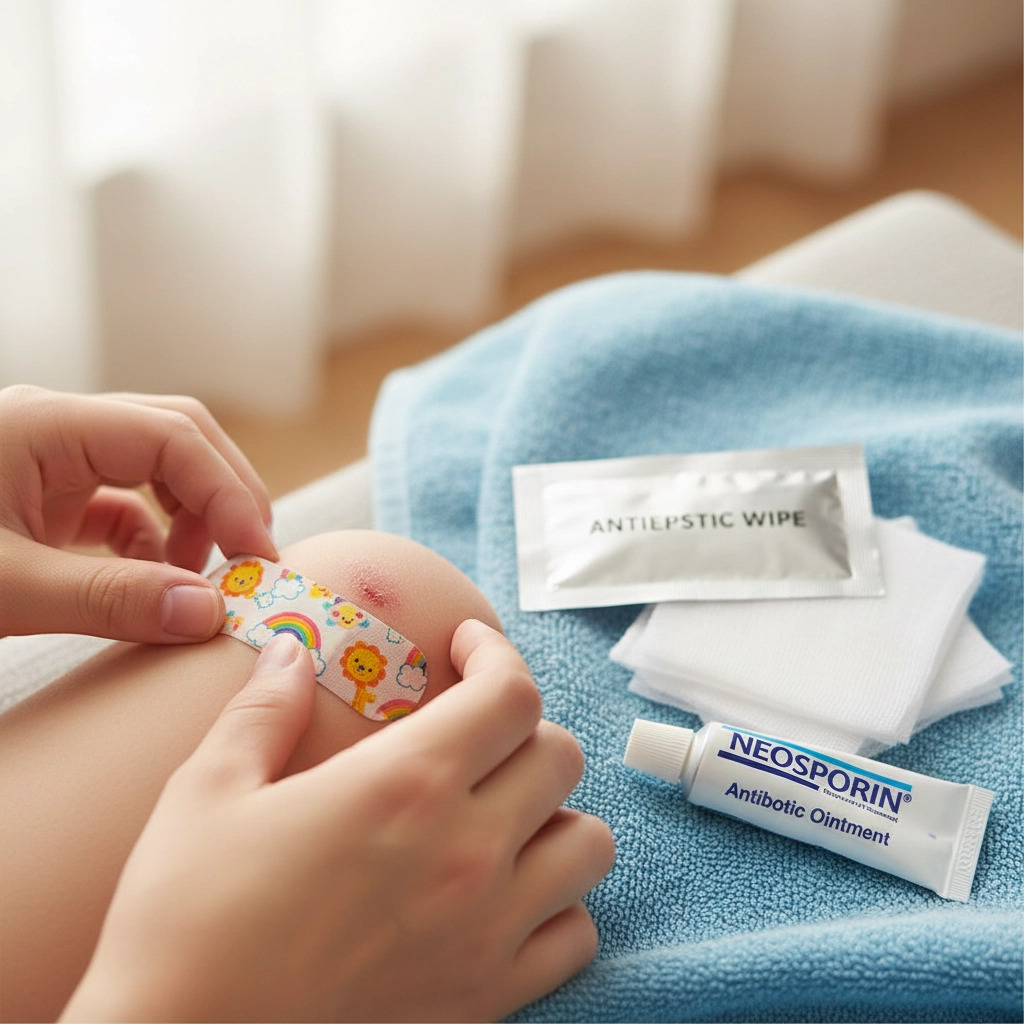
Apply a small amount of antibiotic ointment if you have it (ask an adult first), then cover with a clean bandage. Make sure it's snug but not too tight – you want it to stay put without cutting off circulation.
Bruises: The Purple and Blue Badges
Bruises are like temporary tattoos that your body makes when you bump into things. The good news? They look scarier than they actually are! Here's how to handle them:
When you get a bruise, grab an ice pack or a bag of frozen peas wrapped in a thin towel. Hold it on the bruise for about 10-15 minutes. The cold helps reduce swelling and makes the ouch feeling go away faster. Never put ice directly on your skin – always wrap it in a towel first!
Nosebleeds: The Red River Situation
Nosebleeds can look pretty dramatic, but they're usually not serious. Here's the secret technique:
- Lean forward slightly – not backward like in movies! Leaning back makes blood go down your throat, which is yucky and can make you sick.
- Pinch your nostrils together with your thumb and finger, right where your nose gets soft.
- Hold for 10 minutes – yes, it seems like forever, but be patient!
- Breathe through your mouth while you wait.
If the bleeding doesn't stop after 20 minutes, it's time to get an adult and maybe call a doctor.
Burns: The Hot Stuff Handler
Burns can happen from hot stoves, curling irons, or even too much sun. The first thing to remember: cool it down fast!
Run cool (not freezing cold) water over the burn for several minutes. Think of it like giving your skin a refreshing drink after it got too hot. Never use ice, butter, or toothpaste on burns – these old-fashioned "remedies" can actually make things worse!
After cooling the burn, cover it with a clean, loose bandage or cloth. If the burn is bigger than a quarter or looks white or charred, get adult help immediately.
Choking: When Food Fights Back
Choking happens when food or small objects get stuck in someone's throat. Here's how to tell if someone is choking:
- They can't talk, cough, or breathe
- Their face turns red or blue
- They might grab their throat with their hands
For someone your age or older, you can try the Heimlich maneuver (but only if you've practiced with an adult):
- Stand behind the person
- Put your arms around their waist
- Make a fist and place it above their belly button
- Push in and up quickly
Important note: Only do this if you've practiced and an adult isn't available. Always call for help first!

CPR Basics: The Life-Saving Beat
CPR might sound super complicated, but the basic idea is simple: you're helping pump blood through someone's body when their heart isn't doing it right. Here's a kid-friendly version:
If someone isn't breathing and won't wake up:
- Call 911 immediately (or have someone else do it)
- Place the heel of one hand in the center of their chest, right between the nipples
- Put your other hand on top and interlace your fingers
- Push hard and fast to the beat of "Stayin' Alive" by the Bee Gees (about 100-120 beats per minute)
- Let the chest come back up completely between pushes
- Keep going until help arrives
Remember, this is for real emergencies only, and you should only do CPR if you've been trained or there's no adult around to help.
Building Your First Aid Skills
The best way to learn first aid is through practice! Ask your parents or teachers if you can:
- Practice putting on bandages (on yourself or a stuffed animal)
- Role-play emergency situations
- Learn where the first aid kit is kept at home and school
- Take a kid-friendly first aid class
Every time you or someone in your family gets a minor injury, pay attention to what the adults do. Ask questions like "Why are you doing that?" or "What would happen if we didn't clean this cut?" Learning happens everywhere!
Your First Aid Toolkit
Every good first aid helper needs the right supplies. Here's what should be in every family's first aid kit:
- Various sizes of bandages
- Gauze pads and tape
- Antiseptic wipes
- Antibiotic ointment
- Instant cold packs
- Thermometer
- Emergency phone numbers
Make sure everyone in your family knows where the first aid kit lives!
Practice Makes Perfect
Remember, becoming good at first aid is like learning to play a sport or musical instrument – it takes practice! Start small with things like putting on bandages or washing cuts. As you get more comfortable and older, you can learn more advanced skills.
The most important thing is that you're prepared to help when someone needs it. Whether it's a scraped knee at recess or something more serious, having these skills means you can make a real difference in someone's day – or even their life.
You've got this, future first aid heroes! With practice, patience, and the right knowledge, you'll be ready to help whenever accidents happen. And remember – every expert was once a beginner, so don't worry if it takes time to feel confident with these skills.


Comments
Post a Comment