Fire Drill Fun: How to Make Practice Safe (and Actually Enjoyable!)
Fire Drill Fun: How to Make Practice Safe (and Actually Enjoyable!)
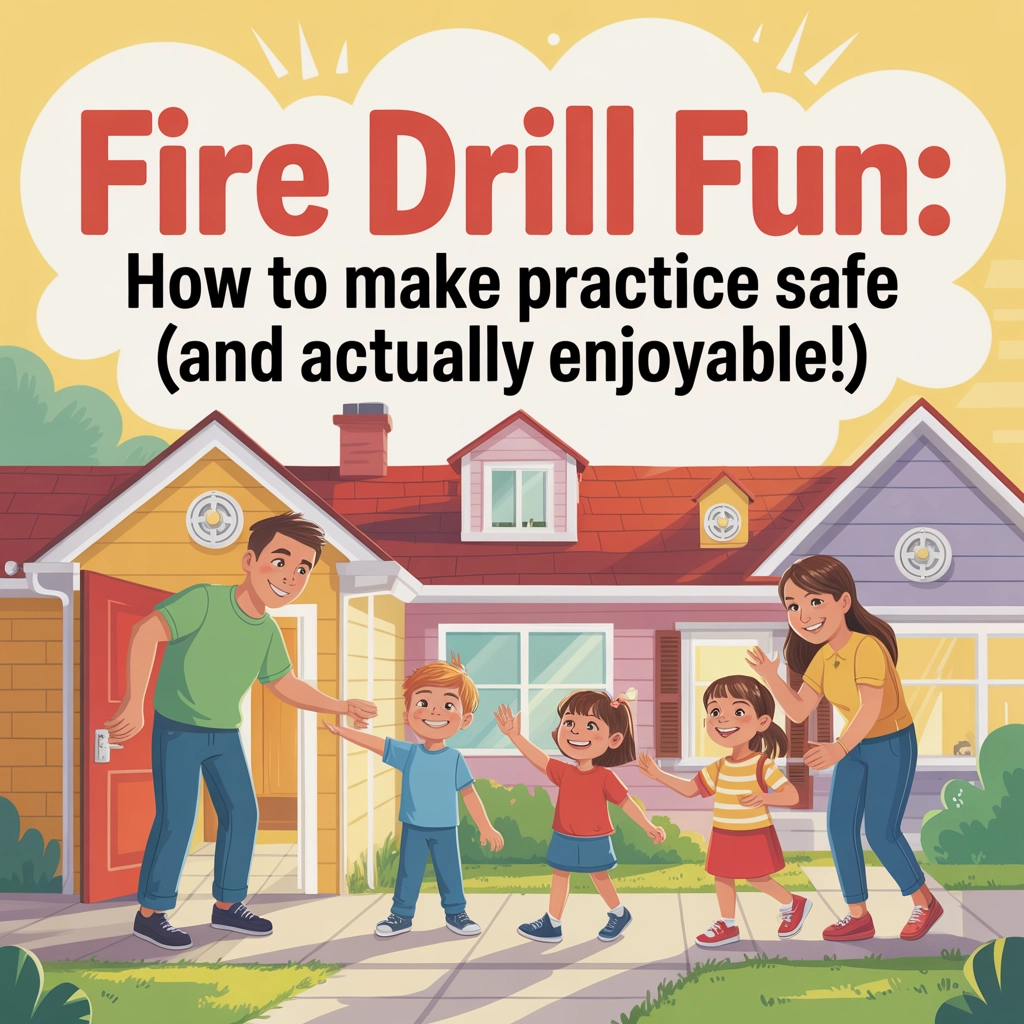
Let's face it: most people think fire drills are about as exciting as watching paint dry. But what if I told you that fire drills could actually be something your family looks forward to? With a little creativity and planning, you can transform this essential safety practice into an engaging adventure that everyone remembers (and actually learns from).
When drill participants are surprised, made to think, and even made to laugh, they go back to their daily routines better prepared to handle a real emergency. The secret isn't turning safety into a game: it's making the learning so memorable that when seconds count, everyone knows exactly what to do.
Planning Your Fire Drill Adventure
Before you can make fire drills fun, you need a solid foundation. Think of this as designing an escape room experience for your home: but one where everyone wins by getting out safely.
Map Out Multiple Routes
Walk through your home and identify at least two ways out of every room. For bedrooms on upper floors, consider escape ladders as secondary options. Make this exploration part of the fun by having family members draw maps of the house, marking all possible exits with colorful arrows.
Choose Your Meeting Spot
Pick a safe meeting place that's far enough from the house: like your mailbox or a neighbor's driveway. Make it memorable by having everyone practice the "fire drill dance" or create a special family cheer that you'll do once everyone's safely gathered.

Assign Special Roles
Give each family member a special job during drills. Older kids can be "safety captains" who help younger siblings, while adults can rotate being the "fire chief" who calls out instructions. These roles make everyone feel important and engaged in the process.
Age-Appropriate Engagement Strategies
For Little Ones (Ages 3-7)
Turn fire drills into "superhero training." Kids can practice their "super-speed crawling" under imaginary smoke or use their "heat-sensing powers" to check doors with the back of their hands. Create simple songs about fire safety that they can sing during the drill: rhythm makes remembering easier.
For School-Age Kids (Ages 8-12)
Challenge this age group with timed drills and friendly competitions. Can they beat their previous evacuation time? Introduce problem-solving elements like "the hallway is blocked by smoke: what's your backup plan?" Let them take turns being the drill leader, which builds confidence and reinforces learning.
For Teens (Ages 13+)
Teens respond well to realistic scenarios and responsibility. Have them help plan drill variations, research fire safety statistics for your area, or even create TikTok-style safety videos to share with friends. Make them the family fire safety experts: they'll rise to the challenge.
For Adults
Adults appreciate understanding the "why" behind each step. Discuss real fire statistics, share local emergency response times, and explain how different materials burn. Adults also benefit from practicing drills in different conditions: with lights off, while carrying sleeping children, or when mobility aids are needed.
The Step-by-Step Drill Experience
Step 1: The Surprise Element
Don't announce drills weeks in advance. Instead, use your actual smoke alarm as the starting signal. This trains everyone to respond to the real sound they'd hear in an emergency. Mix up the timing: sometimes during dinner preparation, sometimes during movie night, occasionally during weekend morning routines.
Step 2: Stay Low and Go
Practice the "stay low and go" crawl together. Make it engaging by pretending you're sneaking under a magical smoke cloud or army-crawling through an obstacle course. The goal is making this awkward movement feel natural and automatic.

Step 3: Check Doors Like a Pro
Teach the door-checking technique by having everyone practice feeling doors and doorknobs with the back of their hands. Create a memorable phrase like "back of hand, safe and grand" or let kids come up with their own silly rhymes to remember this crucial step.
Step 4: Exit with Purpose
Once you're moving, resist the urge to rush. Practice walking quickly but safely to your designated meeting spot. Count off like a sports team when you arrive: this ensures everyone made it out and creates a sense of team accomplishment.
Step 5: Call for Help
Practice the actual phone call to emergency services. Take turns having different family members dial 911 (or your local emergency number) and practice giving your address clearly. This is often overlooked but crucial in real emergencies.
Creative Drill Variations
The Blocked Exit Challenge
Occasionally block off your primary exit route with furniture or tape to simulate debris or fire blocking the way. This forces everyone to think about and use alternative routes, preventing drills from becoming mindless routines.
Lights-Out Drill
Practice drills in the dark or with minimal lighting to simulate nighttime conditions. Use small flashlights to help navigate, but emphasize feeling your way along walls and counting steps to familiar landmarks.
Weather Challenge Drills
Adapt drills for different seasons. In winter, practice grabbing coats and shoes quickly. In summer, account for family members who might be in the pool or backyard. These variations keep drills fresh and prepare for real-world conditions.

The Two-Minute Challenge
Time your drills with the goal of getting everyone out in under two minutes. This isn't about panic: it's about smooth, practiced efficiency. Celebrate improvements with family high-fives and maybe even a special dinner when you reach your time goal.
Post-Drill Activities That Reinforce Learning
The Debrief Circle
Gather everyone after each drill for a quick discussion. Ask questions like "What went well?" "What felt challenging?" and "What would we do differently?" Keep it positive and solution-focused. Let younger kids draw pictures of what they did well.
Safety Equipment Scavenger Hunt
After outdoor drills, come back inside for a safety equipment hunt. Find and check smoke detectors, fire extinguishers, and emergency supplies. This reinforces that fire safety isn't just about getting out: it's about prevention and preparation too.
Plan Updates
Use drill experiences to improve your escape plan. Maybe you discovered that the window in the guest room is harder to open than expected, or that your meeting spot isn't visible from all exit points. Make adjustments and celebrate these improvements as family safety upgrades.
Making Drills Special Throughout the Year
Holiday-Themed Drills
Near Halloween, practice escaping with costumes that might limit vision or movement. Before winter holidays, discuss how decorations and extra cooking might change your usual escape routes. Spring drills can focus on checking if winter damaged any exit routes.
Birthday Month Drills
Let the birthday person be the "fire chief" for the month, planning and leading drills. This creates positive associations with fire safety and gives everyone special leadership opportunities throughout the year.
When Things Don't Go Perfectly
Remember that real learning often comes from mistakes and challenges during practice drills. If someone forgets their role, if the drill takes longer than expected, or if younger kids get scared, use these moments as learning opportunities rather than reasons to skip future drills.
The goal isn't perfect performance: it's building confidence, muscle memory, and family teamwork that could save lives in a real emergency. When fire safety training becomes both educational and genuinely engaging, families develop real competence rather than just going through the motions.
Keep your drills regular (monthly is ideal), keep them varied, and most importantly, keep them positive. When families practice together with enthusiasm and purpose, fire safety transforms from a chore into a shared commitment to protecting each other. And that's something worth celebrating every time you hear that final "all clear" call at your meeting spot.


Comments
Post a Comment