How to Teach Kids About Stranger Danger Without Scaring Them
How to Teach Kids About Stranger Danger Without Scaring Them
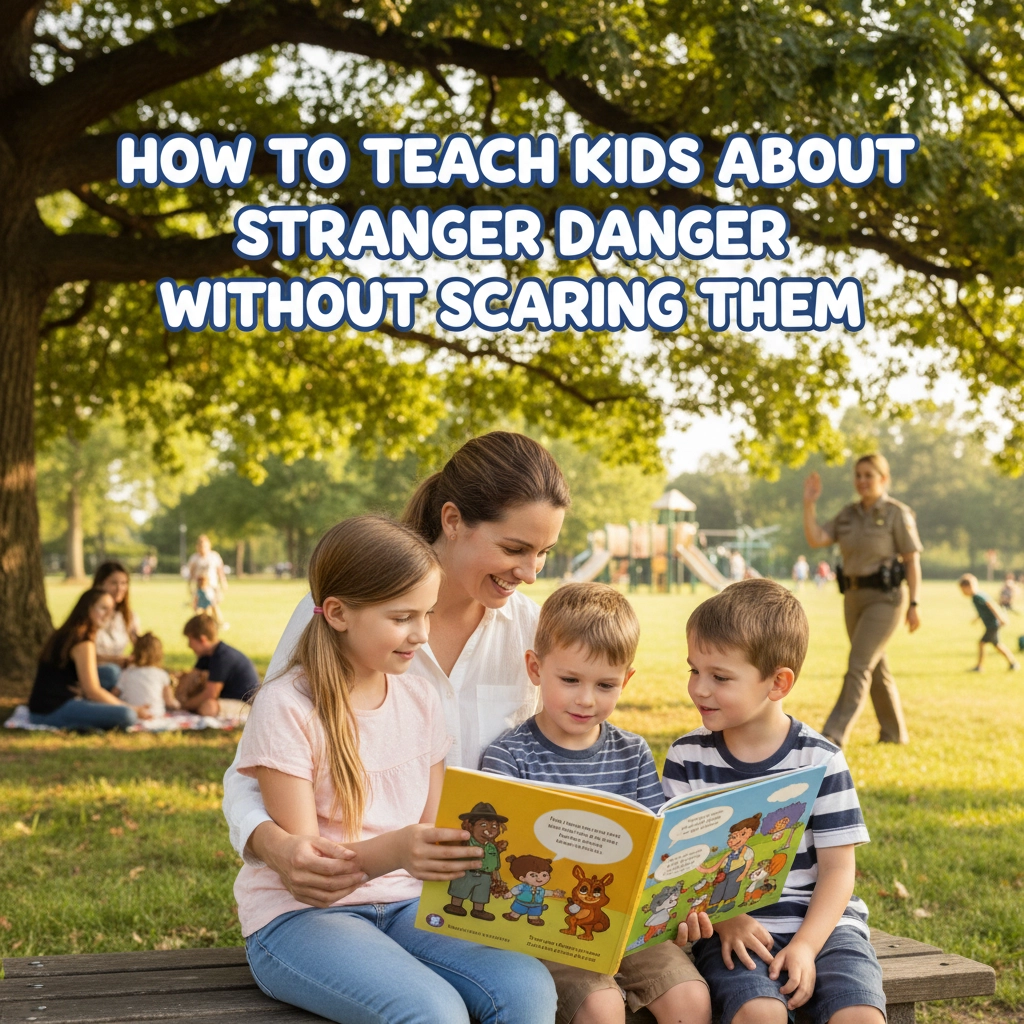
Teaching kids about stranger danger can feel like walking a tightrope. You want them to be safe and aware, but you don't want to create a world where they're afraid of everyone they meet. The good news? You can absolutely teach your kids to be smart and cautious without making them anxious or fearful.
Here's the thing, most kids are naturally friendly and trusting, which is beautiful! Our job isn't to change that wonderful openness, but to give them the tools to recognize when something doesn't feel right and what to do about it.
Start With Simple, Clear Conversations
The best time to start talking about stranger safety is when your child begins school, or even earlier if they're spending time in public places without you. But here's what NOT to do: don't just say "don't talk to strangers" and call it a day.
Instead, start by explaining what a stranger actually is. A stranger is simply someone they don't know, even if that person seems really nice or friendly. Kids often think that because someone smiles at them or knows their name, they're not a stranger anymore. That's not how it works!
Make it clear that most people in the world are good, kind people. We're not trying to make everyone seem scary, we're just teaching them to be smart about who they trust.

The Safe Stranger vs. Unsafe Stranger Game
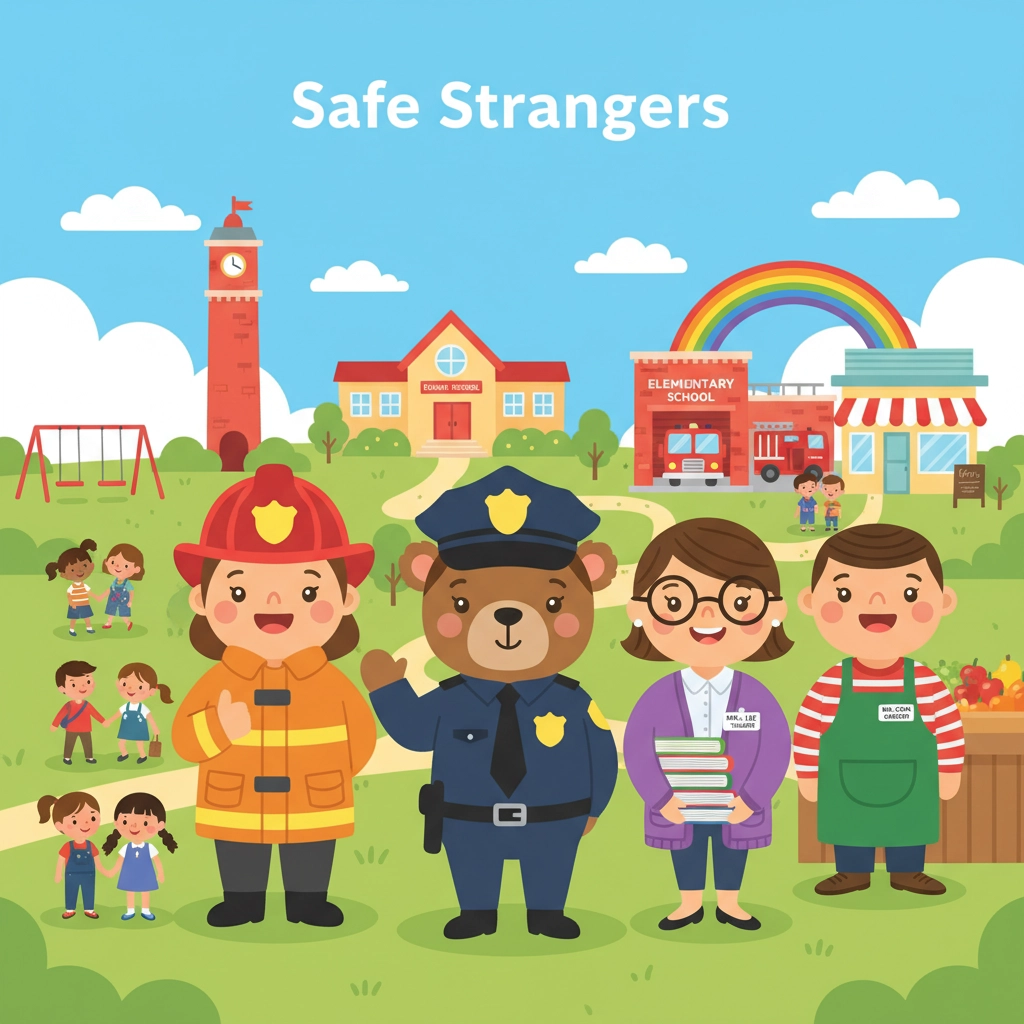
This is where things get really practical. Help your kids learn to identify "safe strangers", people they can turn to for help when you're not around.
Safe strangers include:
- Police officers and firefighters in uniform
- Teachers and school staff
- Store employees wearing name tags or uniforms
- Librarians
- Parents with children (especially moms with kids)
Here's the key rule: Safe adults don't ask kids for help. Think about it, would you ever ask a 6-year-old to help you find your lost dog or carry your heavy bags? Of course not! Adults ask other adults for help.
If someone approaches your child asking for help finding a lost pet, giving directions, or carrying something, that's a red flag. Even if they seem perfectly nice.
Create Your Family's Safety Rules
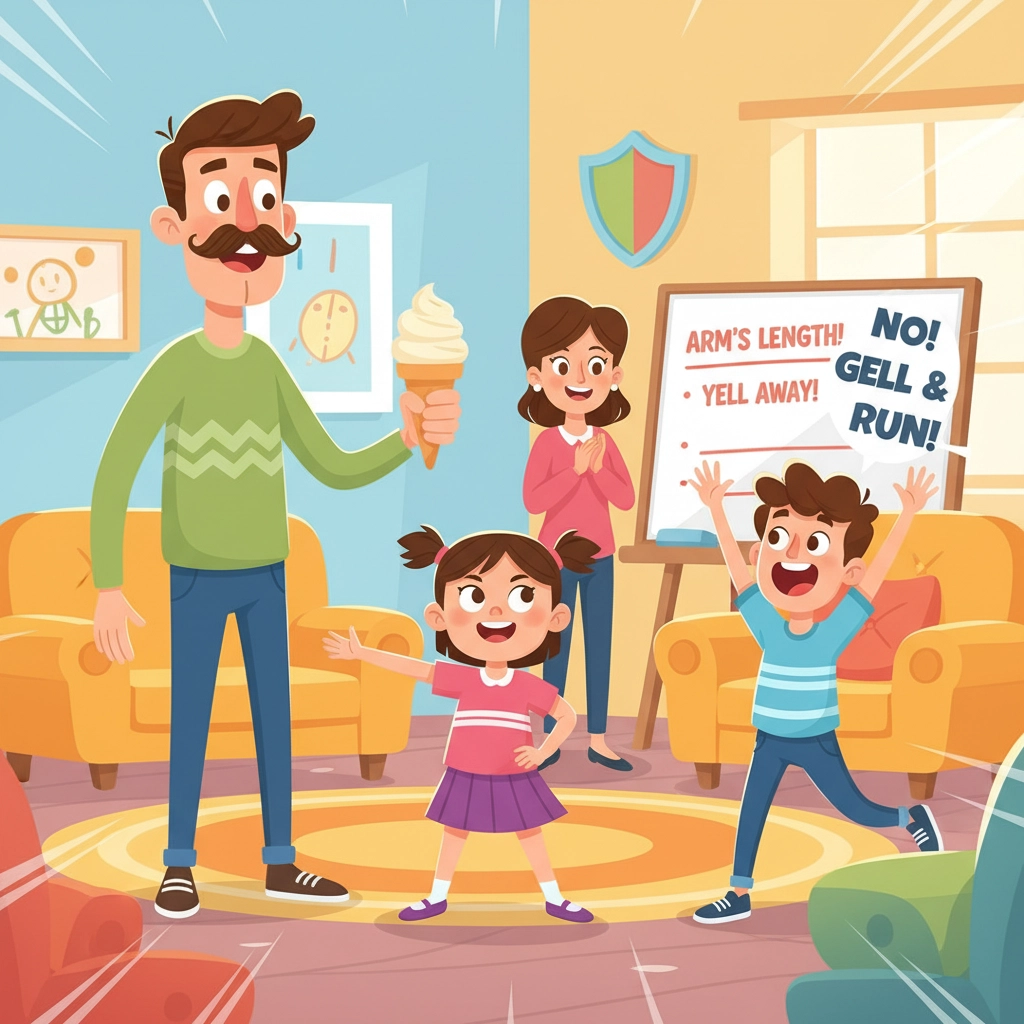
Every family needs their own set of simple, memorable safety rules. Here are some that work well for most families:
The Arm's Length Rule: In public places, stay close enough to see Mom, Dad, or your trusted adult. If a stranger gets closer than an arm's length away, it's okay to step back.
The No Gifts Rule: Never accept anything from someone you don't know, not candy, toys, or even something that seems innocent like a sticker.
The Yell and Run Rule: If someone grabs you or makes you feel scared, it's okay to yell as loud as you can, kick, and run to safety. Sometimes being "rude" is the right thing to do.
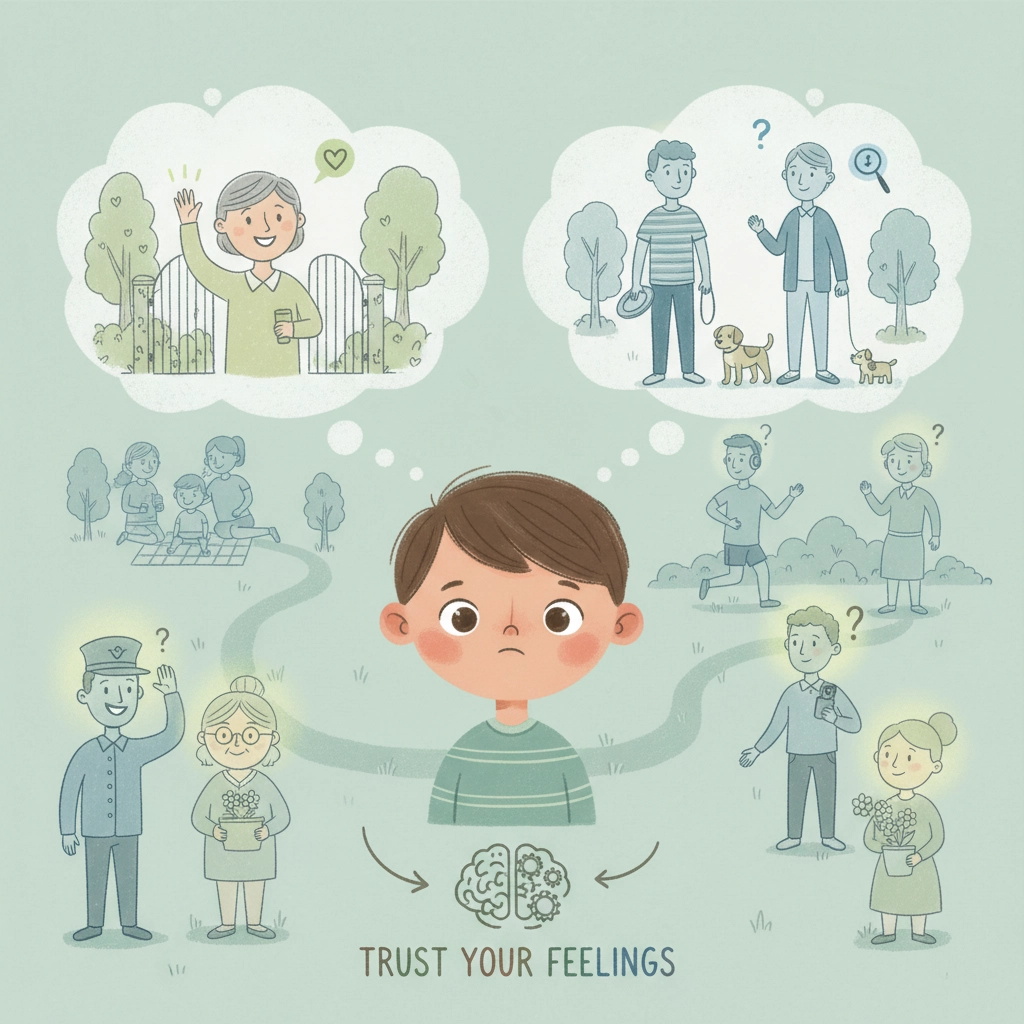
The Trust Your Tummy Rule: If something feels wrong in your tummy, that weird, uncomfortable feeling, listen to it and get away from the situation.
Make It Real With Role-Playing
Kids learn best when they can practice, so turn this into a fun (but important) game. Set up different scenarios and practice responses:
"What would you do if someone you don't know offered you a puppy to pet?"
"What if someone said they had candy in their car for you?"
"What if someone said I sent them to pick you up from school?"
Make sure they know the answer to that last one is always: "My mom/dad would have told me first, and they would have given me our family password."
Wait, family password? Yes! Create a secret family password that only you and your kids know. If someone claims you sent them, they should know the password. No password? No going anywhere.
Focus on Actions, Not Looks
This is super important: teach your kids that they can't tell if someone is safe just by looking at them. Most people who want to hurt children don't look scary or mean, they often go out of their way to seem extra friendly and trustworthy.
Instead of judging by appearance, teach your kids to pay attention to what people do and say:
- Do they ask for help instead of asking other adults?
- Do they offer gifts or treats?
- Do they ask kids to keep secrets from parents?
- Do they try to get kids to come with them somewhere?
These behaviors are warning signs, no matter how nice the person seems.
Handle the Confusion About "Strangers"
Kids get confused about who counts as a stranger, and that's totally normal! They might think the neighbor they wave to every day isn't a stranger, or they might be worried about talking to the new teacher at school.
Here's a simple way to handle this: If Mom or Dad says someone is okay to talk to, then it's fine. But if you're not sure, it's always better to be cautious and check with a parent first.
Also, remind your kids that they never have to hug, kiss, or be physical with anyone, even relatives, if it makes them uncomfortable. Their body belongs to them, and they get to decide about physical contact.
Keep the Conversation Going
This isn't a one-and-done conversation. As your kids grow and become more independent, you'll need to revisit these topics and add new information.
For younger kids (ages 4-7), focus on staying close, identifying safe helpers, and trusting their feelings.
For older kids (ages 8-12), you can add more details about online safety, what to do if they get separated in a crowd, and how to handle peer pressure.
For teens, expand the conversation to include dating safety, party safety, and more complex scenarios they might encounter.
The Goal: Confident, Not Fearful
Remember, we want to raise kids who are appropriately cautious, not scared of the world. The goal is to give them confidence in their ability to recognize unsafe situations and know what to do about them.
Most interactions with strangers are perfectly fine, the cashier at the grocery store, the person who holds the door, the family walking their dog in the park. We're not trying to make our kids suspicious of everyone; we're teaching them to trust their instincts and know when something doesn't feel right.
What If Something Does Happen?
Make sure your kids know that if something scary or uncomfortable does happen, it's never their fault, and they should tell you right away. Sometimes kids worry they'll get in trouble for talking to someone they weren't supposed to, but reassure them that their safety is always more important than following rules perfectly.
Also, if they ever feel unsafe, it's okay to be "rude" to an adult. It's okay to say "No!" loudly, to refuse to do something, or to run away. We teach kids to be polite, but safety comes first.
The Bottom Line
Teaching stranger danger doesn't have to be scary. By having regular, age-appropriate conversations, practicing safety skills, and encouraging kids to trust their instincts, we can help them be both safe and confident.
Remember: most people are good, the world isn't as dangerous as the news makes it seem, but being prepared and aware is always smart. Your kids can be both trusting and cautious, friendly and safe.
Keep these conversations light but important, practice regularly, and always remind your kids that they can come to you with questions or concerns about anything. When kids feel comfortable talking to their parents about safety, they're already much safer.


Comments
Post a Comment