Kindness Counts: Playful Ways to Prevent Bullying at School, Online, and Beyond
Kindness Counts: Playful Ways to Prevent Bullying at School, Online, and Beyond
Bullying might feel like a heavy topic, but here's some good news: kindness is one of the most powerful tools we have to prevent it. And the best part? Teaching kindness doesn't have to be boring or preachy. In fact, when we make it fun and engaging, kids (and adults!) are way more likely to jump on board and make it a natural part of their daily lives.
Whether your little one is just starting kindergarten or your teenager is navigating the complex world of high school social media, building a culture of kindness creates a protective bubble around everyone involved. Let's explore some creative, playful ways to spread kindness and stop bullying before it starts.
The Magic Behind Kindness (It's Actually Science!)
Before we dive into the fun stuff, here's a cool fact: when we're kind to others, our brains release feel-good chemicals like serotonin. It's like getting a natural happiness boost every time we help someone or share a compliment. This means that practicing kindness literally makes us feel better, which makes us want to be kind again. Pretty neat cycle, right?
This is why kindness-based approaches to preventing bullying work so well. Instead of just focusing on what not to do, we're actively building positive habits that crowd out negative behaviors.
Kindness Games for Younger Kids (Ages 5-10)
The Secret Kindness Agent Challenge
Turn your kids into undercover kindness operatives! Give them "missions" like:
- Leave a encouraging note in someone's backpack
- Help a classmate pick up dropped supplies
- Share their snack with someone who forgot lunch
- Give three genuine compliments before recess
Make it extra fun by creating official "agent badges" they can earn for completed missions. Kids love feeling like they're part of something special, and this game makes kindness feel like an adventure rather than a chore.
The Compliment Chain
Start a family tradition where everyone shares one specific thing they appreciated about each family member at dinner. The trick is being specific – instead of "you're nice," try "I loved how you helped your brother tie his shoes this morning." This builds the habit of noticing good things about others, which naturally carries over to school interactions.
Kindness Rocks
Decorate small rocks with positive messages and hide them around the playground or neighborhood (with permission, of course!). Kids get excited about both creating the rocks and discovering ones left by others. It's like a treasure hunt that spreads joy.
Engaging Tweens and Teens (Ages 11-18)
The Buddy Up System
Pair older students with younger ones, not just for academics but for general school navigation. This creates natural mentorship opportunities and gives teens a sense of responsibility and purpose. When kids feel valued and important, they're much less likely to tear others down.
Digital Kindness Challenges
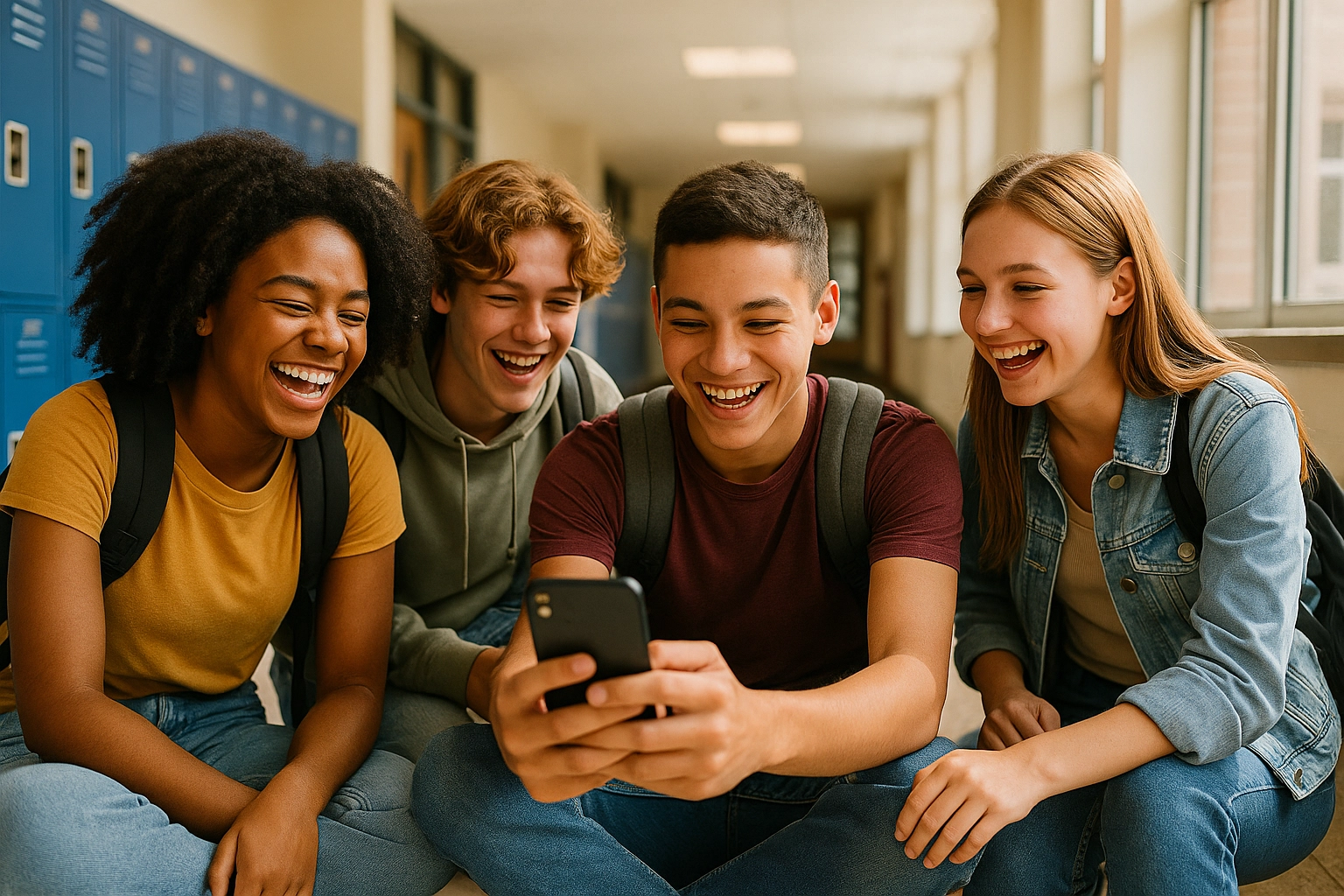
Since teens live on their phones anyway, why not use technology for good? Challenge them to:
- Send one genuine, encouraging DM per day
- Comment positively on classmates' posts (when appropriate)
- Share content that uplifts rather than tears down
- Create group chats focused on supporting each other
The Appreciation Post-It Project
Give teens a stack of colorful Post-It notes and challenge them to leave anonymous positive messages on lockers, mirrors, or desks. Messages like "You have a great laugh" or "Thanks for being kind to everyone" can completely change someone's day. The anonymity takes away any awkwardness while still spreading genuine positivity.
Online Kindness: Creating Safe Digital Spaces
The internet can feel like the Wild West sometimes, but we can create pockets of kindness that make a real difference.
The Golden Rule Goes Digital
Help kids understand that the same rules of kindness apply online as they do in person. Just because there's a screen between them and another person doesn't mean that person's feelings don't matter. Practice this by role-playing different online scenarios and discussing how their words might impact others.
Building Positive Online Communities
Encourage kids to join or create online groups focused on their interests rather than drama. Whether it's a gaming community, art sharing group, or study circle, positive-focused online spaces naturally discourage bullying behavior.
The Screenshot Test
Teach kids to ask themselves: "Would I be comfortable if this message were screenshot and shared with my parents, teachers, or future employers?" This simple check helps them pause before sending something they might regret.

Family-Wide Kindness Strategies
The Kindness Jar
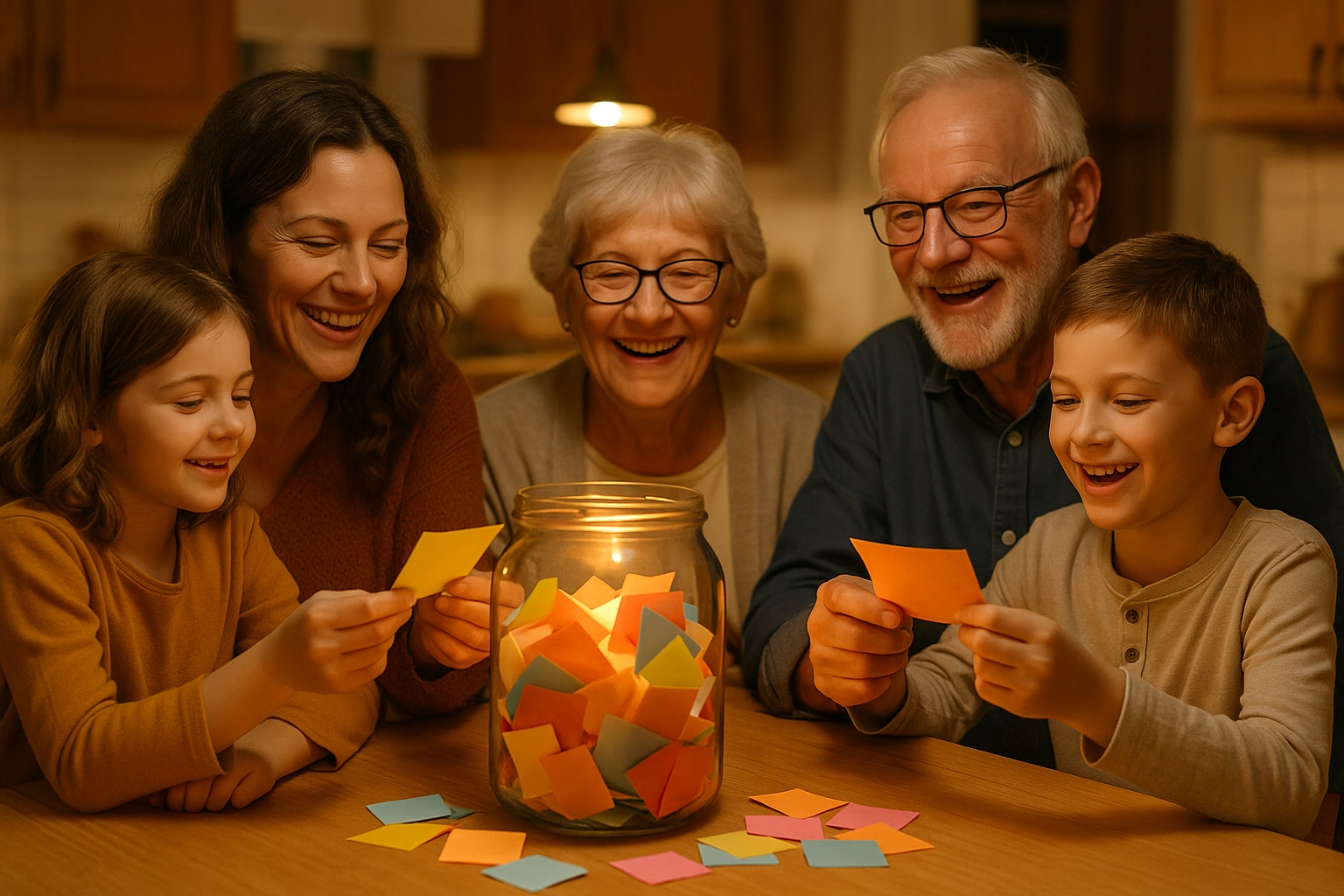
Keep a family jar where everyone drops in notes about kind acts they witnessed or performed. Read them aloud during family time. This creates positive reinforcement and helps everyone notice kindness happening around them.
Model the Behavior You Want to See
Kids learn more from what they see than what they hear. Show them how to handle conflicts with grace, how to stand up for others respectfully, and how to apologize sincerely when they mess up. Your everyday interactions become their blueprint for how to treat others.
The "What If" Game
During car rides or family dinners, play scenarios: "What if you saw someone sitting alone at lunch?" "What if someone dropped their books and everyone was laughing?" This helps kids practice their responses in a low-pressure environment, so they're ready when real situations arise.
Building Community-Wide Kindness
School-Wide Kindness Initiatives
Work with your school to implement programs like:
- Kindness Week with daily challenges
- Peer mediation programs
- Celebration assemblies that highlight kind acts rather than just academic achievements
- Cross-grade partnerships where students mentor each other
Neighborhood Kindness Projects
Organize community service projects that bring kids together for positive purposes. Whether it's cleaning up a local park, visiting senior centers, or creating care packages for those in need, working together toward good goals builds bonds and empathy.
When Bullying Still Happens
Even with the best prevention efforts, bullying might still occur. The difference is that kids who've been practicing kindness have:
- Stronger support networks
- Better communication skills
- More confidence to ask for help
- Friends who are more likely to stand up for them
- Adults who know and trust them
Remember, preventing bullying isn't about creating perfect kids or perfect schools. It's about building resilience, empathy, and community connections that make everyone feel safer and more supported.
Making It Stick: Simple Daily Habits
The most effective kindness practices are the ones that become automatic. Try incorporating:
- Morning kindness intentions ("Today I'm going to look for someone who needs encouragement")
- Evening kindness reflections ("What's one kind thing I noticed today?")
- Weekly family kindness planning ("What kind acts can we do together this week?")
The beautiful thing about kindness is that it's contagious. When one person starts spreading it authentically, others naturally want to join in. And before you know it, you've created a community where bullying simply doesn't have room to grow.
Start small, be consistent, and watch as kindness transforms not just your family, but everyone around you. Because in a world where you can be anything, choosing to be kind is always the right choice.


Comments
Post a Comment