Understanding Emergency Sirens and What They Mean
Understanding Emergency Sirens and What They Mean
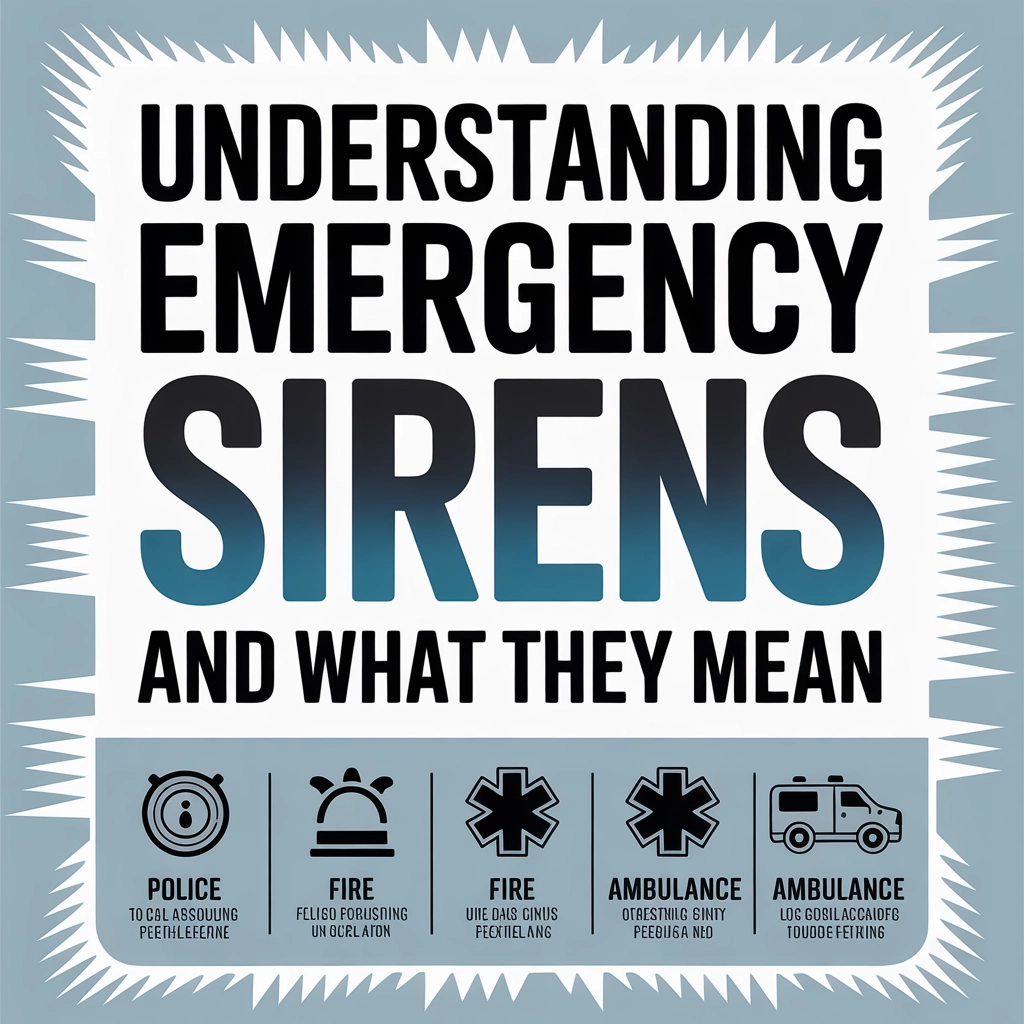
Ever been walking down the street when suddenly a loud WEEEE-OHHH-WEEEE-OHHH sound comes blasting through the air? Or maybe you've heard a steady, continuous tone that made your whole neighborhood perk up their ears? Those aren't just random noises, they're emergency sirens, and each one has a specific message to keep you and your family safe!
Think of sirens as a special language that emergency responders use to talk to everyone at once. Just like how different ringtones on your phone mean different things (maybe a special song for your best friend or a different sound for texts), emergency sirens have their own "vocabulary" that's super important to understand.
The Amazing World of Emergency Vehicle Sirens
When you see an ambulance, fire truck, or police car zooming by with lights flashing, they're not just making noise for fun. Each siren pattern is carefully chosen to tell other drivers exactly what's happening and how urgently they need to move out of the way.
The Yelp: The "Move Over NOW!" Sound
The yelp siren sounds like a really excited dog going "YIP-YIP-YIP-YIP" but much louder and more urgent. This rapid back-and-forth sound is perfect for busy city streets because it bounces off buildings and creates an echo effect that gets everyone's attention fast. When you hear a yelp, it's like the emergency vehicle is saying, "Hey! I need to get through RIGHT NOW!"
Police officers especially love using the yelp because it clears traffic quickly without being too overwhelming for people on the sidewalk. It's kind of like the difference between tapping someone on the shoulder versus shaking them: both get attention, but the yelp is more like a firm tap that says "excuse me" in emergency language.
The Wail: The Long-Distance Messenger
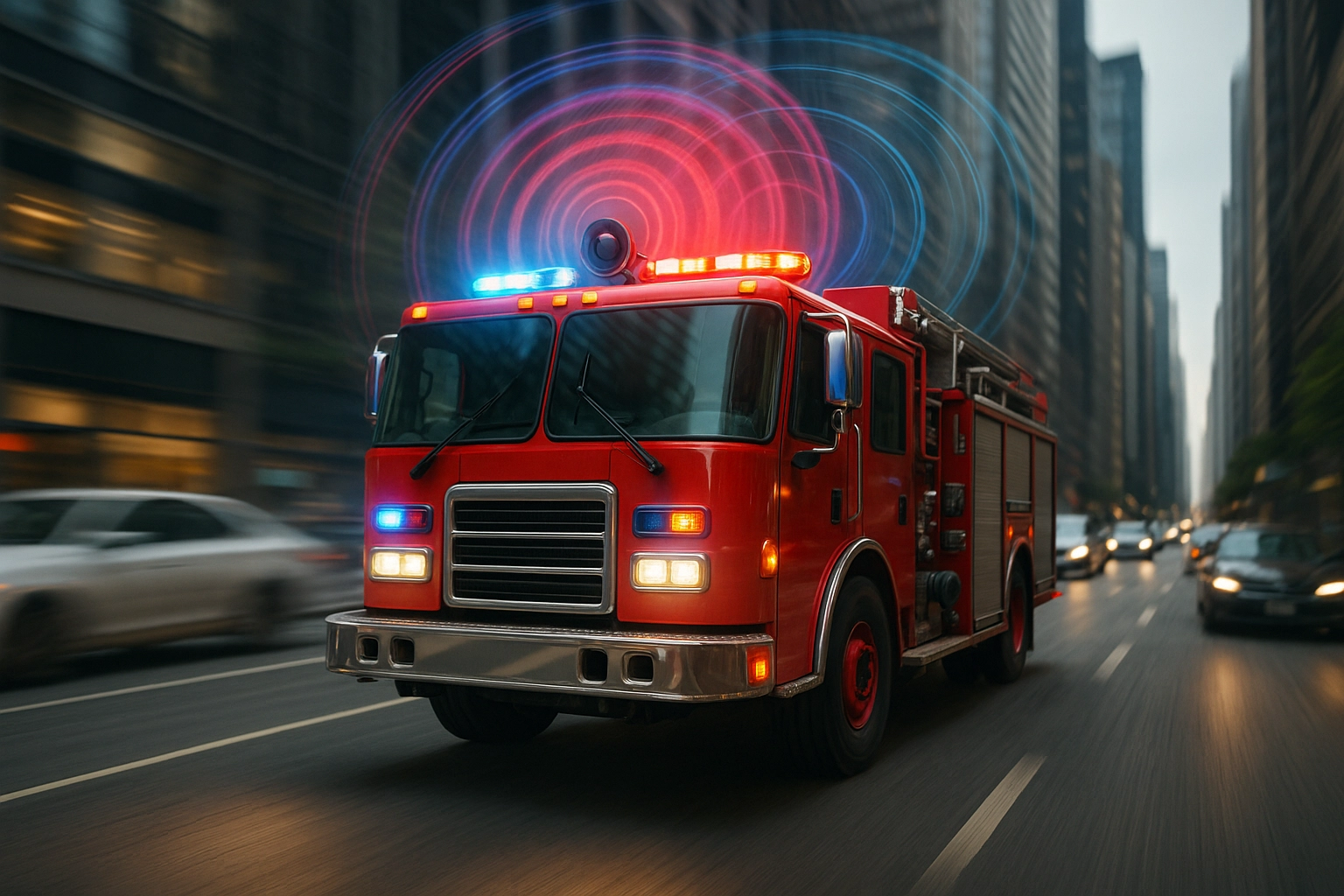
If the yelp is like a tap on the shoulder, the wail is more like calling someone's name from across a big field. It goes "WEEEEE-OHHHHH-WEEEEE-OHHHHH" with longer, slower sounds that can travel much farther distances. You'll hear this more in countryside areas or suburbs where emergency vehicles need to alert people who are spread out over larger areas.
The wail is perfect when an ambulance is still pretty far away but wants to let everyone know it's coming. It's like giving people a heads-up: "I'm not right behind you yet, but I'm on my way and I'll need you to move over soon!"
The Hi-Lo: The European Visitor
This one sounds totally different from American sirens: it goes "HEE-HAW, HEE-HAW" like a donkey, but way more official! The hi-lo siren originally came from Europe, and it's used for special situations here in the US. You might hear it when there are multiple emergency vehicles working together, or sometimes during funeral processions to show respect while still alerting traffic.
The Howler and Piercer: The Heavy-Duty Helpers
These are the tough guys of the siren world! The howler makes such low, powerful sounds that you can actually feel it in your chest: it's designed to get the attention of drivers who might have their music turned up way too loud or windows rolled up tight. If you've ever been in a car and suddenly felt like the whole vehicle was vibrating from a siren, that was probably a howler doing its job!
The piercer is like the yelp's hyperactive little brother: it's faster, sharper, and even more urgent. Emergency responders use it in super heavy traffic when they really, really need people to notice them immediately.
Community Warning Sirens: Your Neighborhood's Voice
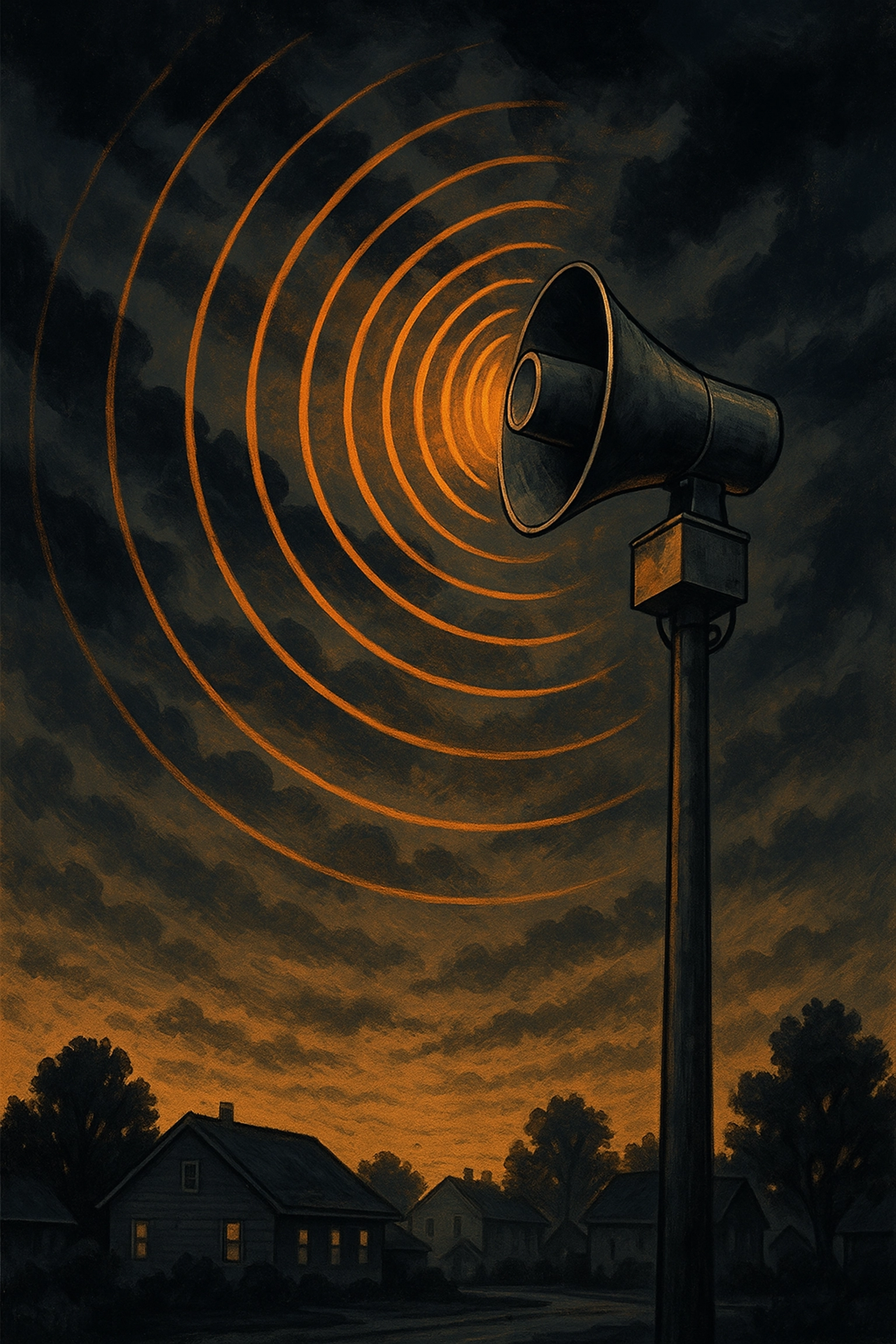
While emergency vehicle sirens are mobile and personal, community warning sirens are like having a giant megaphone for your entire town or city. These are the big sirens mounted on poles or buildings that can be heard for miles around.
The Alert Signal: "Pay Attention, Everyone!"
When you hear a single, steady tone that goes on for several minutes, that's the community alert signal. It's not trying to be fancy or complicated: it just wants to make sure every single person in the area knows that something important is happening and they need to take action right away.
This alert might mean:
- A tornado is heading your way
- There's a dangerous chemical spill
- Severe storms with dangerous winds are approaching
- Any other emergency that affects the whole community
The key thing to remember is that when you hear this steady tone, don't just stand there wondering what it means: get inside immediately and turn on your radio or TV to find out what's happening!
The Attack Signal: The Serious Warning
This siren has a very distinctive up-and-down, rising-and-falling sound that's specifically reserved for the most serious emergencies. Think of it as the community's way of saying, "This is not a drill, and this is really, really important."
The attack signal is used for homeland security emergencies or when there's an actual threat to the community's safety. It's different from the regular alert because it needs to stand out and make people understand that this situation is beyond the usual weather or accident emergencies.
Local Variations: Every Community Has Its Own Style
Just like how different families might have their own special traditions or ways of doing things, different communities sometimes use their own siren codes. It's kind of like how some families say "dinner time!" while others ring a dinner bell: same message, slightly different delivery.
Some towns use short bursts of sirens for different types of emergencies. For example:
- A 15-45 second two-tone sound might mean the fire department is responding to a call
- A 15-45 second rising-and-falling sound could indicate a rescue situation
- A full three-minute continuous tone often means tornado warning
- A three-minute rising-and-falling pattern might signal a major disaster
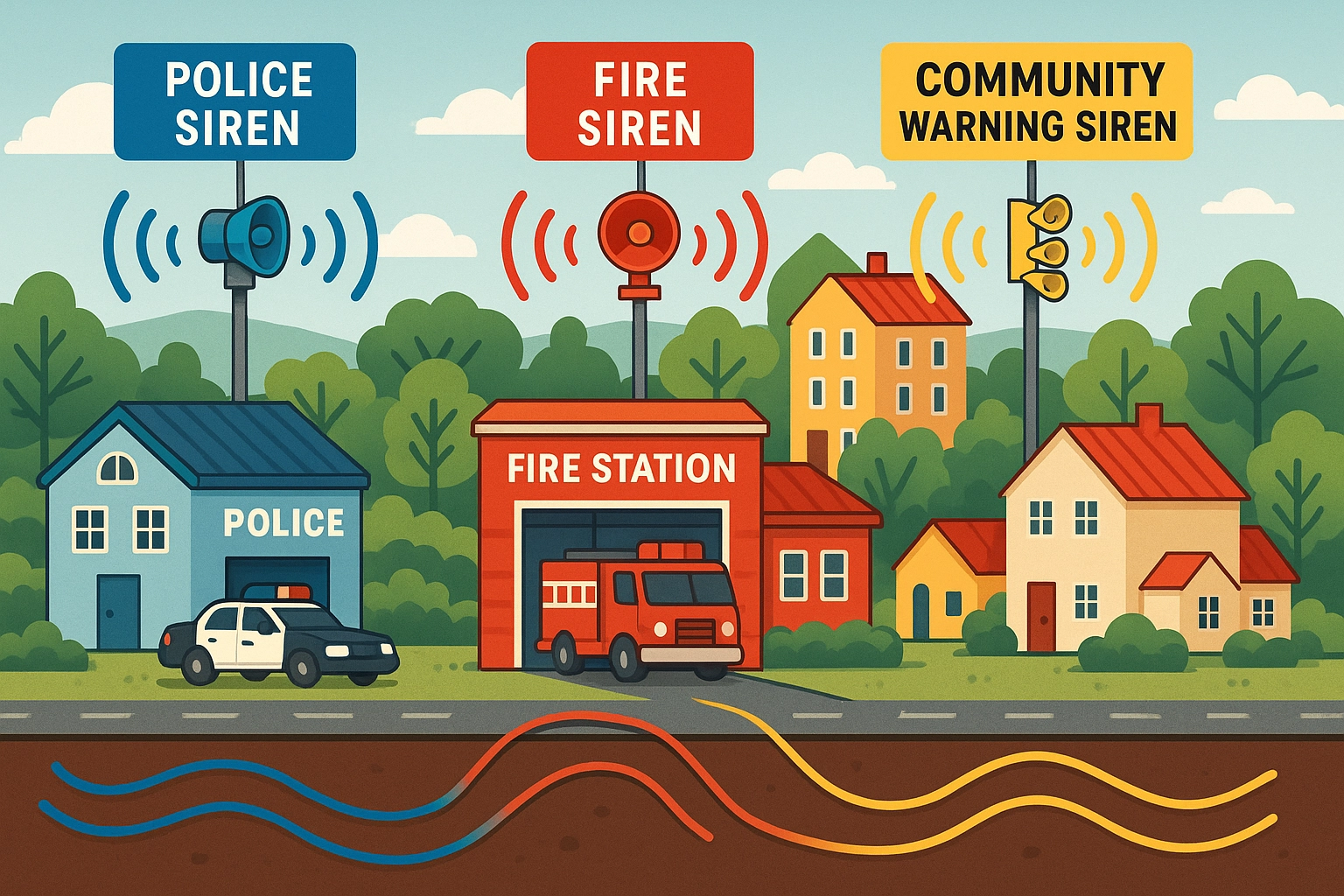
The cool thing is that most communities post their specific siren meanings on their websites or give out information cards to residents. It's like getting a translation guide for your town's emergency language!
What Should You Actually Do When You Hear Sirens?
Here's where the rubber meets the road: knowing what sirens mean is only half the battle. The other half is knowing how to respond properly.
For Emergency Vehicle Sirens:
When you hear any emergency vehicle siren, the rule is simple: safely move out of the way as quickly as possible. If you're walking, step to the side. If you're in a car with your family, pull over to the right side of the road and stop until the emergency vehicle passes.
For Community Warning Sirens:
When outdoor warning sirens go off (and it's not the first Tuesday of the month around 10 AM, which is when most places test their sirens), here's your action plan:
- Get inside a sturdy building immediately
- Turn on a battery-powered radio, TV, or check your phone for emergency alerts
- Follow the specific instructions you hear
- Don't call 911 just to ask what the siren means: save those phone lines for real emergencies
Making Sirens Less Scary
Let's be honest: sirens can be pretty loud and startling, especially for younger kids. But remember, sirens aren't trying to scare you; they're trying to protect you! Think of them as really loud friends shouting helpful warnings.
You can help make sirens less frightening by:
- Learning about them ahead of time (like you're doing right now!)
- Practicing what to do when you hear them
- Remembering that sirens mean help is on the way, not that something bad is definitely going to happen

The people who designed these siren systems spent a lot of time figuring out exactly which sounds would grab attention without causing panic. They use specific frequencies and patterns that our brains are wired to notice, but they're also designed to be informative rather than just scary.
Fun Siren Facts
Did you know that emergency sirens work kind of like musical instruments? They create sound waves that bounce around obstacles and can travel for miles. The reason they use those specific up-and-down patterns is because our brains are programmed to pay attention to sounds that change rapidly: it's an evolutionary thing that helped humans survive by noticing when something unusual was happening.
Also, the next time you hear a siren, listen carefully and see if you can identify which type it is. It's like being a detective, but for emergency sounds! Once you start paying attention, you'll be amazed at how much information these sirens are actually sharing.
The most important thing to remember is that sirens exist to keep communities safe. Whether it's helping an ambulance get to someone who needs medical help or warning everyone about severe weather, these sounds are part of an amazing system designed to protect you and everyone around you.
So the next time you hear those familiar wails, yelps, or steady tones, you'll know exactly what they mean and how to respond like a safety superstar!


Comments
Post a Comment