When to See a Doctor: Spotting Warning Signs in Kids
When to See a Doctor: Spotting Warning Signs in Kids

As parents, we've all been there – your little one is cranky, running a fever, or just "not acting like themselves." That pit in your stomach starts forming as you wonder: Is this serious? Should I call the doctor? Am I overreacting?
Here's the thing: when it comes to your kids' health, trusting your gut is never wrong. But knowing what specific warning signs to watch for can help you make confident decisions about when to seek medical care – and when it's truly an emergency.
The "Drop Everything and Go" Signs
Some symptoms require immediate medical attention, no questions asked. These are the warning signs that mean you should call 911 or head straight to the emergency room:
Breathing troubles top the list. If your child is gasping for air, breathing looks really hard work, or their lips or skin look blue or gray, don't wait. This could signal asthma, a severe respiratory infection, or something else that needs urgent care.
Sky-high fevers over 105°F in any child are serious business. But here's what many parents don't know: any fever in a baby under 2 months old is an emergency. For tiny babies under 1 month, even a slight fever means a trip to the hospital, no matter the time of day.

Allergic reactions can escalate quickly. If you see hives spreading, swelling around the eyes or mouth, or difficulty breathing after eating or taking medication, call for help immediately.
Mental changes are also red flags. If your child is extremely confused, won't wake up properly, or seems completely "out of it" in a way that's not normal for them, get medical help fast.
Little Ones Need Extra Attention
Babies under 3 months are in their own category when it comes to warning signs. Their immune systems are still developing, so they can go from fine to seriously ill much faster than older kids.
Call your pediatrician immediately if your baby:
- Seems limp or unusually hard to wake up
- Is breathing in a way that looks difficult – grunting, wheezing, or working really hard
- Throws up repeatedly or has projectile vomiting
- Refuses to eat twice in a row (this is huge for babies)
- Hasn't had a wet diaper in 8 hours or has constant watery stools
- Develops yellow skin or the whites of their eyes look yellow
- Cries in a high-pitched way for over an hour and nothing calms them down
For older babies and toddlers, the key thing to watch is how they're acting overall. If your usually active 18-month-old suddenly won't play, eat, or even react to their favorite toy during what seems like a regular cold, that's your cue to call the doctor.
Fever Facts Every Parent Should Know
Let's talk about fevers, because they're probably the #1 reason parents lose sleep (literally). While fevers are super common and usually not dangerous, certain patterns need medical attention.
The 4-5 day rule: Any fever lasting more than four to five days needs a doctor's eyes on it, even if your child seems relatively okay otherwise.
High fevers in little ones: For babies under 1 year old, a fever over 102°F that lasts more than two days without an obvious cause (like after vaccinations) should be checked out.
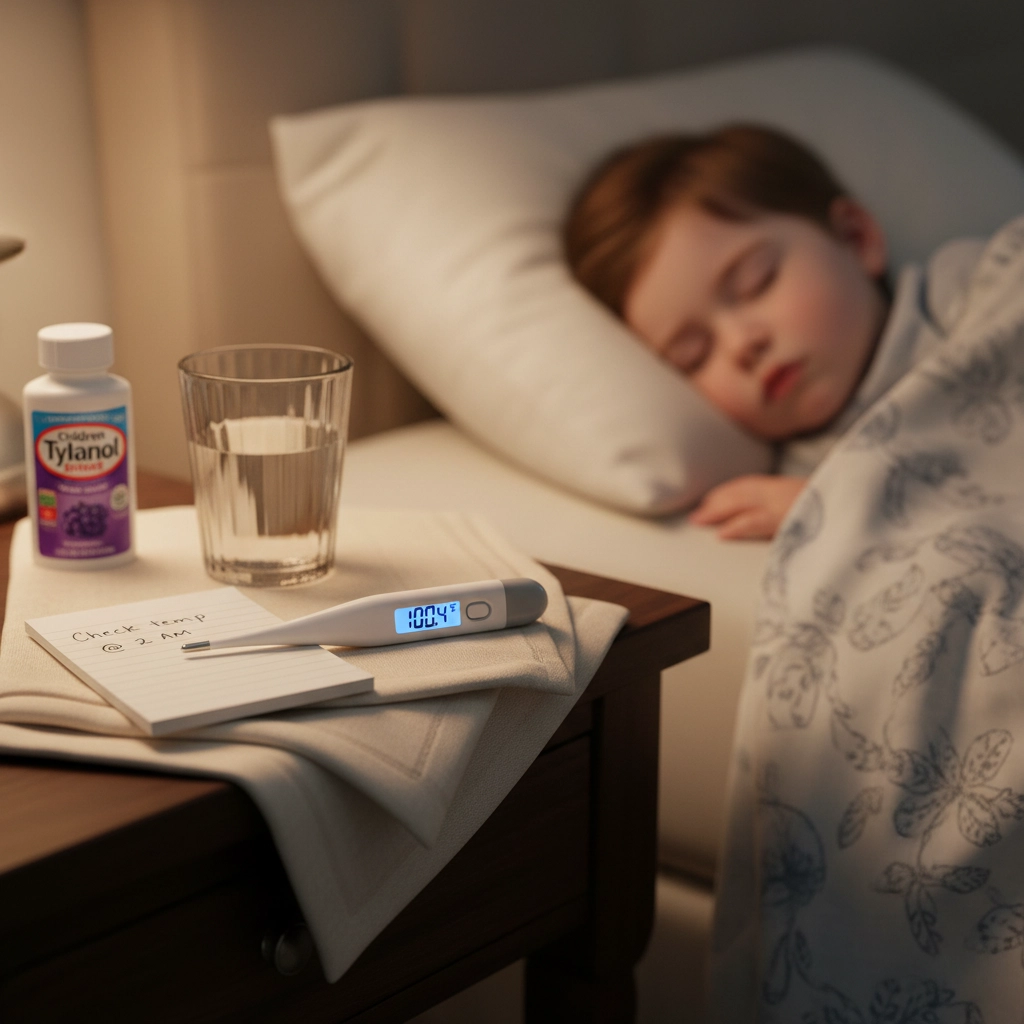
The fever itself isn't always the problem – it's what comes with it. A 3-year-old with a 101°F fever who's still playing and drinking water is usually less concerning than a child with a lower fever who won't lift their head off the couch.
When Your Child Won't Drink or Eat
Dehydration sneaks up fast, especially in smaller kids. Watch for these warning signs:
- No pee for 12 hours (or way fewer wet diapers than usual)
- Dry, sticky mouth and no tears when crying
- Your child seems floppy or unusually sleepy
- They refuse all fluids for more than 6 hours
Even picky eaters usually drink something when they're sick, so a complete refusal of liquids is a bigger deal than skipping meals.
Skin Signs That Need Attention
Most childhood rashes are harmless, but some require quick action. Call immediately if you see:
- A rash that looks like tiny red or purple dots that don't turn white when you press on them (this could indicate a serious condition like meningitis)
- Any rash that spreads quickly or comes with a high fever
- Skin that looks like it's bleeding underneath
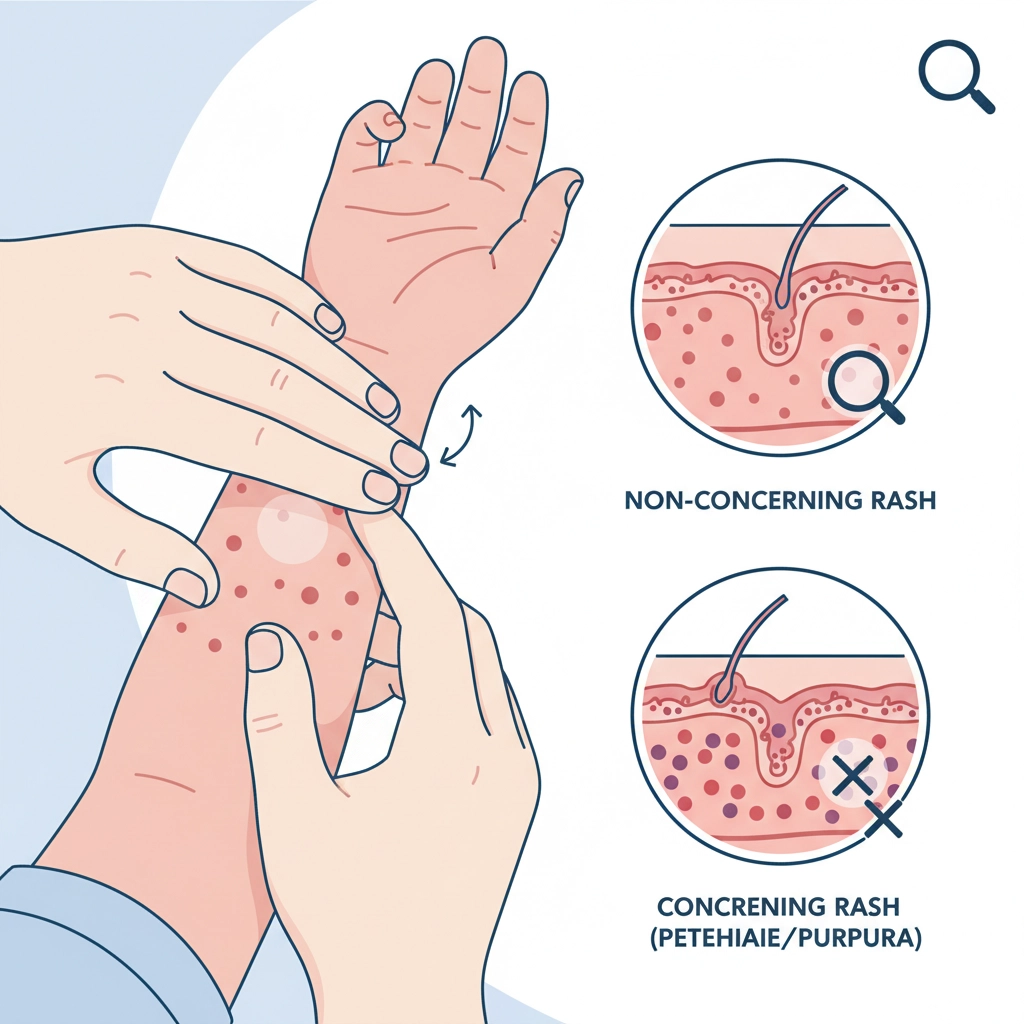
For regular rashes, taking a photo can help your doctor assess whether you need to come in right away or if it can wait for regular office hours.
Don't ignore eye problems either. Red, itchy, or goopy eyes might seem minor, but eye infections can get serious quickly in kids. When in doubt, have them checked.
Tummy Troubles and Pain
Stomach pain lasting more than 2 hours or getting worse over time needs medical attention, especially if it's focused on the lower right side of the belly. Kids often can't describe pain well, so watch their behavior – are they doubled over? Refusing to walk? These are clues.
Blood in vomit or poop is another "call the doctor now" situation, even if it's just a small amount.
When Home Remedies Aren't Working
Sometimes the biggest warning sign is that nothing you're doing is helping. If you've given appropriate doses of children's acetaminophen or ibuprofen and your child's symptoms aren't improving after a couple of days, it's time for professional help.
The same goes for colds that seem to drag on forever. Most childhood colds peak around day 3-5 and then start getting better. If symptoms are still going strong after 7 days, or if they seem to be getting worse instead of better, schedule an appointment.

Trust Your Parent Radar
Here's something they don't teach you in parenting books: you know your child better than anyone. If something feels "off" – even if you can't put your finger on exactly what – it's okay to call your pediatrician and describe what you're seeing.
Good pediatric offices are used to concerned parent calls, and most have nurse hotlines specifically for these situations. They'd rather you call with questions than have you worry all night or miss something important.
Making the Call
When you do call your doctor's office, having some basic information ready helps:
- Your child's temperature (and how you took it)
- When symptoms started
- What you've tried at home
- Any medications your child takes regularly
- Whether they're eating, drinking, and peeing normally
Many pediatric practices have after-hours nurses who can help you decide if something needs immediate attention or can wait until regular office hours.
The Bottom Line
Being a parent means making judgment calls about your child's health, and that can feel overwhelming. Remember that seeking medical advice when you're concerned isn't being overprotective – it's being responsible.
Some situations are clear emergencies, others need same-day attention, and many can wait for a regular appointment. When you're not sure which category your child's symptoms fall into, don't hesitate to make that phone call. A quick conversation with a medical professional can give you peace of mind and ensure your little one gets the right care at the right time.
Your instincts as a parent are powerful tools. Combined with knowledge about warning signs, they'll help you navigate those scary moments when your child isn't feeling well and guide you toward the best care for your family.


Comments
Post a Comment