Handling Medical Emergencies: Who To Call and What To Do
Handling Medical Emergencies: Who To Call and What To Do
Picture this: You're hanging out at home when suddenly someone gets hurt or feels really sick. Your heart starts racing, your mind goes blank, and you're thinking, "What do I do?!" Don't worry – we've all been there, and knowing what to do ahead of time can make you the hero of the day.
Medical emergencies can be scary, but they don't have to leave you feeling helpless. Whether you're a kid, teen, or parent, having a game plan makes all the difference. Let's break down everything you need to know about handling medical emergencies like a pro!
The Magic Numbers: Who to Call When
911 - Your Emergency Superhero Hotline
911 is like having a superhero on speed dial. This number connects you instantly to paramedics, police, and firefighters who are trained to handle life-threatening situations. When you call 911, you're getting people who can rush to help AND have all the cool medical equipment to save lives.
Think of 911 as your "this is really, really serious" button. It's free to call from any phone, including cell phones, and works even if you don't have service with that carrier.
988 - The Mental Health Lifeline
Sometimes emergencies aren't physical – they're emotional or mental. The 988 Suicide & Crisis Lifeline is available 24/7 for anyone having thoughts of self-harm or going through a mental health crisis. This number connects you with trained counselors who know exactly how to help.

112 - The International Helper
If you're traveling or your phone is being weird, 112 is another emergency number that works in many countries and will often connect you to local emergency services. It's like 911's international cousin!
When to Hit That 911 Button
Not every medical situation needs 911, but some definitely do. Here's your quick guide to "when to panic" (in a good way):
The "Call 911 RIGHT NOW" List
Breathing Problems:
- Someone can't breathe or is turning blue
- Severe chest pain
- Choking (and the Heimlich maneuver isn't working)
Brain and Body Stuff:
- Someone is unconscious or won't wake up
- Seizures, especially if they last more than 5 minutes
- Sudden confusion, trouble speaking, or numbness
- Bad head injury with vomiting
Bleeding and Injuries:
- Heavy bleeding that won't stop even with pressure
- Broken bones sticking out through the skin (gross but serious!)
- Severe burns
- Any injury from a serious accident
Poisoning and Overdoses:
- Someone ate or drank something poisonous
- Drug overdose
- Severe allergic reactions with trouble breathing
Heart and Temperature Issues:
- Heart beating super fast (over 120-150 beats per minute) while resting
- Extremely high fever with other scary symptoms
- Someone is way too hot or too cold and seems really sick
When to Skip the Ambulance and Go Straight to the ER
Sometimes you need emergency help but can get there faster by driving (safely!) to the hospital. Head straight to the emergency room for:
- Breathing problems that aren't life-threatening but still concerning
- Eye injuries
- Bad burns that aren't life-threatening
- Head injuries with some vomiting
- Unusual sleepiness or mild confusion
- Stiff neck with fever
The emergency room is like a 24/7 medical superhero headquarters with all the fancy equipment and specialists ready to help.
What to Do While You Wait for Help
Calling for help is just the first step. Here's how to be useful while waiting for the pros to arrive:
Stay Calm and Be the Leader
Take a deep breath. Your calm energy helps everyone else stay calm too. Remember, help is on the way!
Gather Information
Be ready to answer these questions when emergency services arrive:
- What happened?
- When did it happen?
- Is the person awake and talking?
- Are they breathing normally?
- Any allergies or medical conditions you know about?
Keep the Person Comfortable
- Help them lie down if they're dizzy
- Loosen tight clothing
- Keep them warm with a blanket
- Don't give them food or water (they might need surgery)
Control Bleeding
If someone is bleeding, apply direct pressure with a clean cloth or towel. Don't remove objects stuck in wounds – let the paramedics handle that!

Stay with Them
Your presence alone can be incredibly comforting. Talk to them, hold their hand if appropriate, and let them know help is coming.
Creating Your Family Emergency Plan
Every family should have a plan that everyone knows by heart. Here's what to include:
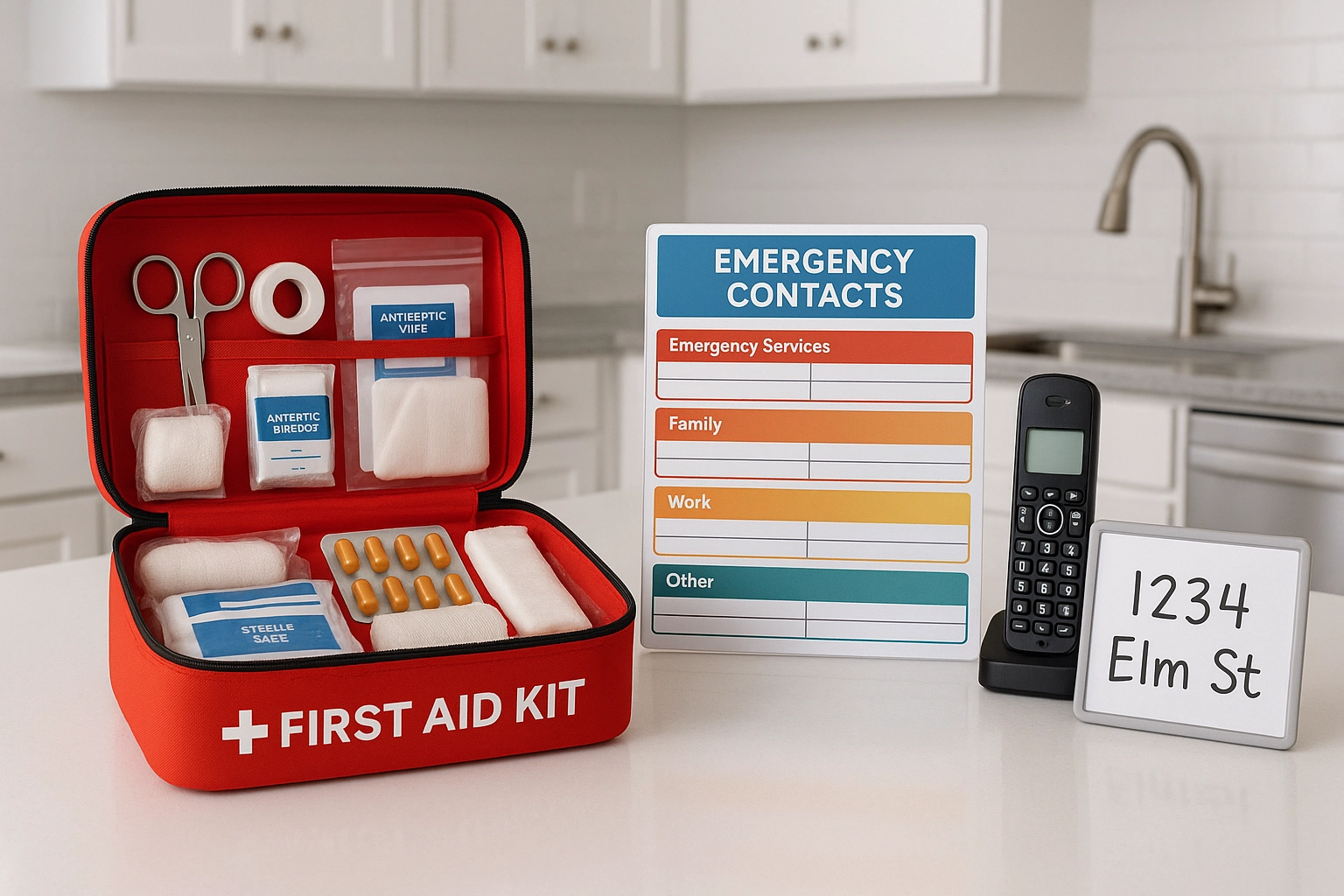
Emergency Contact List
Create a list that includes:
- 911
- Local hospital phone number
- Family doctor
- Poison Control Center: 1-800-222-1222
- Parents' work and cell numbers
- A trusted neighbor or relative nearby
Medical Information Sheet
Keep a sheet with important info for each family member:
- Allergies
- Current medications
- Medical conditions
- Blood type (if known)
- Emergency contacts
Location Information
Make sure everyone knows your home address by heart. In an emergency, you might need to tell 911 exactly where you are.
Special Situations to Remember
At School or Public Places
If an emergency happens when you're not at home:
- Find the nearest adult in charge
- Ask them to call 911
- Stay with the injured person if it's safe
- Know your school's emergency procedures
When Adults Aren't Around
If you're home alone or the only older kid around:
- Call 911 first
- Then call a parent or trusted adult
- Follow the 911 operator's instructions exactly
- Don't hang up until they tell you to
For Younger Kids
If you're helping a little kid:
- Use simple, calm words
- Distract them with a favorite toy or song while waiting for help
- Make sure they stay still if they might have a serious injury
Practice Makes Perfect
The best way to handle emergencies is to practice before they happen. Here are some fun ways to prepare:
Family Emergency Drills
Practice your emergency plan just like you practice fire drills. Make it a game – who can remember all the emergency numbers? Who can find the first aid kit the fastest?
Learn Basic First Aid
Take a first aid class as a family. Many community centers, schools, and organizations like the Red Cross offer classes designed for different age groups.
Role-Playing Games
Practice different emergency scenarios. One person pretends to be hurt while another practices calling for help and giving first aid. Switch roles so everyone gets practice.

Remember: You're Braver Than You Think
Medical emergencies are scary, but you're more capable of helping than you might think. Even young kids have saved lives by knowing when to call 911 and staying calm under pressure.
The most important thing to remember? It's better to call for help when you're not sure than to wait and wish you had called sooner. Emergency responders would much rather come check on someone who turns out to be okay than arrive too late to help someone who really needed them.
Keep this guide handy, practice with your family, and remember – you've got this! When emergencies happen, you'll be ready to spring into action and potentially save the day.
Stay safe out there, and remember: knowing what to do makes you a real-life hero in training!


Comments
Post a Comment