Simple Ways to Avoid Household Accidents
Simple Ways to Avoid Household Accidents
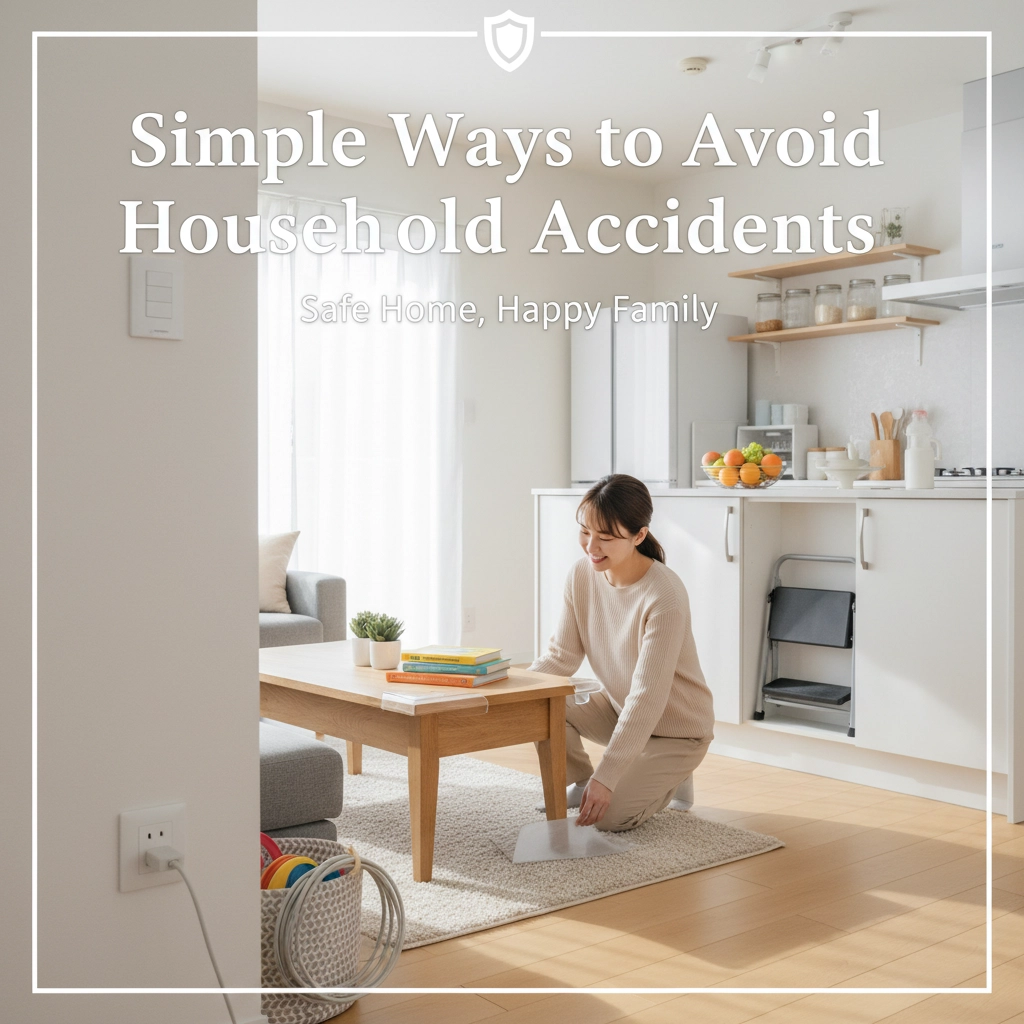
Home should be the safest place on earth, right? Well, here's a reality check that might surprise you – most accidents actually happen right in our own homes! But don't worry, I'm not trying to scare you. Instead, I want to share some super simple ways to turn your house into the safe haven it should be.
Whether you're a parent trying to keep your little ones safe, a teen learning to be more responsible, or just someone who wants to avoid those "ouch" moments, these tips will help you create a safer home environment without turning your place into a boring safety fortress.
Keep It Clean and Clutter-Free (Yes, Even That Chair Covered in Clothes!)
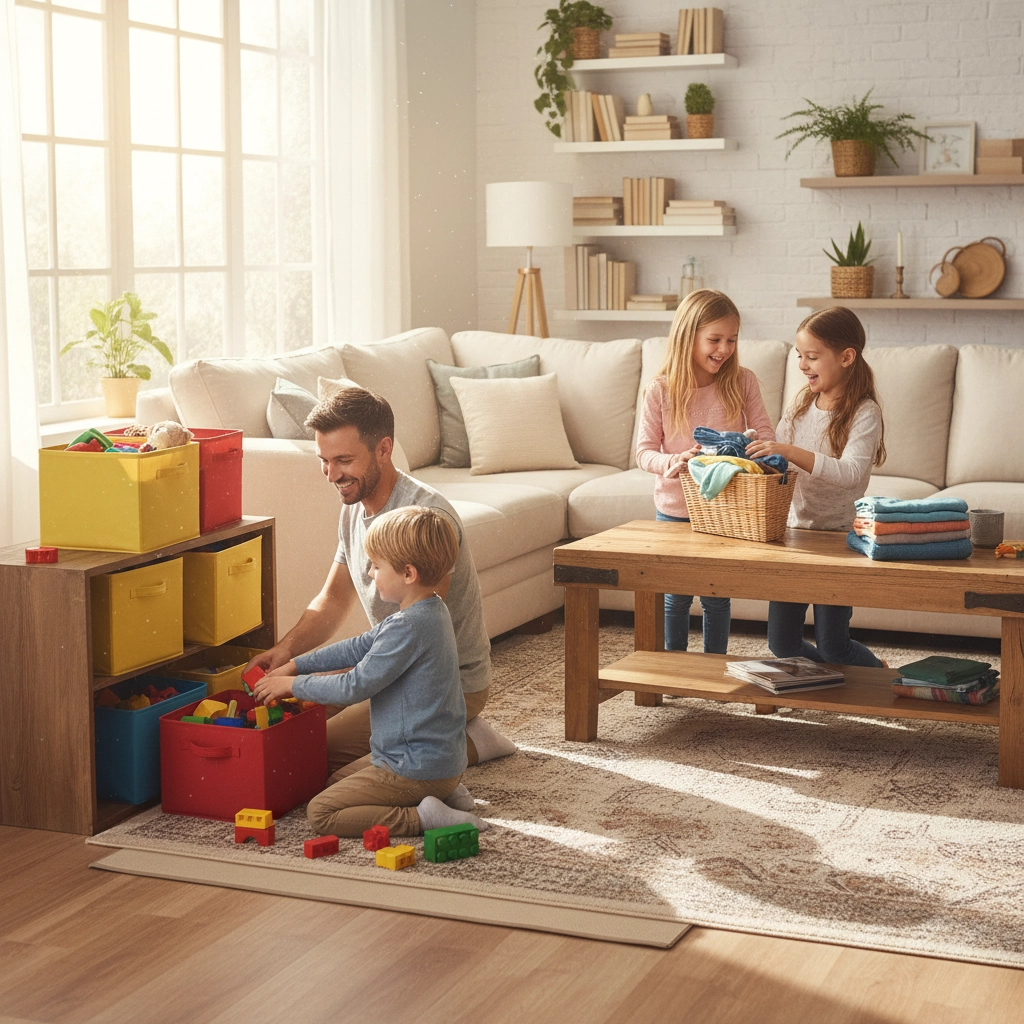
Let's start with the basics – keeping your home tidy isn't just about looking good for surprise visitors. A clutter-free home is a safer home! Those shoes kicked off by the front door? That stack of mail on the coffee table? They're all potential tripping hazards waiting to catch someone off guard.
Make it a family rule to put things away immediately after use. Toys, clothes, books, and random items shouldn't live on the floor. Create designated spots for everything, and make tidying up a fun family activity. You could even turn it into a game – see who can clear their area the fastest!
Spills are another sneaky danger. Whether it's water from a leaky cup, grease from cooking, or juice from an overeager toddler, clean up spills immediately. That "I'll get it later" attitude is how people end up doing unplanned splits across the kitchen floor!
And here's a pro tip about area rugs – they might look nice, but they can be slippery little troublemakers. Secure them with non-skid pads or double-sided tape. Trust me, your future self will thank you when you're not sliding across the living room like you're on ice.
Stairway Safety: More Important Than You Think
Stairs might seem innocent enough, but they're actually one of the most common places for household accidents. Let's make sure yours are as safe as possible.
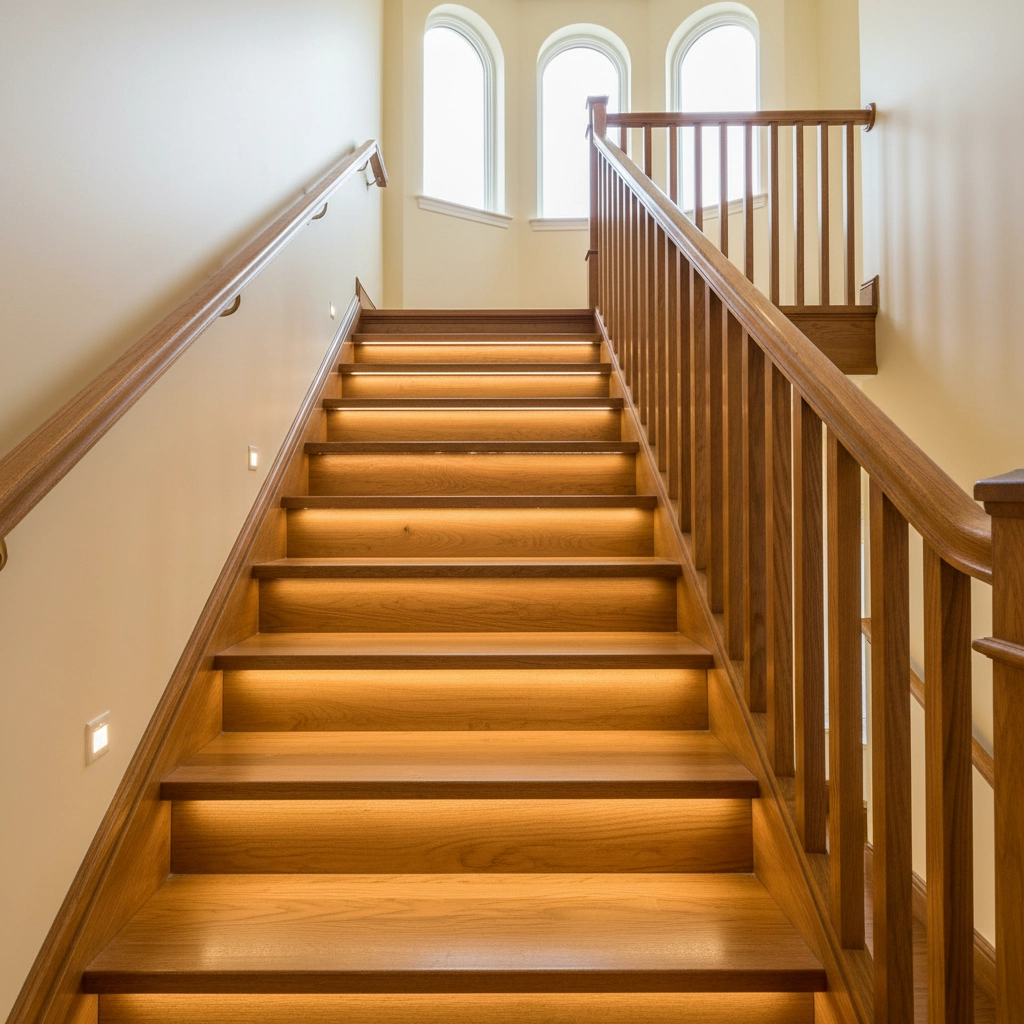
First up – handrails. They should run the entire length of your staircase, not just partway. If your handrails are loose or wobbly, get them fixed ASAP. They're not just decoration; they're there to keep you upright!
Keep stairs clear of everything. No storing items "just for a second" on the steps. No area rugs at the top or bottom of stairs – these create extra tripping hazards. If you have carpeted stairs, make sure they're securely fastened and not worn or loose.
For basement stairs, consider adding some sand to your paint to create better traction. And here's a neat trick for outdoor steps – paint the edges white so they're visible even in low light. It's a simple way to prevent those stumbles when you're coming home after dark.
Bathroom Safety: Slips, Scalds, and Simple Solutions
Bathrooms can be danger zones with all that water and hard surfaces, but a few simple changes can make them much safer for everyone.
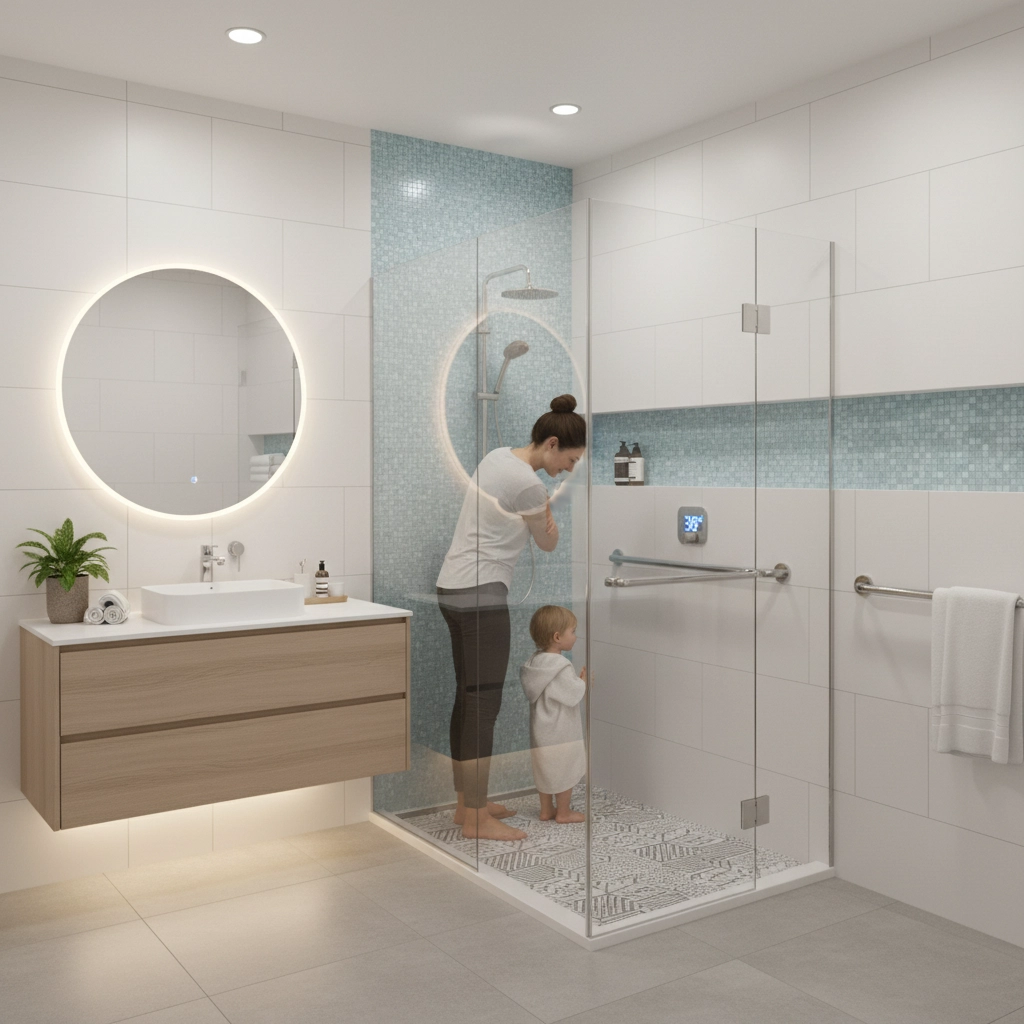
Grab bars aren't just for elderly folks – they're smart for everyone! Install them in showers and near the tub. Non-slip mats are your friends too, especially in the shower or tub area. Just make sure to replace them when they start looking worn or losing their grip.
Water temperature is a bigger deal than most people realize. Set your hot water heater to 120°F or lower to prevent accidental burns. This is especially important if you have young kids or elderly family members who might not react quickly to hot water.
Always test bath water with your elbow before putting little ones in – it's more sensitive to temperature than your hands. And never, ever leave children unattended in the bath, not even for a second.
Kitchen Safety: Where the Heat Is On
The kitchen is the heart of the home, but it's also where lots of accidents happen. Hot surfaces, sharp objects, and busy family life can be a recipe for trouble if you're not careful.
Keep pot handles turned inward so they can't be bumped or grabbed by curious kids. Be extra careful with hot beverages – coffee spills can cause serious burns, and kids love to pull on tablecloths or runners, sending hot drinks flying.
Store knives properly in a knife block or on a magnetic strip, never loose in drawers where someone might reach in and get cut. Keep cutting boards stable while you're using them – a slip of the knife can lead to a trip to the emergency room.
Make sure small kids can't reach hazardous areas. Use safety latches on cabinets with cleaning supplies, and always cut food into appropriate sizes to prevent choking hazards.
Child Safety: Beyond the Obvious
If you have little ones around, childproofing goes way beyond outlet covers and cabinet locks. Let's talk about some safety measures you might not have considered.
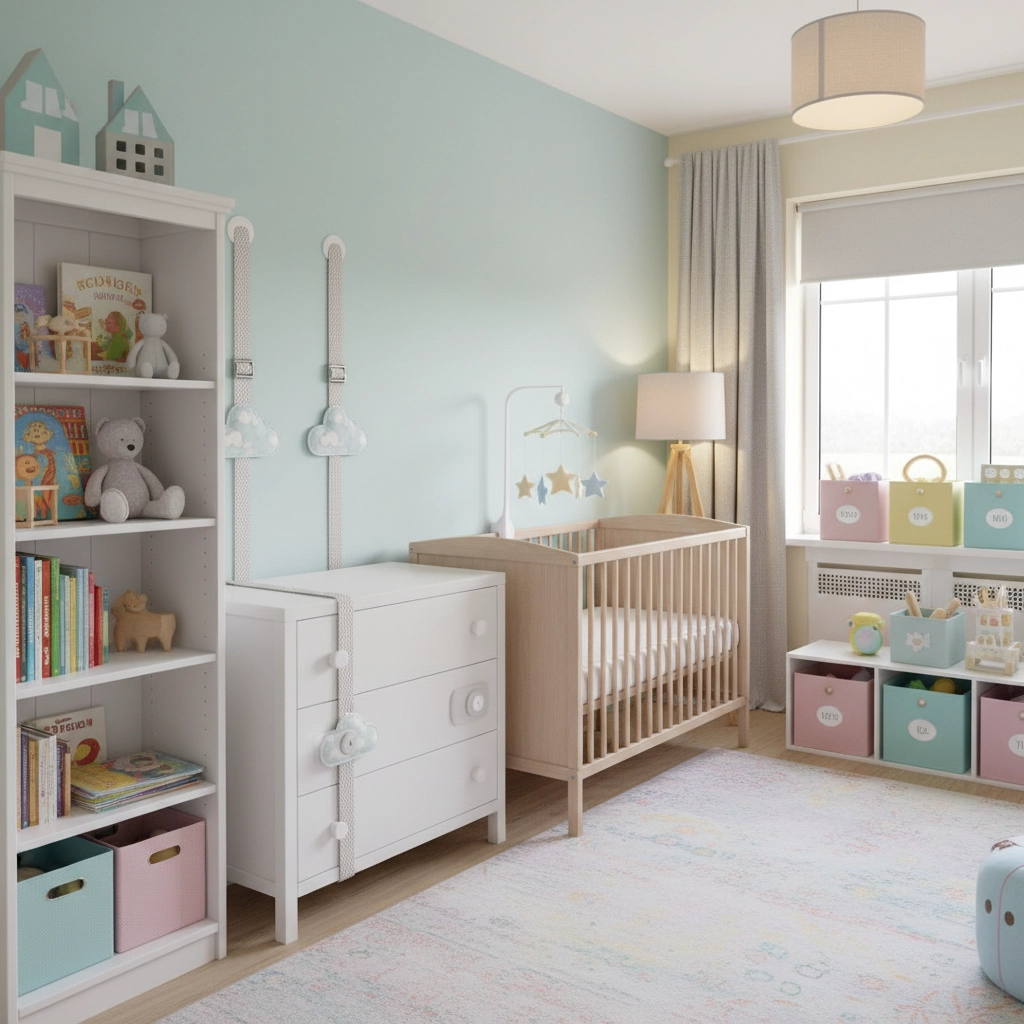
Heavy furniture is more dangerous than most people realize. Televisions, bookshelves, and dressers should be anchored to the wall. Kids love to climb, and falling furniture can cause serious injuries or worse.
Small objects are choking hazards, but so are things you might not think about – like button batteries, which can be fatal if swallowed. Keep these items well out of reach.

Blind cords and chains need safety devices, and beds or cribs should be away from windows. Storage bags and plastic bags should be stored safely – they can cause suffocation.
Check your home from a kid's perspective – get down on their level and look around. What can they reach? What looks interesting enough to grab or put in their mouth?
Emergency Preparedness: Hope for the Best, Prepare for the Rest
Being prepared for emergencies isn't being paranoid – it's being smart. Keep a well-stocked first aid kit in an easily accessible location. Make sure everyone in the family knows where it is and how to use the basics.
Flashlights and batteries should be available throughout the house, not just in one junk drawer somewhere. Power outages happen, and stumbling around in the dark is a recipe for accidents.
Test your smoke and carbon monoxide detectors monthly. Carbon monoxide is especially dangerous because you can't smell, see, or taste it. Working detectors save lives – make sure yours are doing their job.
Keep emergency numbers posted where everyone can see them, including local emergency services, poison control, and your family doctor. In a crisis, people sometimes forget even familiar numbers.
Simple Daily Habits That Make a Big Difference
Safety doesn't have to be complicated. Some of the most effective accident prevention comes from simple daily habits:
- Put things away immediately after using them
- Wipe up spills as soon as they happen
- Check that doors and windows are properly secured
- Keep walkways clear and well-lit
- Store hazardous items properly every time
- Do a quick safety scan when you enter a room
Make these habits part of your routine, and they'll become second nature. Get the whole family involved – even young kids can help with simple tasks like putting toys away or wiping up their own spills.
Making Safety a Family Affair
The best safety measures are the ones that everyone in the family understands and follows. Talk to your kids about why these rules exist – not to make life boring, but to keep everyone safe and happy.
Create age-appropriate safety rules and make sure everyone knows them. Practice what to do in emergencies. Make safety discussions positive and empowering rather than scary.
Remember, a safe home doesn't have to be a sterile home. You can have a warm, welcoming, fun place to live that's also safe for everyone. It just takes a little planning, some simple changes, and good habits.
Start with one or two areas and gradually work through your home. Don't try to do everything at once – that's overwhelming and less likely to stick. Focus on the most important changes first, then build from there.
Your home should be your sanctuary, a place where you can relax and feel secure. With these simple steps, you're well on your way to creating exactly that kind of space for you and your family.


Comments
Post a Comment