Street Smart Secrets: Walking, Biking & Riding Safely in Your Neighborhood
Street Smart Secrets: Walking, Biking & Riding Safely in Your Neighborhood
Hey there, neighborhood explorers! Ready to become a street safety superstar? Whether you're walking to a friend's house, biking to the park, or just cruising around your block, knowing how to stay safe while having fun is like having a secret superpower. Let's dive into the street smart secrets that'll keep you and your family safe while exploring your neighborhood!
The Street Smart Basics: See, Be Seen, and Stay Smart
Think of street safety like a three-part recipe for awesome adventures. First, you need to see everything around you, cars, other people, and potential hazards. Second, you need to be seen by everyone else, especially drivers. And third, you need to stay smart by making predictable, safe choices.
The golden rule? Never assume anyone sees you, even when you're following all the rules perfectly. Make eye contact with drivers before crossing streets, wave if you need to, and always trust your gut if something doesn't feel right.
Walking Like a Neighborhood Pro
Walking might seem super simple, but there are some ninja-level tricks that can keep you extra safe. Always use sidewalks when they're available, they're like your personal safety zone. But what if there's no sidewalk? No problem! Walk facing traffic (so you can see cars coming toward you) and stay as far from the road as possible.
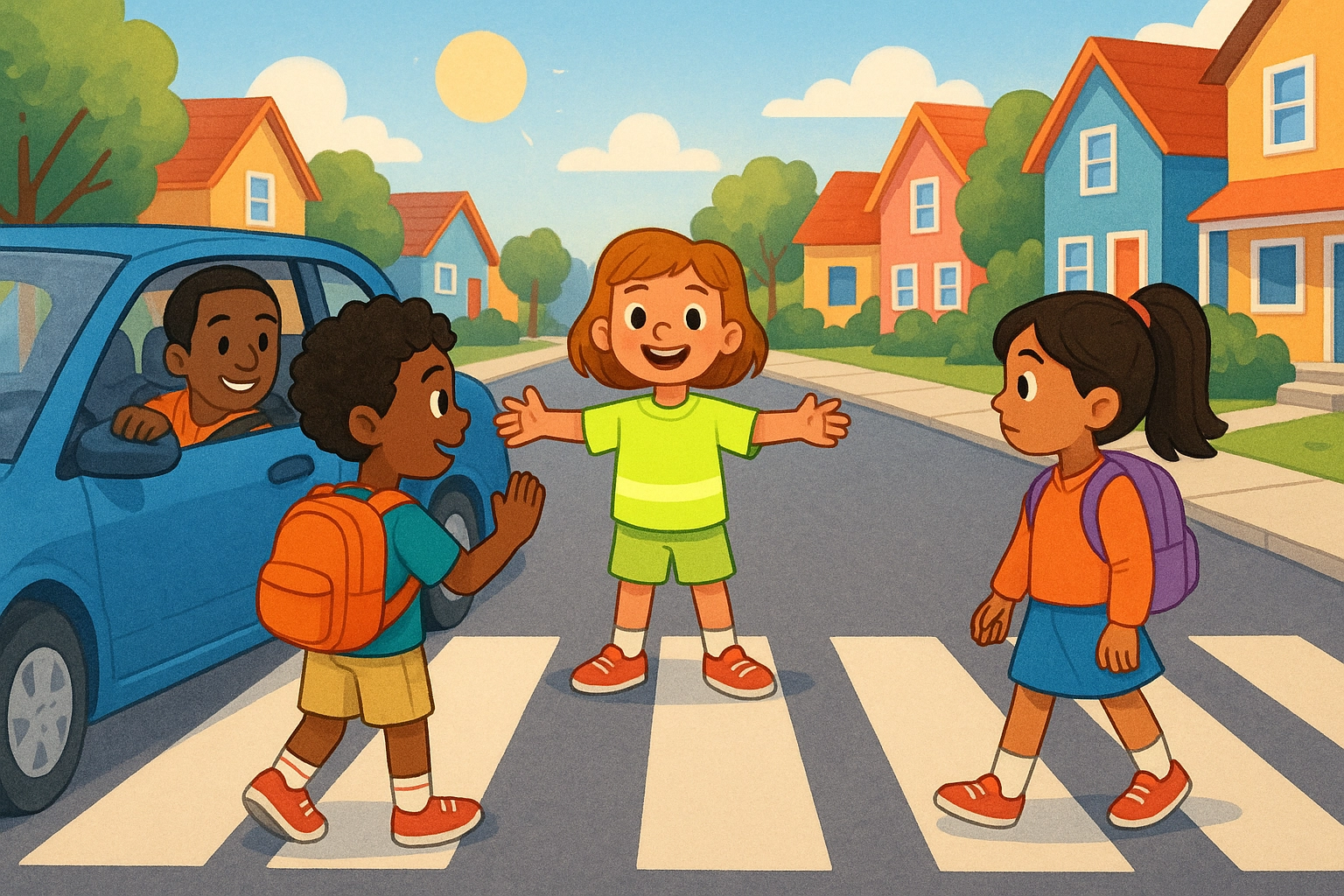
Here's a fun challenge: Practice the "driver eye contact game" with your family. Before stepping into any crosswalk, make sure you can see the driver's eyes, and they can see yours. It's like a friendly "hello, I'm here!" moment that keeps everyone safe.
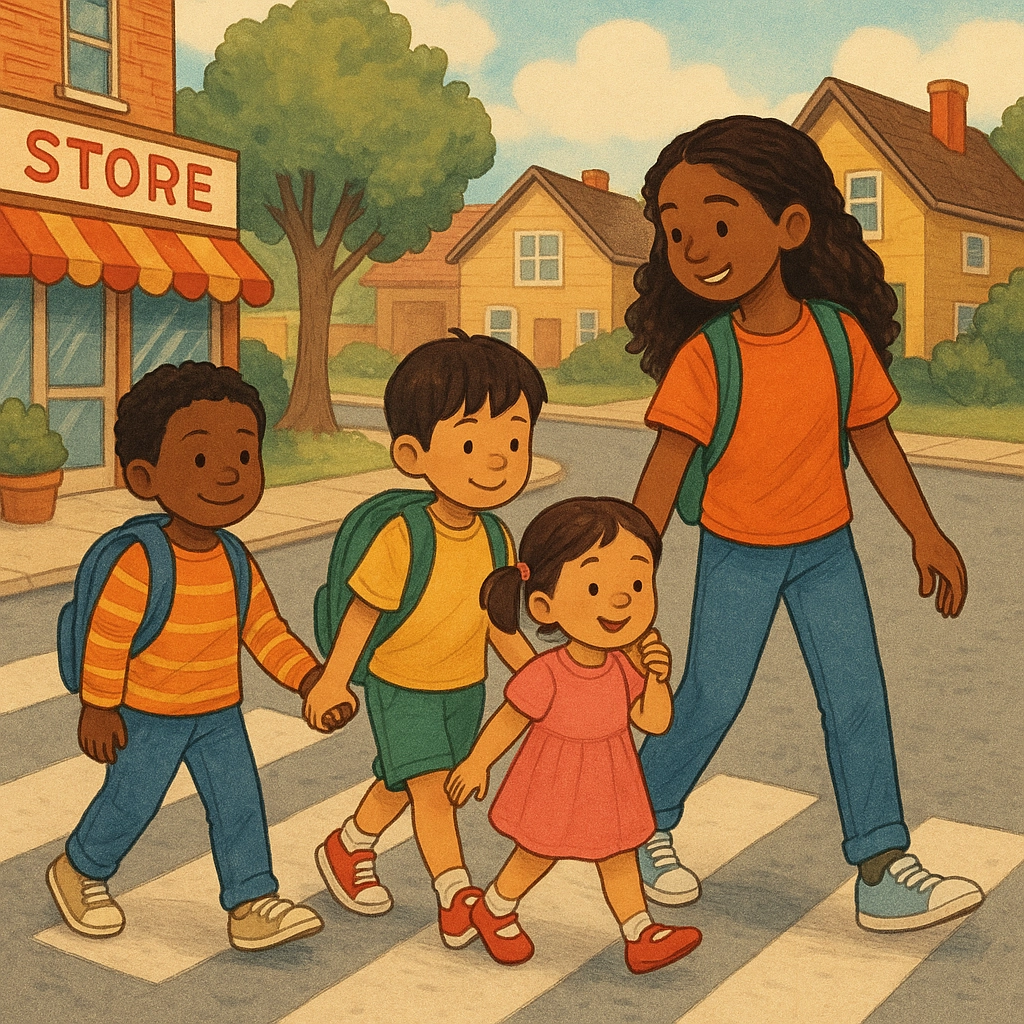
Crossing streets is where things get really important. Always cross at corners or marked crosswalks where drivers expect to see people. Look left, right, then left again, and keep looking while you cross! Even when you have the walk signal, cars might be turning, so stay alert until you reach the other side safely.
Biking Adventures: Your Two-Wheeled Safety Guide
Biking around the neighborhood is amazing, but it comes with its own set of safety secrets. First up: choose your route wisely. Bike lanes are your best friend when they're available, but if your neighborhood doesn't have them, stick to quieter streets with less traffic. Surprisingly, sidewalks aren't always the safest choice for bikes, they're made for walking speed, not biking speed!
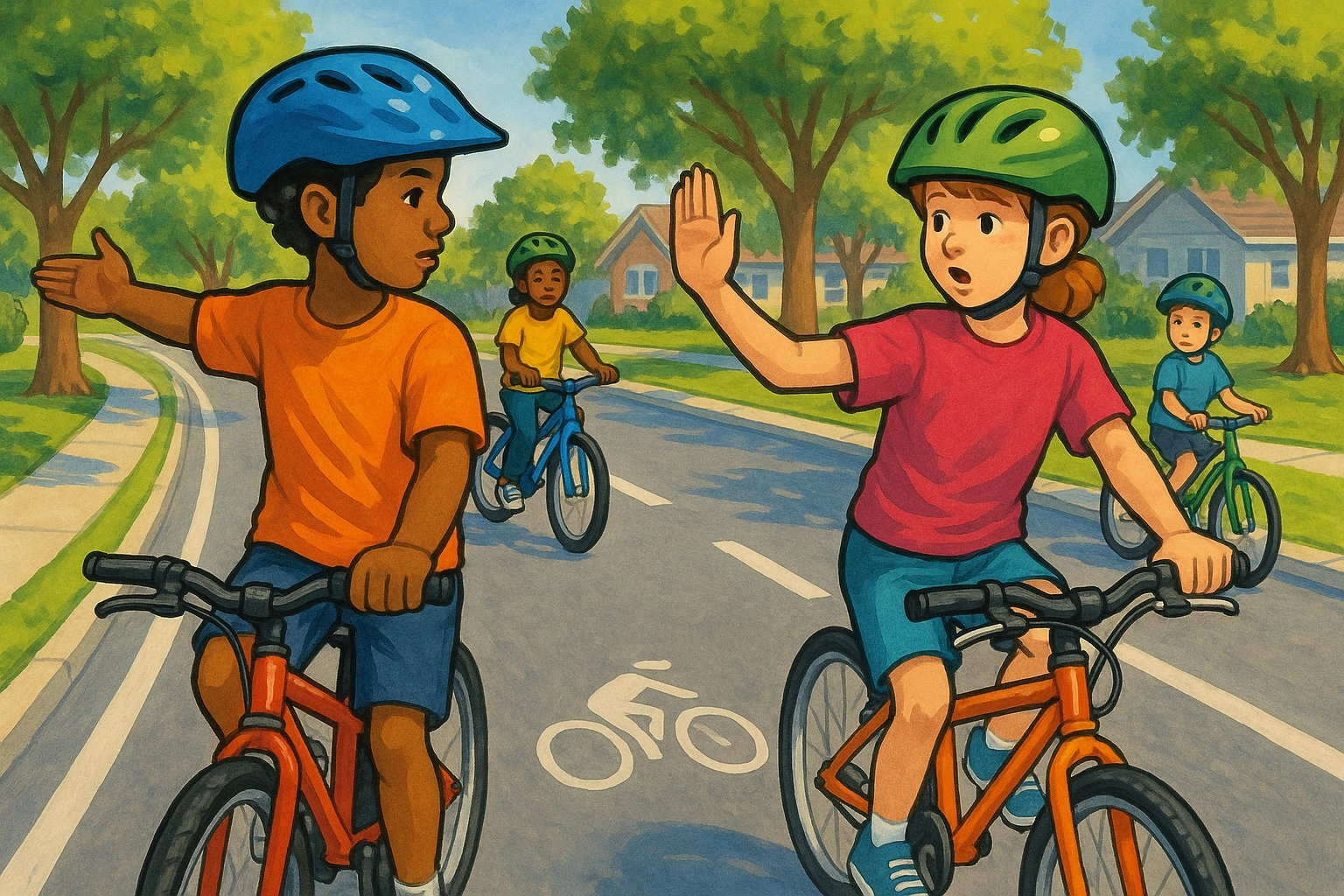
Hand signals are like your bike's turn signals. Practice these with your family:
- Left turn: Left arm straight out
- Right turn: Right arm straight out (or left arm bent upward)
- Stop: Left arm bent downward
Make your signals clear and early so everyone knows what you're planning to do. Think of yourself as the director of your own safety movie!
When you're biking, follow the same rules as cars do. That means stopping at stop signs (yes, really!), obeying traffic lights, and riding in the same direction as traffic. You're basically a small, awesome vehicle, so act like one!
Gear Up for Safety Success
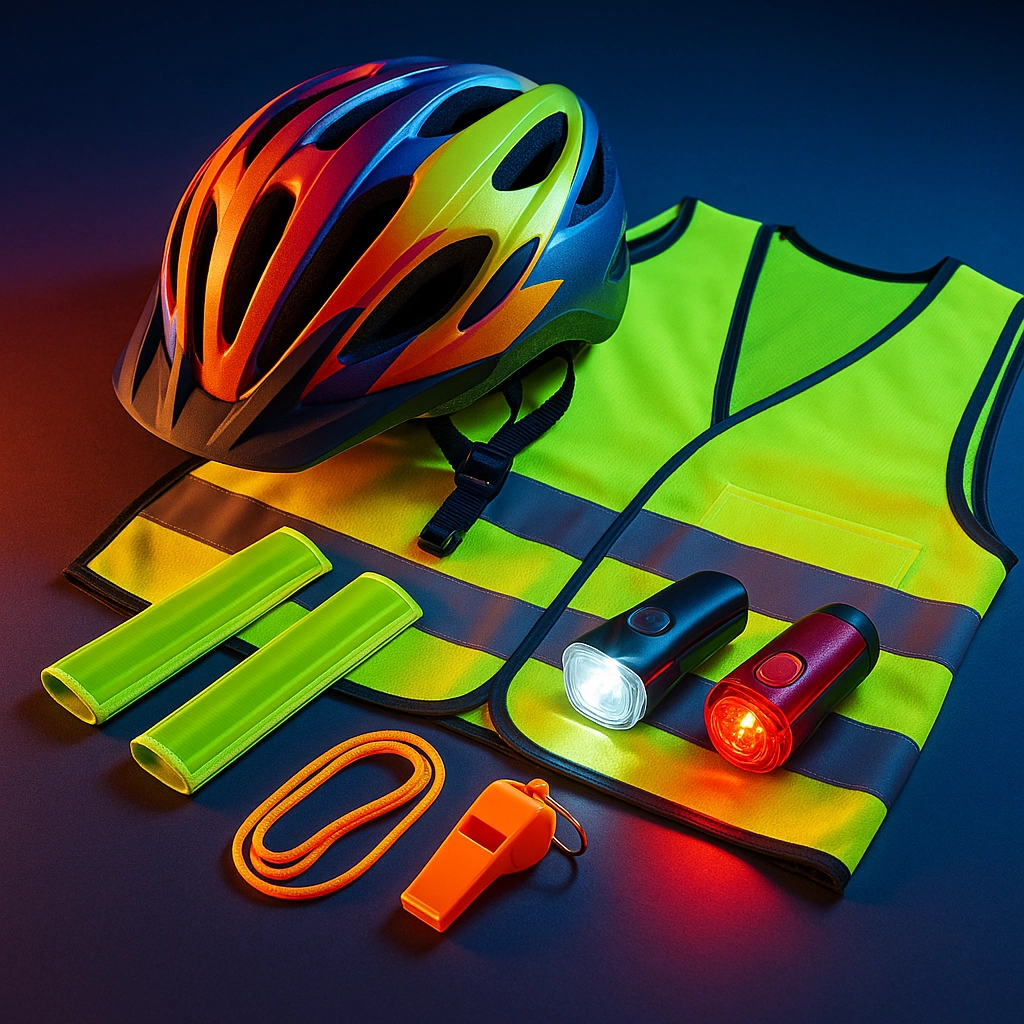
Let's talk about the fun stuff, safety gear! Your helmet is like a superhero costume for your head. It should fit snugly and sit level on your head, not tilted back like a hat. If you can fit more than two fingers between the strap and your chin, it's too loose.
Bright colors are your visibility superpowers. During the day, wear bright colors like neon yellow, orange, or hot pink. At night or when it's cloudy, reflective gear and lights become your best friends. You want to be seen from space (okay, maybe not space, but definitely from down the street)!
For bikers, make sure your bike is in tip-top shape before each ride. Check that your brakes work, your tires have enough air, and everything feels solid. A quick bike check is like doing a pre-flight inspection: super important for a safe journey!
Being an Awesome Safety Buddy
One of the coolest parts about neighborhood safety is looking out for each other. When you're with friends, you become a safety team! Stay together, communicate your plans, and help each other make smart choices.
The buddy system works like this: Keep each other in sight, speak up if you notice something unsafe, and celebrate when everyone makes good safety choices. If someone wants to do something risky, be the friend who suggests a safer alternative. True friends help friends stay safe!
If you're the older kid in the group, you get to be the safety leader. Help younger kids understand the rules, model good behavior, and make sure everyone gets home safely. It's like being a safety superhero for your crew!
Stranger Safety Made Simple
Here's the deal with strangers: most people are good, but we always want to be smart. The simple rule is this: don't go anywhere with someone you don't know, even if they seem nice or say they know your family.
If a stranger approaches you:
- Stay calm and confident
- Don't get close to their car, even if they ask for directions
- Trust your gut: if something feels weird, it probably is
- Find a trusted adult nearby or go to a safe place like a store
Practice the "trusted adult" game with your family. Make a list of people you can go to for help in your neighborhood: maybe the friendly store owner, a neighbor you know well, or someone in uniform like a police officer or firefighter.
Weather Warriors: Adapting to Conditions
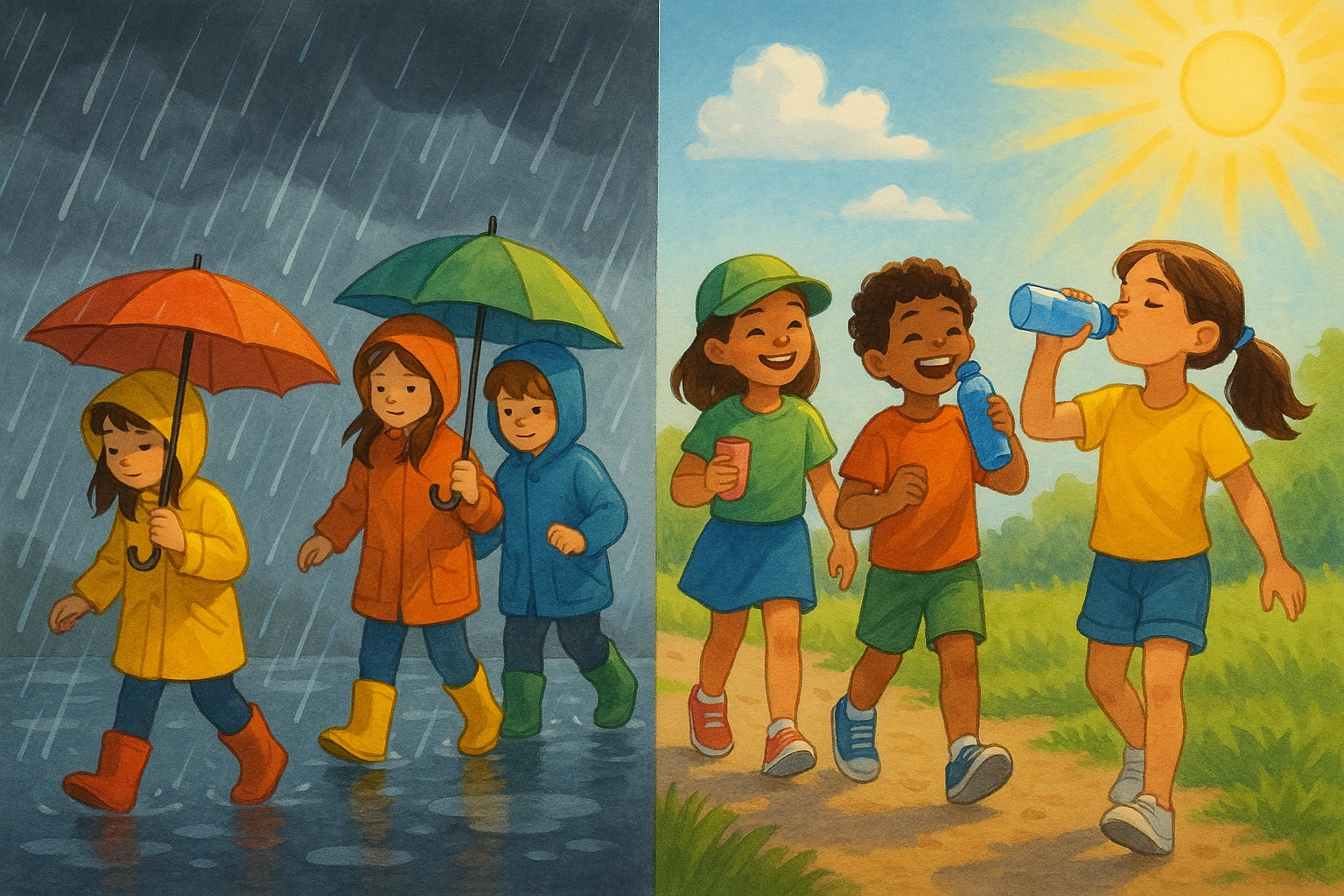
Mother Nature can definitely change your safety game plan! Rainy days mean slower travel, extra caution, and being extra visible. Snow and ice? Time to walk like a penguin (small steps, arms out for balance) and maybe skip the bike ride altogether.
Hot weather calls for frequent water breaks and staying in shaded areas when possible. Foggy or cloudy days mean wearing extra bright colors and being super careful about visibility.
The key is being flexible and smart about conditions. Sometimes the safest choice is to stay home and wait for better weather: and that's totally okay!
Special Neighborhood Situations
Parking lots and driveways need extra attention because cars might be backing up or pulling out unexpectedly. Slow down, look around corners, and remember that drivers might not see you as easily in these areas.
Construction zones are like obstacle courses that require extra patience and care. Follow any posted signs, stay away from equipment, and don't be afraid to find an alternate route if things look too crazy.
Evening and night adventures require special planning. Stick to well-lit areas, travel with others when possible, and make sure your family knows exactly where you're going and when you'll be back.
Making Safety a Family Adventure
The best part about learning street safety is that it becomes a family adventure! Practice these skills together, make up games that reinforce good habits, and celebrate when everyone demonstrates awesome safety awareness.
Remember, being street smart isn't about being scared: it's about being prepared, aware, and confident. When you know these secrets, you can explore your neighborhood with the knowledge that you're making smart choices every step of the way.
So grab your helmet, put on those bright colors, and get ready to show your neighborhood just how street smart you can be. Every safe adventure starts with the decision to be aware, be seen, and be awesome!


Comments
Post a Comment