Personal Safety for Kids with Allergies: Managing Risks During Play, Parties & School
Personal Safety for Kids with Allergies: Managing Risks During Play, Parties & School
Having food allergies doesn't mean missing out on fun: it just means being a little smarter about staying safe! If you're a kid with allergies or a parent helping your child navigate this world, you're definitely not alone. About 1 in 13 kids deals with food allergies, which means there are probably other kids in your class who understand exactly what you're going through.
Let's talk about how to stay safe and still have an awesome time at playdates, birthday parties, school events, and everywhere else life takes you.
What Happens During Allergic Reactions?
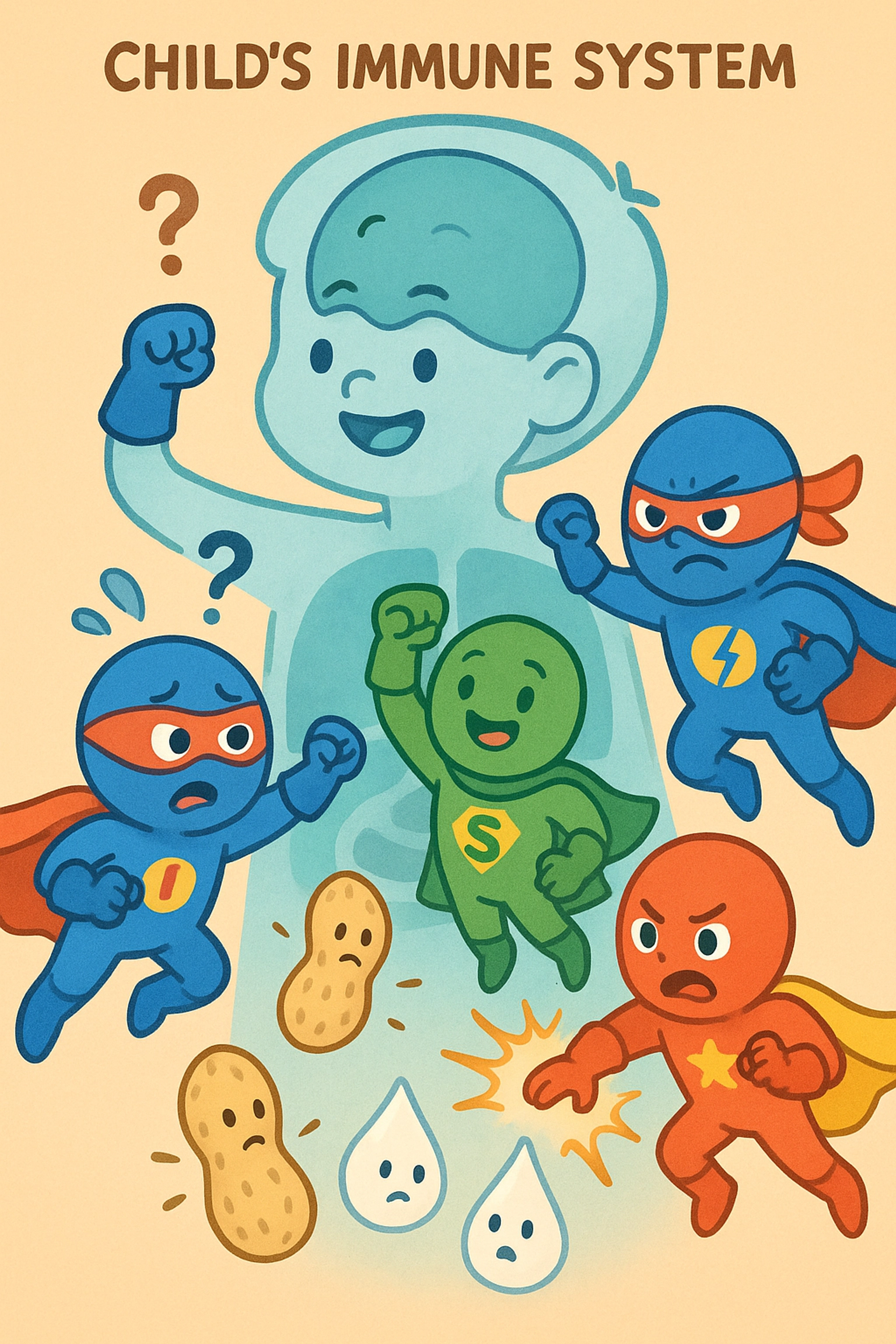
First things first: let's understand what's actually happening when someone has an allergic reaction. Your immune system is like a superhero that's supposed to protect you from bad stuff, but sometimes it gets a little confused and thinks safe foods are actually villains. When that happens, your body launches a full attack mode!
The most common food troublemakers are milk, eggs, peanuts, tree nuts, soy, wheat, fish, and shellfish. These eight foods cause most of the serious reactions kids experience.
Reactions can look different for everyone, but here's what to watch out for:
- Red, itchy bumps (hives) showing up on your skin
- Your lips, tongue, or face getting puffy
- Tummy troubles like pain, throwing up, or diarrhea
- Trouble breathing, coughing, or wheezing
The scariest reaction is called anaphylaxis: that's when your whole body goes into emergency mode and you need medicine right away. But here's the good news: when you know what to look for and have a plan, you can handle anything that comes your way!
Playing It Safe During Playdates
Outdoor Adventures
Playing outside is amazing, but it comes with some sneaky allergy risks you might not think about. Ever notice how everything seems to stick to you after playing outside? Pollen, dust, and tiny bits of food can hitch a ride on your clothes and hair, then cause problems later when you touch your face or eat something.
Here's your outdoor safety game plan:
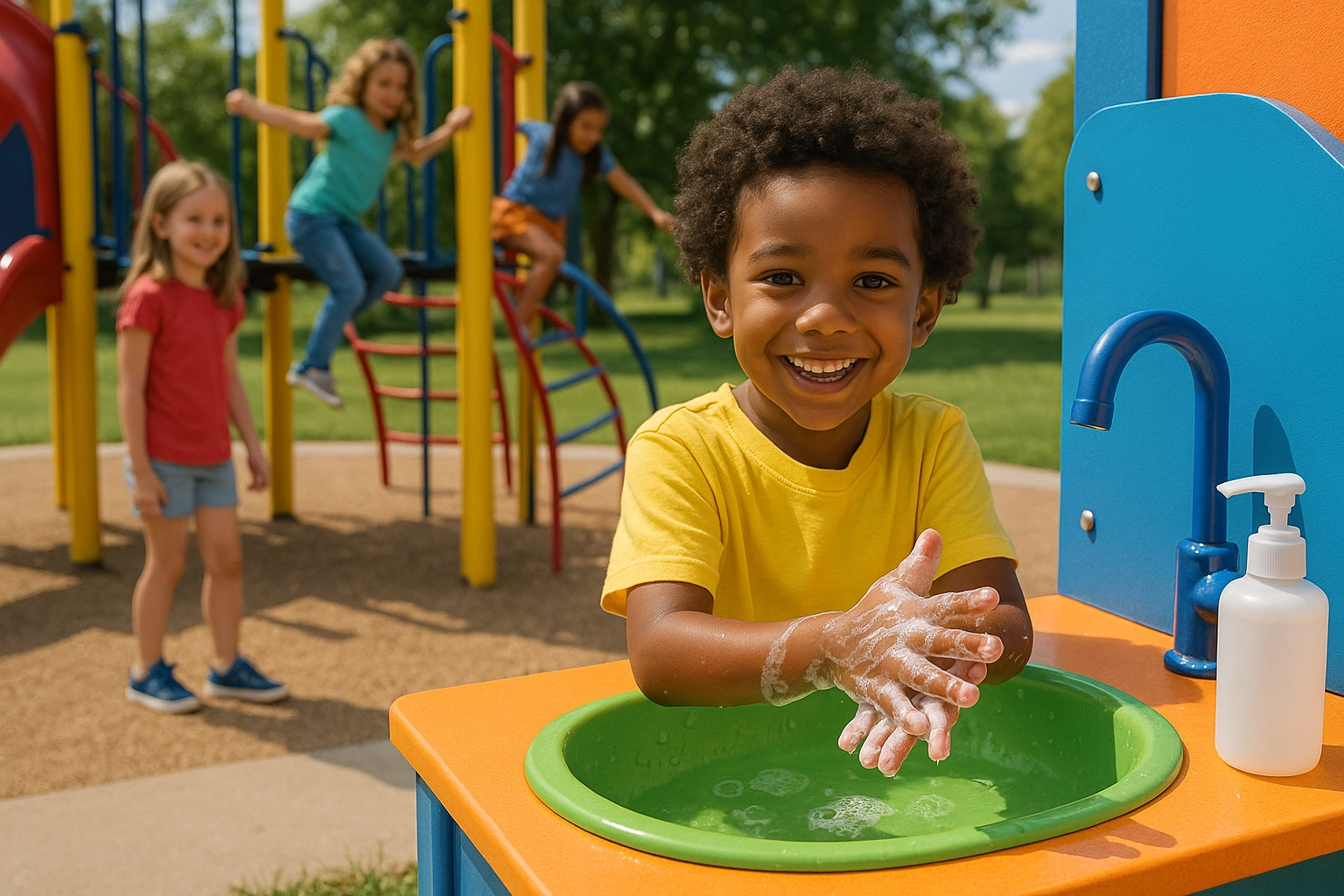
- Always wash your hands with soap and water before eating anything (hand sanitizer won't cut it for removing food allergens!)
- Don't share snacks with friends unless you're 100% sure they're safe
- Wipe down picnic tables, benches, or playground equipment before using them
- Change clothes when you come inside, especially if you've been somewhere with lots of food around
Indoor Play Safety
Indoor playdates might seem safer, but they have their own challenges. Shared toys, art supplies, and snacks can all become allergen highways. Before diving into activities, take a quick look around and think like a detective: "Where might my allergens be hiding?"
Always speak up if someone offers you food you're not sure about. Practice saying things like, "Thanks, but I need to check with my parents first" or "I have food allergies, so I brought my own snack." Trust me: most friends want to help keep you safe once they understand!
Party Like a (Safe) Rockstar
Birthday parties and celebrations are supposed to be fun, not stressful! With a little prep work, you can enjoy every moment without worry.
Before the Party
Talk to the party host or their parents ahead of time. Don't be shy about explaining your allergies: most people want everyone to have a great time and stay safe. Ask what foods will be served and suggest bringing your own safe alternatives that look just as fun.
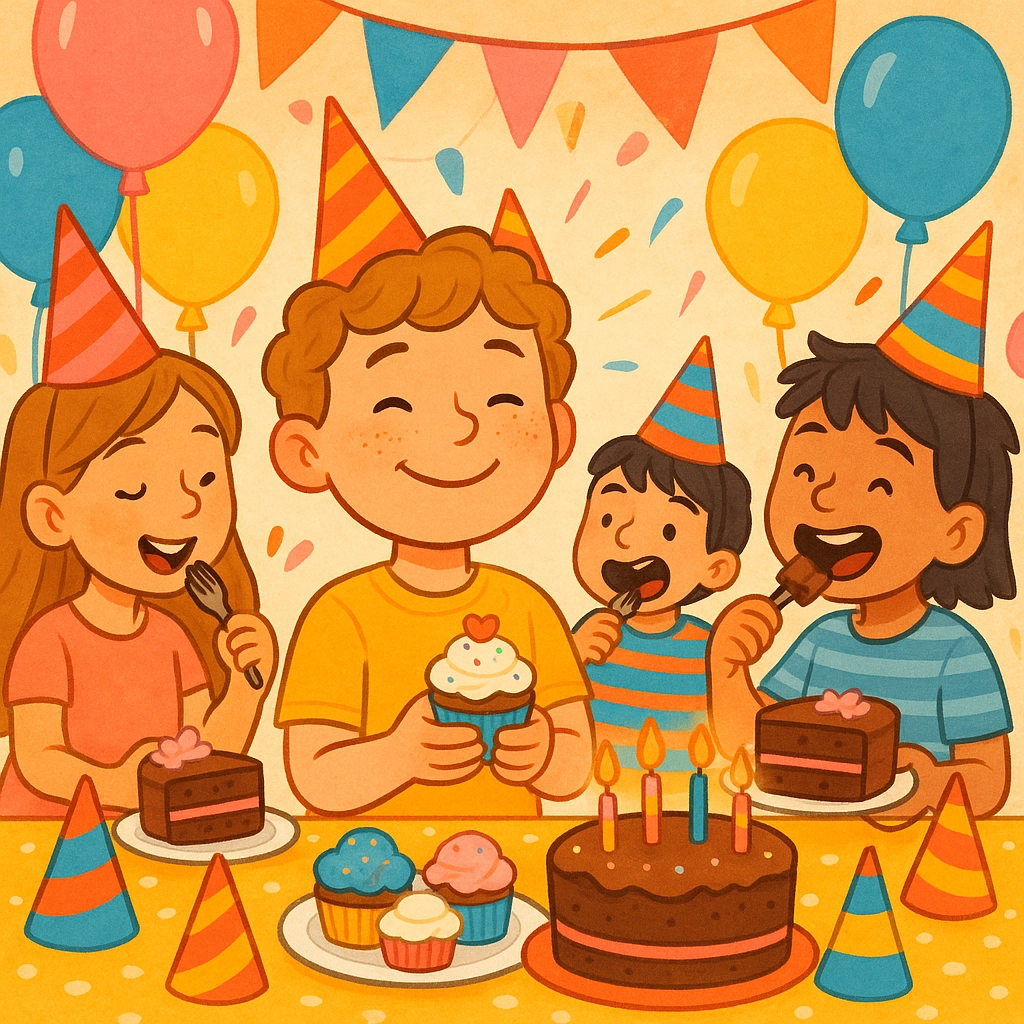
Pro tip: Bring cupcakes or treats that match the party theme, so you won't feel left out when it's time for cake!
During the Party
Stick to your safe foods, even if other things look tempting. If you're not sure about something, ask an adult to check the ingredients. Keep your emergency medication nearby (like your EpiPen if you have one), and make sure at least one adult at the party knows about your allergies and where your medicine is.
Remember: you're the expert on your own allergies. If something doesn't feel right or you're not comfortable eating something, trust your instincts!
School Days Made Safer
School can feel like navigating an obstacle course when you have allergies, but with the right strategies, you'll become a safety pro.
Your Emergency Action Plan
Every kid with food allergies needs an emergency action plan at school. Think of it like a superhero instruction manual that tells all the adults exactly what to do if you have a reaction. This plan should include:
- Which foods you absolutely must avoid
- What your allergic reactions look like
- Where your emergency medicine is kept
- Who to call if something happens
Make sure your teacher, the school nurse, and anyone else who supervises you knows about your plan. Don't assume they remember everything from last year: refresh everyone's memory at the start of each school year.
Lunch and Snack Time
The cafeteria can feel overwhelming, but you've got this! Always read labels on packaged foods (or have an adult help you), and don't trade snacks with friends. If your school has an allergy-friendly table, that might be a good option for feeling extra secure during lunch.
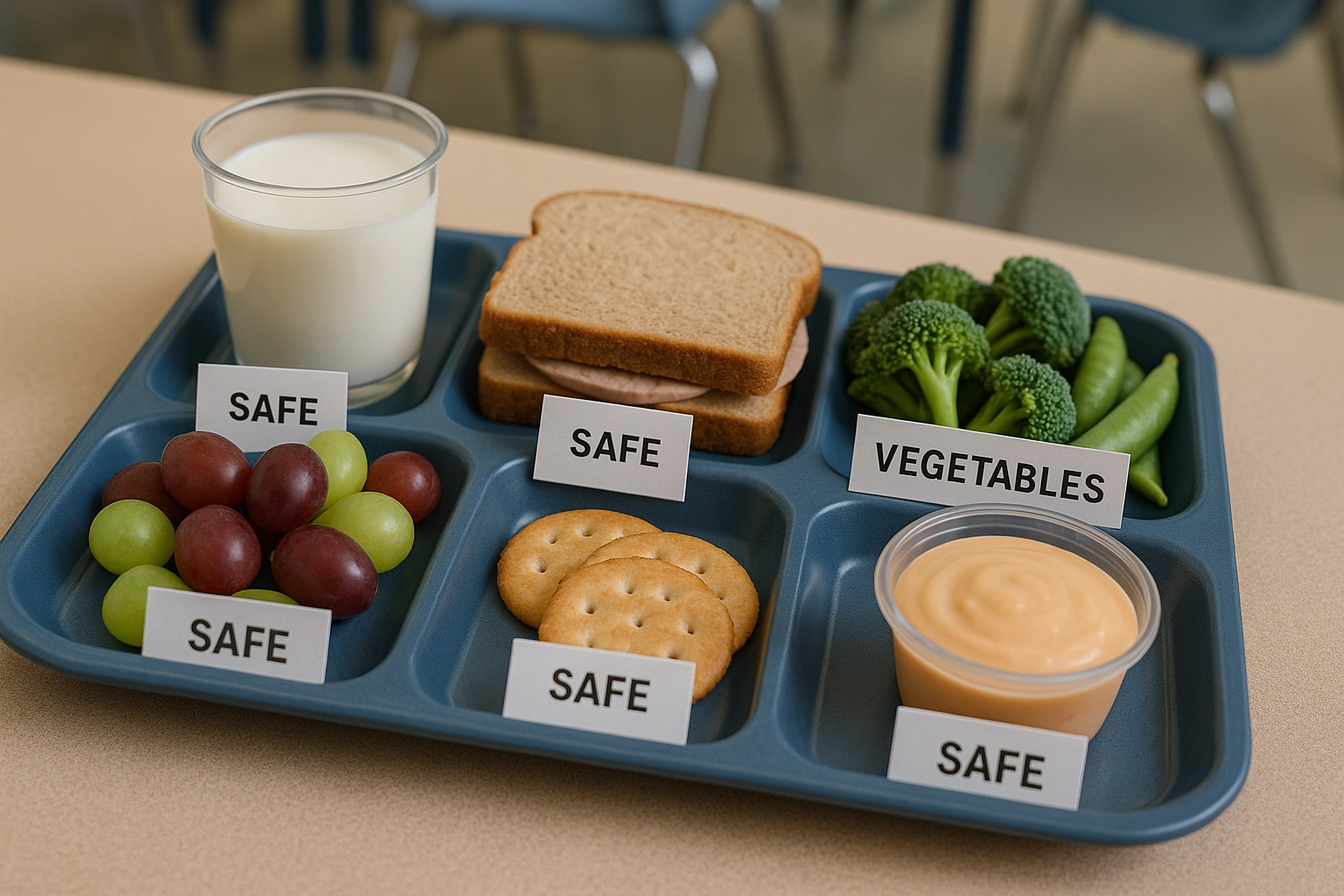
Bring your own safe snacks for classroom celebrations and special events. Your teacher should give parents advance notice about food-related activities, so you can come prepared with alternatives.
Classroom Activities
Sometimes school projects use surprising ingredients. Play dough might contain wheat, art projects could use food items, and science experiments might involve your allergens. Always ask your teacher about materials before jumping into activities, and suggest safe alternatives if needed.
Home Sweet (Safe) Home
Even at home, cross-contact can happen easier than you might think. Cross-contact is when safe foods accidentally pick up traces of allergens from surfaces, utensils, or other foods.
Kitchen Safety Rules
Here are some simple rules that make a huge difference:
- Always prepare safe foods first, before making anything with allergens
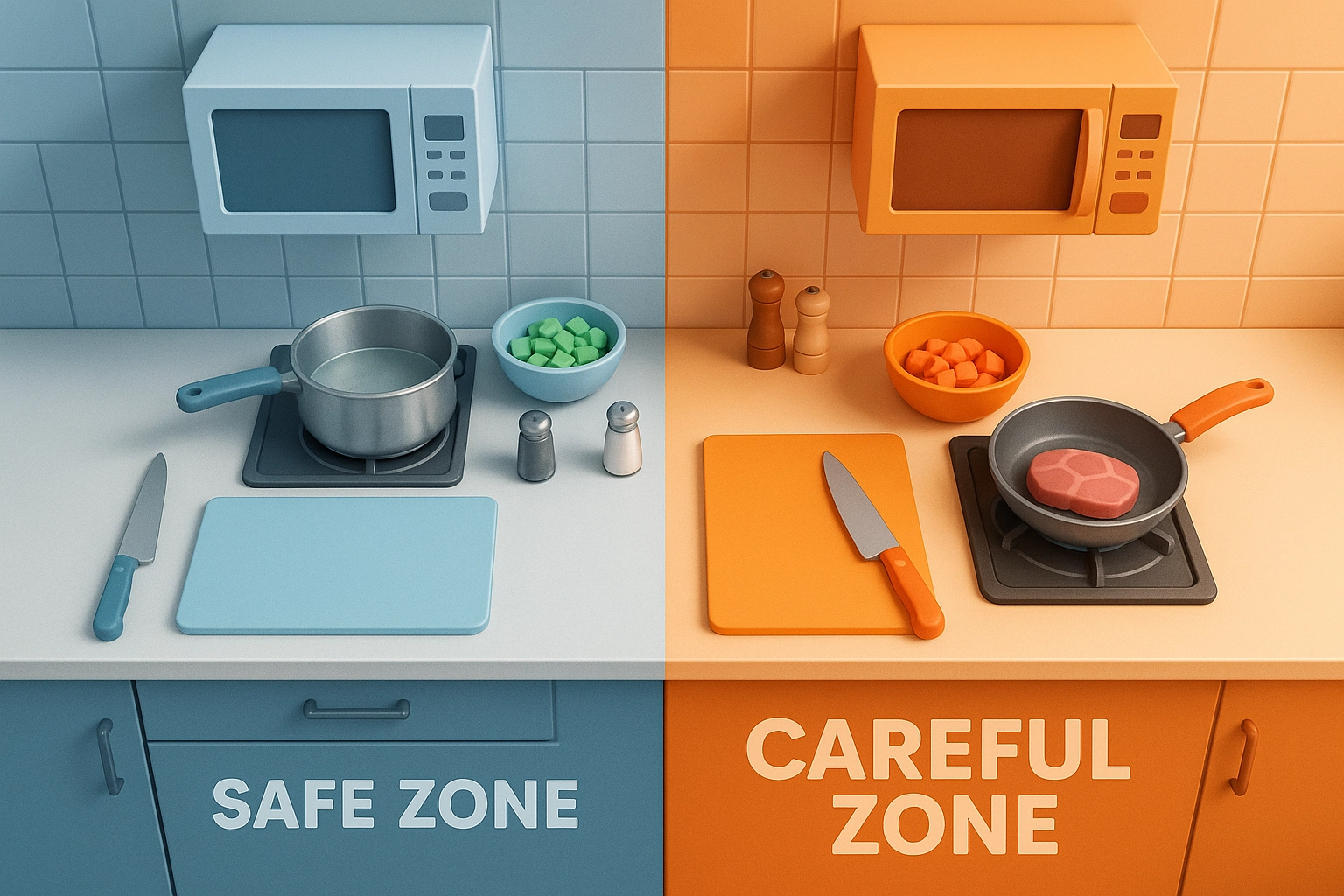
- Use separate cutting boards, utensils, and containers for safe foods
- Clean all surfaces with soap and water before and after cooking
- Label leftovers clearly as "safe" or "not safe"
- Wash hands before touching any safe foods
Think of your kitchen like having two separate zones: the safe zone and the careful zone. Keep them from mixing, and you'll avoid most cross-contact problems.
Emergency Preparedness: Your Safety Superpower
Being prepared isn't just smart: it's your superpower! Here's how to always be ready:
Know Your Medicine
If you have an EpiPen or other emergency medication, make sure you know how to use it. Practice with training devices, and make sure your family members and close friends know how to help if needed. Keep your medicine with you always: not in your locker, backpack, or somewhere else you might not be able to reach quickly.
Teach Others to Help
The more people who understand your allergies, the safer you'll be. Teach your friends what to look for and what to do if you have a reaction. Most people want to help: they just need to know how!
Stay Confident
Having allergies might make you feel different sometimes, but remember: you're learning incredible life skills that will make you more aware, responsible, and empathetic than lots of other people. You're not missing out on life: you're just living it more thoughtfully.
Living with food allergies means being extra careful, but it doesn't mean being scared or missing out on fun experiences. With good planning, clear communication, and emergency preparedness, you can safely enjoy playdates, parties, school events, and everything else childhood has to offer.
Remember: you're the expert on your own body and needs. Trust your instincts, speak up when something doesn't feel right, and never hesitate to ask questions. Your safety is worth way more than worrying about seeming "difficult" or "different."
Stay safe, stay confident, and keep being the amazing kid you are: allergies and all!


Comments
Post a Comment