Safety in the Kitchen: Cooking with Kids Without the Drama
Safety in the Kitchen: Cooking with Kids Without the Drama
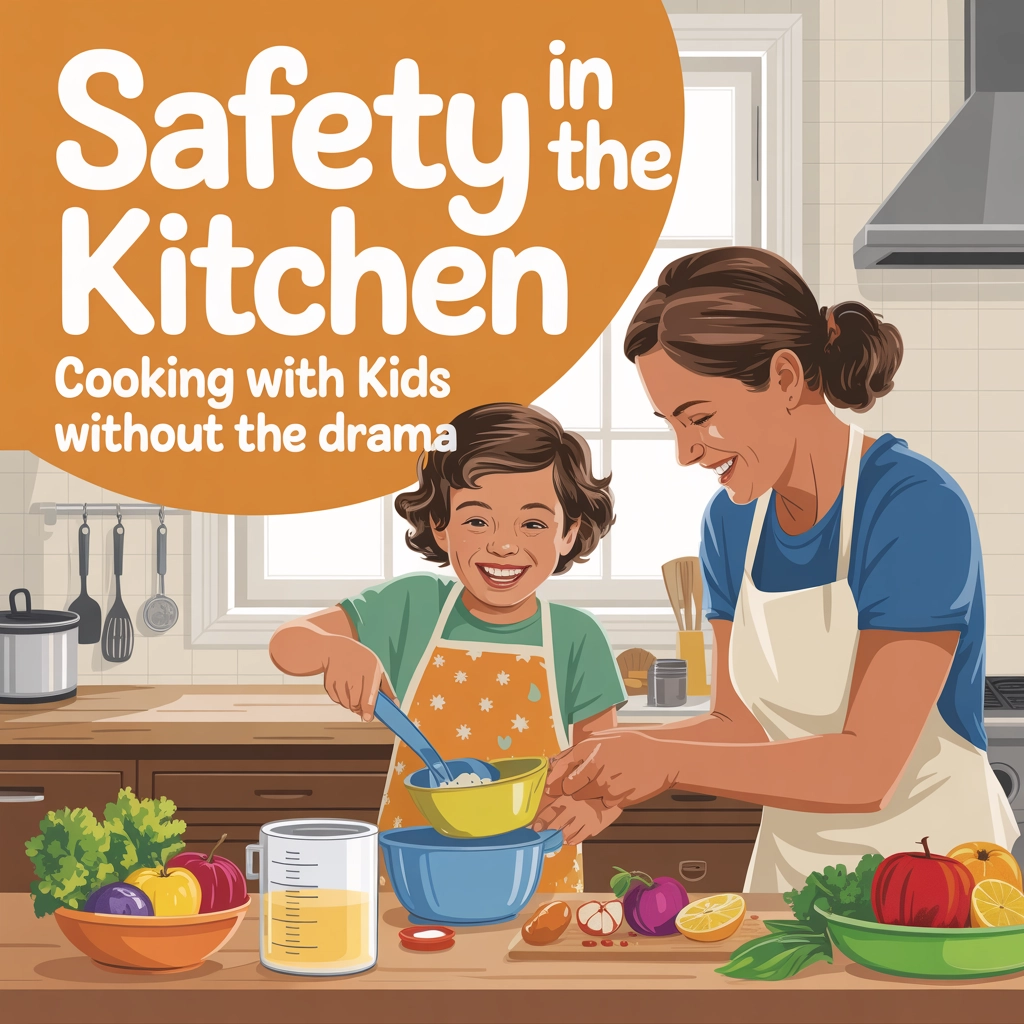
Let's be real – cooking with kids can feel like herding cats while juggling flaming torches. One minute they're excited to help, the next they're reaching for that sharp knife you thought you'd hidden well enough. But here's the thing: with the right game plan, cooking with your little sous chefs doesn't have to end in tears (yours or theirs).
The kitchen can be an amazing classroom where kids learn life skills, build confidence, and create memories that'll last way longer than that slightly lopsided cake you made together. The secret sauce? Smart safety strategies that keep everyone happy, healthy, and having fun.
Setting Up Your Kid-Friendly Command Center
First things first – let's talk workspace. Kids need their own territory in the kitchen, somewhere they feel important but aren't constantly reaching into danger zones. Think of it like creating a mini cooking studio just for them.
A learning tower is pure gold if you've got toddlers. These sturdy platforms give little ones the height they need to see what's happening without you constantly lifting them up (your back will thank you). For older kids, a chair pushed against the counter with its back facing out creates a stable workspace that keeps them at the right height.
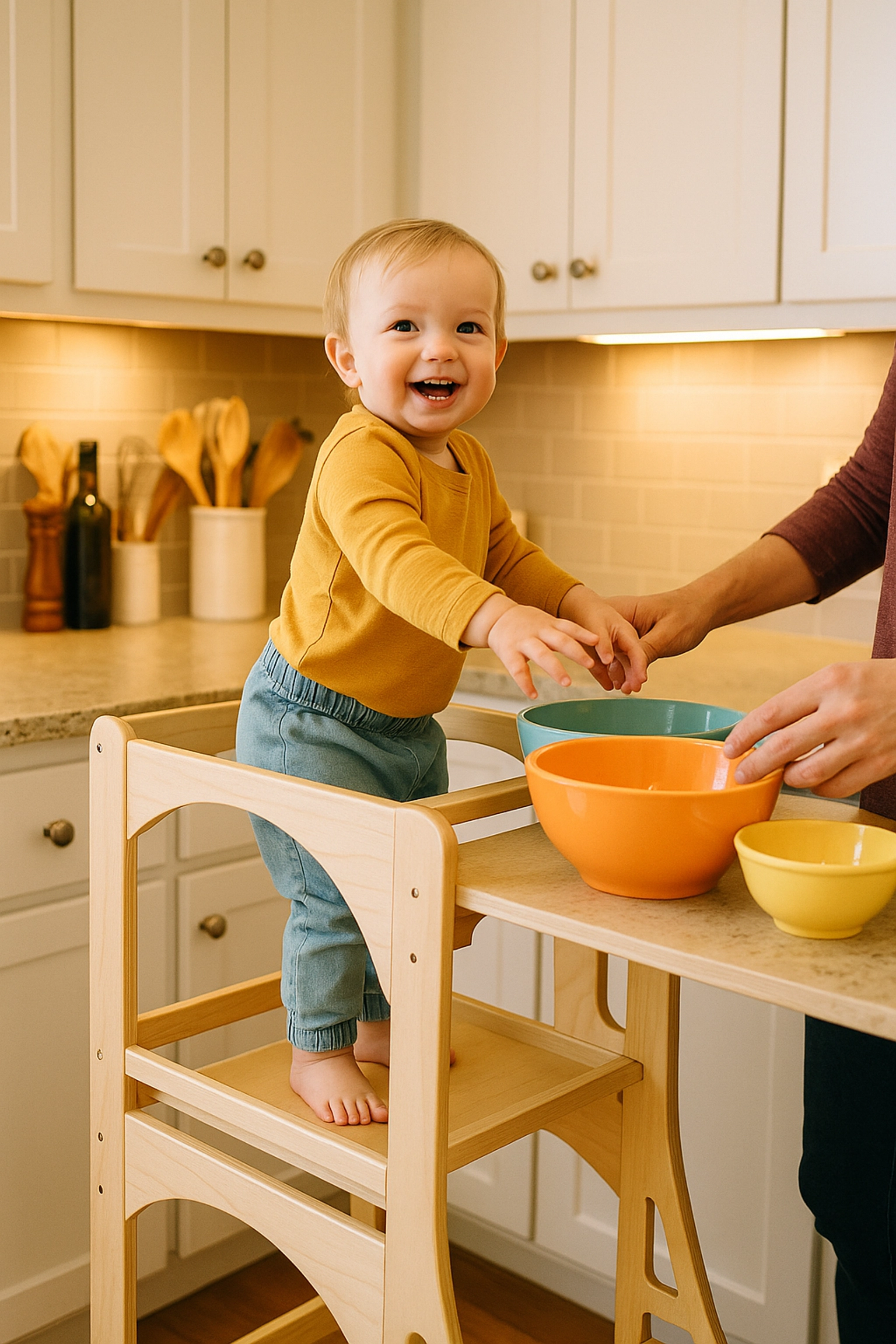
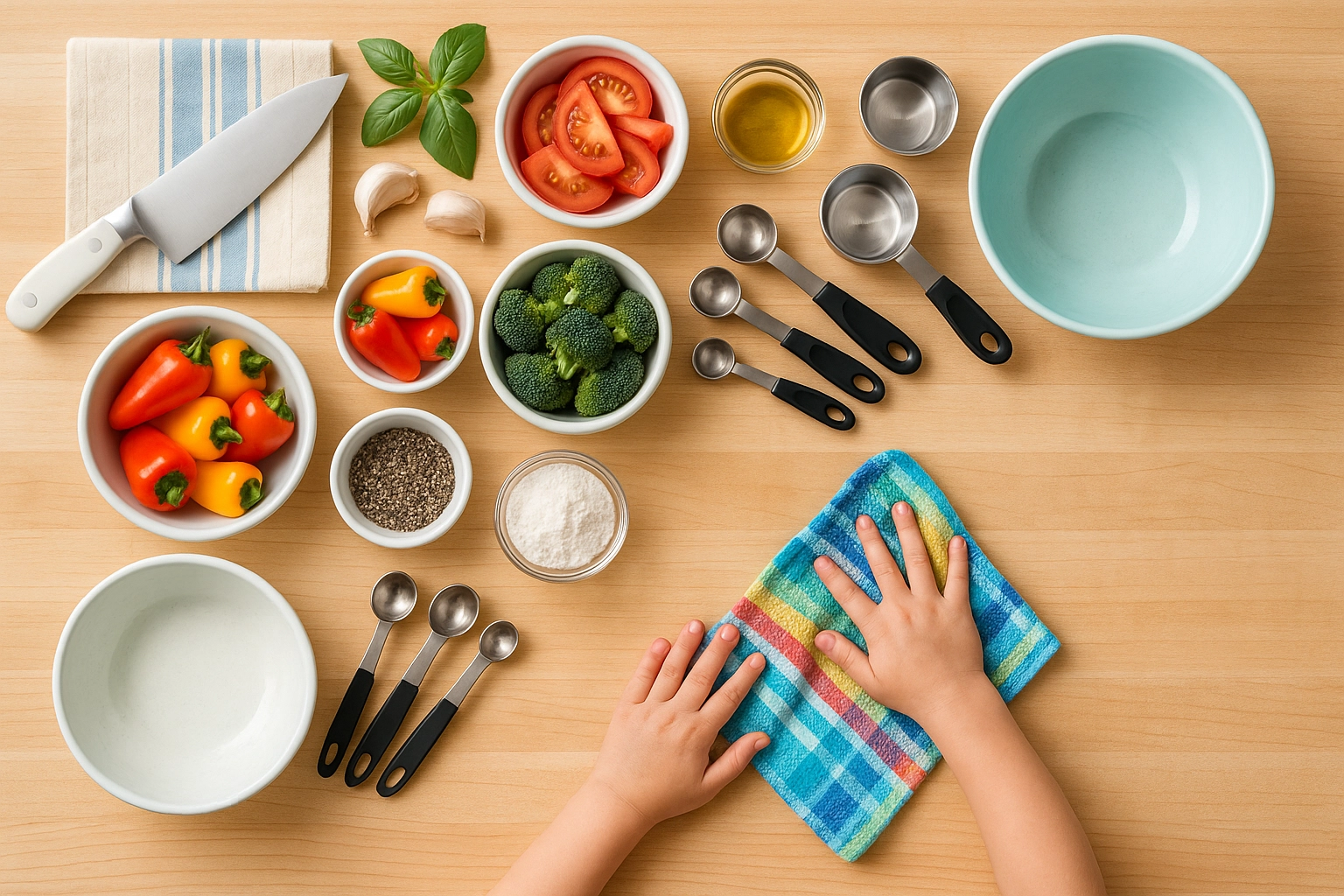
Keep their area organized and clutter-free. When everything has its place, there's less chance of accidentally knocking over that bowl of flour or sending measuring spoons flying. Plus, kids actually love organization – it makes them feel like real chefs with their own professional setup.
Taming the Heat Monster
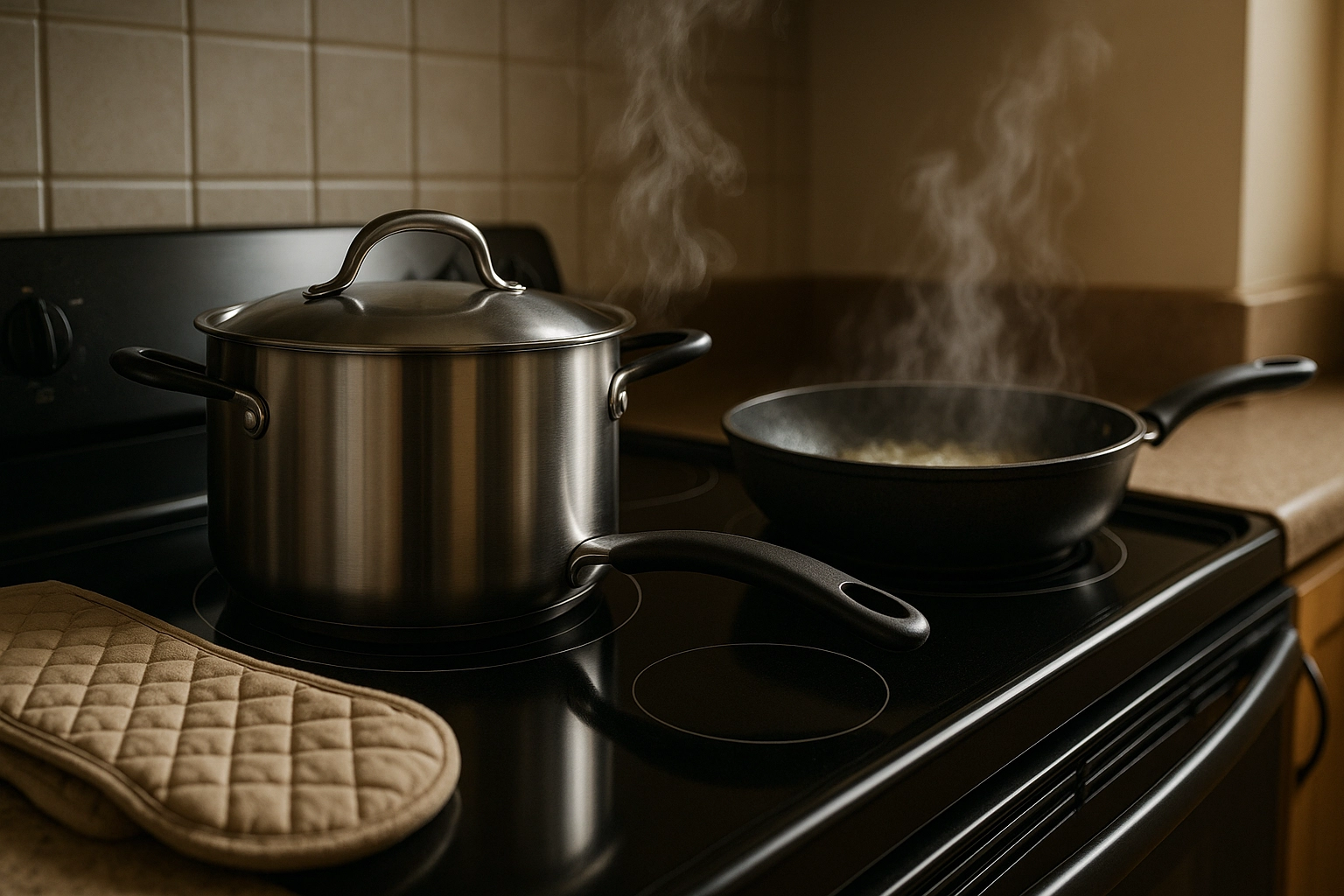
Heat safety is huge, but it doesn't have to be scary. Start with the golden rule: all pot and pan handles get turned toward the back of the stove, away from little grabbing hands and far from other burners. Make this a habit every single time you cook, even when kids aren't around.
Here's a pro tip that'll save you from mini heart attacks: teach kids to recognize the "danger zones" around the stove and oven. Make it a game – point out the hot spots and have them identify safe standing areas. Kids love having special knowledge, and this turns safety into something empowering rather than restrictive.
When using the oven, always pull the rack out first before removing anything. Never reach into a hot oven – even adults need reminders about this one. And if you've got a gas oven, open it slowly after broiling because heat can build up and create surprise flare-ups.
Sharp Objects: Not as Scary as You Think
Yes, knives are sharp, but completely avoiding them isn't realistic or helpful. The key is age-appropriate progression and smart storage. Keep all sharp tools out of reach when you're not actively using them – this seems obvious, but it's easy to forget that paring knife next to the cutting board.
For the tiny helpers (ages 2-3), plastic kid knives are perfect for "cutting" soft things like bananas or play-doh during pretend cooking sessions. They get the satisfaction of helping without any actual danger.
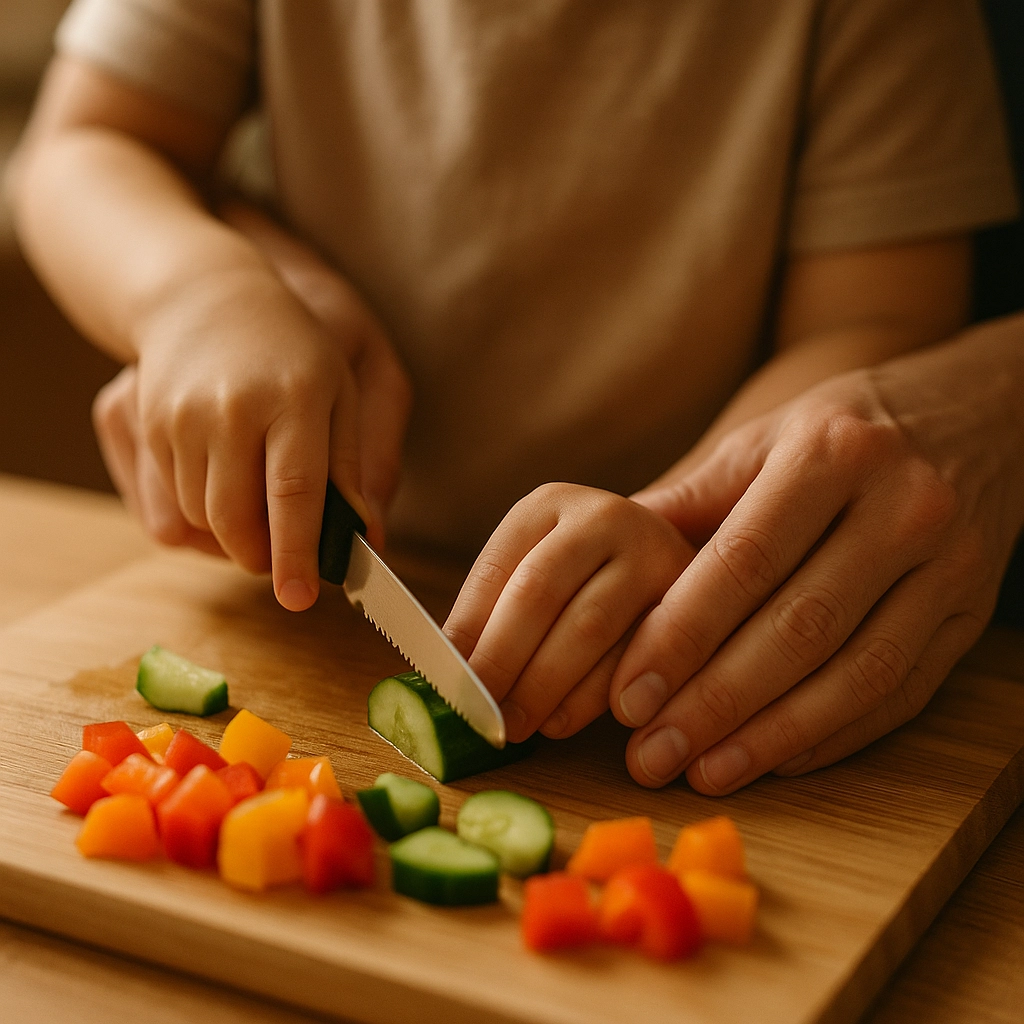
When kids are ready for real knives (usually around age 6-8, depending on the child), start with butter knives for spreading and small serrated knives for soft items. Teach them the "bridge" technique – make a bridge with their non-cutting hand, knuckles forward, fingers tucked under. The knife blade should never go higher than their knuckles.
The Clean Team Approach
Nobody wants to deal with food poisoning, especially when kids are involved. But cleanliness doesn't have to be a boring lecture – make it part of the cooking adventure.
Start every cooking session with the "clean hands dance" – make hand washing fun with a special song or timer. Kids need to wash their hands before cooking, after touching raw ingredients, and pretty much whenever they get distracted and touch something else (which, let's face it, happens every thirty seconds).
Teach the "clean as you go" method. Spills get wiped immediately, not just for safety but because cooking is way more fun when you're not working around a disaster zone. Plus, kids who learn this habit early become adults who actually enjoy cooking instead of dreading the cleanup.
Here's something many parents don't think about: never let kids taste raw cookie dough, cake batter, or anything with raw eggs or flour. I know, I know – we all did it as kids and survived. But why risk it when there are safer alternatives? Make "tasting batter" a special treat that happens after the eggs go in and everything's properly mixed.
Age-Perfect Participation
The trick to drama-free cooking is matching tasks to abilities. Toddlers can pour pre-measured ingredients, wash vegetables in a colander, and "help" by narrating what's happening. They're learning even when they're not actively cooking.
Elementary school kids can handle mixing, simple measuring, and basic cutting with proper supervision. They're old enough to understand rules but still need clear boundaries about what requires adult help.
Teenagers can do most cooking tasks independently but still benefit from guidance on food safety and more advanced techniques. At this stage, it's less about safety supervision and more about skill building.
Creating Your Family's Kitchen Rules
Every family needs their own set of kitchen rules – not a long, complicated list, but clear guidelines that everyone understands. Here are some non-negotiables:
Always ask before using any equipment. Even that hand mixer needs permission. Wet hands never touch electrical equipment – period. No running or horsing around in the kitchen. When we're cooking, we're focused on cooking.
Keep pot holders and oven mitts handy, not dish towels. Teach kids that kitchen tools aren't toys, and there's a time for fun and a time for serious safety focus.
Making it Actually Fun
Here's the real secret: when kids feel important and capable, they naturally follow safety rules better. Give them real responsibilities, not just busy work. Let them pick recipes, be in charge of certain ingredients, or have their own special cooking tools.
Create traditions around cooking together. Maybe Sunday morning pancakes are always made together, or each kid gets to pick and help prepare one dinner per week. When cooking becomes something special you do together, kids are more invested in doing it right.
Don't aim for perfection – aim for progress. That slightly wonky birthday cake made with love and careful attention to safety is worth way more than a store-bought perfect one. Kids learn by doing, making mistakes, and trying again.
When Things Go Sideways
Even with the best planning, accidents happen. Keep a well-stocked first aid kit easily accessible, know where your fire extinguisher is, and have a plan for common kitchen emergencies.
Most importantly, stay calm. Kids pick up on our energy, so when we handle problems matter-of-factly, they learn that accidents are just part of life, not catastrophes.
The goal isn't to eliminate every possible risk – it's to teach kids how to recognize hazards, make smart choices, and handle tools and equipment safely. These skills will serve them for life, long after they've moved out and are cooking in their own kitchens.
Cooking with kids takes patience, preparation, and a good sense of humor. But when you see the pride on their face after they've successfully (and safely) made their first batch of cookies, you'll realize all that careful planning was totally worth it. Plus, they'll have learned skills that'll make them more confident, capable, and safety-conscious in the kitchen for years to come.


Comments
Post a Comment