When Friends aren't Friendly: Protecting Yourself from Peer Pressure & Risky Dares
When Friends aren't Friendly: Protecting Yourself from Peer Pressure & Risky Dares
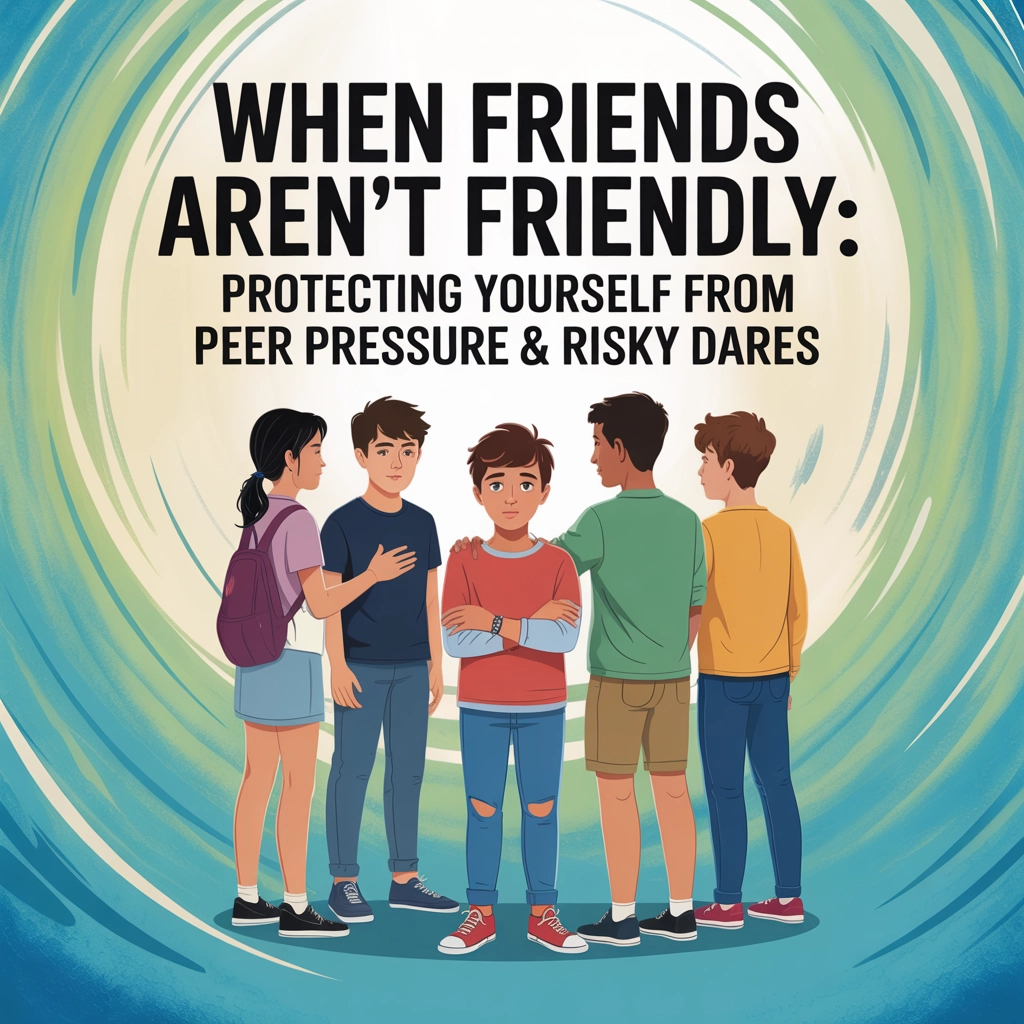
Picture this: You're hanging out with your squad when someone suggests doing something that makes your stomach flip. Maybe it's jumping off a high bridge, trying something they found online, or participating in a viral challenge that looks pretty dangerous. Your gut says "no way," but everyone else seems excited. Sound familiar?
Here's the thing – real friends don't put you in situations where you feel scared, uncomfortable, or unsafe. When your so-called friends are pushing you toward risky stuff, it's time to ask yourself: Are these people actually looking out for me?
When "Friends" Cross the Line
True friendship isn't about getting you to do crazy things for entertainment. Real friends respect your boundaries, listen when you say no, and don't make you feel like a loser for prioritizing your safety.
Red flags that friends aren't being friendly:
- They won't take "no" for an answer
- They call you names like "chicken" or "baby" when you refuse
- They threaten to exclude you if you don't participate
- They pressure you even after you've explained your concerns
- They dismiss your feelings or safety worries
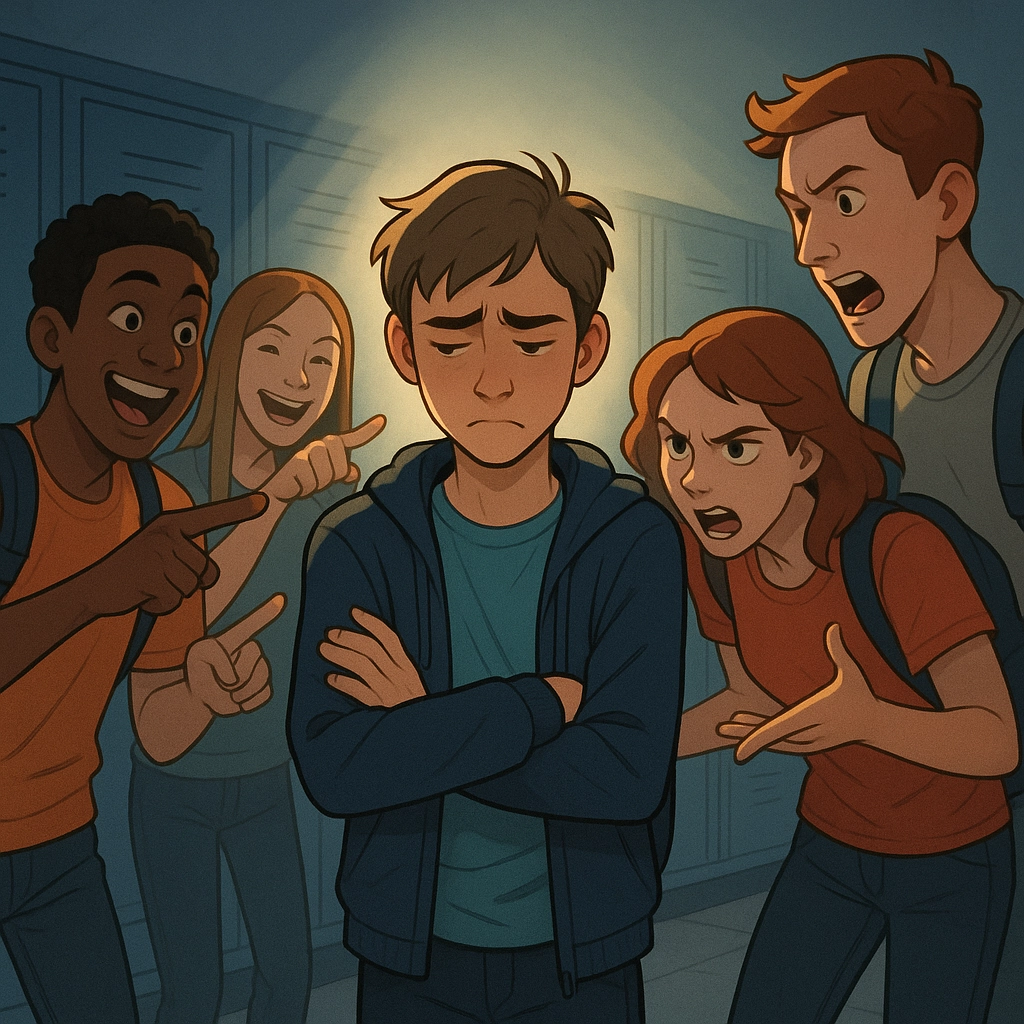
If your friends are doing any of these things, they're not acting like real friends. They're acting like peer pressure bullies, and you deserve better.
Real-Life Scenarios (And How to Handle Them)
The Social Media Challenge
Your friends want you to participate in the latest TikTok trend that involves doing something potentially harmful. They're all filming themselves and posting it.
Smart response: "I'm not comfortable with that challenge. How about we create our own fun video instead?" Then suggest an alternative that doesn't involve risk.
The Dare Game
Someone dares you to do something dangerous, like climb onto a roof, try vaping, or sneak out at night.
Smart response: "I don't do dares that could get me hurt or in trouble. Let's find something fun that won't land us in the hospital or grounded forever."
The "Everyone's Doing It" Pressure
Friends insist that "everyone" is trying something risky, and you're the only one being "weird" about it.
Smart response: "Actually, lots of people choose not to do this stuff. I'm good with my decision."
Your Refusal Toolkit: Smart Ways to Say No
The Direct Approach
Sometimes the best way is the most straightforward: "No, thanks. I'm not doing that." Say it like you mean it, and don't over-explain. You don't owe anyone a detailed justification for keeping yourself safe.
The Broken Record Technique
Keep repeating your "no" in different ways:
- "I already said no."
- "My answer hasn't changed."
- "Still no, thanks."
The Subject Changer
Right after saying no, immediately pivot to something else: "No thanks. Hey, did you see that new movie trailer?" This shows you're done discussing the risky activity.
The Excuse Strategy
Sometimes a little white lie can get you out of danger: "I can't – I promised my parents I'd be home early" or "I'm allergic to [whatever substance is involved]."
The Reverse Pressure
Turn the tables: "Hey guys, help me out here. I've said no three times, but they won't drop it." This puts the pressure person in the awkward position instead.

Finding Your Safe Squad
The best defense against peer pressure is surrounding yourself with people who share your values and respect your choices.
Look for friends who:
- Support your decisions without question
- Suggest fun activities that don't involve risks
- Stand up for you when others pressure you
- Are comfortable saying no to things themselves
- Care more about your friendship than getting you to do stuff
Where to find these awesome people:
- Clubs and activities based on your interests
- Sports teams or art classes
- Volunteer organizations
- Youth groups or community centers
Remember: It's better to have two genuine friends than ten fake ones who only want you around for entertainment.
The Buddy System Strategy
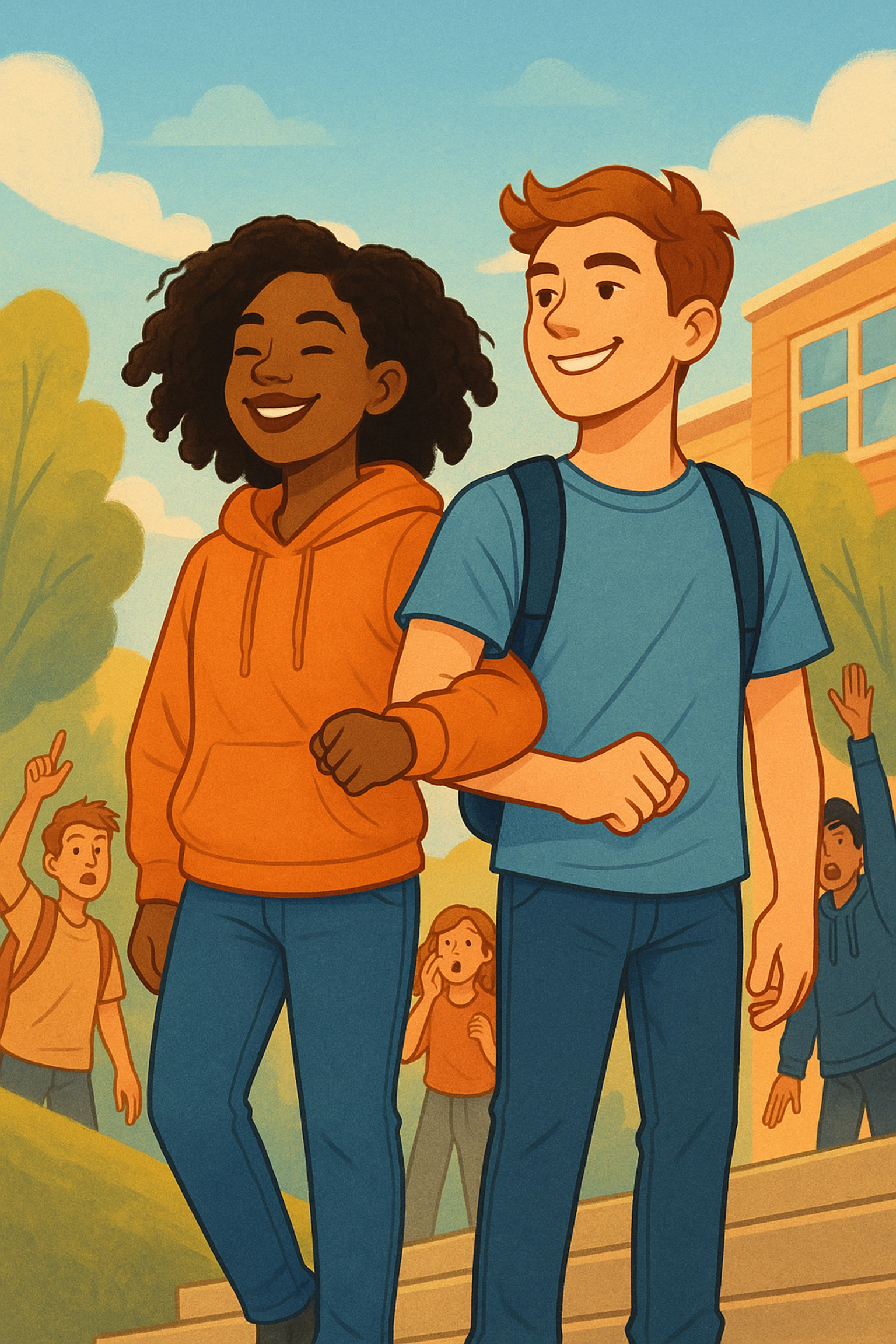
Find at least one friend who's got your back, and promise to have theirs too. When you're both in a pressure situation, you can support each other. It's way easier to say no when someone else is saying it with you.
Create a secret signal or code word you can use when one of you needs backup. This could be a text message, a specific phrase, or even a hand signal that means "I need help getting out of this situation."
When to Get Adults Involved
Don't hesitate to bring adults into the picture when:
- You feel genuinely unsafe
- Friends are pressuring you to try drugs or alcohol
- Someone's threatening you for refusing
- The risky behavior could cause serious injury
- You're being excluded or bullied for saying no
Trusted adults might include:
- Parents or guardians
- Teachers or school counselors
- Coaches or club leaders
- Older siblings or relatives
- Youth group leaders
Building Your Confidence Muscle
The stronger you feel about yourself, the easier it becomes to resist pressure. Here are some ways to build that confidence:
Practice saying no in low-stakes situations. Start with small things like "No, I don't want fries with that" or "No thanks, I don't like that TV show." The more you practice, the more natural it becomes.
Know your values. Think about what's important to you and why. When you're clear on your values, it's easier to stick to them under pressure.
Celebrate your good choices. Give yourself credit when you make smart decisions, even when they're hard. You're building a track record of looking out for yourself.
For Parents: How to Talk with Your Kids
Create a pressure-free environment at home. Kids need to know they can come to you without fear of getting in trouble for being honest about peer pressure situations.
Role-play different scenarios. Practice refusal techniques together. Make it fun – maybe even act out silly exaggerated examples to break the tension.
Establish a family code. Create a system where your child can text you a specific word or phrase when they need an excuse to leave a situation. You can then call with an "emergency" that requires them to come home immediately.
Talk about real friendship. Help your kids understand what genuine friendship looks like versus relationships based on pressure and control.
Share your own experiences. Kids often think peer pressure is something only they deal with. Hearing about your experiences (age-appropriate versions) helps them realize it's normal and survivable.

Your Safety Action Plan
Here's your step-by-step plan for handling peer pressure situations:
- Trust your gut. If something feels wrong, it probably is.
- Say no clearly. Don't mumble or sound unsure.
- Suggest alternatives. Offer different activities that are actually fun.
- Use your support system. Call on friends or adults who have your back.
- Remove yourself if needed. Sometimes the best solution is just leaving.
- Reflect afterward. Think about what worked and what you might do differently next time.
The Bottom Line
Real friends want you to be safe, happy, and comfortable. They don't pressure you into dangerous situations for their entertainment. If your current friend group is more focused on dares and risks than genuine fun and support, it might be time to find new people to hang out with.
Remember: Saying no to risky dares isn't about being scared or boring – it's about being smart and valuing yourself. The coolest thing you can do is make decisions that keep you healthy and safe, regardless of what anyone else thinks.
You have the right to feel safe and respected in your friendships. Don't settle for anything less.


Comments
Post a Comment