Bike Maintenance Basics for Safety
Bike Maintenance Basics for Safety
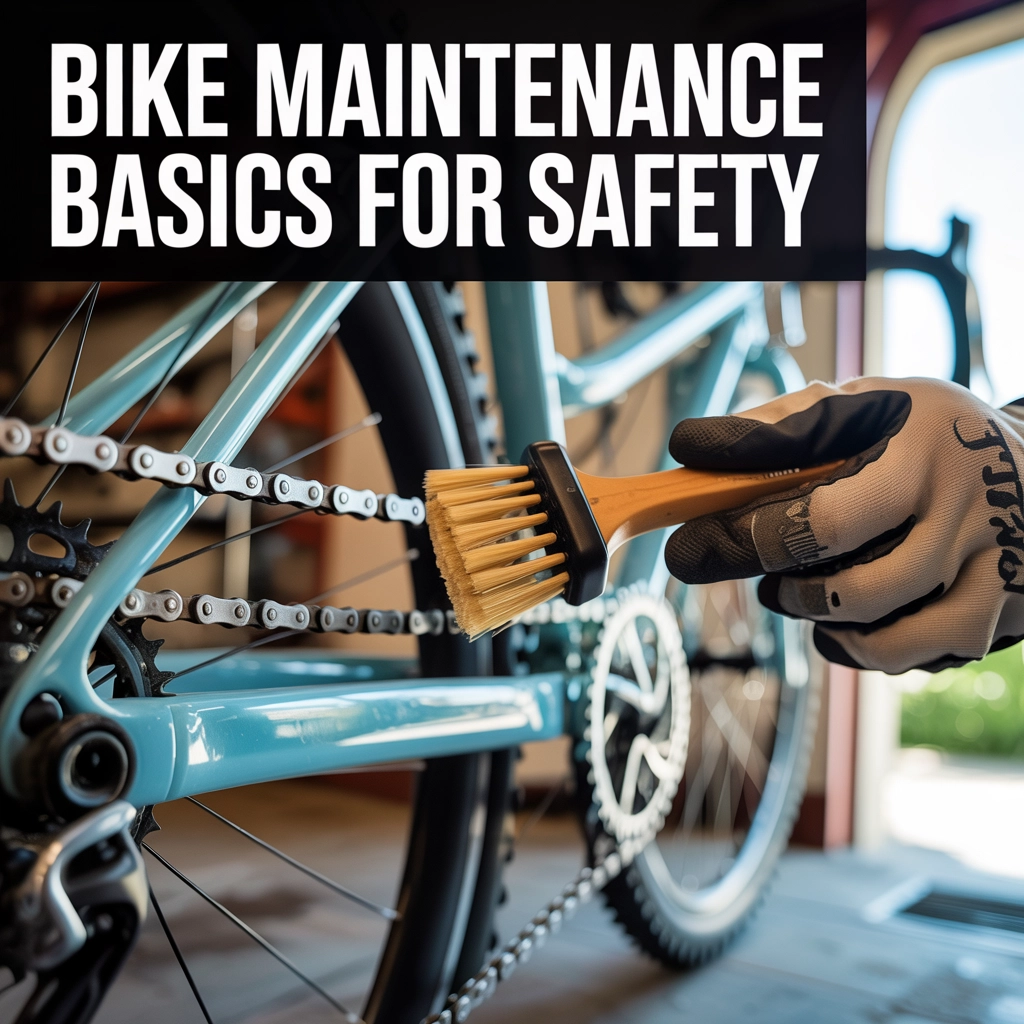
Your bike is your trusty companion for adventures, exercise, and getting around town. But just like any good friend, it needs some care and attention to keep you safe on every ride. Whether you're a parent teaching your kids or an adult brushing up on the basics, proper bike maintenance isn't rocket science – it's just smart safety habits that can prevent accidents and keep your wheels spinning smoothly.
Think of bike maintenance like brushing your teeth. Skip it for too long, and you'll definitely notice the problems later. The good news? Most bike safety checks take just a few minutes and can save you from dangerous situations, expensive repairs, and those awkward moments when your chain falls off in front of everyone.
The Magic ABC Check: Your Pre-Ride Safety Routine
Before every ride, spend just one minute doing what cyclists call the ABC check. This simple routine covers the three most important safety components of your bike and can literally be a lifesaver.
A is for Air (Tire Pressure)
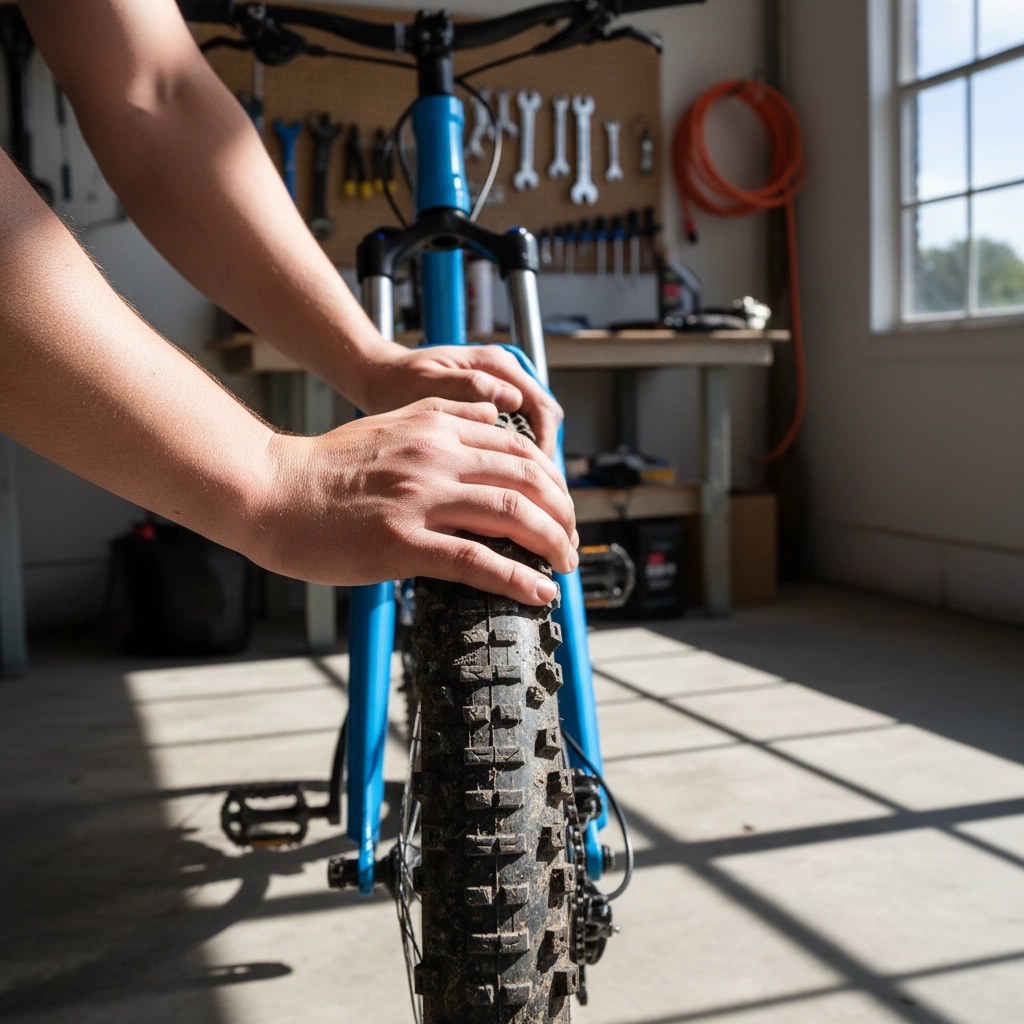
Your tires are the only part of your bike touching the ground, so they better be ready for action. Push down firmly on the top of each tire with your palms – they should feel solid and barely give under pressure. If your tire feels squishy or you can easily push it down, it needs air.
Check the side of your tire for the recommended PSI (pounds per square inch) – it's usually printed right there in small numbers. Properly inflated tires don't just prevent flats; they make pedaling easier and help you steer better. Remember, bike tires naturally lose air over time, even when you're not riding, so don't be surprised if you need to add a little air every few days.
While you're checking pressure, take a close look at the tire surface. Are there any cuts, cracks, or weird objects stuck in there? A small piece of glass or nail might not cause a flat immediately, but it's waiting for the perfect moment to ruin your ride.
B is for Brakes (Your Best Friend)
Brakes are pretty important – they're what keep you from becoming a human projectile. Squeeze both brake levers (front and rear) and make sure they feel firm and responsive. The levers shouldn't pull all the way back to your handlebars. If they do, your brakes need adjustment.
Here's a simple test: while holding your bike steady, squeeze each brake lever individually and try to push the bike forward. The brake should hold the bike in place without any slipping. If your bike has rim brakes, check that the brake pads hit the wheel rim squarely, not the tire. For disc brakes, listen for any grinding or squealing sounds that might indicate worn pads.
C is for Chain (The Hardworking Hero)
Your chain works harder than you might think, transferring every bit of your pedaling power to the wheels. A healthy chain should look clean and move smoothly without stiff or rusty links. If it looks more like an archaeological artifact than a bike part, it's time for some TLC.
Gently lift a section of the chain and let it settle back down. It should move freely without catching or making grinding noises. A dry chain will sound like it's having a conversation with your bike – and not a pleasant one.
Essential Tools Every Cyclist Should Have
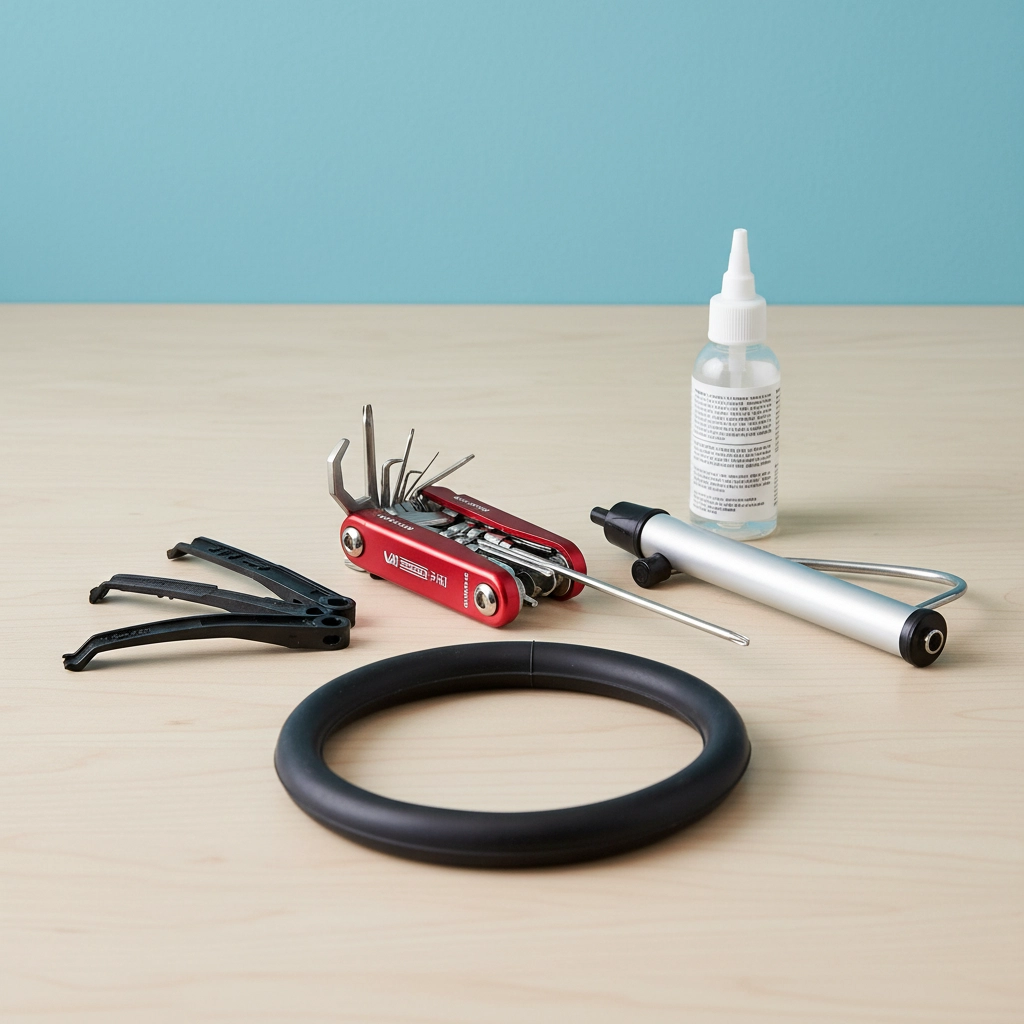
You don't need a garage full of equipment to maintain your bike safely. Here are the must-have tools that'll handle most situations:
Multi-tool: This is the Swiss Army knife of bike maintenance. A good multi-tool includes various hex keys, screwdrivers, and sometimes even a chain tool. It fits in your pocket and can handle most roadside adjustments.
Tire Levers: These plastic or metal tools help you remove tires when fixing flats. Trust us, trying to change a tire without them is like trying to eat soup with a fork – technically possible but unnecessarily frustrating.
Pump: Whether it's a floor pump for home use or a portable pump for rides, having a reliable way to inflate tires is non-negotiable. Some cyclists prefer CO2 inflators for their speed and compact size.
Chain Cleaner and Lubricant: Your chain needs to stay clean and lubricated to work properly. Use a bike-specific degreaser to clean off dirt and grime, then apply a light coat of chain oil.
Spare Tube and Patch Kit: Always carry a spare inner tube that matches your tire size. Even if you know how to patch tubes, having a spare means you can fix a flat quickly and patch the damaged tube at home.
Quick Safety Checks That Take Seconds
Quick-Release Check: Many bikes use quick-release levers to secure wheels. These can be dangerous if not properly tightened. The lever should close firmly enough that it leaves an impression on your palm when you grip it. When closed, you should be able to read the word "closed" on the lever. An improperly secured wheel can come loose while riding – definitely not something you want to discover mid-ride.
Handlebar and Stem: Give your handlebars a firm twist while holding the front wheel steady. They shouldn't move independently of the wheel. Also, check that your stem bolts are tight by trying to twist the handlebars left and right while the wheel points straight ahead.
Seat Security: Your seat should be firmly attached and at the right height. If you can easily twist it or if it slides up and down, tighten the seat post clamp. The correct seat height allows a slight bend in your knee when your leg is extended at the bottom of the pedal stroke.
Regular Maintenance: The Monthly Check-Up
Once a month, give your bike a more thorough inspection. This is when you play bike detective and look for potential problems before they become safety hazards.
Deep Chain Cleaning: Remove built-up grime from your chain, chainrings, and cassette using a biodegradable degreaser and clean rags. A clean drivetrain not only works better but lasts longer and shifts more smoothly.
Cable Inspection: Check brake and gear cables for fraying, rust, or kinks. Cables under tension can snap without warning, leaving you without brakes or the ability to shift gears properly.
Accessory Check: If you have baskets, racks, lights, or other accessories, make sure they're securely attached. Loose accessories can fall off, get caught in wheels, or create hazardous situations.
When to Call in the Professionals
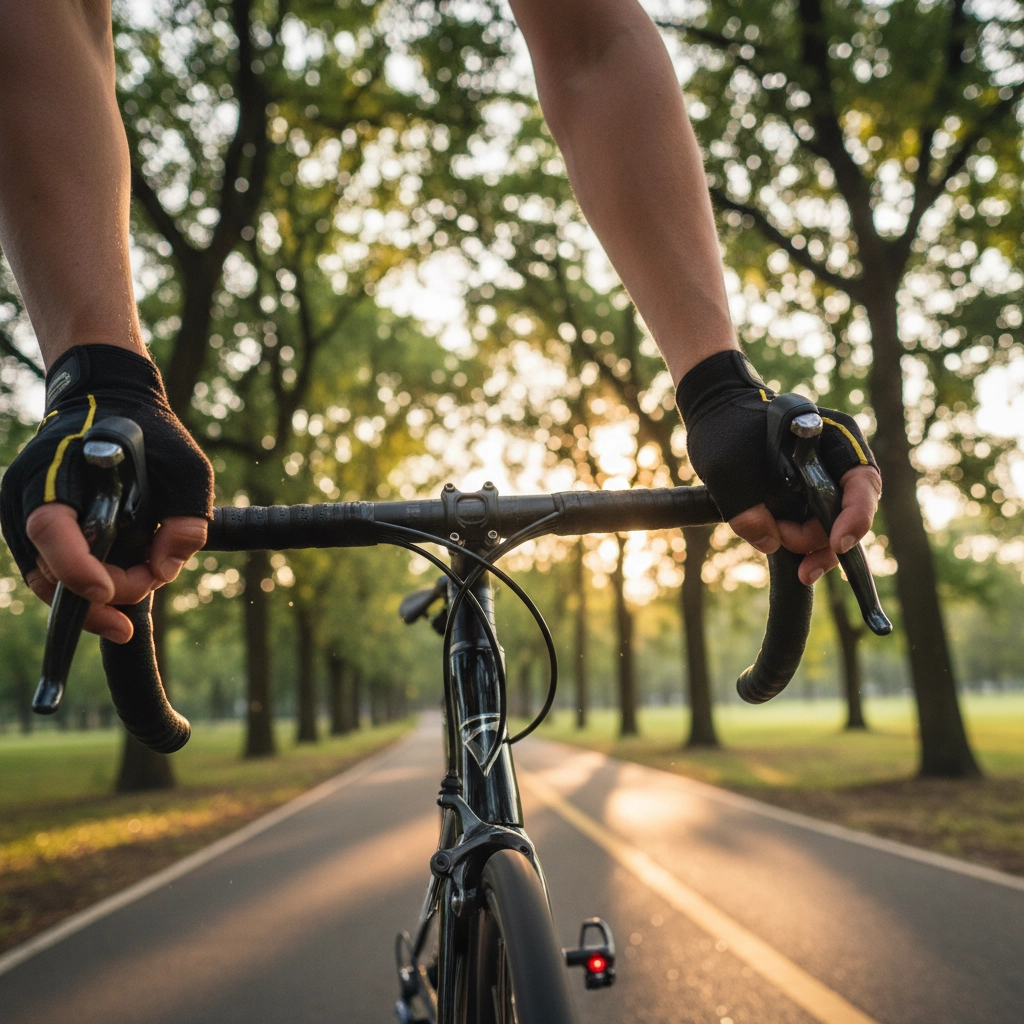
While basic maintenance keeps your bike safe and running well, some jobs are best left to experienced mechanics. If you ride regularly, schedule a professional tune-up twice a year. Mechanics have specialized tools and knowledge to properly adjust complex components like derailleurs, true wobbly wheels, and service internal parts like bearings.
Don't attempt major repairs unless you have the proper tools and knowledge. Working on brakes, wheel truing, or suspension components without experience can create dangerous situations. When in doubt, ask a professional – it's much cheaper than dealing with accidents or damaged components.
Making Maintenance Fun for Families
Turn bike maintenance into a family activity rather than a chore. Kids love learning how things work, and teaching them basic bike care builds responsibility and confidence. Create a maintenance checklist they can follow, and celebrate when they successfully complete their pre-ride inspection.
Consider setting up a simple bike maintenance station in your garage or storage area with basic tools, cleaning supplies, and a repair stand if you have one. Having everything in one place makes maintenance more convenient and likely to happen regularly.
The Bottom Line on Bike Safety
Regular bike maintenance isn't about being obsessive – it's about being safe and responsible. A well-maintained bike is reliable, efficient, and most importantly, safe for you and your family. The few minutes you spend on regular checks and basic maintenance can prevent accidents, extend your bike's life, and ensure that every ride is enjoyable rather than stressful.
Remember, your bike wants to work properly – it just needs a little help from you. Treat it well, and it'll keep you rolling safely for years to come. Whether you're commuting to work, exploring trails with the family, or just enjoying a sunny afternoon ride, good maintenance habits will keep those wheels turning and everyone smiling.
Start with the simple ABC check before every ride, invest in a few basic tools, and don't be afraid to ask for help when you need it. Your bike – and your family – will thank you for it.


Comments
Post a Comment