Making Public Spaces Safe: Parks, Malls, and More
Making Public Spaces Safe: Parks, Malls, and More
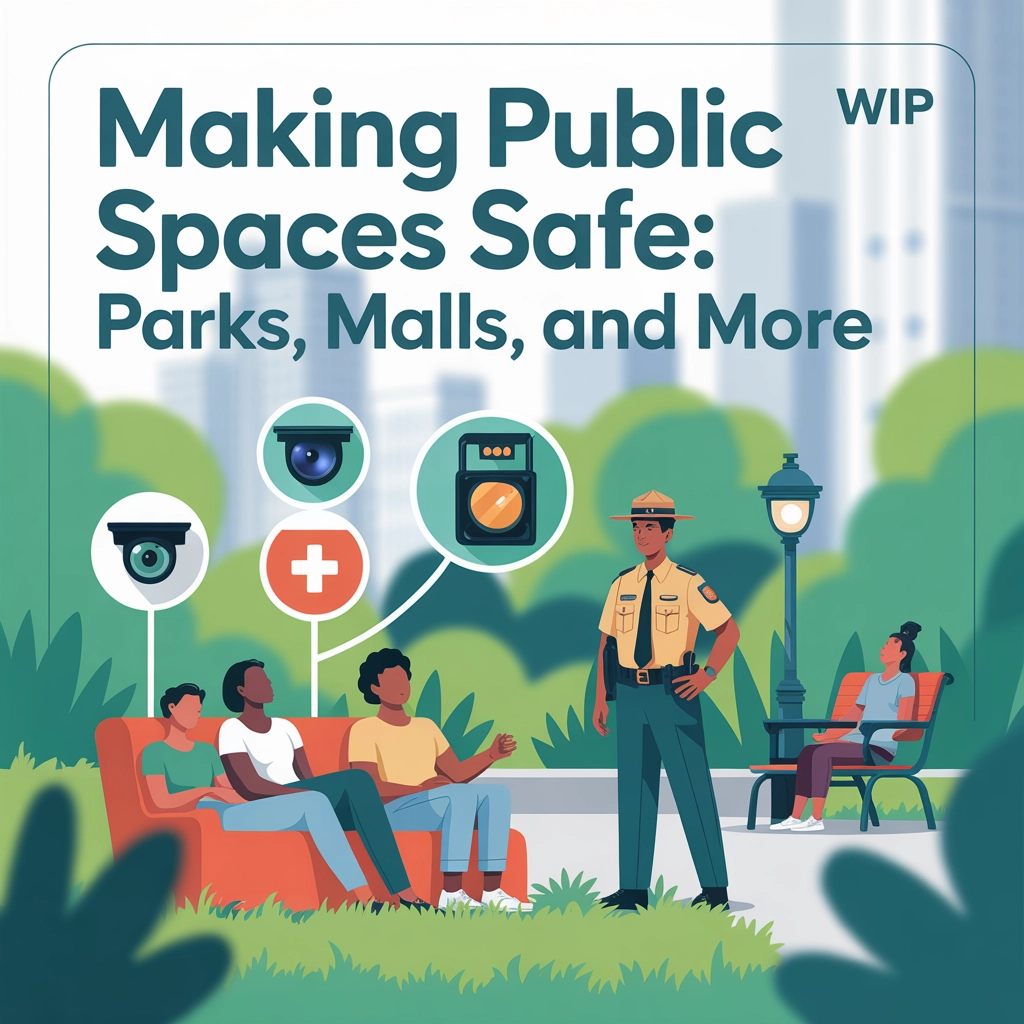
Public spaces are where life happens – kids run around playgrounds, families enjoy picnics, teens hang out at malls, and communities come together. But keeping these spaces safe takes more than just hoping for the best. Whether you're a parent scoping out a new park or a community member wanting to make your neighborhood better, understanding public space safety can make all the difference.
Know What Makes a Space Safe (Or Not)
The safest public spaces aren't accidents – they're designed that way. Think about the places where you feel most comfortable. They're probably well-lit, clean, and have plenty of people around. That's not coincidence.
Good visibility is everything. Spaces with clear sightlines, where you can see what's happening around you, naturally feel safer. Areas with lots of hidden corners, overgrown bushes, or blind spots? Those give most people the creeps for good reason.
Activity equals safety. The more legitimate users a space has – families, joggers, dog walkers, kids playing – the safer it becomes. Empty spaces invite trouble, while busy spaces with regular foot traffic tend to police themselves naturally.
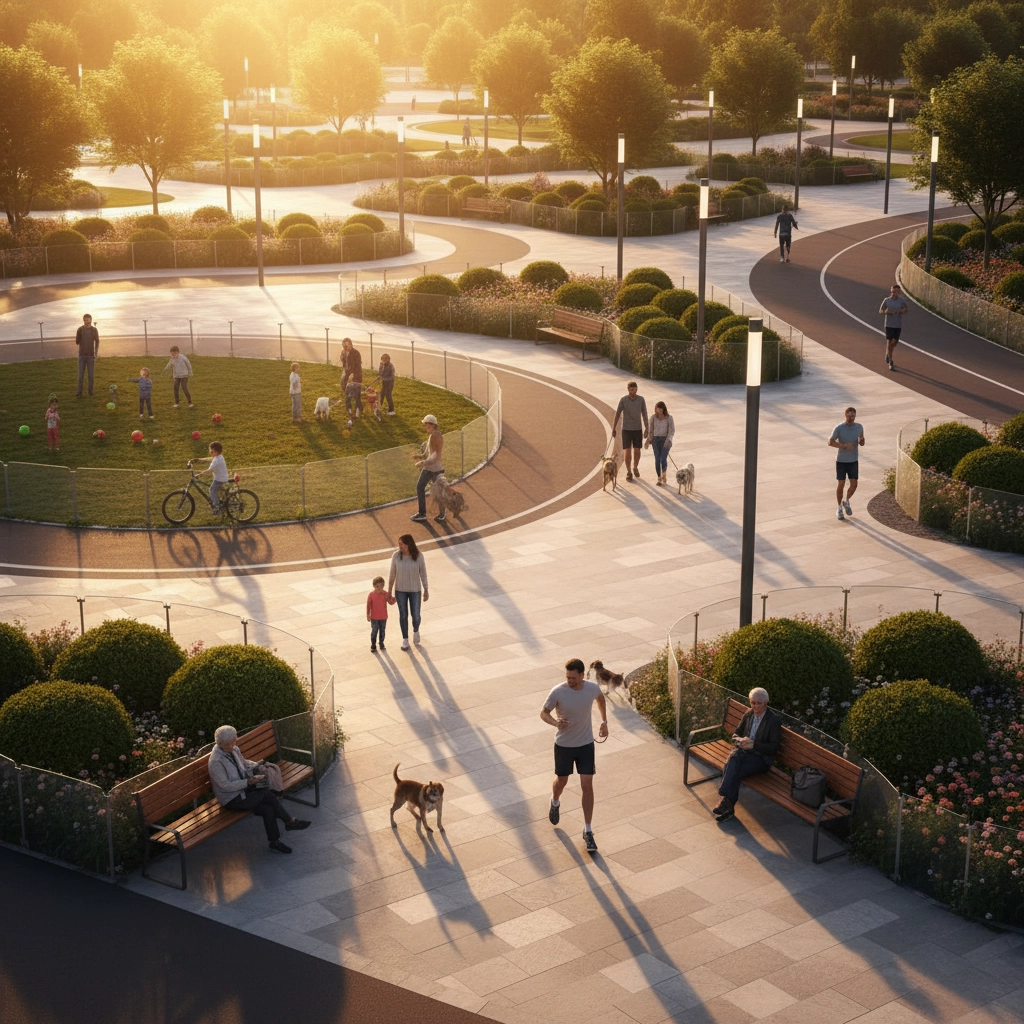
Parks: Where Nature Meets Safety
Parks should be community treasures, but they need some help staying that way. If you're checking out a park for your family, here's what to look for:
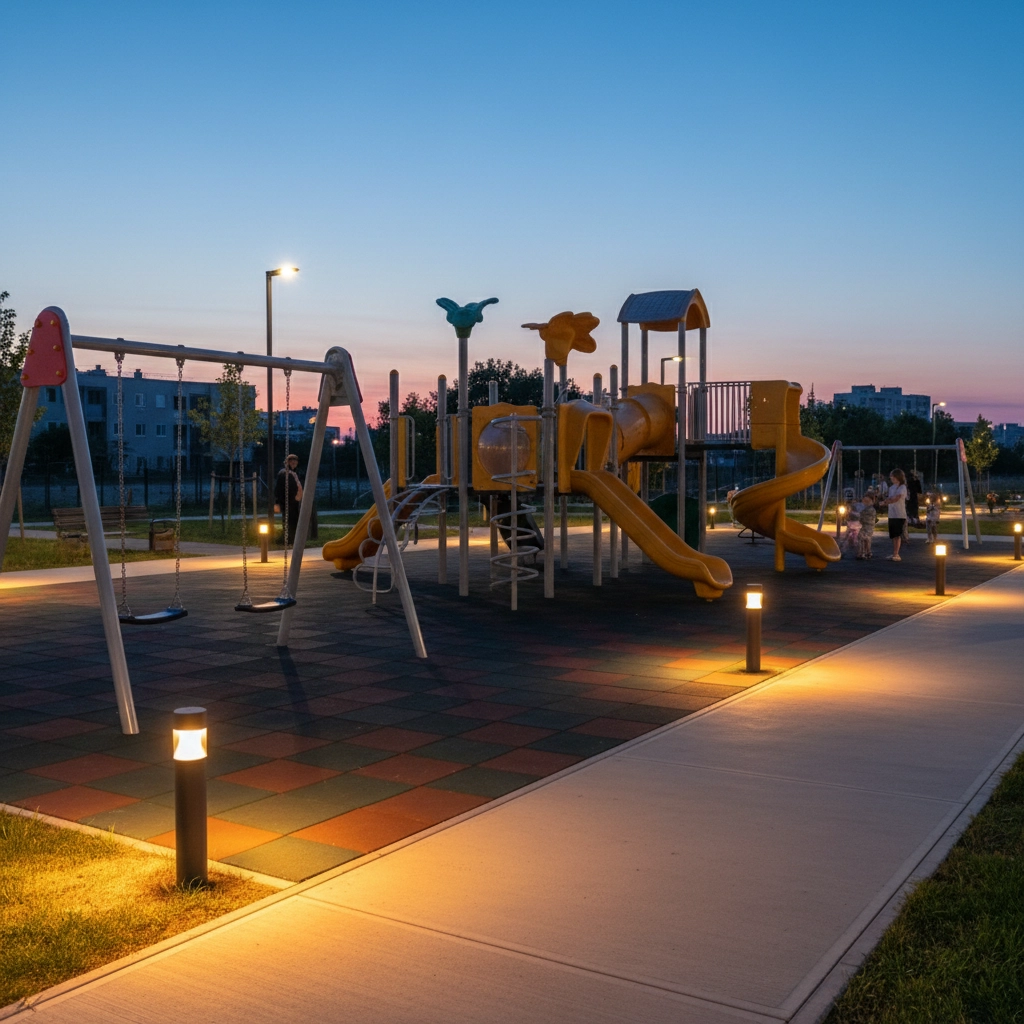
Playground equipment should be well-maintained without broken pieces, rust, or sharp edges. Good parks have regular inspection schedules, and you can usually tell by looking around. If the swings are wonky and the slide has graffiti, that's a red flag about overall maintenance.
Lighting matters, especially if you'll be there during evening hours or in winter when it gets dark early. Parks with good lighting on pathways and activity areas stay usable longer and feel much safer.
Clear pathways help everyone navigate safely. This means sidewalks without cracks that could trip someone, paths wide enough for wheelchairs and strollers, and routes that don't dead-end in isolated areas.
Restroom facilities that are clean and well-lit (both inside and around the entrances) show that park management takes safety seriously. Gross or dimly-lit restrooms often indicate other safety issues too.
Shopping Centers and Malls: Retail Safety
Malls and shopping centers have their own safety considerations. These spaces blend public access with private property, creating unique challenges.
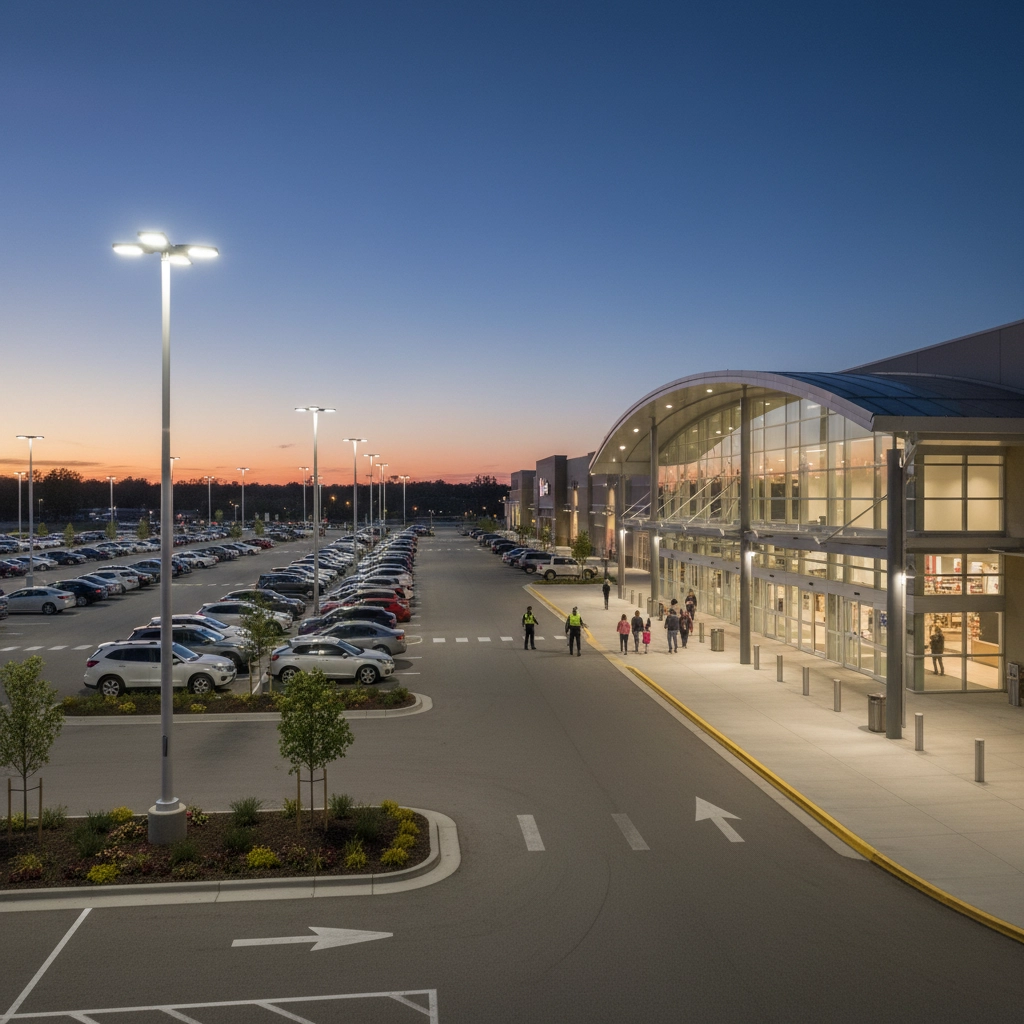
Parking areas are often where problems start. Look for shopping centers with good lighting in parking lots, regular security patrols, and clear sight lines from the building to your car. If you have to park in a dark corner behind a dumpster, that's not ideal.
Inside the mall, pay attention to how crowded areas are managed. Good malls have clear emergency exits, security personnel who are actually visible (not just hiding in an office), and staff who seem engaged and aware of what's happening around them.
Food courts and gathering areas should feel welcoming but controlled. These spaces work best when they're designed so you can see what's happening, with seating arranged to discourage loitering while encouraging legitimate use.
Transportation Hubs: Getting There Safely
Bus stops, train stations, and transit centers present special safety challenges because they're designed for temporary use by strangers.
Good transit stops have shelters that provide protection from weather without creating hiding spots. They're well-lit, have clear sight lines in all directions, and ideally have some kind of regular maintenance or security presence.
Schedule reliability actually affects safety – when buses or trains run on time, people don't have to wait as long in potentially vulnerable situations. If you're using public transit regularly, learning the actual schedules (not just the posted ones) helps you minimize waiting time.
Libraries, Community Centers, and Government Buildings
These spaces serve everyone in the community, which means they need to balance openness with security.
Good community buildings have staff or volunteers who know what's normal for their space and notice when something seems off. They don't need to be security guards – just people who care about maintaining a welcoming environment.
Multiple exits matter in any public building, both for emergencies and for peace of mind. You should always know where you can go if you need to leave quickly.
Clear policies about behavior help everyone understand expectations. Buildings that post and enforce reasonable rules about noise, conduct, and use of space tend to stay comfortable for families.
What You Can Do to Help
Public space safety isn't just someone else's responsibility – community members play a huge role in keeping spaces safe and welcoming.
Use spaces regularly. The more legitimate users a space has, the safer it becomes. Regular joggers, dog walkers, and families create natural surveillance that deters problems.
Report issues promptly. Broken equipment, burnt-out lights, graffiti, or other maintenance issues should be reported to whoever manages the space. Most problems are easier and cheaper to fix when they're caught early.
Get involved locally. Many communities have park committees, neighborhood watch groups, or community advisory boards that influence how public spaces are maintained and improved.
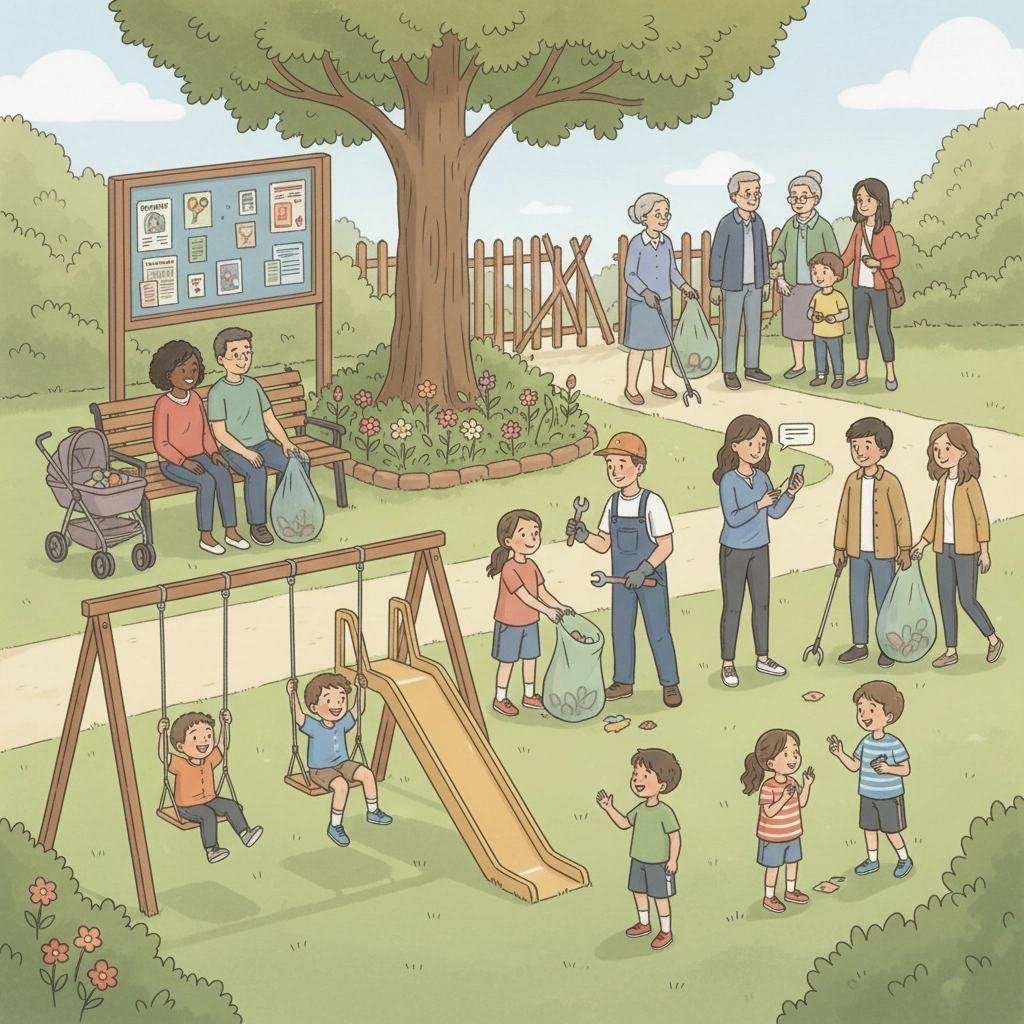
Model good behavior. Kids learn about public space etiquette by watching adults. Picking up trash (even if it's not yours), being considerate of others, and speaking up when someone needs help all contribute to better spaces for everyone.
When Something Doesn't Feel Right
Trust your instincts about public spaces. If something feels off, it probably is. This doesn't mean being paranoid, but it does mean paying attention to your surroundings.
Have an exit strategy. Always know how you'd leave quickly if needed. This is especially important in crowded places like malls or at large events in parks.
Stay connected. Keep your phone charged, let someone know where you're going, and don't assume cell service will work everywhere.
Travel in groups when possible. There's real safety in numbers, especially for teens and in less familiar areas.
Making Spaces Work for Everyone
The safest public spaces are inclusive ones that work for people of all ages and abilities. When spaces are designed thoughtfully, they naturally become safer for everyone.
This means wide pathways for wheelchairs and strollers, seating areas for people who need to rest, good lighting for people with vision issues, and clear signage that everyone can understand.
Small Changes, Big Impact
Sometimes the difference between a space that feels safe and one that doesn't comes down to small details. Fresh paint covering graffiti, trimmed bushes that don't block sight lines, or just having staff who greet people and seem engaged can transform how a space feels.
The goal isn't to create fortress-like public spaces that feel unwelcoming. The best public spaces strike a balance – they're open and accessible while also being well-maintained, well-designed, and actively cared for by the people who use them.
Public safety is really community safety. When we all take some responsibility for the spaces we share, everyone benefits. Whether that means reporting a broken swing, picking up litter, or just being a friendly face that makes others feel welcome, small actions add up to safer, better communities for everyone.


Comments
Post a Comment