Prepping for Storms: Family Weather Safety Plans
Prepping for Storms: Family Weather Safety Plans
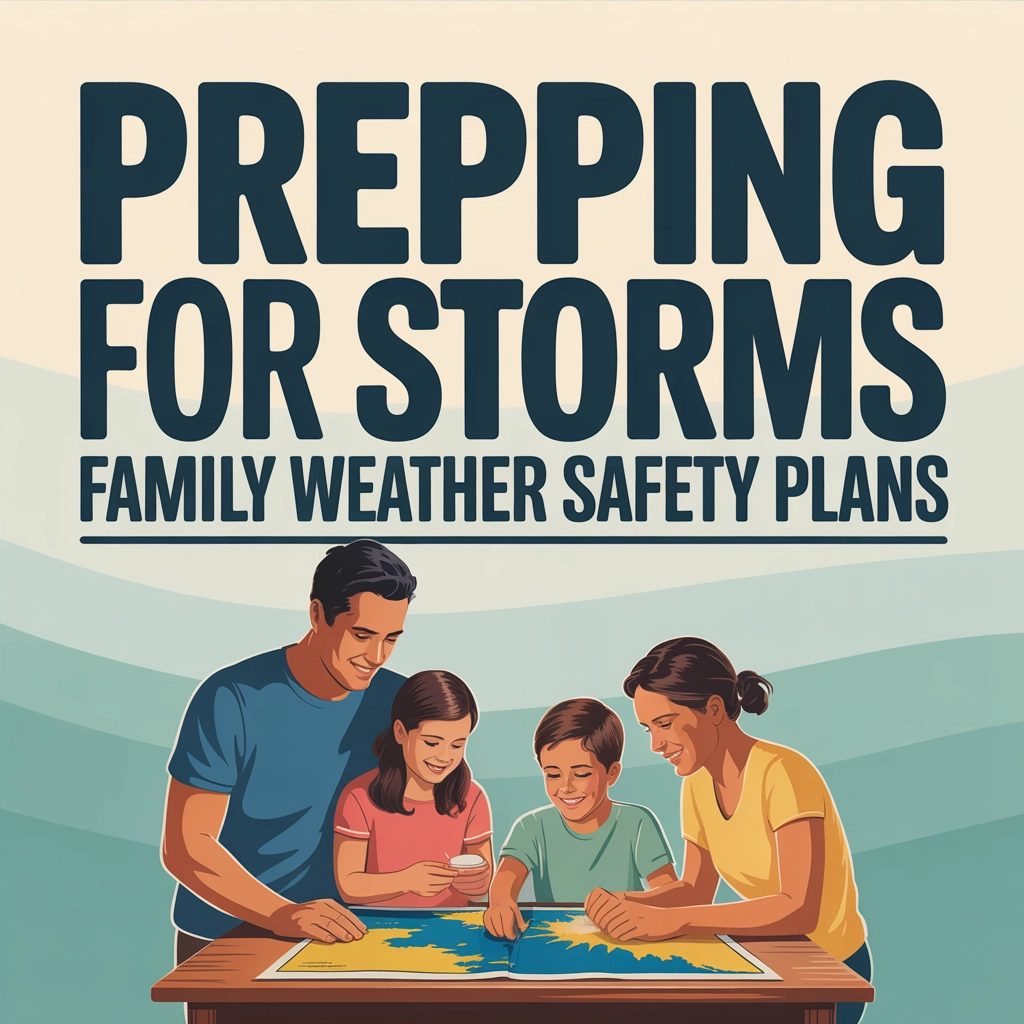
When storm clouds start gathering, having a solid family weather safety plan isn't just smart, it's essential. Whether you're dealing with thunderstorms, hurricanes, tornadoes, or winter storms, being prepared can turn a potentially scary situation into one your family handles with confidence.
Think of storm preparation like getting ready for a big camping trip. You wouldn't head into the wilderness without supplies, a map, and a plan, right? The same logic applies to severe weather, except instead of planning for fun adventures, you're planning to keep your family safe and comfortable until the storm passes.
Building Your Family's Storm Command Center
Every family needs a designated "storm command center", a central location where you keep all your emergency supplies and important documents. This could be a closet, basement corner, or even a large storage bin that's easy to access quickly.
Start by gathering everyone together for a family meeting. Yes, even the teenagers (bribe them with pizza if necessary!). Discuss the types of severe weather common in your area. If you live in Tornado Alley, focus heavily on tornado safety. Coastal families need hurricane preparedness, while northern families should emphasize winter storm readiness.

Create your family communication plan by writing down everyone's important contact information, including work, school, and cell phone numbers. Pick an out-of-state relative or friend as your emergency contact: someone everyone can call if you get separated. During local disasters, long-distance phone calls often work better than local ones.
Choose your safe spots ahead of time. For tornadoes, identify the lowest floor of your home, away from windows: think basements, interior closets, or bathrooms. For hurricanes, choose an interior room on the lowest floor, but avoid basements that might flood. Make sure everyone knows exactly where to go without having to think about it in the moment.
Stocking Your Emergency Supply Kit
Building an emergency kit is like creating a survival backpack for your whole family. The goal is to have everything you need to stay safe and comfortable for at least three days without outside help.
Water is your top priority. Store at least one gallon per person per day, and don't forget your pets! A family of four needs a minimum of 12 gallons for three days. Store water in clean plastic containers and replace it every six months.
Food comes next. Stock non-perishable items that don't require cooking: canned goods, energy bars, nuts, crackers, and dried fruit. Include comfort foods too: having familiar snacks can help kids stay calm during stressful situations. Don't forget a manual can opener and paper plates to make eating easier.
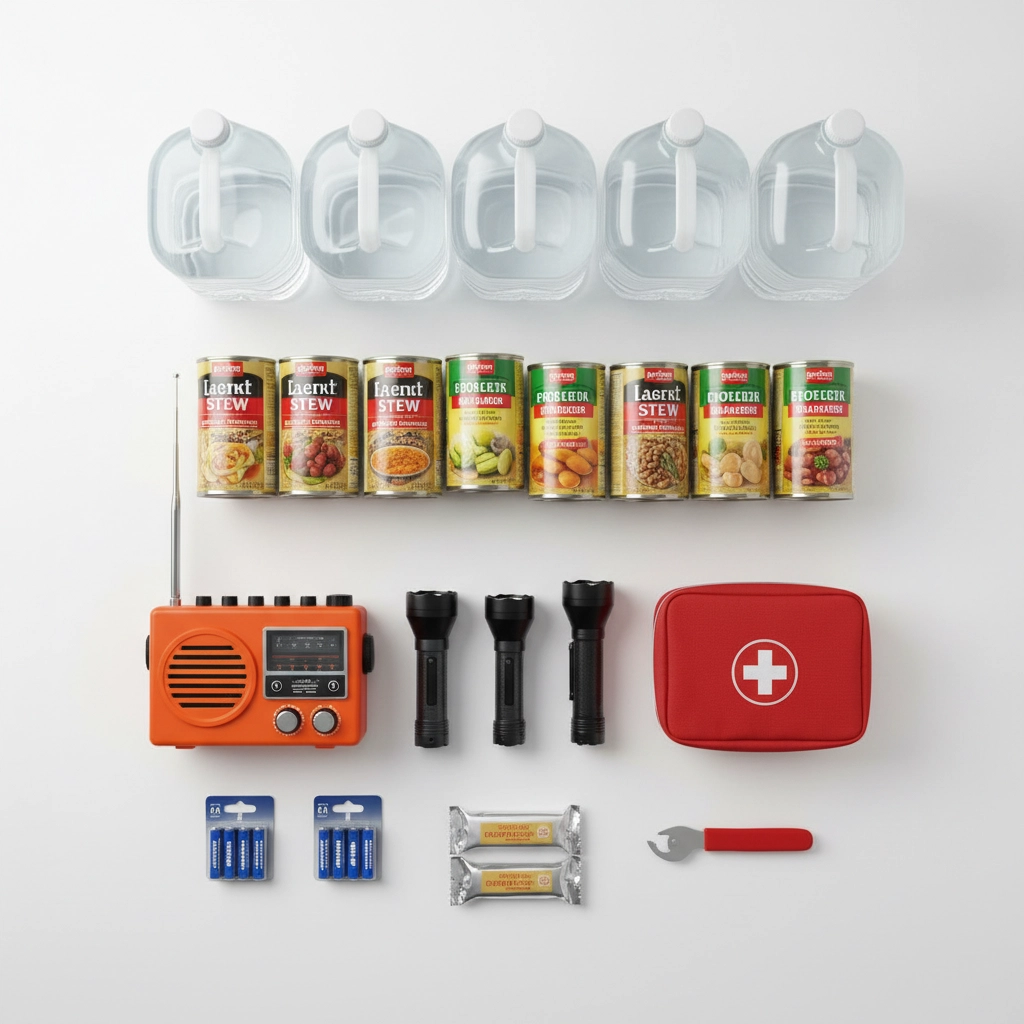
Power and communication tools are crucial when the lights go out. Battery-powered or hand-crank radios keep you connected to weather updates and emergency information. Pack plenty of flashlights (one per person plus extras) and stock up on batteries. Consider solar phone chargers or portable battery packs to keep devices running.
First aid and medications round out your basic supplies. Include prescription medications, over-the-counter pain relievers, and any special medical supplies your family needs. Add bandages, antiseptic wipes, and a basic first aid manual.
Making Your Home Storm-Ready
Your house needs its own storm preparation routine. Walk around your property and identify potential hazards before storm season begins.
Secure outdoor items that could become dangerous projectiles in high winds. Patio furniture, grills, trampolines, and even garden gnomes can turn into missiles during severe weather. Create a plan for quickly moving or securing these items when storms approach.
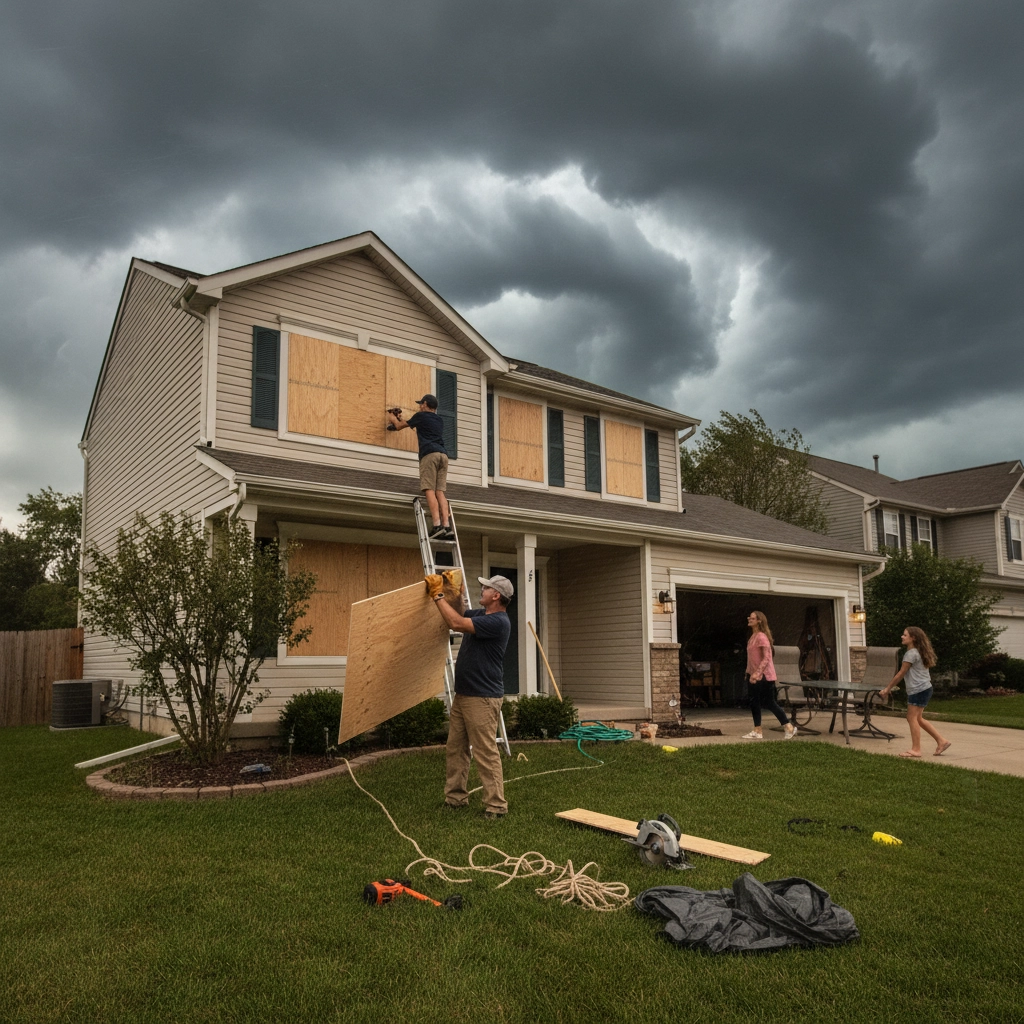
Protect your windows and doors. If you live in hurricane-prone areas, consider permanent storm shutters or keep plywood sheets ready for quick installation. Even for lesser storms, knowing how to quickly secure vulnerable openings helps minimize damage.
Tree maintenance might seem boring, but it's incredibly important. Remove dead branches that could fall on your home, and trim trees that hang over your roof or power lines. A little prevention saves a lot of cleanup later.
Know your home's utilities. Teach responsible family members how to shut off gas, water, and electricity if needed. Keep the necessary tools near utility shut-offs, and make sure everyone knows where they're located.
Staying Informed During Storms
Information is power during severe weather. Multiple ways to receive weather updates ensure you won't miss critical warnings.
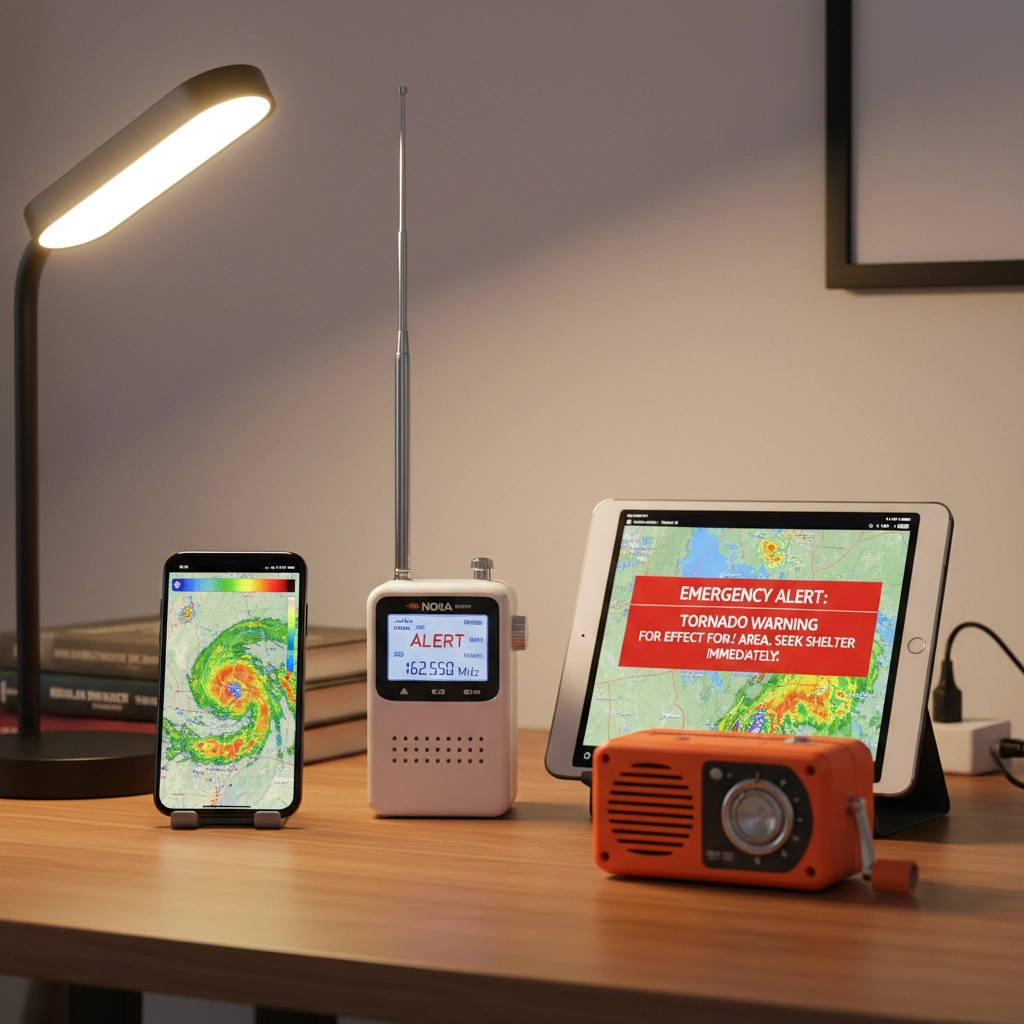
Weather radios are your best friend during power outages. NOAA Weather Radio broadcasts continuous weather information and emergency alerts. Look for models with hand-crank power options or battery backup.
Smartphone apps provide real-time updates when cell towers are working. Download weather apps from trusted sources like the National Weather Service. Enable emergency alerts on all family phones so everyone receives warnings automatically.
Understand weather terminology. Teach kids the difference between watches and warnings: a watch means conditions are right for severe weather to develop, while a warning means dangerous weather is actually happening or imminent.
Practice Makes Perfect
Fire drills happen at school for good reason: practice saves lives. The same principle applies to storm safety.
Run storm drills with your family every few months. Practice getting to your safe room quickly, and time how long it takes. Make it like a game for younger kids: "Let's see if we can all get to the safe room before I count to 30!"
Test your emergency kit regularly. Check expiration dates on food and medications, test flashlights and radios, and make sure everyone knows where everything is located. Rotate stored water and update contact information as needed.
Review and update your plan annually or whenever your family situation changes. New babies, elderly relatives moving in, or family members with new medical conditions all require plan adjustments.
Special Considerations for Your Family
Every family has unique needs that require special planning attention.
Pet preparation is crucial for animal-loving families. Stock pet food, water, medications, and comfort items. Identify pet-friendly shelters or hotels in case you need to evacuate. Keep pet carriers easily accessible and ensure ID tags and microchips are current.
Kids need extra attention during emergencies. Pack comfort items like favorite toys, books, or games to help them stay calm. Explain your storm plan in age-appropriate terms: focus on safety without creating unnecessary fear.
Elderly family members or those with disabilities may need additional assistance. Plan for medical equipment power needs, medication refrigeration, and mobility assistance during evacuations.
Creating Community Connections
Strong neighborhoods weather storms better than isolated families. Get to know your neighbors before emergencies strike.
Share contact information with trusted neighbors and discuss how you might help each other during emergencies. Some neighbors might have generators, while others have medical training or four-wheel-drive vehicles.
Check on vulnerable neighbors during severe weather events. Elderly residents, single parents, or families with special needs might appreciate knowing someone is looking out for them.

Coordinate resources when possible. If one family has a generator and another has a large freezer, working together benefits everyone during power outages.
When It's Time to Go
Sometimes the safest choice is leaving home altogether. Understand when and how to evacuate before you're in an emergency situation.
Listen to authorities when they issue evacuation orders. They're not suggestions: they're urgent safety warnings based on professional weather forecasting and emergency management expertise.
Plan multiple evacuation routes since your preferred route might be blocked by flooding, debris, or traffic. Keep physical maps in your car since GPS systems may not work during widespread power outages.
Prepare a "go bag" that stays ready for quick evacuation. Include essential documents, cash, medications, a change of clothes, and important phone numbers. Keep this bag easily accessible and make sure everyone knows where it is.
Storm preparation isn't about living in fear: it's about being ready so you can face whatever weather comes your way with confidence. When your family has a solid plan, adequate supplies, and regular practice, severe weather becomes just another challenge you're equipped to handle together. Start building your storm preparedness plan today, because the best time to prepare for a storm is when the skies are clear and calm.


Comments
Post a Comment