Smart Packing for Safe Family Outings
Smart Packing for Safe Family Outings
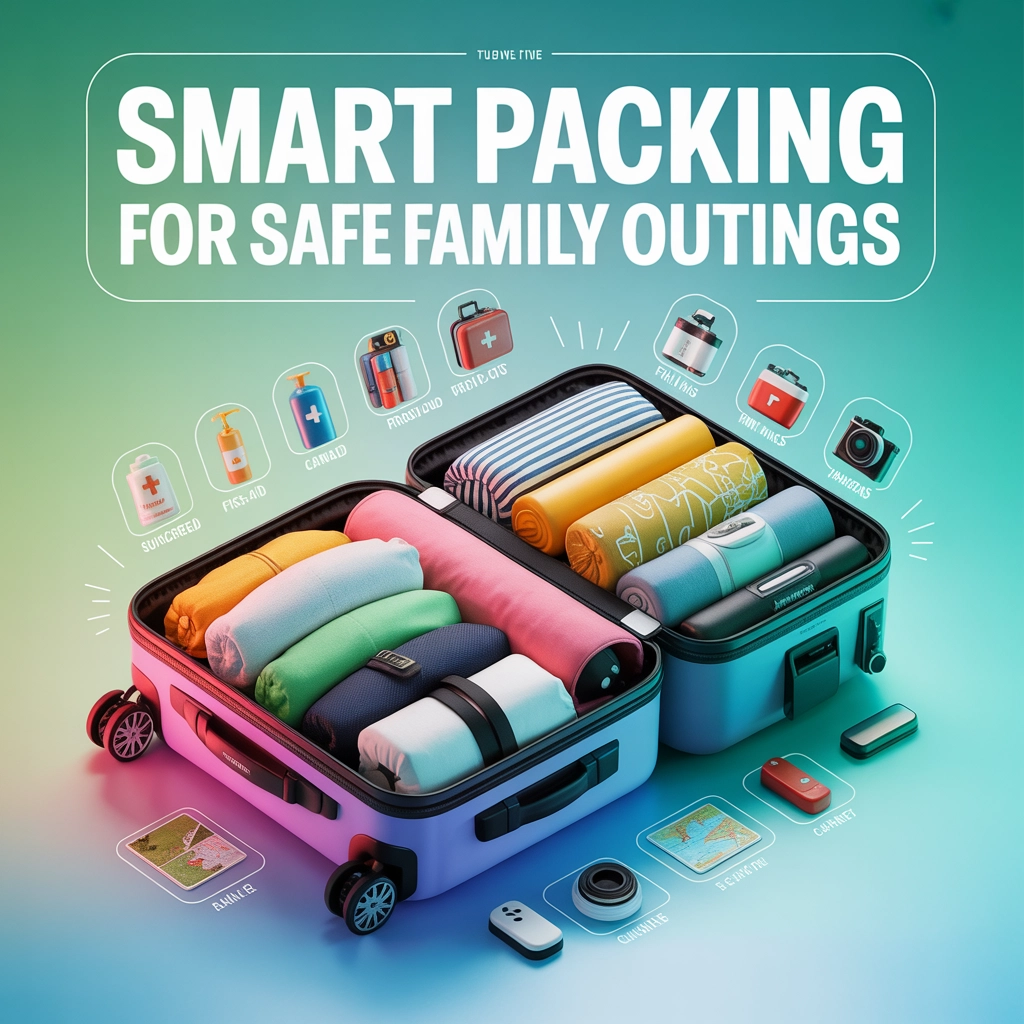
Planning a family adventure? The secret to stress-free outings isn't just about picking the perfect destination: it's about packing smart. When you're juggling kids, gear, snacks, and safety essentials, having a solid packing strategy can make the difference between a memorable day and a chaotic disaster.
Smart packing goes way beyond cramming everything into the biggest bag you can find. It's about creating systems that keep your family safe, organized, and prepared for whatever comes your way. Whether you're heading to the beach for the day, camping for the weekend, or taking a week-long road trip, these proven strategies will transform how your family travels.
Start with Safety: Your Non-Negotiable Essentials
Before you even think about entertainment or extra clothes, safety items should be the first things in your bag. Think of your safety kit as your family's insurance policy: you hope you won't need it, but you'll be incredibly grateful it's there if you do.
Build Your Family First Aid Kit
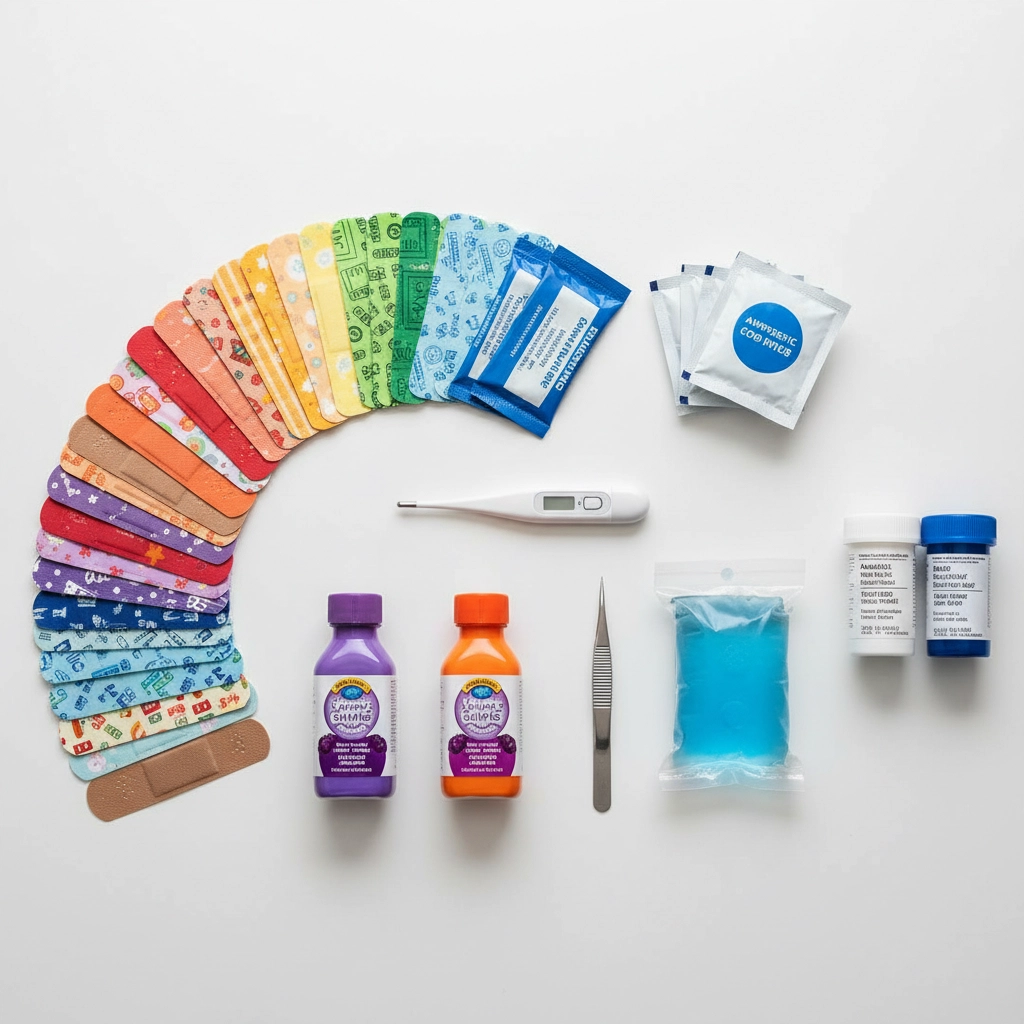
Every family outing needs a well-stocked first aid kit. Pack bandages in various sizes, antiseptic wipes, pain relievers appropriate for each family member's age, and any prescription medications your family takes regularly. Here's a pro tip: always pack extra prescription meds and keep them in their original containers. Running out of essential medications during a trip can turn your fun adventure into an emergency situation fast.
Don't forget the basics that parents often overlook: thermometer, tweezers for splinter removal, and instant cold packs for bumps and bruises. If anyone in your family has severe allergies, make sure epinephrine auto-injectors are easily accessible and that multiple adults know how to use them.
Water and Food Safety
Safe drinking water should be a top priority, especially when traveling to unfamiliar areas. Pack more water than you think you'll need: dehydration happens quickly, especially with active kids. If you're unsure about local water quality, bring water purification tablets as backup.
For food safety, pack familiar snacks that won't trigger allergies or upset stomachs. Research restaurant options ahead of time if anyone in your family has dietary restrictions. Having backup snacks prevents hunger-related meltdowns and keeps everyone's energy levels stable throughout your outing.
The Color-Coding Game Changer
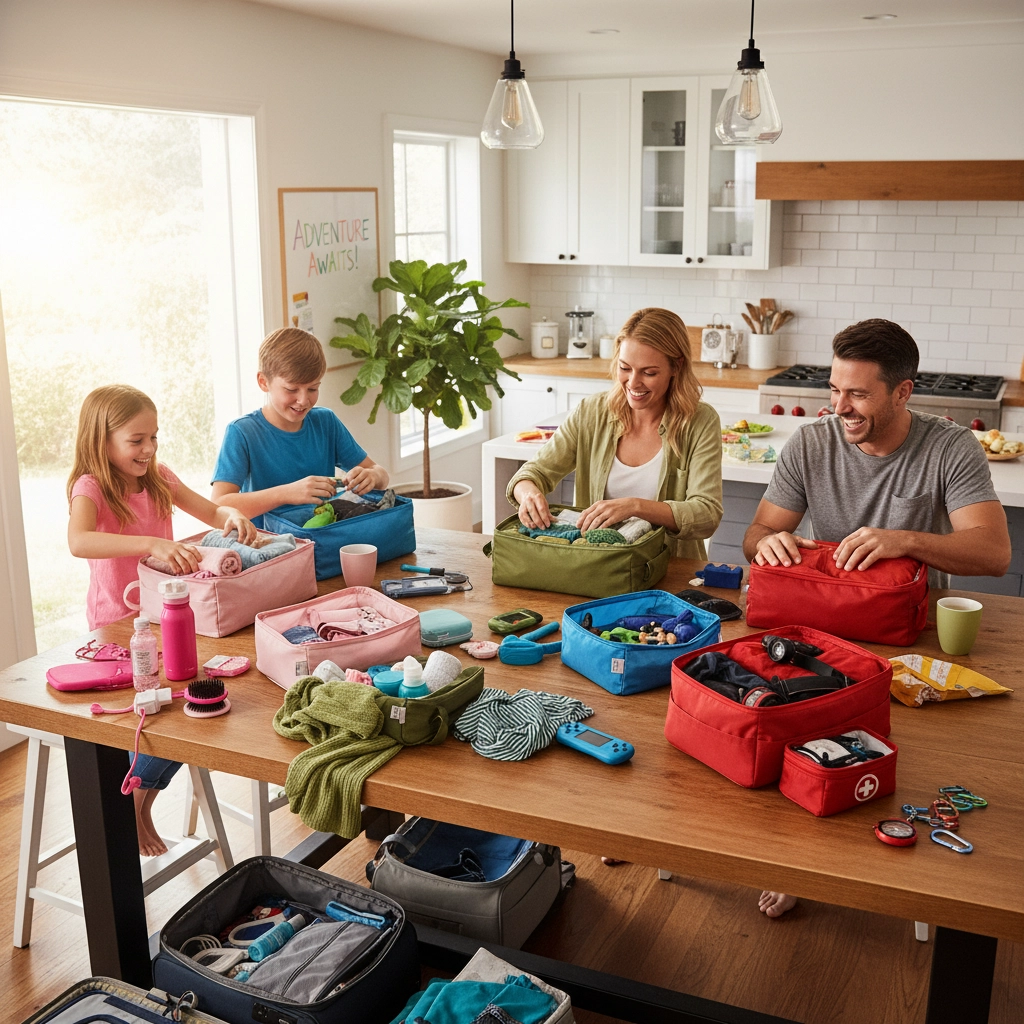
Here's where organization meets fun: assign each family member a color. This simple system will revolutionize how your family packs and travels. Give everyone packing cubes, water bottles, and luggage tags in their designated color.
Kids love this system because it makes them feel special and grown-up. Parents love it because it eliminates the "That's not mine!" arguments and makes it incredibly easy to spot whose stuff is whose. When you're dealing with five different backpacks at a busy beach, being able to quickly identify the blue pack versus the red pack saves time and reduces stress.
This color system also works wonders for laundry during longer trips. Everyone knows which clothes belong to whom, making sorting and repacking much faster.
Master the Art of Strategic Distribution
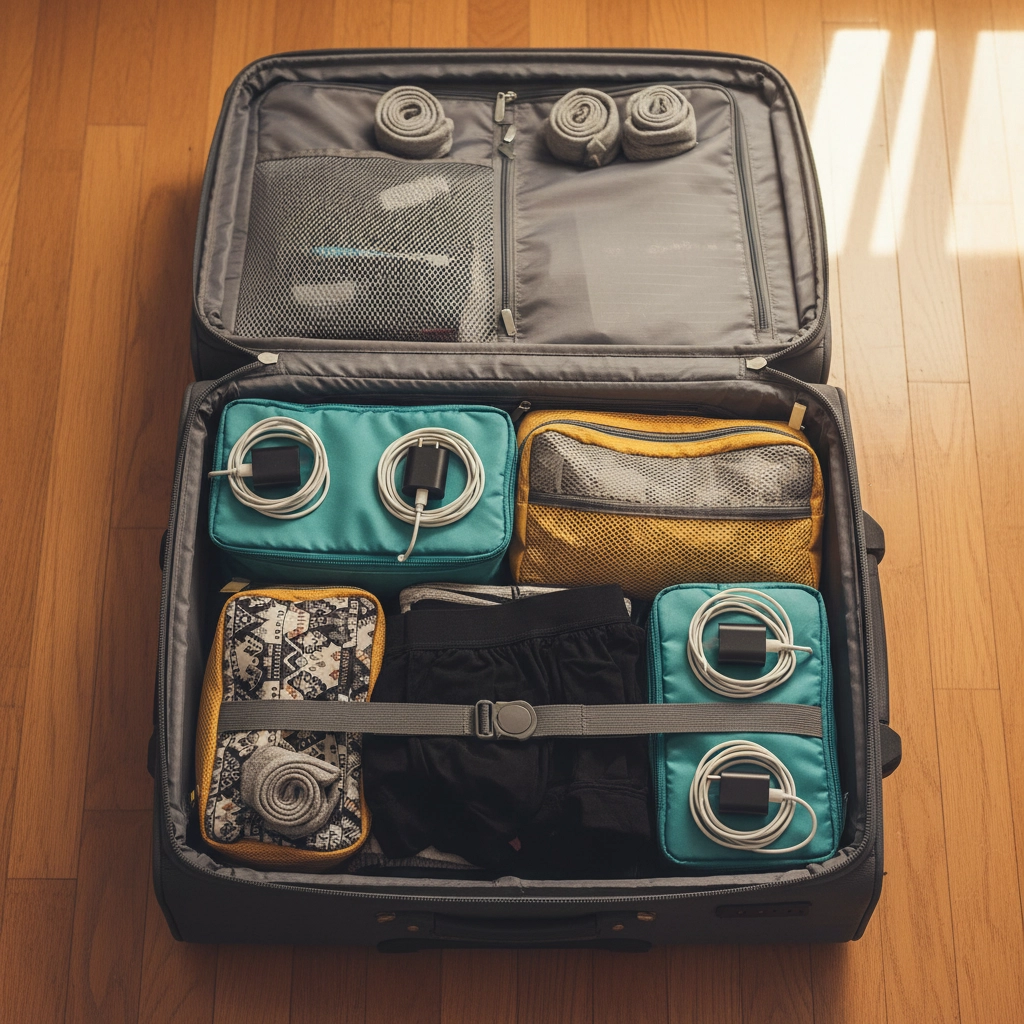
Never put all your eggs in one basket: or all your essentials in one bag. This is where the "multiple location strategy" becomes your best friend. Pack important items like phone chargers in at least three different places. Trust us, someone will forget to pack their charger back after using it at the hotel.
Pack one complete outfit for each family member in someone else's suitcase. If one bag gets lost or delayed, everyone still has something clean to wear. This strategy has saved countless family vacations from wardrobe disasters.
The same goes for underwear and socks: pack extras in carry-on bags and day packs. These items are most likely to get wet or dirty, and having fresh ones readily available keeps everyone comfortable and happy.
The Four-Category Method That Actually Works
Organize each person's items into four clear categories: Must-Haves, Situationals, Comfort Items, and Just-in-Case. This system prevents overpacking while ensuring you don't forget important items.
Must-Haves include weather-appropriate clothing, toiletries, and essential documents. Situationals are activity-specific items like swimwear, hiking boots, or formal clothes for special dinners. Comfort Items bring joy and security: favorite pajamas, beloved stuffed animals, or special blankets. Just-in-Case covers unexpected situations with spare clothes, extra snacks, and emergency supplies.
This method helps kids understand what's truly necessary versus what might be nice to have, teaching valuable decision-making skills while keeping luggage manageable.
Space-Saving Secrets That Actually Work
Maximizing space while staying organized requires some strategic thinking. Roll clothes instead of folding them: this technique can save up to 30% more space in your luggage. Use packing cubes to compartmentalize items and make everything easily accessible.
Stuff shoes with small items like chargers, socks, and underwear. This utilizes every inch of space while protecting delicate items. Pack heavier items at the bottom of suitcases near the wheels for better weight distribution and easier maneuvering through airports or campgrounds.
Leave about 20% of your luggage space empty for souvenirs, dirty laundry, and items that seem to expand during travel. Pack a lightweight, foldable duffel bag that can serve as an extra carry-on for overflow items. This prevents the stressful end-of-trip struggle of trying to force everything back into suitcases.
Get the Kids Involved (They'll Actually Love It)
Making packing a family activity teaches kids valuable life skills while building their excitement for the upcoming adventure. Let each child pack and manage their own daypack filled with entertainment items. This gives them control over their personal space and helps them feel more invested in the trip.
Create personalized packing lists with pictures for younger children, helping them follow along independently. Encourage kids to choose and organize their daily outfits, giving them a sense of autonomy while ensuring they have appropriate clothing for planned activities.
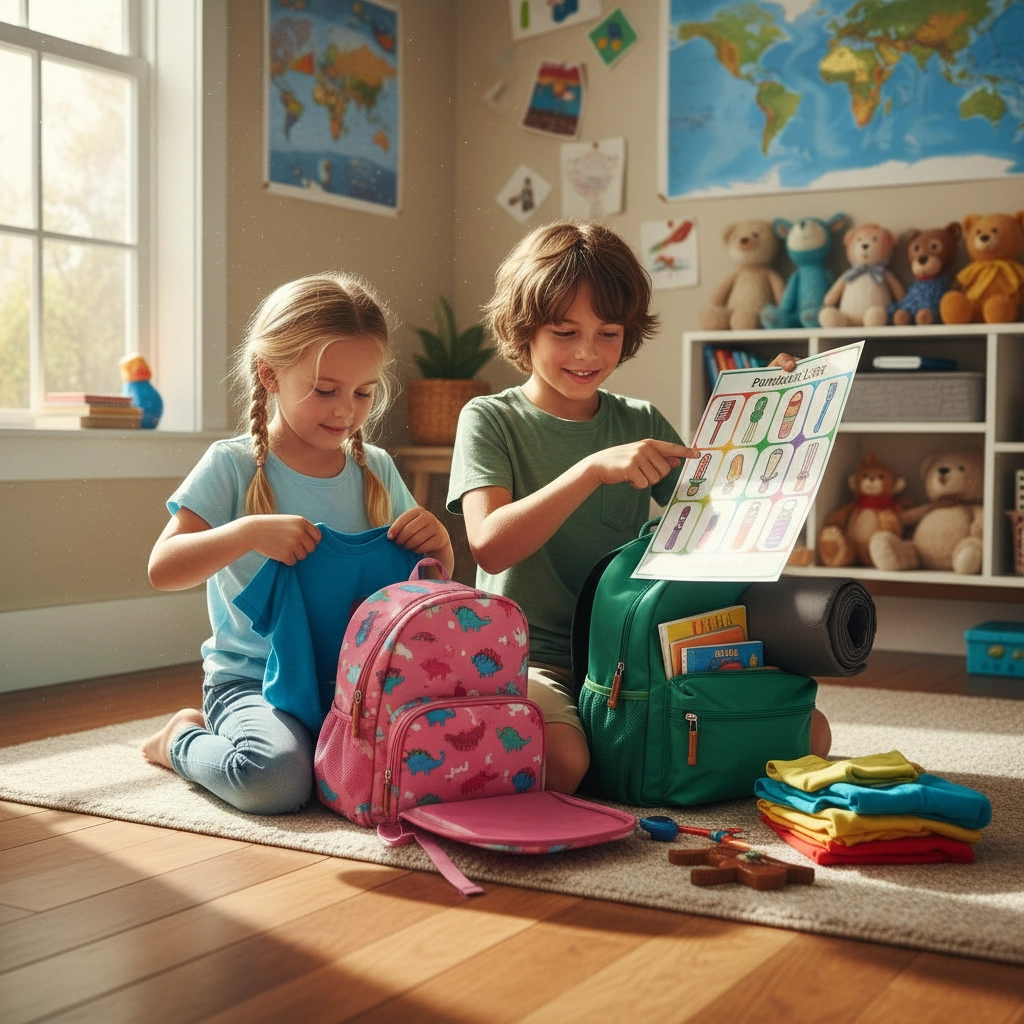
Assign age-appropriate tasks like gathering toiletries or charging electronic devices. Children who participate in packing preparation often feel more responsible for their belongings and are less likely to lose important items during the trip.
The Little Things That Make a Big Difference
Sometimes it's the smallest additions that solve the biggest travel problems. Pack a small roll of duct tape for quick repairs: it fixes everything from broken luggage zippers to torn backpack straps. Bring nightlights for each child to help with unfamiliar sleeping environments.
Include a small extension cord for hotel rooms with limited outlets, and pack door stoppers for extra security in accommodations. These items take up minimal space but can significantly improve your family's comfort and safety.
Don't forget gallon-sized bags for wet clothes, dirty shoes, and additional organization needs. They're incredibly versatile and take up virtually no space when empty.
Planning for the Return Journey
Smart packers think about the trip home before they even leave. Consider how items might expand during travel: clothes get wrinkled and take up more space, souvenirs accumulate, and dirty laundry needs separate storage.
If you're struggling with overpacking, use the "one in, one out" rule. For every new item you want to add, remove something else to make room. This keeps luggage manageable while ensuring you don't forget truly essential items.
The key to smart packing for safe family outings is finding systems that work for your specific family dynamics. What works perfectly for one family might need adjustments for another. Start with these foundational strategies, then adapt them based on your family's unique needs and travel style.
Remember, the goal isn't to pack for every possible scenario: it's to pack smartly for the most likely situations while maintaining flexibility for the unexpected adventures that make family trips truly memorable.


Comments
Post a Comment