Sports Safety for Young Athletes: Gear, Prep, and Hydration
Sports Safety for Young Athletes: Gear, Prep, and Hydration
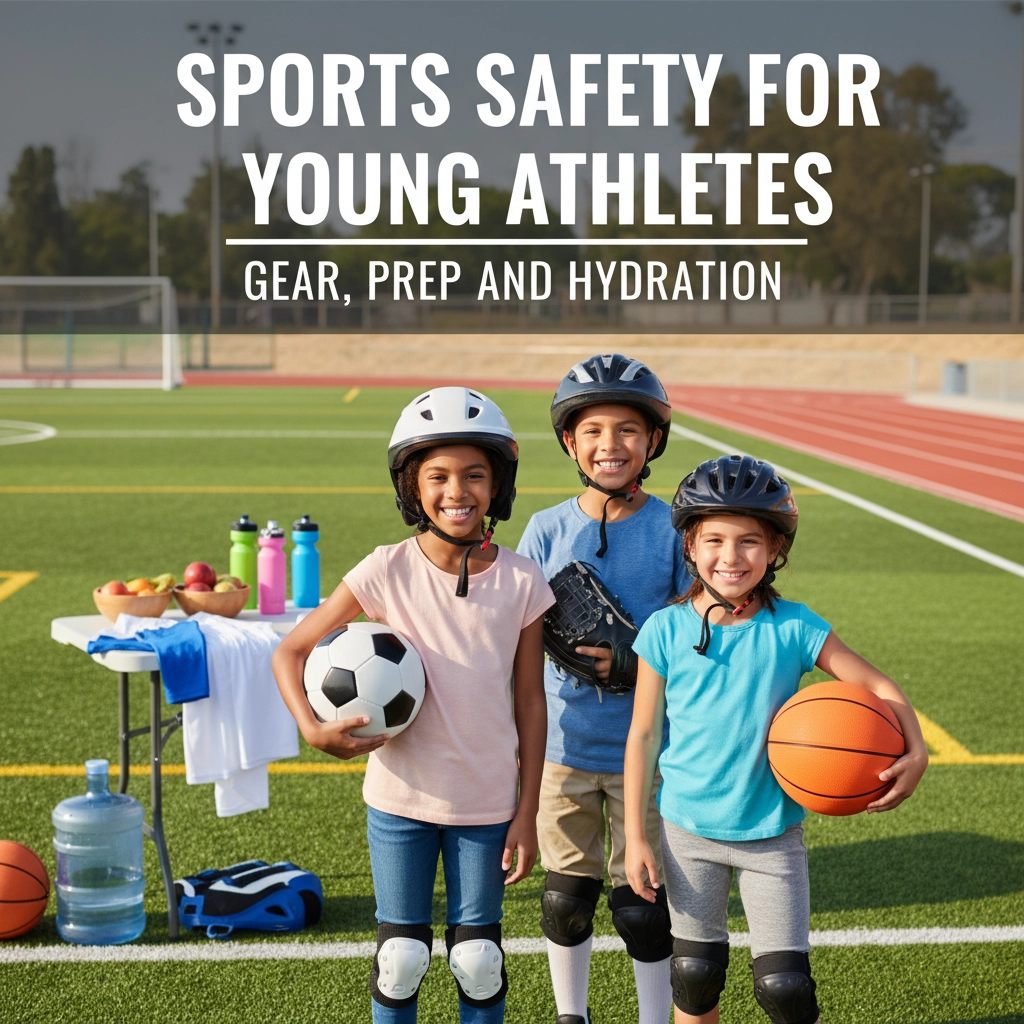
Getting your young athlete ready for sports season? That's awesome! Whether they're gearing up for soccer, basketball, baseball, or any other sport, keeping them safe while they have fun is what really matters. Let's dive into the three big pillars of sports safety: the right gear, proper preparation, and staying hydrated.
The Right Gear Makes All the Difference
Think of protective gear as your young athlete's superhero costume – it's designed to keep them safe while they're out there doing amazing things. But just like a superhero's suit, it only works if it fits right and is made for the job.
Getting the Fit Right
Here's the thing about safety gear – if it doesn't fit properly, it's not going to do its job. A helmet that's too loose might slip during a play, and shin guards that are too small won't protect the areas they're supposed to cover. Take time to properly fit each piece of equipment. Your child should be comfortable moving around, but the gear shouldn't shift or slide.
Sport-Specific Protection
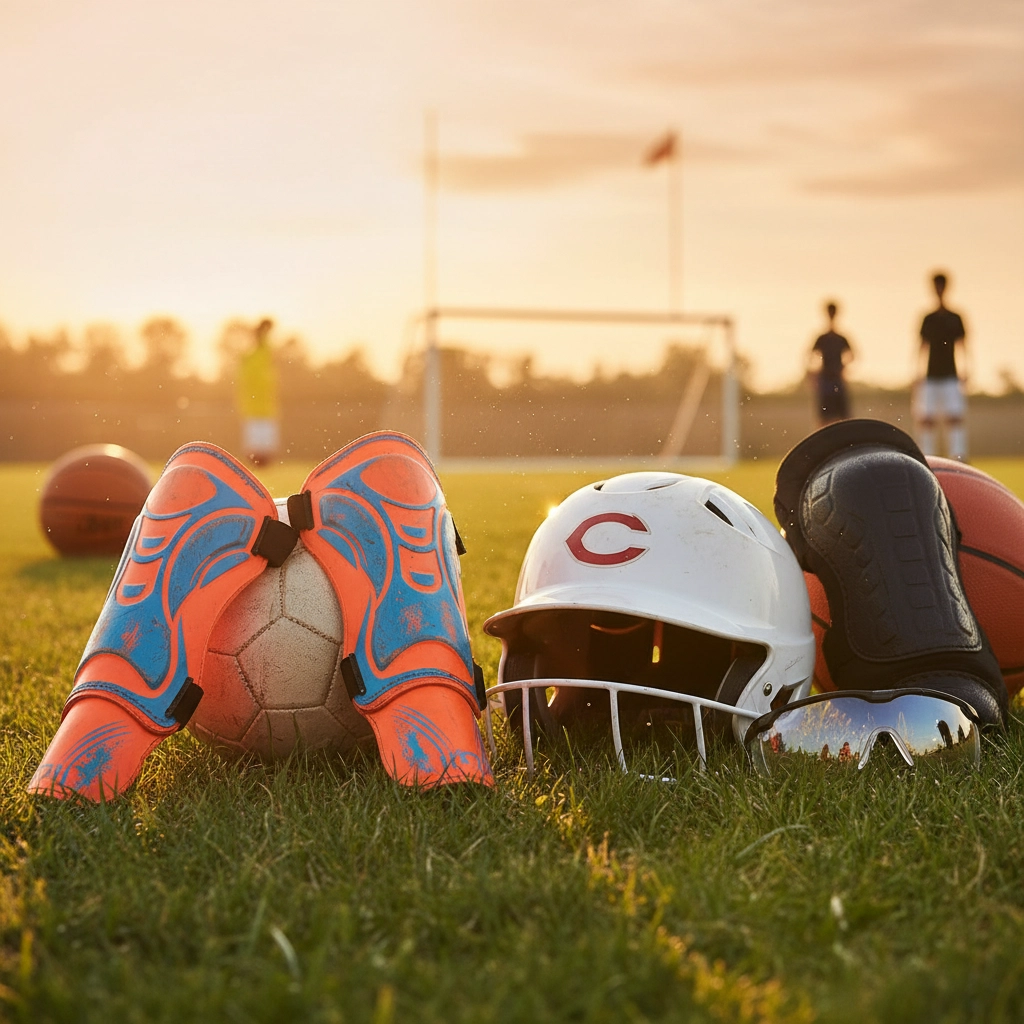
Every sport has its own set of safety requirements. Soccer players need shin guards and cleats with good traction. Basketball players might need knee pads and proper court shoes. Baseball players need helmets for batting and gloves for fielding. Don't try to make one piece of gear work for multiple sports – each piece is designed with specific movements and risks in mind.
Eye Protection Gets Special Attention
If your sport involves flying balls or close contact, proper eye protection is crucial. Look for eyewear made from polycarbonate or Trivex lenses that have been specifically tested for sports use. Regular glasses or sunglasses just won't cut it when a ball is coming at your face at high speed.
Keep It in Good Shape
Even the best gear won't help if it's damaged. Make checking equipment a regular habit. Look for cracks in helmets, worn padding, loose straps, or anything else that seems off. Replace gear when it's damaged or outgrown – this isn't the time to "make do" with equipment that's not up to the task.
Preparation: Building Strong, Ready Bodies
Getting ready for sports isn't just about showing up on game day. The best athletes – even the young ones – prepare their bodies and minds for the activities ahead.
The Sports Physical: Your Starting Point
Before your child steps onto any field or court, they need a sports physical. This isn't just checking boxes – it's making sure everything looks good from both an athletic and medical perspective. The doctor will check height, weight, vital signs, and do a thorough examination of joints, bones, and muscles. It's like getting a green light that says, "Yes, your body is ready for this adventure!"
Building Strength and Endurance
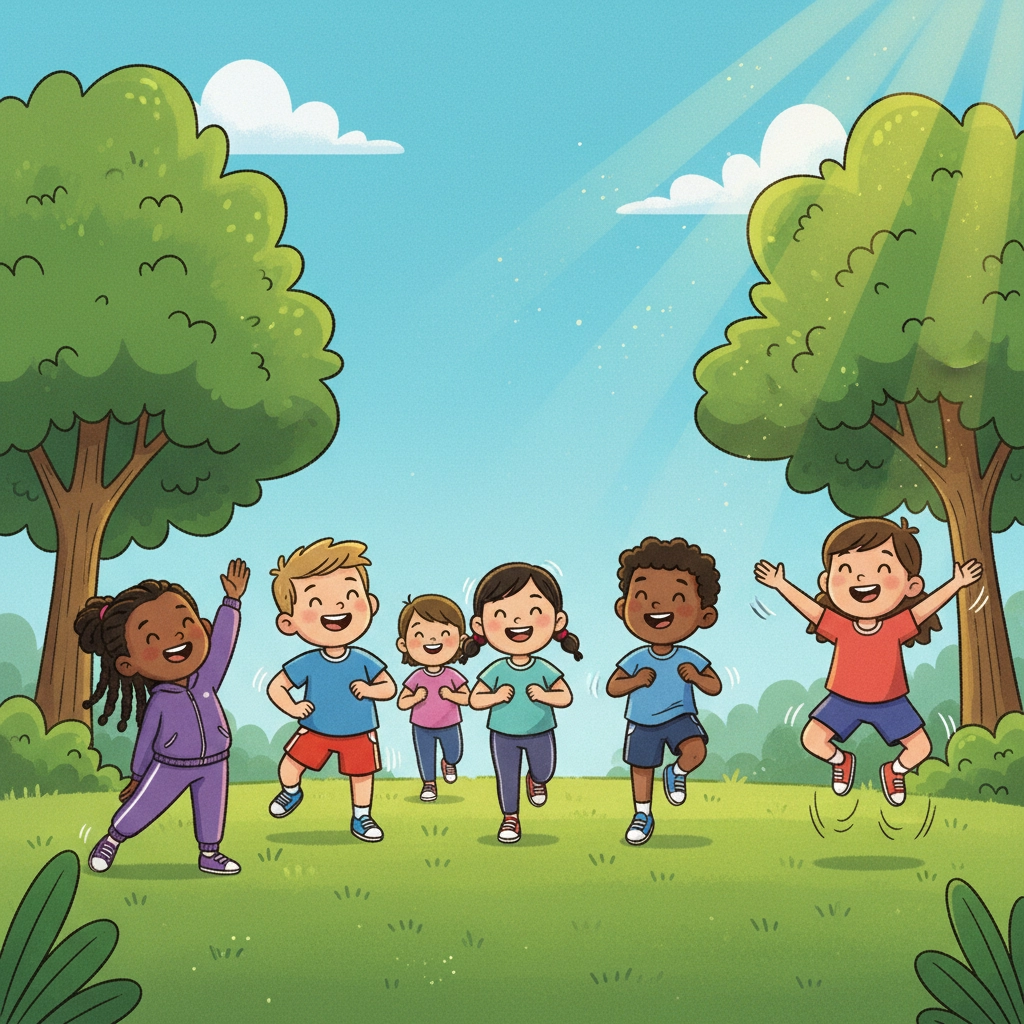
You don't need fancy equipment or expensive gym memberships to get young athletes ready. Simple activities like running, playing tag, jumping, and basic strength exercises can build the foundation they need. The goal is to prepare their muscles, joints, and cardiovascular system for the demands of their chosen sport.
Warm-Up and Cool-Down: The Bookends of Safe Exercise
Every practice and game should start with a proper warm-up. This means light jogging and gentle stretching to get muscles warm and flexible. Think of it like warming up a car engine – you want everything running smoothly before you hit the gas.
After activity, cooling down is just as important. This helps muscles recover and prevents stiffness. A good cool-down includes walking and more stretching to gradually bring the body back to its resting state.
Learning the Rules and Techniques
Safety isn't just about equipment – it's about knowing how to play safely. This means understanding proper techniques like safe tackling in football, heading the ball correctly in soccer, or sliding safely into bases in baseball. Most sports injuries happen during practice, so taking safety rules seriously during every session matters.
Hydration: Fuel for Performance and Safety
Staying properly hydrated might seem simple, but it's one of the most important things young athletes can do for their safety and performance. Dehydration doesn't just make you feel bad – it can actually be dangerous.
The Hydration Schedule
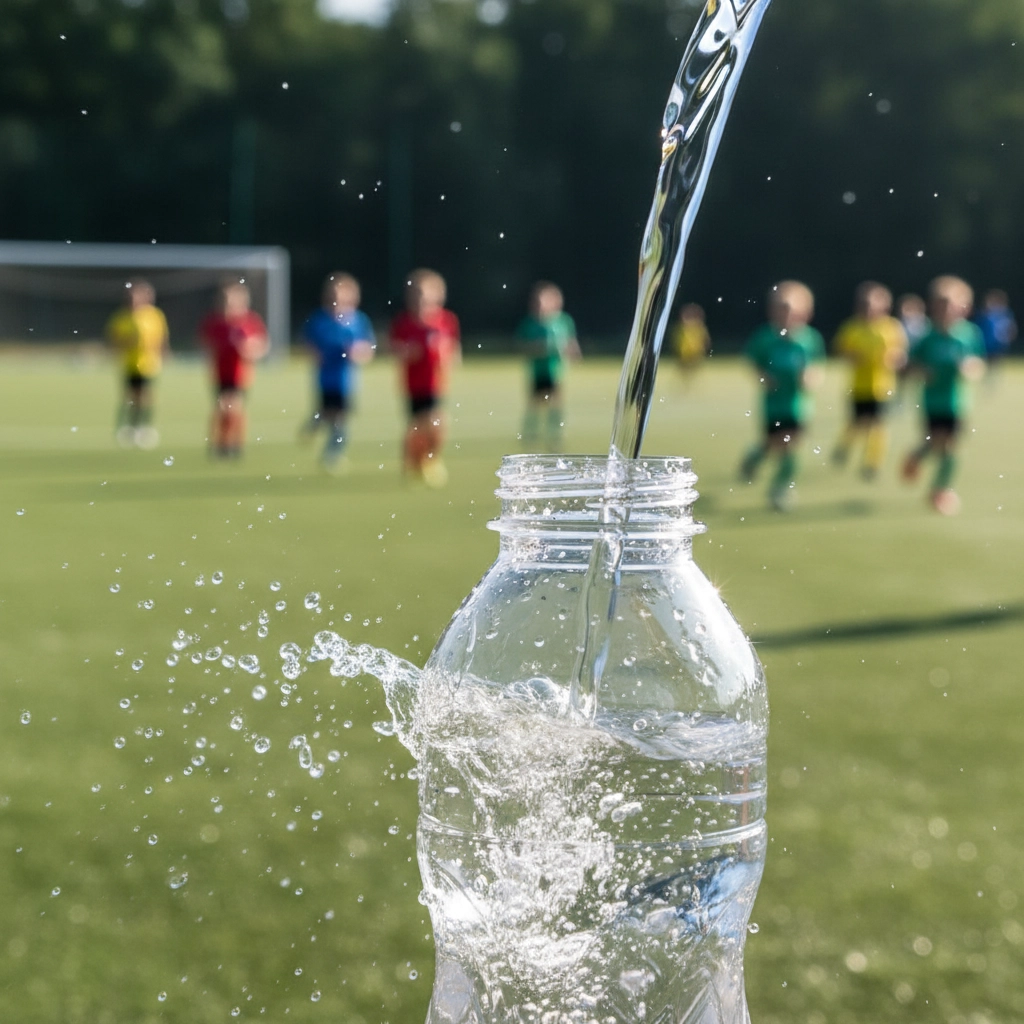
Here's a simple rule to follow: drink about one cup of water every 15 to 20 minutes during activity. But hydration isn't just about what happens during the game or practice. Your young athlete should be drinking fluids before, during, and after physical activity.
Water vs. Sports Drinks
For most young athletes, water is the perfect choice. It's simple, effective, and does exactly what the body needs. Sports drinks can be helpful during longer activities or in very hot weather, but they're not necessary for most youth sports activities. When in doubt, stick with water.
Reading the Signs
Teach your young athlete to pay attention to their body's signals. Thirst is an obvious one, but by the time you feel thirsty, you're already starting to get dehydrated. Other signs include feeling tired, getting a headache, or not needing to use the bathroom for long periods.
Hot Weather Special Considerations
When it's hot and humid, hydration becomes even more critical. Practices and games should be modified or even stopped when conditions become dangerous. This isn't being overprotective – it's being smart about preventing heat-related illnesses.
Creating a Safe Environment
Safety isn't just about what the athlete brings to the game – it's also about the environment they're playing in.
Field and Equipment Checks
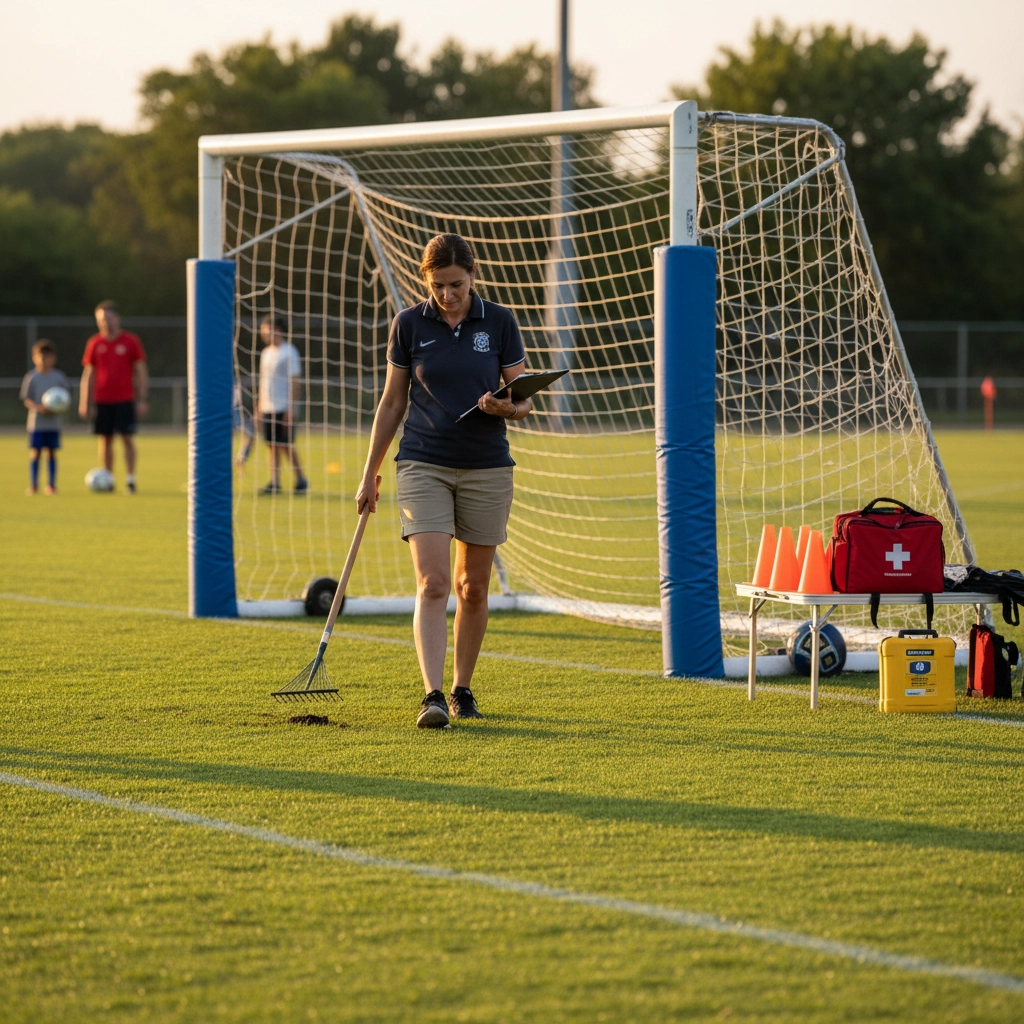
Before every practice or game, someone should walk around the playing area looking for hazards. This means checking for holes, rocks, uneven surfaces, or anything else that could cause injury. Indoor facilities need checks too – look for water on floors, loose equipment, or inadequate padding on walls and posts.
Age and Skill Matching
One of the best ways to prevent injuries is making sure young athletes are matched with others of similar size, skill level, and physical development. A big difference in these areas increases injury risk significantly.
Special Considerations for Growing Athletes
Young athletes have unique needs because their bodies are still developing. This means some extra considerations that adult athletes don't need to worry about.
Avoiding Overuse Injuries
Kids who specialize in one sport and play it year-round are more likely to develop overuse injuries. These happen when the same muscles, joints, and tendons are used repeatedly without adequate rest. Encourage variety in sports and make sure there are true rest periods during the year.
Nutrition for Young Athletes
A balanced diet is crucial for young athletes. They need foods from all the major groups: grains, vegetables, fruits, dairy, and proteins. The good news is that most young athletes will naturally eat the amount their body needs if they have access to healthy options.
Growth and Development Factors
Remember that children develop at different rates. What's appropriate for one 12-year-old might not be right for another 12-year-old. Physical readiness, emotional maturity, and skill development don't always align with chronological age.
Putting It All Together
Sports safety for young athletes isn't about taking the fun out of sports – it's about making sure the fun can continue safely. When kids have the right gear, are properly prepared, and stay hydrated, they're free to focus on what they love most: playing their sport and getting better at it.
Remember, most sports injuries are preventable. By taking these safety measures seriously, you're not just protecting your young athlete today – you're helping them develop habits that will serve them well throughout their athletic career and beyond.
The goal isn't to eliminate all risk – that's impossible and wouldn't be fun anyway. The goal is to manage risk intelligently so that young athletes can push themselves, improve their skills, and enjoy the incredible experience of being part of a team while staying as safe as possible.


Comments
Post a Comment