Keeping Kids Safe on Public Transport
Keeping Kids Safe on Public Transport
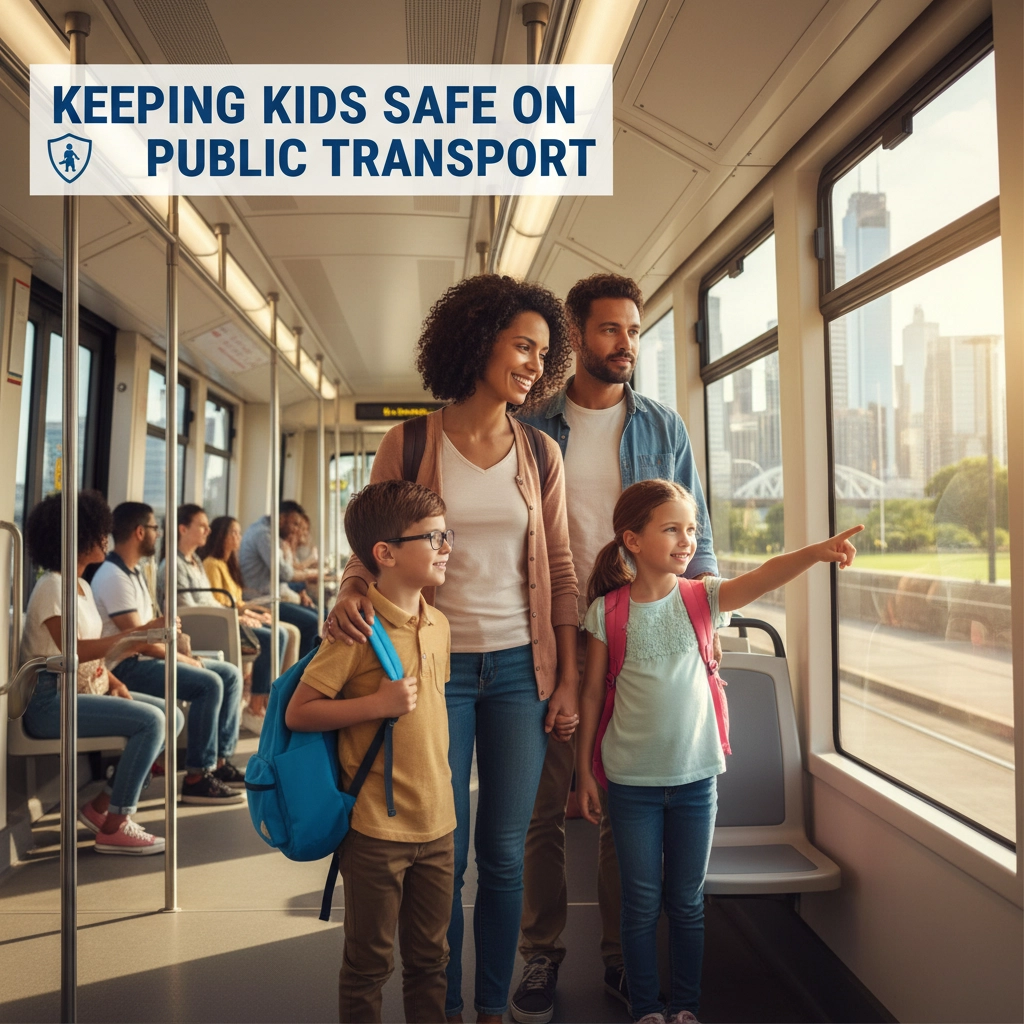
Public transportation can feel like a big adventure for kids – and sometimes a nerve-wracking experience for parents! Whether you're riding the city bus, hopping on a subway, or taking a school bus, keeping our little ones safe while navigating public transport doesn't have to be stressful. With the right preparation and some simple safety rules, families can travel confidently together.
Let's face it: public transport can be overwhelming. There are crowds of people, loud noises, moving vehicles, and unfamiliar spaces. But here's the good news – most of these challenges can be tackled with some planning ahead and teaching our kids the basics of staying safe.
Getting Ready: The Power of Planning
Before you even step out the door, smart planning makes all the difference. Think of it like preparing for a fun family outing – the more you know about where you're going, the smoother everything goes.
Start by mapping out your route together with your kids. Show them the bus stops, train stations, or subway maps. Make it interactive! Have them help you find the route numbers and identify key landmarks along the way. This isn't just about getting from Point A to Point B – it's about helping kids feel confident and prepared.

Consider doing a practice run during off-peak hours when things are less crowded and stressful. Walk through the stations, show them where to wait, and explain how the system works. Kids learn best by doing, so this hands-on approach builds their confidence for when they're traveling for real.
Always plan to arrive early. Rushing to catch transport creates unnecessary stress and can lead to unsafe situations. Give yourself plenty of time to get to your stop, find a safe waiting area, and board calmly.
The Golden Rules of Public Transport Safety
Once you're ready to travel, there are some non-negotiable safety rules that every family should follow. These aren't meant to scare kids – think of them as the "rules of the game" that keep everyone safe and happy.
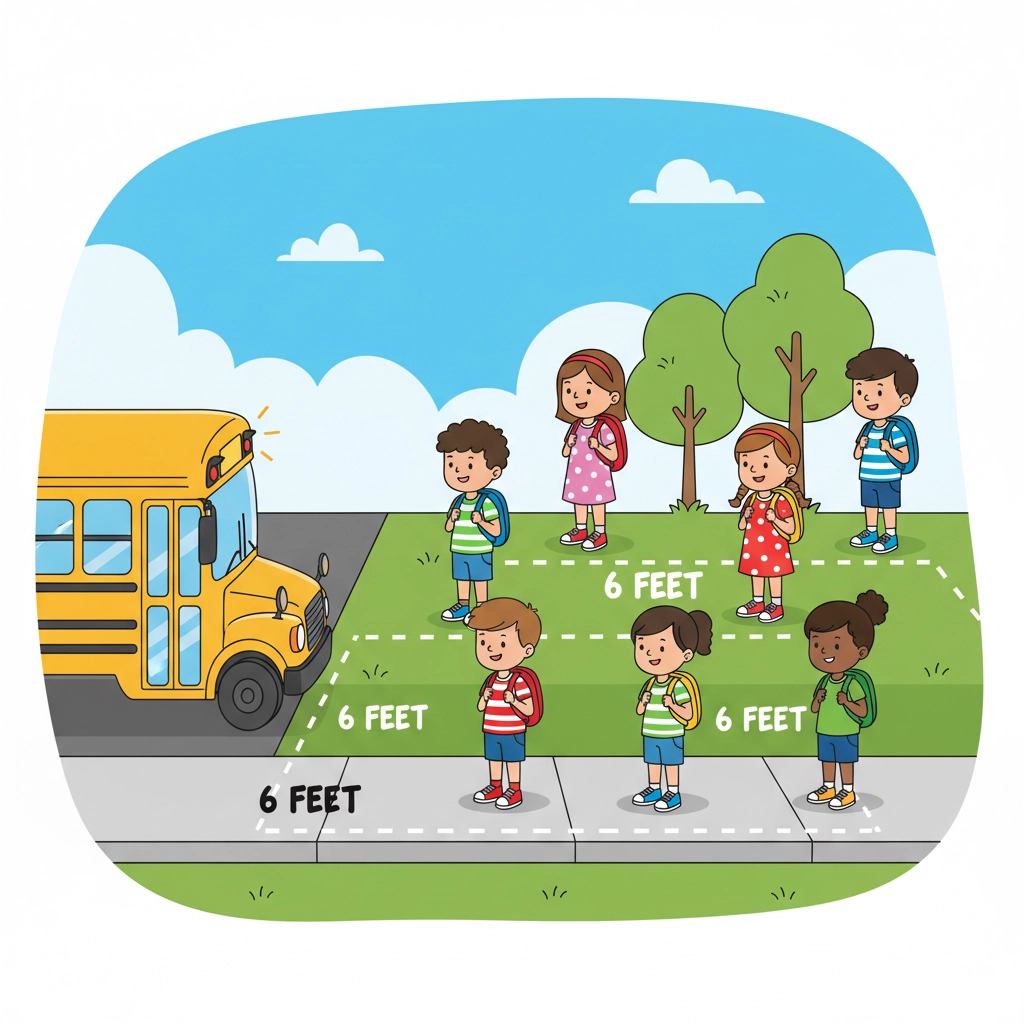
The 6-Foot Rule: Kids should always stand at least 6 feet away from the curb or platform edge while waiting. A good way to remember this? Take three big steps back from where the bus or train will stop. This gives plenty of space for the vehicle to arrive safely and prevents any accidental slips or falls.
Hands and Heads Stay Inside: This one's a classic, but it's worth repeating. Windows might be tempting to stick hands or heads out of, but it's never safe. Keep everything inside the vehicle at all times.
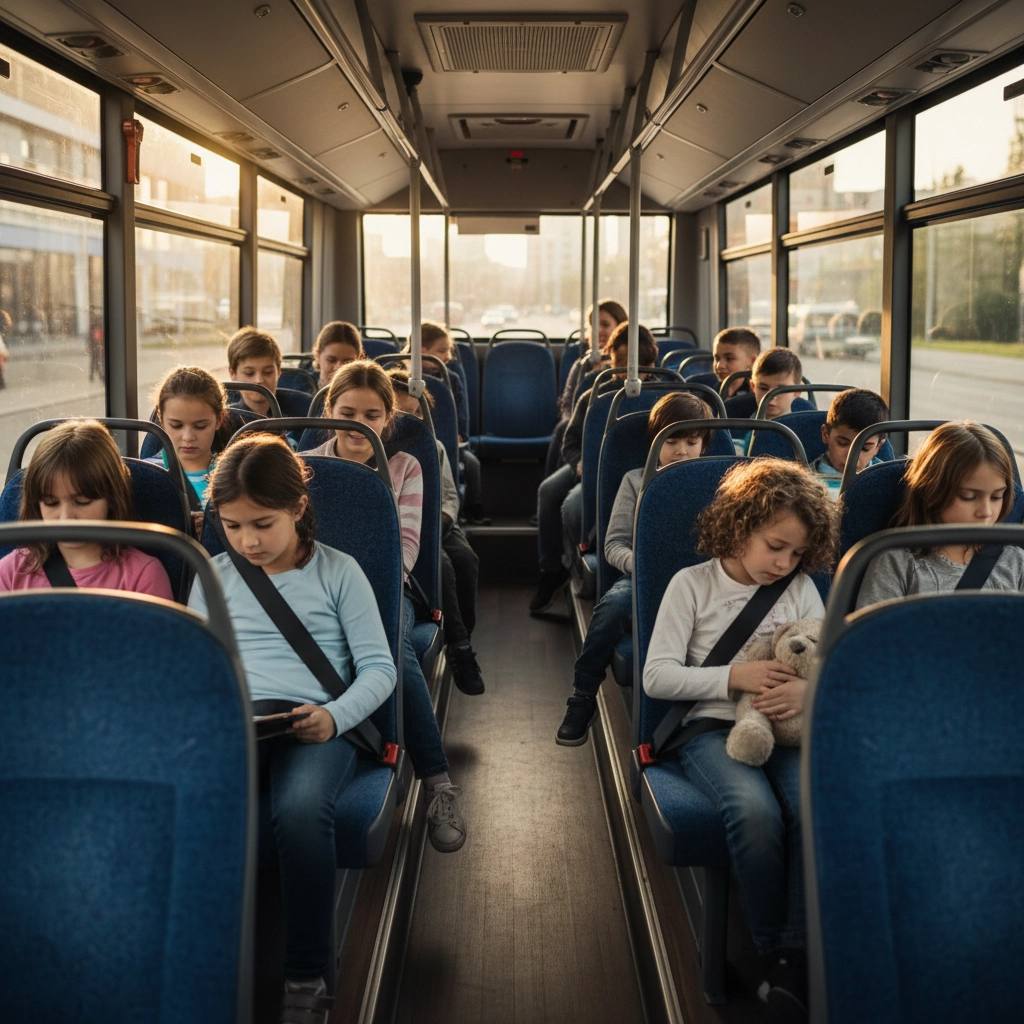
Seat Belt First: The moment kids get on any vehicle with seat belts, buckling up should be their first move. No exceptions, no delays.
Stay Seated and Quiet: This helps the driver focus on the road and hear important traffic sounds. Plus, moving around on a moving vehicle is a recipe for bumps and bruises.
Teaching Safety by Age
Different ages need different approaches to public transport safety. What works for a 6-year-old won't necessarily click with a teenager, so let's break it down.
Elementary School Kids (Ages 5-10)
For the younger crowd, keep safety lessons simple and concrete. Focus on the basics: who to ask for help, how to identify transit employees (look for uniforms or bright vests), and the importance of staying close to trusted adults.
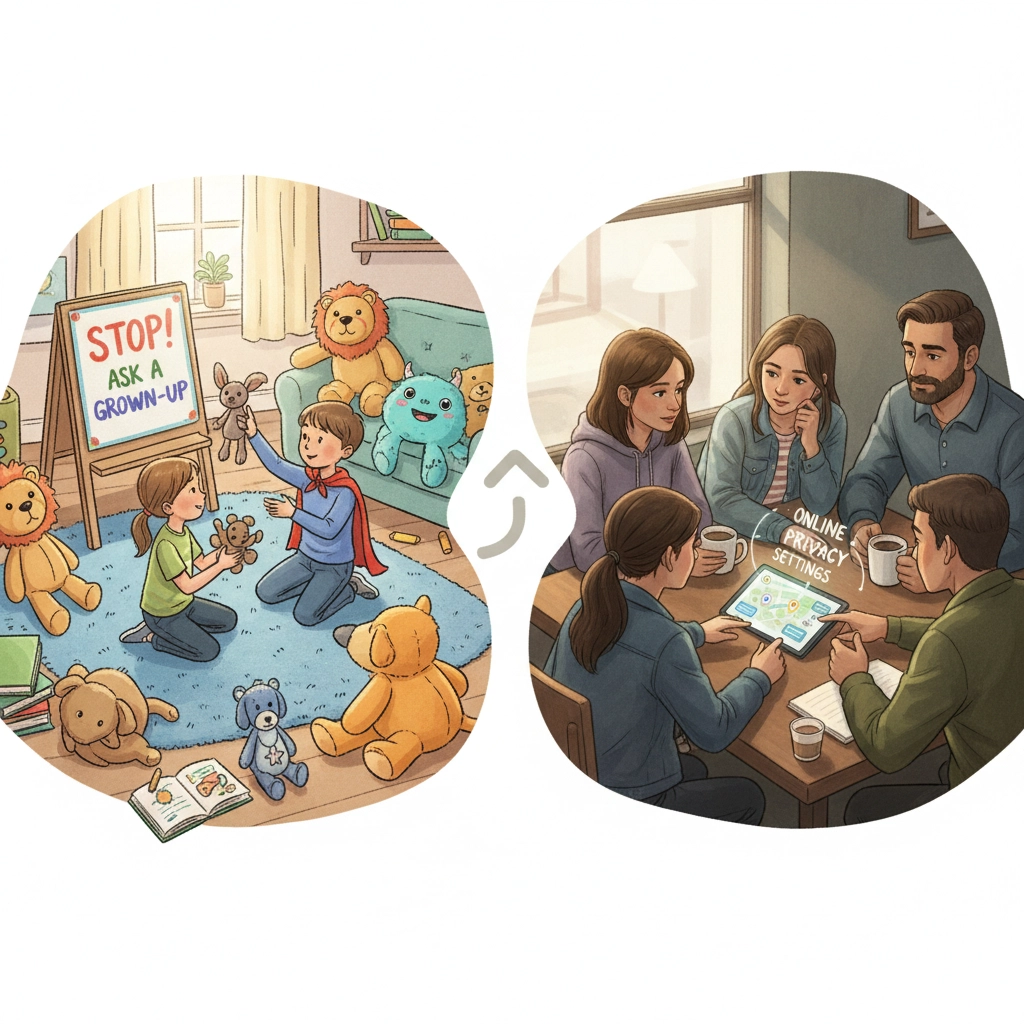
Role-playing is your friend here! Act out scenarios at home. Practice what to do if they get separated from you, how to ask for help, and what information they need to know (like their full name, parent's phone number, and home address).
Make it fun by turning safety rules into games or songs. Kids remember things better when they're engaged and entertained.
Middle School Kids (Ages 11-14)
This age group can handle more detailed conversations about safety. They're developing independence but still need clear guidelines. Talk about recognizing unsafe situations, trusting their instincts, and knowing when to move away from uncomfortable situations.
Teach them to be aware of their surroundings without being paranoid. Show them how to identify exit routes, locate emergency buttons or phones, and recognize transit authority personnel.
High School Kids (Ages 15-18)
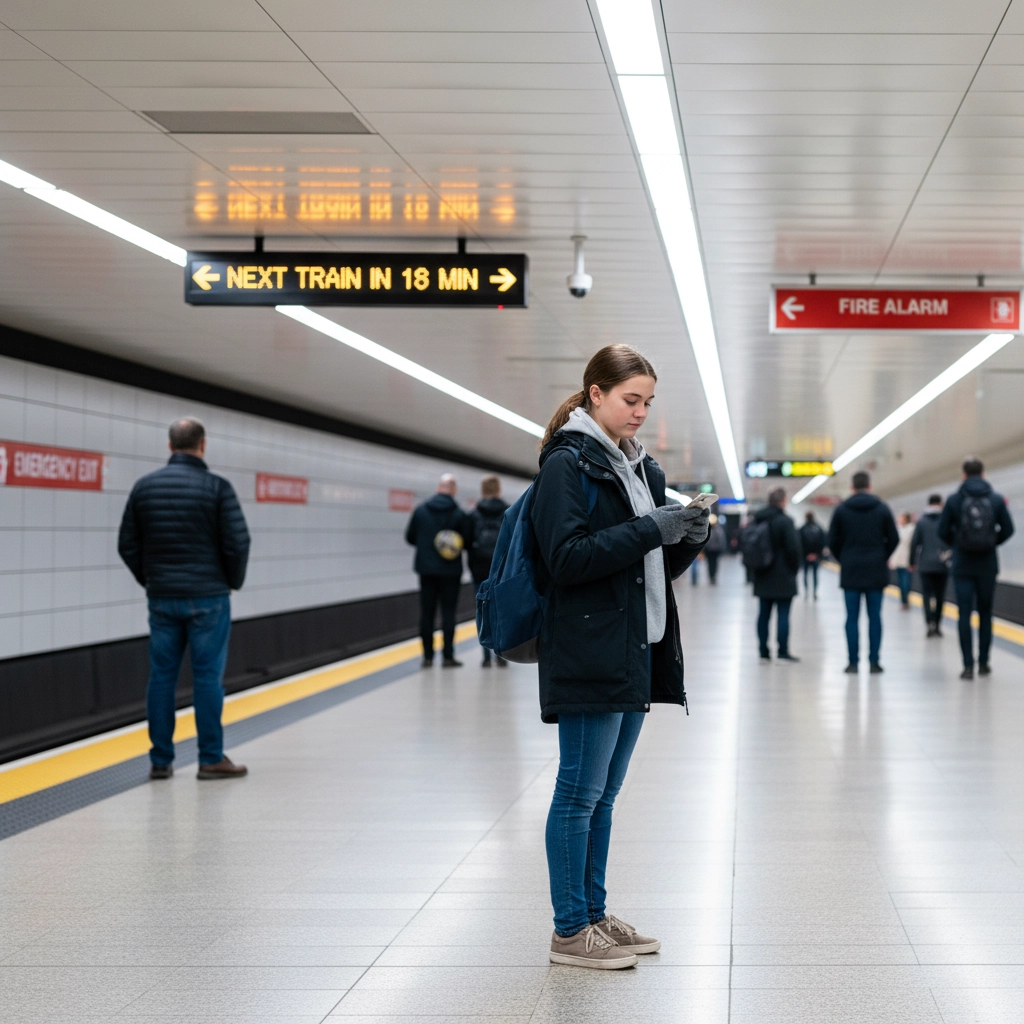
Teenagers can engage in more mature discussions about personal safety. They need to understand topics like harassment, how to report incidents, and the importance of staying alert (especially when wearing headphones or using phones).
Help them develop confidence in navigating systems independently while knowing they can always call for help or advice.
Emergency Preparedness: Hope for the Best, Prepare for the Rest
Nobody wants to think about emergencies, but being prepared gives everyone peace of mind. The key is teaching kids what to do without making them anxious about traveling.
Contact Information: Kids should always carry emergency contact information in writing. Phones can die or get lost, but a piece of paper in their backpack will always be there. Include parent phone numbers, home address, and any medical information that might be important.
Know Your Location: Teach kids to pay attention to where they are. They should know the names of stops, station numbers, or platform letters. This information becomes crucial if they need to tell someone where they are during an emergency.
Trust the Gut: Kids have good instincts. If something feels wrong, it probably is. Teach them it's always okay to get off at the next safe stop, move to a different part of the vehicle, or ask for help.
Emergency Contacts: Beyond parents, kids should know how to contact transit authorities and understand that 911 is always available for serious emergencies.
Practical Day-to-Day Tips
Here are some practical strategies that work well for everyday public transport use:
Pack Smart: Keep a small first-aid kit in backpacks for minor scrapes. Include band-aids, antiseptic wipes, and any necessary medications.
Buddy System: When possible, travel in groups. There's safety in numbers, and kids can look out for each other.
Stay Connected: Establish check-in times for older kids traveling alone. A simple text when they board and when they arrive helps parents stay informed without being helicopter parents.
Weather Considerations: Discuss how weather affects transport safety. Rain can make platforms slippery, snow can delay services, and extreme heat can make waiting uncomfortable.
Building Confidence Through Practice
The goal isn't to make kids fearful of public transport – it's to make them smart, confident travelers. Regular practice builds comfort and competence.
Start with short, familiar routes and gradually work up to longer or more complex journeys. Celebrate successes! When kids successfully navigate a trip, acknowledge their accomplishment.
Encourage questions and keep communication open. If something confusing or scary happens during travel, talk about it afterward. These discussions help kids process experiences and learn from them.
Making It a Positive Experience
Public transport can actually be pretty cool when approached with the right attitude. Kids can learn about their community, practice social skills, and develop independence – all while getting where they need to go.
Point out interesting things during your travels. Maybe there's cool architecture to observe, different neighborhoods to explore, or friendly people to meet. Help kids see public transport as an adventure rather than a chore.
The Bottom Line
Keeping kids safe on public transport comes down to preparation, education, and practice. It's not about avoiding public transportation – it's about approaching it smart and prepared.
Remember that most public transport experiences are completely safe and uneventful. By teaching our kids the right skills and attitudes, we're not just keeping them safe today – we're giving them tools they'll use for their entire lives.
Every family's situation is different, and what works for one might not work for another. Trust your instincts, adapt these suggestions to fit your needs, and don't be afraid to start small and build up confidence over time.
With good preparation and the right safety knowledge, public transport can be a normal, comfortable part of family life. Here's to safe travels and confident kids!


Comments
Post a Comment