Sun Safety for Families: Fun Ways to Protect Without the Fuss
Sun Safety for Families: Fun Ways to Protect Without the Fuss
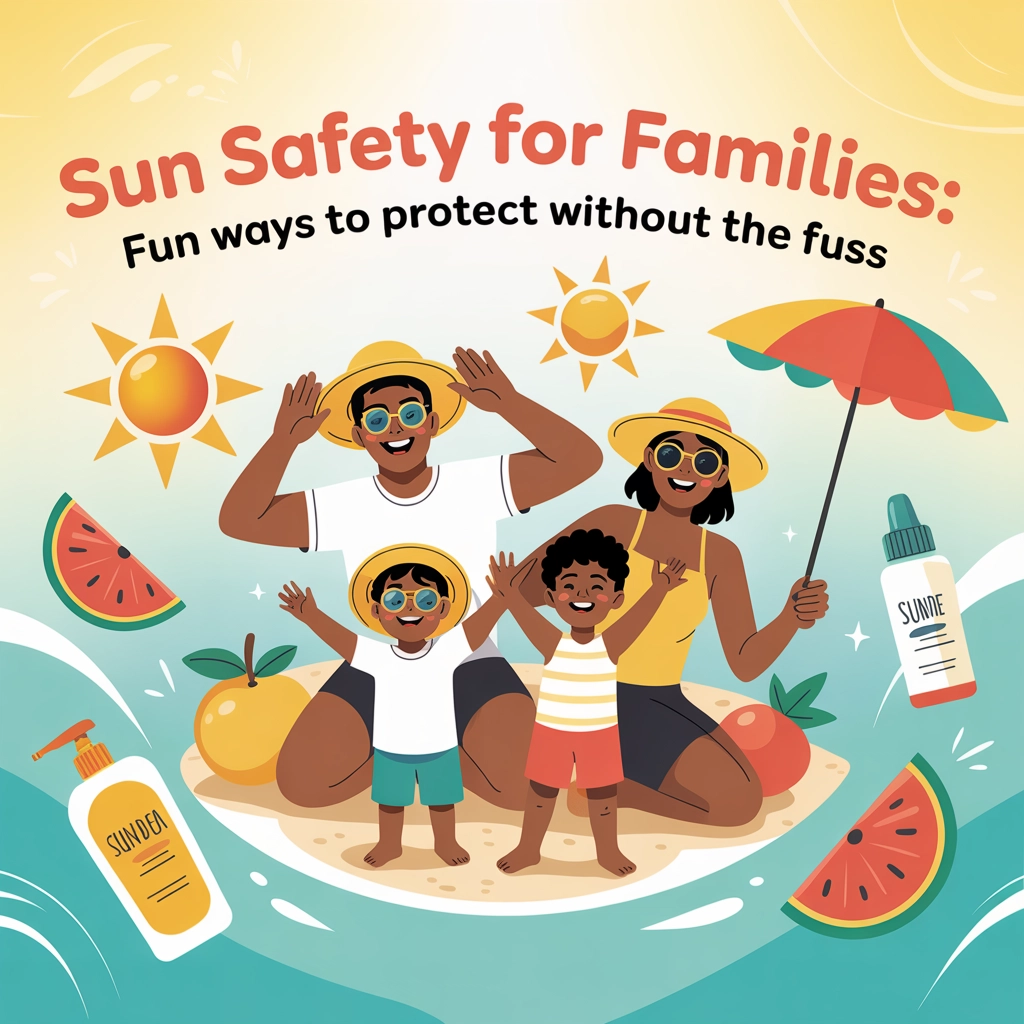
Let's be real: getting kids excited about sun protection can feel like trying to convince them that vegetables taste like ice cream. The tears, the negotiations, the inevitable sunscreen streaks across your car seats. But what if I told you that sun safety doesn't have to be a daily battle? With the right approach, protecting your family from harmful UV rays can actually become something everyone looks forward to.
The Sunscreen Game-Changer Strategy
The secret to stress-free sunscreen application isn't finding the perfect product (though that helps): it's changing the entire experience. Instead of treating sunscreen like medicine that must be endured, turn it into a fun part of your outdoor ritual.
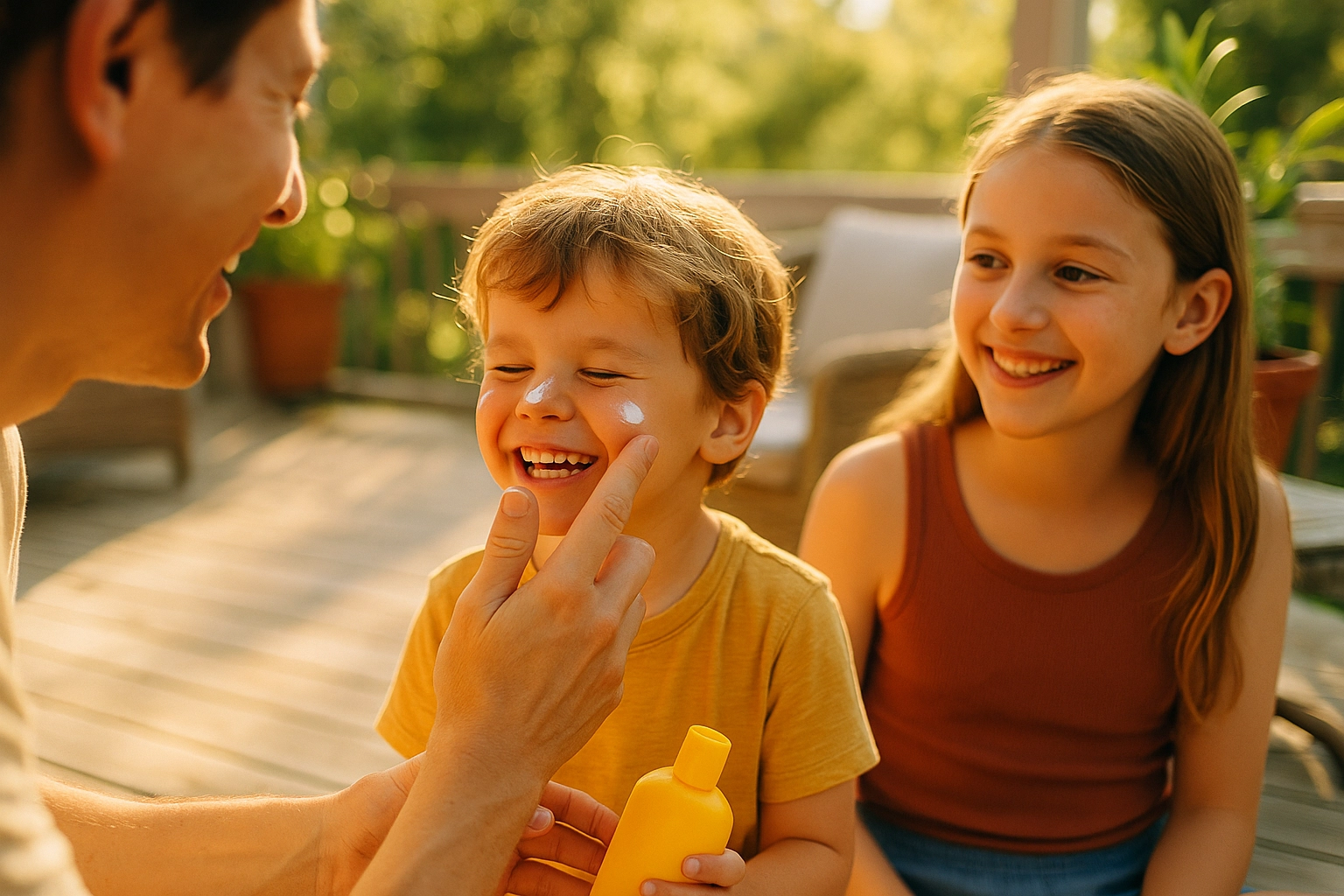
Start by giving kids control over the process. Let them choose between different sunscreen scents or decide whether they want the "polka dot method" (you apply dots all over) or the "racing stripes" approach (lines across their arms and legs). When children feel like they have a say in what's happening to their bodies, resistance drops dramatically.
The Entertainment Factor
Create positive distractions during application time. Let kids play their favorite song, tell a story, or watch a short video while you apply sunscreen. Some families make it a dance party: you apply sunscreen to the beat of the music. Others turn it into counting games or alphabet recitation. The key is shifting focus away from any perceived discomfort and onto something enjoyable.
For older kids, teach them to apply their own sunscreen and make it a race against time. "Can you get your arms and legs covered before this song ends?" Suddenly, they're focused on beating the clock instead of complaining about the sticky feeling.
Clothing That Kids Actually Want to Wear
Forget those bulky, scratchy "sun shirts" that make kids feel like they're wearing armor. Today's sun-protective clothing is lightweight, comfortable, and actually stylish. The trick is involving kids in choosing their sun-safe wardrobe.
Look for tightly woven fabrics in fun colors and patterns. A simple test: hold the fabric up to a bright light. If you can see light shining through easily, it won't provide much protection. The tighter the weave, the better the UV protection.
Hat Strategies That Work
Hats become infinitely more appealing when kids get to pick them out themselves. Take them shopping and let them choose between different styles: as long as the hat has a 3-inch brim all around to protect their face, ears, and neck. Baseball caps might look cool, but they leave ears and necks exposed.
Pro tip: Buy two identical hats when you find one your child loves. Kids lose hats like it's their job, and having a backup prevents meltdowns when the favorite disappears at the playground.
Age-Smart Protection Plans
Babies (Under 6 Months)
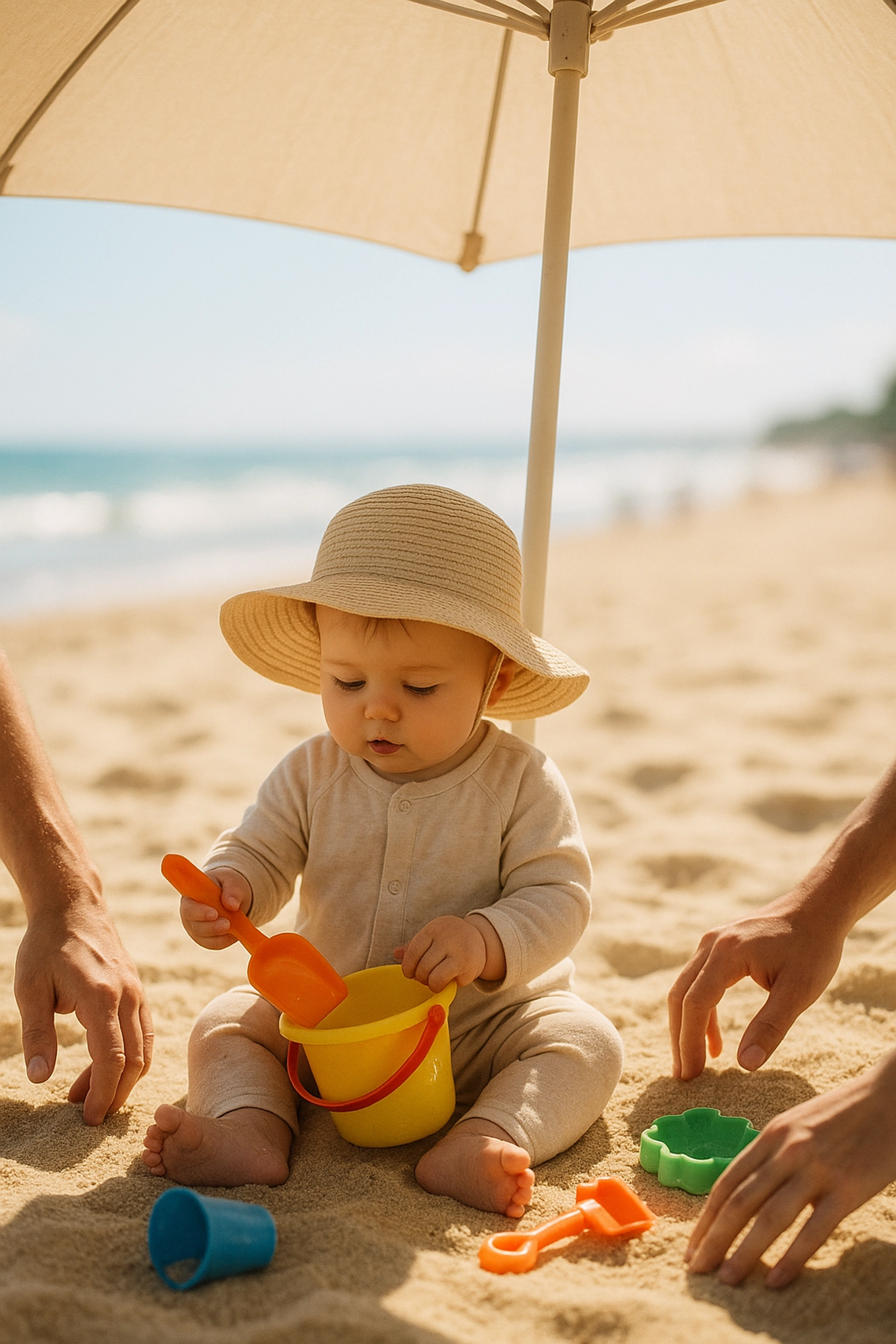
For the littlest family members, your best defense is complete sun avoidance rather than sunscreen. Their skin is incredibly sensitive and can't handle chemical sun protection yet. Instead, become a shade strategist: use stroller canopies, umbrellas, pop-up tents, or simply hang out under trees.
When shade isn't available, dress babies in lightweight, long-sleeved outfits that cover their arms and legs completely. Add a wide-brimmed hat and baby sunglasses if they'll keep them on. Think of clothing as your baby's personal portable shade.
Toddlers and Beyond (6+ Months)
Once kids hit six months, you can introduce sunscreen alongside all your other protection methods. Use broad-spectrum sunscreen with at least SPF 30, but don't let that number fool you into thinking higher is always better. SPF 30 blocks about 97% of UV rays, while SPF 50 blocks 98%: the difference isn't as dramatic as the numbers suggest.
Apply sunscreen generously to all exposed skin, paying special attention to commonly missed spots: tops of ears, backs of hands, feet (including between toes), and the back of the neck. The general rule is about one ounce (a shot glass full) for an average-sized adult's entire body.
Timing Is Everything
Here's where smart planning makes sun safety effortless: avoid the sun's peak intensity hours between 10 AM and 4 PM when possible. This doesn't mean hiding indoors all day: it means being strategic about when you need maximum protection versus when you can be more relaxed.
Plan beach trips for early morning or late afternoon. Schedule playground visits before 10 AM or after 4 PM during summer months. If you must be outside during peak hours, double down on all your protection methods and seek shade whenever possible.
The Shadow Rule
Teach kids the shadow rule: if their shadow is shorter than they are, the sun's rays are at their strongest and they need maximum protection. If their shadow is longer than their height, UV levels are lower (but protection is still important).
Making It a Family Affair
The most powerful tool in your sun safety arsenal is setting a good example. Kids are natural mimics: if they see you consistently applying sunscreen, wearing hats, and seeking shade, they'll internalize these behaviors as normal parts of outdoor fun.
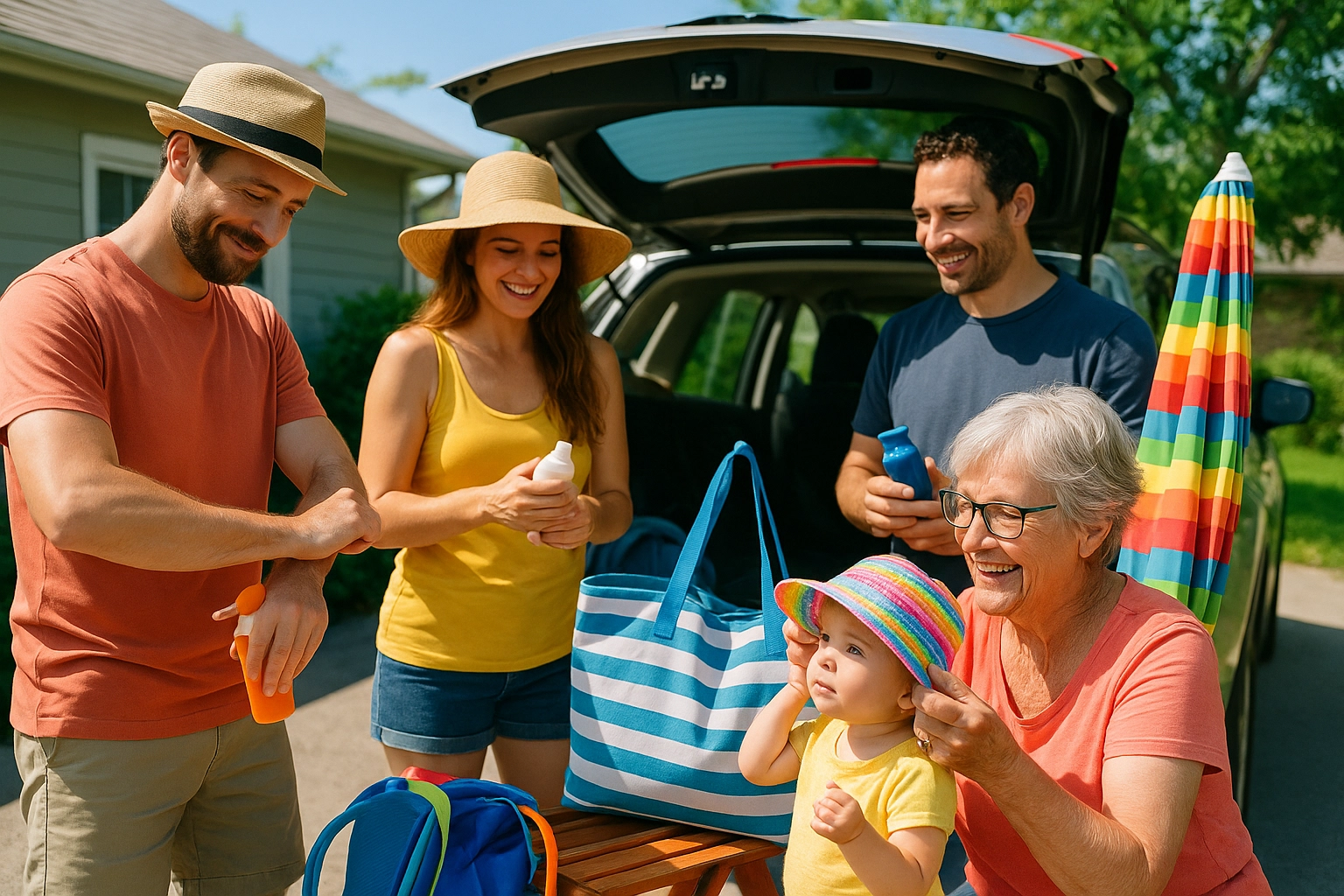
Create family sun safety rituals. Before heading out for any outdoor activity, everyone gathers to apply sunscreen together. Make it social time where you chat about your plans for the day. This positive association helps kids see sun protection as part of the excitement of going outside, not an obstacle to overcome.
The Reapplication Reality
Let's address the elephant in the room: reapplying sunscreen every two hours sounds great in theory but can be challenging in practice. Make it easier by setting phone alarms and involving kids in tracking the time. Some families use waterproof watches or fun timers to make reapplication feel like a game.
Keep travel-sized sunscreens in beach bags, cars, and backpacks so you're never caught without protection. Consider sunscreen sticks for quick touch-ups: they're less messy and easier for kids to apply themselves.
Beyond the Basics
Remember that car windows, while blocking UVB rays, still allow UVA rays through. Keep sunscreen and protective clothing handy during car trips, especially for long journeys or when kids will be sleeping in the car.
Water and sand reflect UV rays, intensifying exposure even when kids think they're protected by being in the water. Pool time and beach days require extra vigilance and more frequent reapplication.
The Expiration Factor
Check sunscreen expiration dates regularly. Sunscreen without an expiration date has a maximum shelf life of three years, which decreases significantly if stored in hot places like car trunks or beach bags. When in doubt, throw it out and buy fresh.
Building Lifelong Habits
The goal isn't just protecting your kids today: it's teaching them to protect themselves throughout their lives. When sun safety becomes as automatic as buckling a seatbelt, you've succeeded in creating lasting healthy habits.
Make sun protection about enabling fun, not limiting it. Frame conversations around sunscreen and protective clothing as tools that let you stay outside longer and enjoy activities more comfortably, rather than restrictions that limit adventure.
With patience, creativity, and consistency, sun safety transforms from a daily struggle into a seamless part of family life. Your future selves: and your kids' future selves: will thank you for making protection feel like care rather than control.


Comments
Post a Comment