What to Do If Your Child Gets Lost
What to Do If Your Child Gets Lost
Every parent's heart skips a beat at the thought of their child going missing. Whether it's a toddler who wandered off at the grocery store or an older child who didn't come home when expected, those first few moments can feel absolutely terrifying. But here's the thing – knowing exactly what to do ahead of time can make all the difference.
As someone who's dedicated my life to family safety education, I want to walk you through the essential steps every parent should know. This isn't about scaring anyone – it's about being prepared and empowered.
The First 10 Minutes Are Critical
When you realize your child is missing, your natural instinct might be to search everywhere before calling for help. I get it – you don't want to overreact. But here's what safety experts know: the first few minutes are absolutely crucial.
Immediately call 911 or your local law enforcement. Don't wait "just a few more minutes" to see if they show up. Time is your most valuable resource right now.
Right after calling police, contact the National Center for Missing & Exploited Children at 1-800-THE-LOST (1-800-843-5678). These folks are the experts, and they're standing by 24/7 to help families just like yours.

When Your Child Goes Missing at Home
If your little one has vanished from your house, start searching immediately while you're waiting for help to arrive. Kids are incredibly creative when it comes to hiding spots, and they often fall asleep in the most unexpected places.
Check these common hiding spots:
- Under beds and behind furniture
- In closets, especially behind hanging clothes
- Laundry piles (kids love to burrow in warm, soft things)
- Large appliances like dryers (make sure they're not trapped)
- Vehicles in your driveway or garage, including trunks
- Basements, attics, and storage areas
- Outside areas like playhouses, under porches, or in gardens
Call your child's name loudly and clearly. Sometimes they're just stuck somewhere and can't get out on their own, or they might be sleeping so deeply they haven't heard you calling.
Lost in Public Places
Public spaces like malls, amusement parks, or busy stores present different challenges. The moment you realize your child isn't where they should be, alert store management or security immediately. Most retailers have something called a "Code Adam" plan specifically designed for missing children situations.
Here's what typically happens: they'll lock down the facility, post staff at all exits, and begin a systematic search. This might seem dramatic, but it's exactly what you want – a coordinated response that prioritizes your child's safety.
Don't feel embarrassed about making a "scene." Other parents understand, and most people will jump in to help when they know a child is missing.

What Information to Give Police
When officers arrive, they'll need specific details about your child. Having this information ready can save precious time:
- Full name and date of birth
- Height, weight, and hair/eye color
- What they were wearing (be as detailed as possible)
- Any distinctive features like glasses, braces, birthmarks, or scars
- Exactly when and where you last saw them
- Their typical behavior patterns and favorite hiding spots
Ask the officers to immediately enter your child's information into the FBI's National Crime Information Center Missing Person File. This database ensures that any law enforcement agency who encounters your child can quickly identify them and get them back to you.
How NCMEC Supports Families
The National Center for Missing & Exploited Children isn't just a hotline – they become your partners in bringing your child home. When you call, a trained specialist will gather detailed information and assign a case management team to work with both you and the investigating officers.
They'll create and distribute missing child posters, analyze tips that come in through their hotline, coordinate with federal agencies, and even connect you with other families who've been through similar experiences. Sometimes talking to another parent who understands exactly what you're going through can provide comfort when you need it most.

Teaching Kids What to Do
Prevention is always our best strategy, and that means having age-appropriate conversations with our kids about what to do if they get separated from us.
For younger children (ages 3-7):
- Teach them their full name, your name, and your phone number
- Practice identifying "safe people" – police officers, store employees with name tags, moms with children
- Use the "stay where you are" rule – if they can't find you, they should stay in one place
- Teach them it's okay to yell loudly for help if they're scared
For older children (ages 8-12):
- Make sure they know how to use a phone to call 911
- Establish clear check-in times when they're with friends
- Create code words for family emergencies
- Discuss online safety and the importance of never meeting strangers from the internet
For teenagers:
- Talk about situational awareness and trusting their instincts
- Establish regular communication schedules
- Discuss the risks of sharing location information on social media
- Create a family communication plan for emergencies
Creating Your Family Safety Plan
Every family should have a written safety plan that everyone knows by heart. This isn't about being paranoid – it's about being prepared.
Your plan should include:
- Important phone numbers memorized by all family members
- Meeting places if you get separated (both at home and when you're out)
- A list of trusted adults children can call for help
- Current photos of all family members
- Copies of important documents stored safely
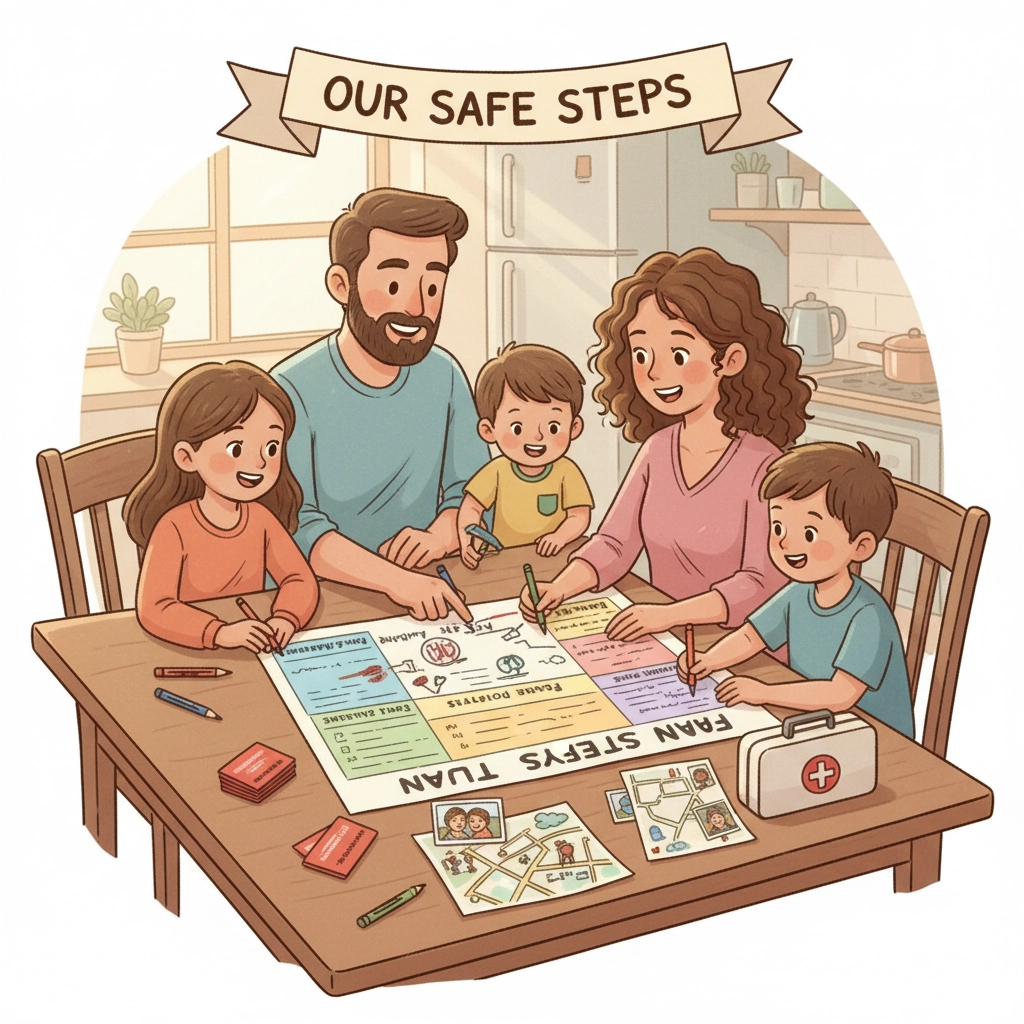
Practice your safety plan regularly, just like you would a fire drill. Make it a game for younger kids – they'll learn better when they're having fun, and it reduces anxiety around safety topics.
Technology Can Help
Today's technology offers some great tools for family safety. GPS watches designed for kids can help you stay connected, and family location-sharing apps can provide peace of mind. But remember – technology should supplement, not replace, good safety education and communication.
The Emotional Side
Let's be real for a moment – even thinking about your child going missing is emotionally overwhelming. If it ever happens to your family, remember that it's completely normal to feel scared, angry, guilty, or confused. You're not alone, and these feelings don't make you a bad parent.
The National Center for Missing & Exploited Children provides counseling resources specifically for families dealing with missing children. Don't hesitate to use these services – taking care of your emotional health helps you stay strong for your child.
Building Confidence, Not Fear
The goal of all this preparation isn't to make our kids afraid of the world – it's to give them confidence and tools to stay safe. When children know what to do in scary situations, they're actually less likely to panic and more likely to make good decisions.
Regular family conversations about safety, age-appropriate practice of safety skills, and creating a supportive environment where kids feel comfortable asking questions or sharing concerns all contribute to raising confident, safety-aware children.

Remember, the vast majority of missing children cases have happy endings, especially when families know how to respond quickly and effectively. By preparing now, you're giving your family the best possible foundation for staying safe together.
Stay connected, stay prepared, and remember – you've got this.


Comments
Post a Comment