Simple Ways to Childproof Your Home Without Breaking the Bank
Simple Ways to Childproof Your Home Without Breaking the Bank
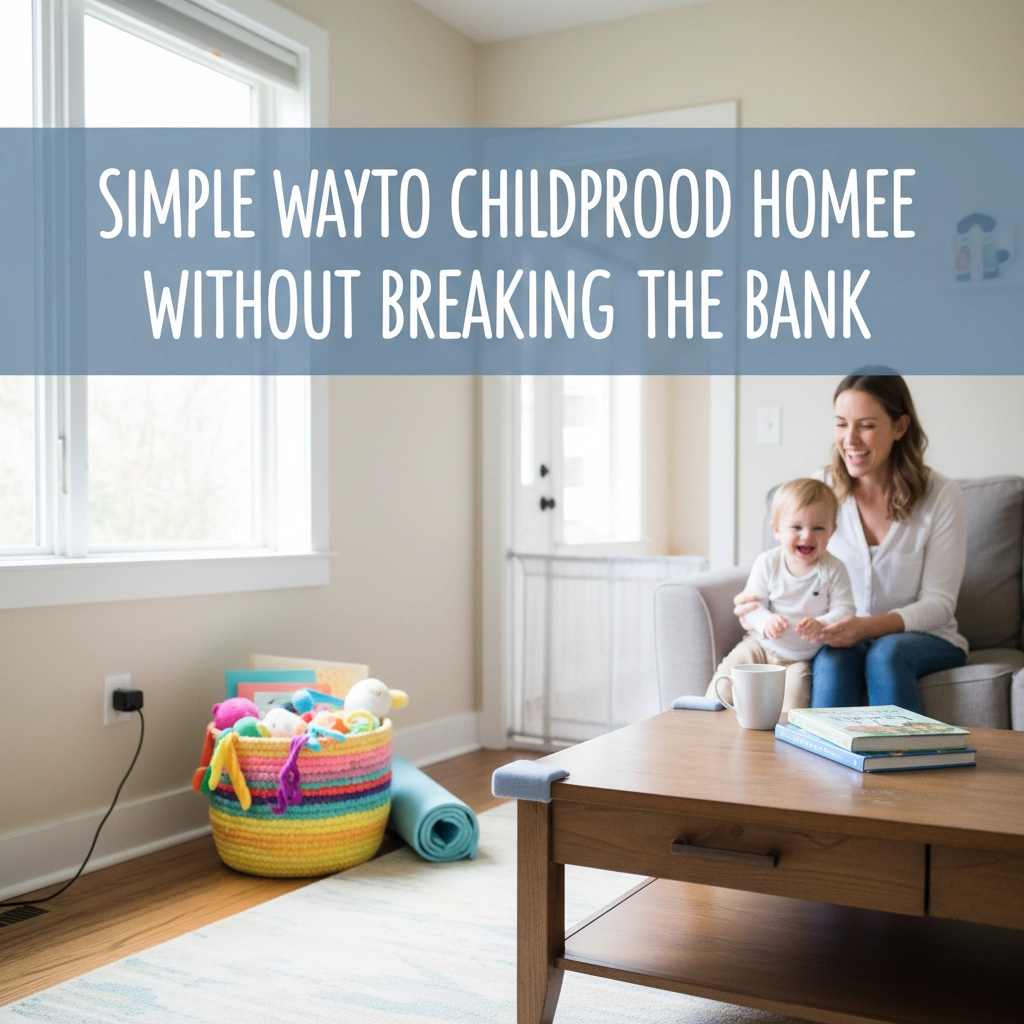
Hey there, parents! Let's be real – watching your little explorer discover the world is amazing, but it can also make your heart skip a beat (in the not-so-fun way). One minute they're sweetly playing with blocks, and the next they're eyeing that electrical outlet like it's the most fascinating thing ever invented.
The good news? You don't need to spend a fortune to make your home safer for your curious kiddo. I'm talking about simple, budget-friendly tricks that use stuff you probably already have lying around. No fancy gadgets, no breaking the bank – just smart solutions that actually work.
Start with the Sneaky Stuff: Electrical Safety
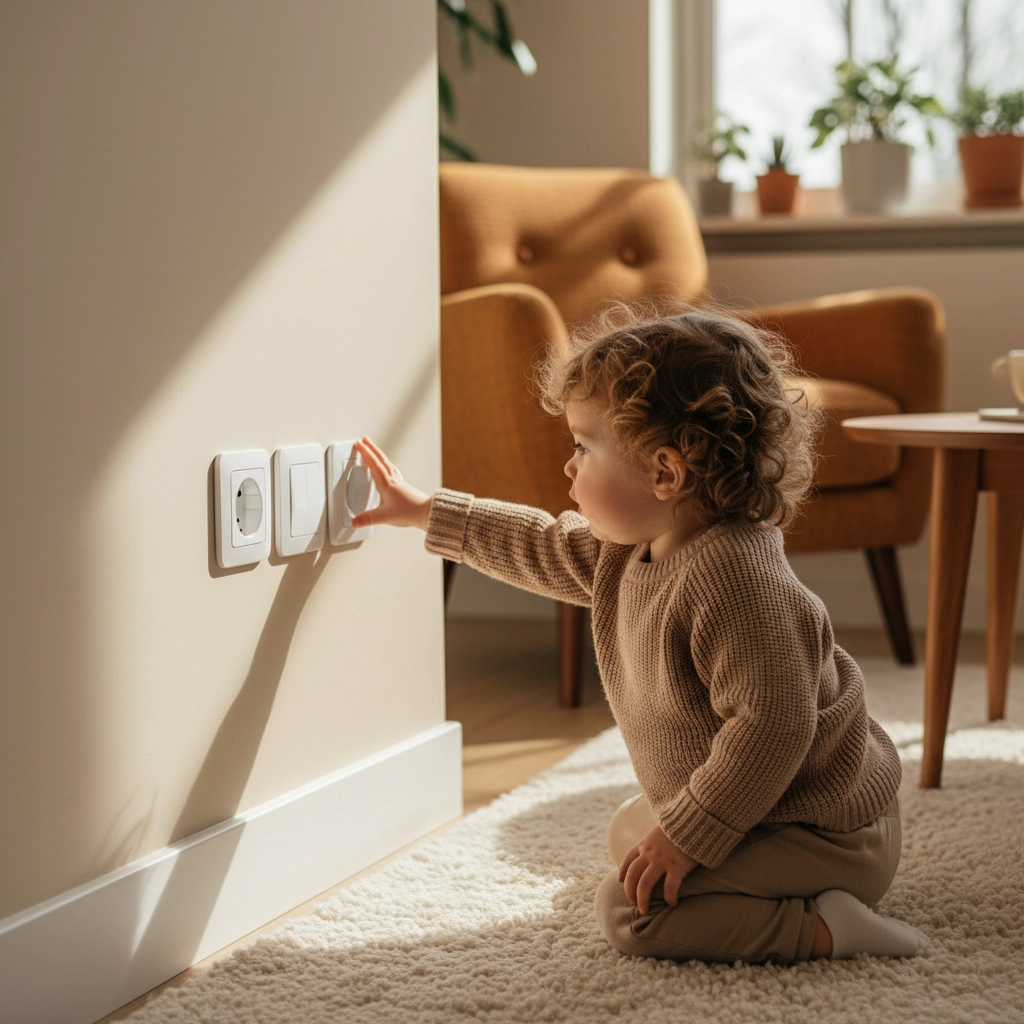
Let's tackle the big scary first – those electrical outlets that seem to call out to tiny fingers like magnets.
The Classic Outlet Cover Game
Those little plastic outlet covers are your best friends and they cost practically nothing. Just pop them into any unused outlets and you're golden. Pro tip: buy the kind that are white or match your outlets so they blend in better. Your little one is less likely to notice them, and your home won't look like a safety product showroom.
For families who are tired of constantly replacing those little covers (because let's face it, they disappear faster than socks in the laundry), consider the sliding outlet covers. They automatically close when you unplug something, so there's no tiny plastic piece for curious hands to grab.
Power Strip Protection
Got power strips? Those need attention too. A simple power strip cover can be a game-changer. Look for adjustable ones that can fit different sizes – they're usually under $15 and can even be mounted to the wall for extra security.
Cabinet Capers: The Rubber Band Hack
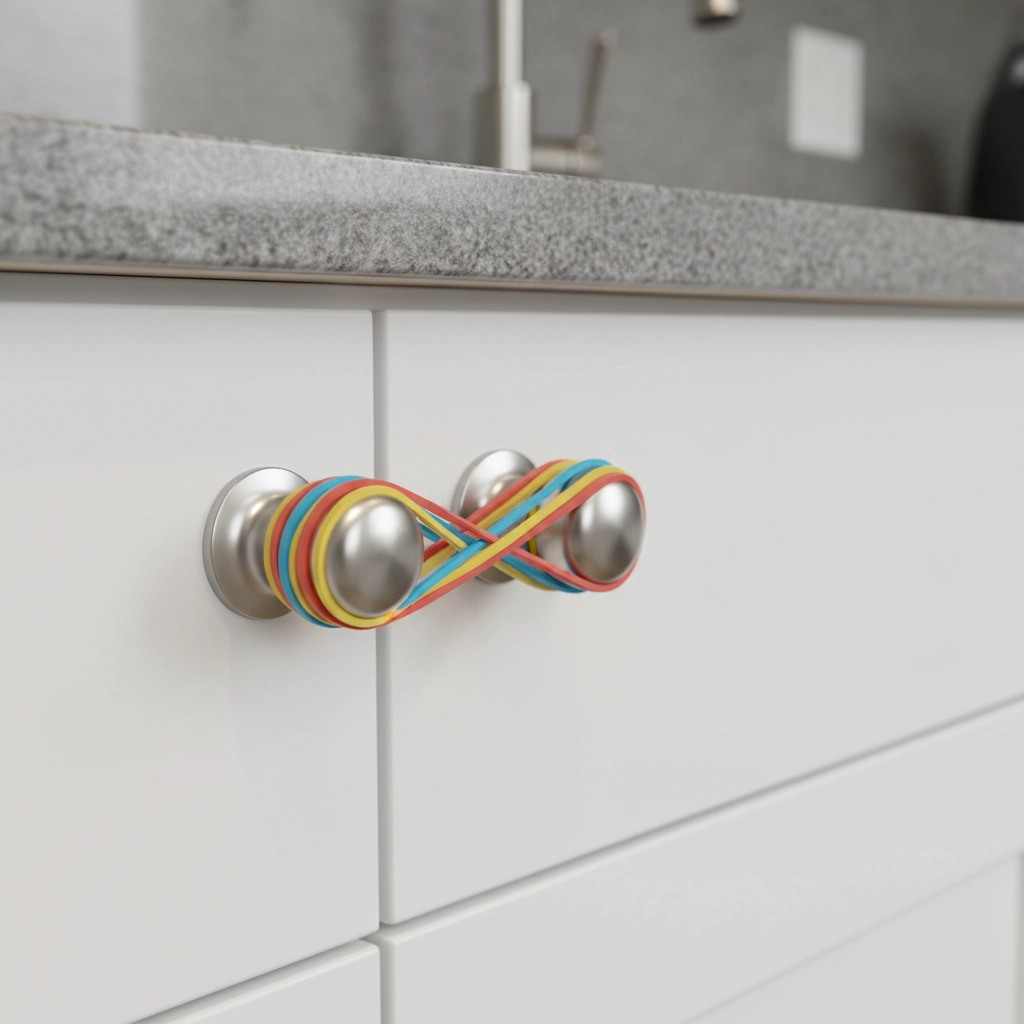
Here's where we get creative and save some serious cash. Instead of buying those expensive cabinet locks that break after a few months of determined toddler testing, raid your junk drawer for rubber bands.
The Magic of Rubber Bands
Stretch a tight rubber band (or hair tie, or rubber bracelet) over cabinet handles and knobs. Make it into a figure-eight pattern for extra security. This works especially well on side-by-side cabinet doors. Your determined little one will quickly lose interest when they can't figure out this "mysterious" contraption.
Smart Storage Strategy
Instead of trying to lock every single cabinet in your house (exhausting and expensive), try this genius move: gather all the dangerous stuff – cleaning supplies, bleach, stain remover, that bottle of rubbing alcohol you forgot you had – and consolidate everything into one cabinet. Then focus all your safety efforts on that single spot. Work smarter, not harder!
Furniture Protection: Pool Noodles to the Rescue
Sharp corners are like tiny furniture ninjas waiting to bump unsuspecting toddlers. But before you rush out to buy expensive corner guards, check if you have these household heroes.
Pool Noodles: Not Just for Swimming
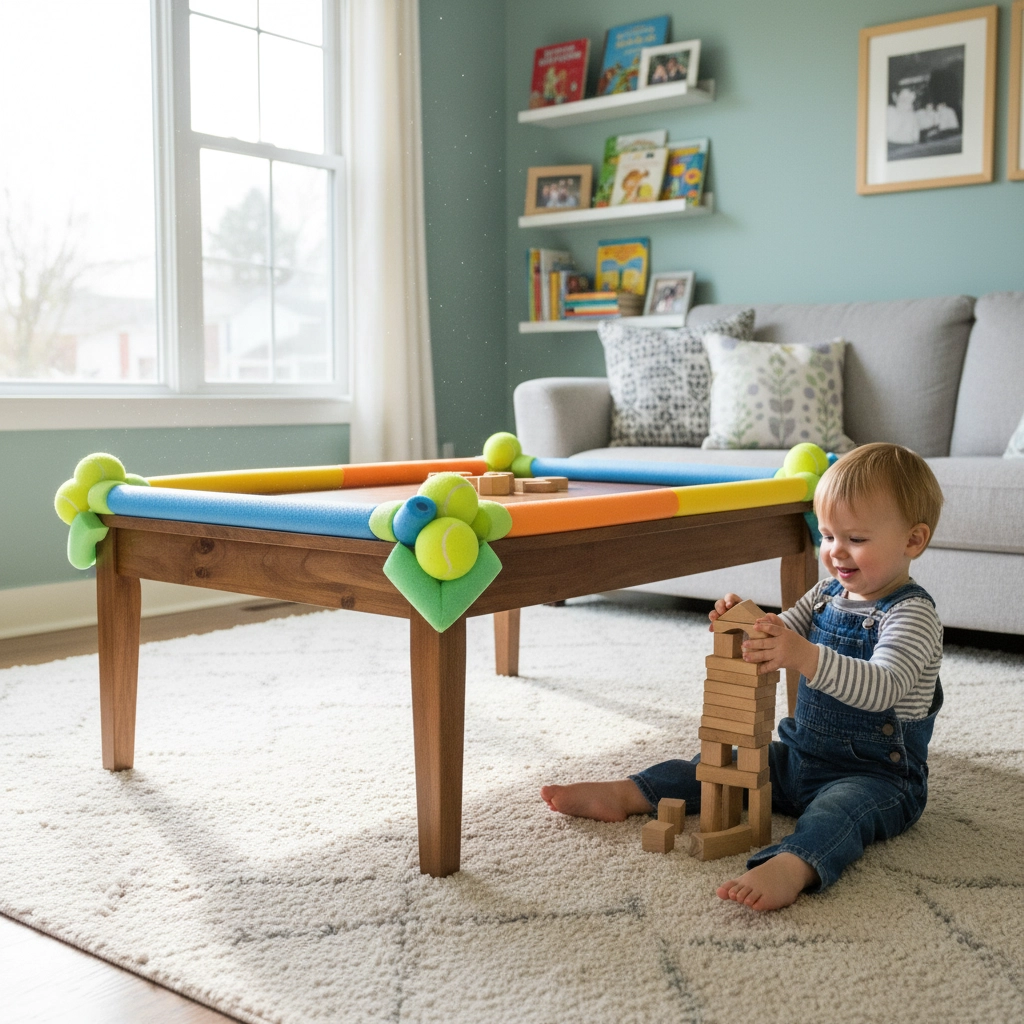
Those colorful pool noodles from last summer? They're about to become your home's best friend. Cut them open along one side and wrap them around sharp edges of tables, fireplace hearths, and door frames. Sure, your living room might look like a water park for a while, but hey – safety first, interior design second!
Tennis Ball Magic
Got old tennis balls? Slice them open and pop them onto coffee table corners and kitchen island edges. They're soft, bouncy, and actually kind of fun. Some kids even enjoy the silly look, which means less resistance from your little one.
The best part about both these solutions? They're temporary. The hardcore exploration phase doesn't last forever, so you won't be stuck with rainbow pool noodles on your furniture for years to come.
Stair Safety Without the Sticker Shock
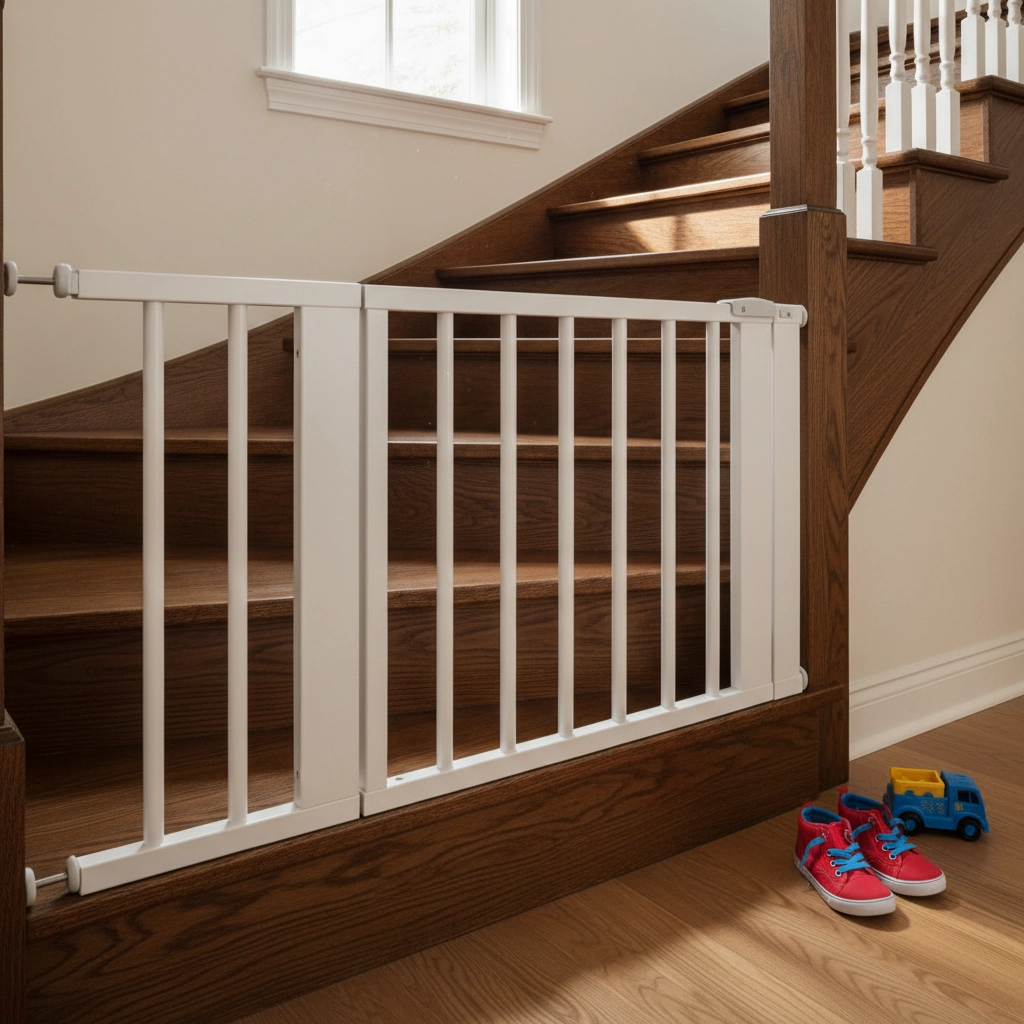
Stairs can be scary, but safety gates don't have to cost a fortune. You've got options depending on your home's setup and your DIY comfort level.
Gate Shopping Smart
Safety gates come in wood, plastic, and metal – and you don't always need the fanciest version. Look for basic models that meet safety standards. Sometimes the simplest designs are actually the most effective because there are fewer parts to break or malfunction.
Creative Alternatives
If your staircase has an unusual shape that doesn't fit standard gates, get creative. Some handy parents build simple wooden barriers, or even sew fabric gates that can be easily removed when not needed. Pinterest is full of DIY gate ideas that cost a fraction of store-bought versions.
For basement stairs, here's a clever trick: reverse the doorknob so you can lock it from the back side. This keeps even older kids from accessing potentially dangerous basement areas.
Smart Shopping Strategies That Save Money
When you're buying household products anyway, make choices that help with childproofing without extra cost.
Built-in Child Resistance
Look for products that already come with child-resistant packaging. Laundry pods, over-the-counter medications, and many cleaning products now come with innovative closures that are tough for little hands to open. This means fewer additional safety products you need to buy.
Multi-Purpose Items
Choose products that can pull double duty. A decorative basket can store toys and keep them organized while also serving as a soft bumper if placed strategically near sharp furniture edges.
The Free Stuff That Makes a Big Difference
Some of the most effective childproofing doesn't cost anything at all – just changes in habits.
Toy Management
Make it a routine to do quick "choking hazard sweeps" throughout the day. Small toys, coins, and random objects have a way of appearing everywhere when you have kids. A quick pickup session while your coffee brews can prevent scary moments later.
Water Safety Habits
Always drain bathtubs completely after use. It costs nothing and eliminates a major drowning hazard. Same goes for buckets, large bowls, and even pet water dishes if they're big enough.
Create Safe Zones
Use furniture you already own to create contained play areas. Push couches together to make a soft corner, or use a coffee table as a boundary for younger children who aren't quite ready to roam the entire house.
Making It Work for Your Family
The truth is, every home and every child is different. What works for your neighbor's family might not be the right fit for yours, and that's totally okay. The key is starting with the biggest safety concerns and working your way through the list.
Prioritize Like a Pro
Focus on the areas where your child spends the most time first. If they're always in the living room, start there. If they love helping in the kitchen, make that your priority zone.
Test and Adjust
Don't be afraid to try different solutions. That rubber band trick might work perfectly on some cabinets but not others. Pool noodles might be great for one table but look ridiculous on another. It's all about finding what works for your specific situation.
Remember, childproofing doesn't have to be perfect or permanent. It just needs to work for this phase of your child's development. Before you know it, they'll be past the "put everything in my mouth" stage and onto new adventures (and new safety challenges).
The goal isn't to create a home that looks like a padded room – it's to make smart, affordable changes that let your little explorer safely discover their world while giving you a little more peace of mind. And honestly? Sometimes that peace of mind is worth its weight in rubber bands and pool noodles.


Comments
Post a Comment