Water Safety for All Ages: Pools, Lakes, and Beaches
Water Safety for All Ages: Pools, Lakes, and Beaches
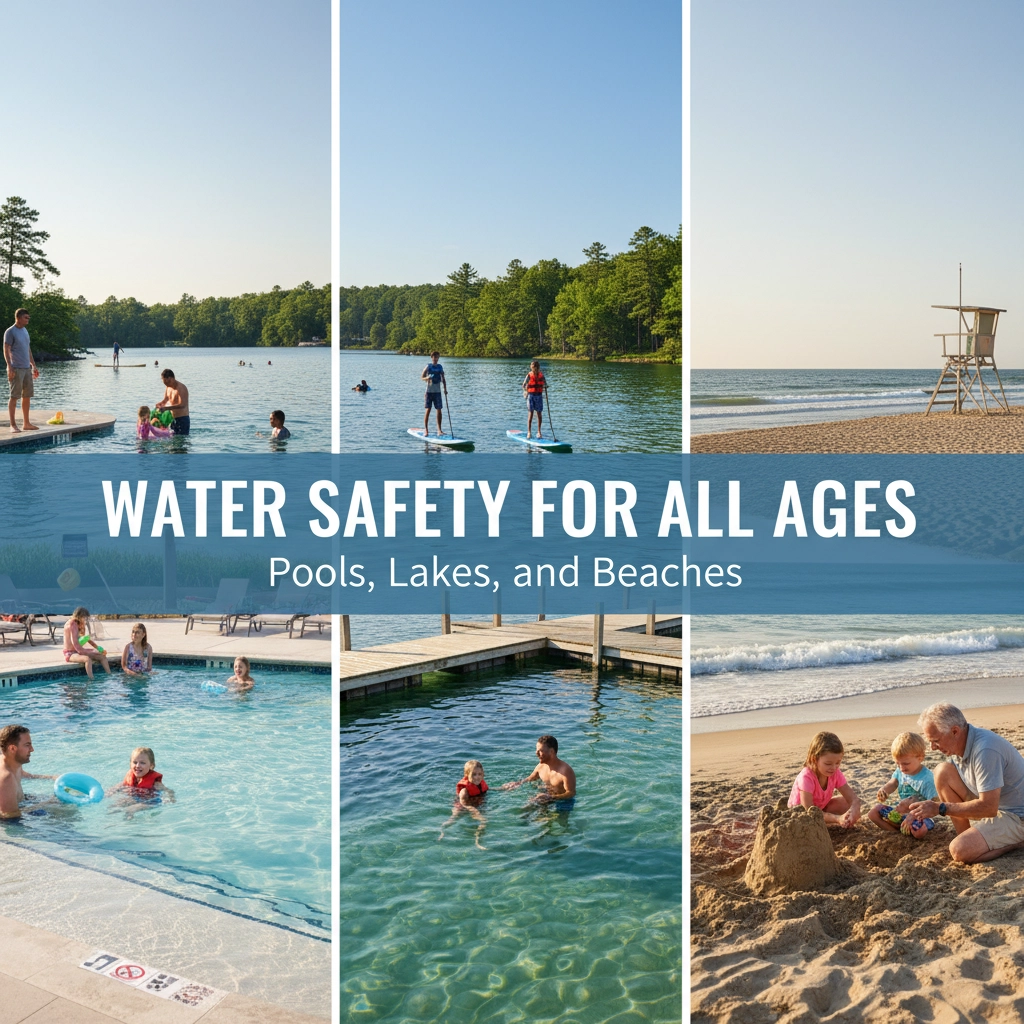
Summer's here, and that means one thing: it's time to splash! Whether you're planning pool parties, lake adventures, or beach days, water activities bring endless fun for families. But here's the thing: water safety isn't just about knowing how to swim (though that's super important too). Every type of water: from your backyard pool to the vast ocean: comes with its own set of rules and risks.
Let's dive into everything you need to know to keep your family safe while making the most amazing water memories this season.
The Golden Rules That Work Everywhere
Before we get into the specifics of different water environments, let's cover the basics that apply whether you're in a kiddie pool or the Pacific Ocean.
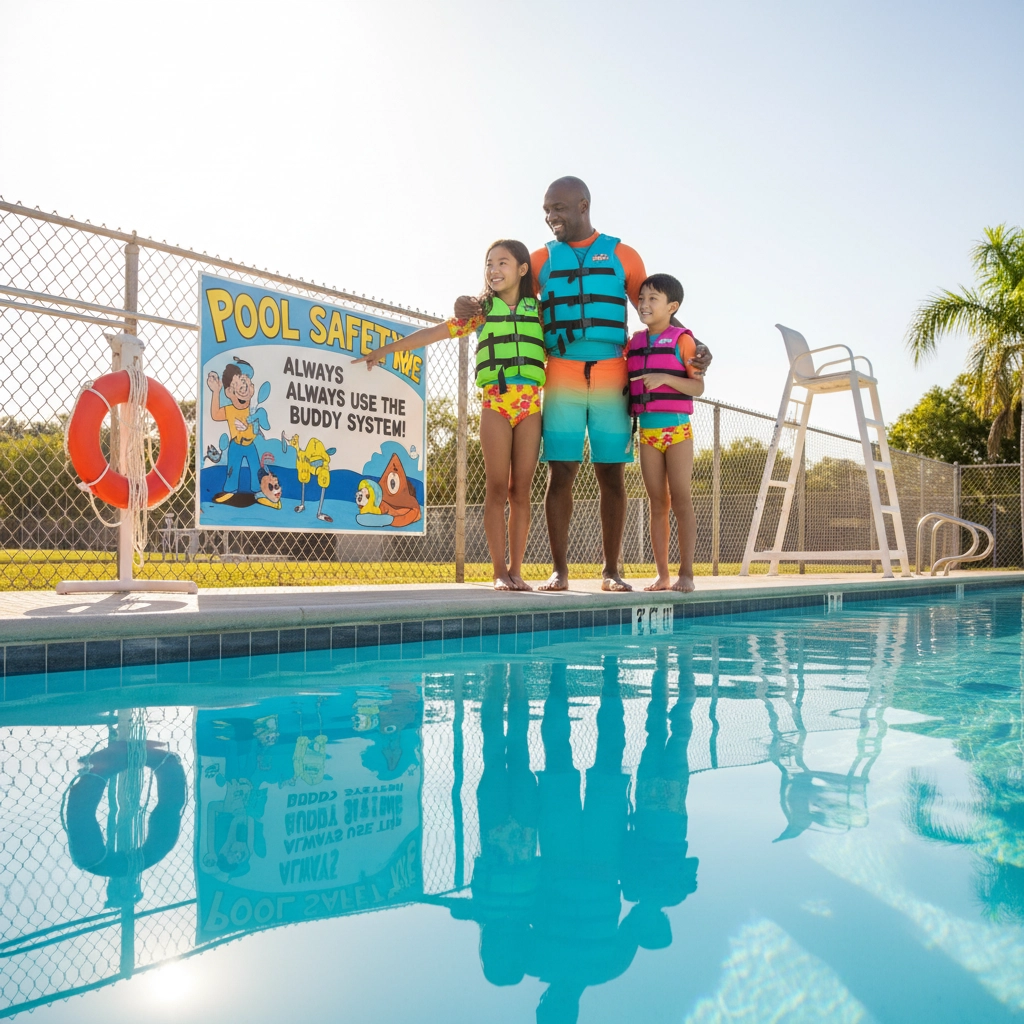
Never swim alone. This is rule number one, no exceptions. Even Olympic swimmers use the buddy system. Kids should always have an adult watching, and adults should have someone nearby who can help in an emergency. Swimming solo might seem peaceful, but it's never worth the risk.
Learn to swim: for real. We're not talking about just staying afloat for 30 seconds. Proper swimming skills include treading water, floating on your back, and swimming continuously for at least 25 yards. If anyone in your family isn't there yet, make swimming lessons a priority. Many community centers offer affordable classes for all ages, including adaptive programs for people with disabilities.
Enter water feet-first. This might be the most ignored safety rule out there, but it's crucial. Never dive headfirst into any body of water unless you're absolutely certain it's at least 12 feet deep and clear of obstacles. Serious spinal injuries happen in an instant, and they're almost always preventable.
Know your limits. That cold lake water might look inviting, but if you usually swim in heated pools, you're in for a shock. Cold water affects your body differently, making you tire faster and potentially causing muscle cramps. Start slow and listen to your body.
Pool Safety: Your Controlled Water Environment
Pools might seem like the safest water option since they're contained and predictable, but they actually account for the majority of drowning incidents for young children. Here's how to keep pool time both fun and safe.
Supervision is everything. Designate one adult as the "water watcher" at all times. This person shouldn't be reading, texting, or chatting: their eyes should be on the water constantly. Even if there's a lifeguard on duty, parents and caregivers need to stay actively engaged.
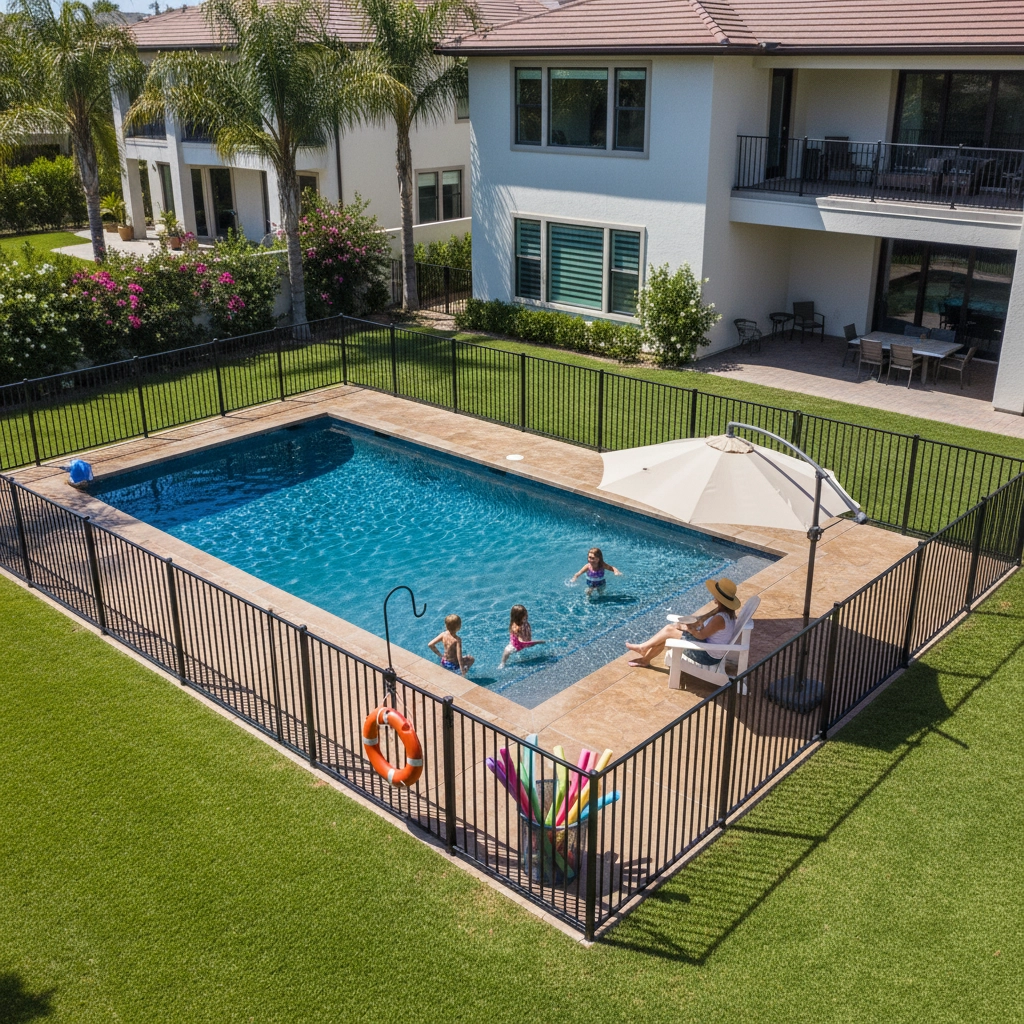
Fence it properly. If you have a home pool, install four-sided fencing that completely separates the pool from your house and yard. Pool alarms and covers are great additions, but they're not substitutes for proper barriers.
Watch those drains. Pool drains can be incredibly dangerous, especially for children. The suction can trap hair, clothing, or even body parts underwater. Teach kids to stay away from drains, and make sure any pool you use has properly installed drain covers.
Clear the deck. When swimming time is over, remove all toys and floaties from the pool area. These items can attract curious kids back to the water when no one's watching.
Lake Adventures: Respecting Natural Waters
Lakes offer a completely different experience from pools: and they require a different safety mindset. Natural bodies of water are constantly changing, and you can't see what's beneath the surface.
Stick to designated swimming areas. If there's a marked swimming zone with lifeguards, that's where you want to be. These areas are regularly checked for hazards and typically have the safest conditions.
Understand the invisible dangers. Lakes can have sudden drop-offs, underwater obstacles like fallen trees or rocks, and temperature changes that can cause shock. The water might be crystal clear near shore but murky deeper out. Always enter slowly and feel your way.
Watch for currents. Even calm-looking lakes can have underwater currents, especially near inlets and outlets. If you feel yourself being pulled in any direction, don't panic: swim parallel to shore until you're out of the current, then head back to safety.
Check water quality. Not all lake water is safe for swimming. Look for posted signs about water quality, algae blooms, or other hazards. If the water looks or smells off, find somewhere else to swim.
Beach Safety: Mastering the Ocean
The ocean is magnificent and powerful: which is exactly why it demands serious respect. Beach safety goes way beyond just avoiding sharks (though we'll touch on that too).
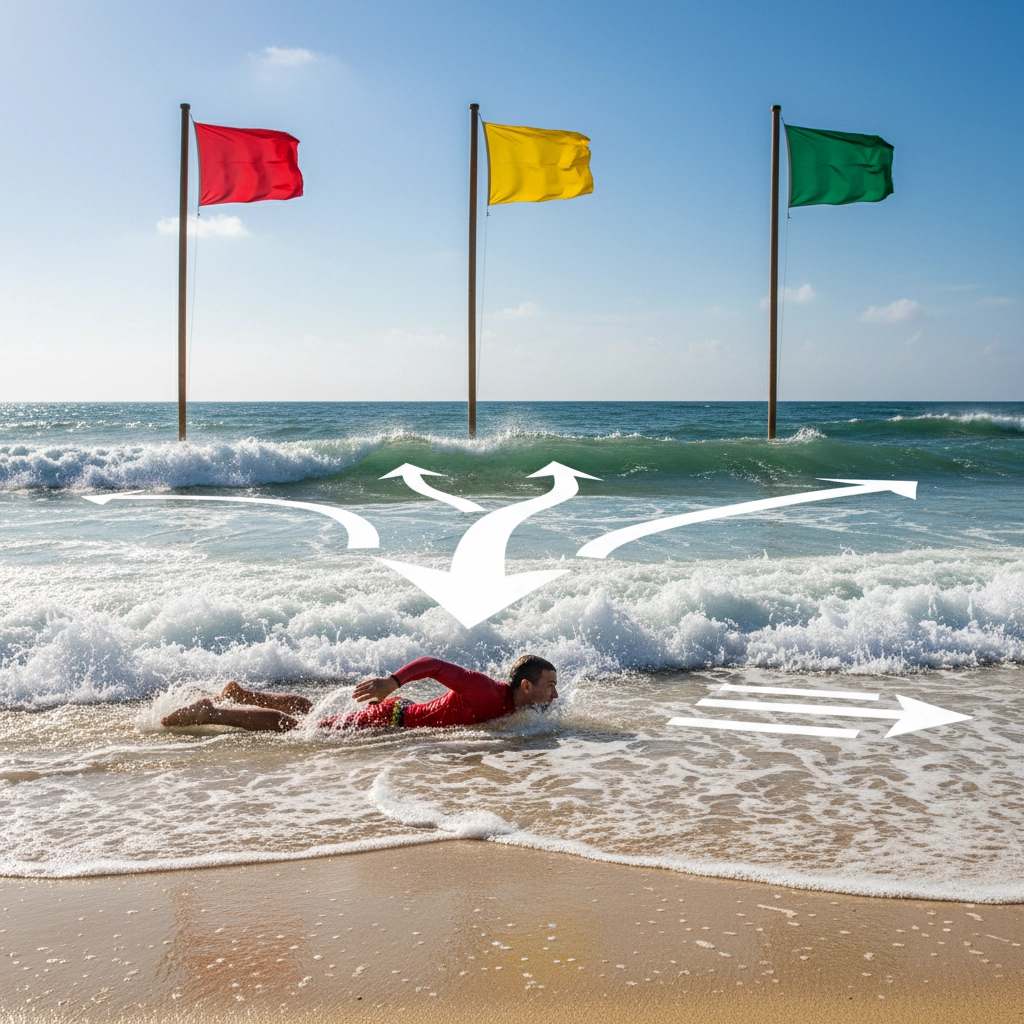
Know the flags. Beach warning flags aren't suggestions: they're life-saving information. Red flags mean dangerous conditions and no swimming. Yellow flags indicate moderate risk and increased caution. Green means relatively calm conditions, but you should still stay alert.
Understand rip currents. These are narrow channels of fast-moving water that can pull swimmers away from shore. If you get caught in one, don't try to swim directly back to shore: you'll exhaust yourself. Instead, swim parallel to the beach until you're out of the current, then angle back toward shore.
Watch the waves. Never turn your back on the ocean. Waves can be unpredictable, and a larger set can knock you down when you least expect it. Teach kids to watch incoming waves and jump or dive through them rather than letting them crash over their heads.
Protect your feet. Ocean floors can hide sharp shells, rocks, or marine life. Water shoes are a smart investment, especially in areas you're not familiar with.
Age-Specific Safety Guidelines
Different ages face different water risks, so let's break down what families need to know for each stage.
Toddlers and Young Kids (Ages 1-5): This age group faces the highest drowning risk. They need "touch supervision": meaning an adult should always be within arm's reach. Even if they've had swimming lessons, they're not developmentally ready to save themselves in an emergency. Life jackets are essential, and they should be properly fitted and Coast Guard-approved.
School-Age Children (Ages 6-12): Kids this age are developing swimming skills but often overestimate their abilities. They need clear boundaries about how far they can swim and should always ask permission before entering water. This is a great age to teach the "Reach, Throw, Don't Go" rescue principle: if someone's in trouble, use a pole or throw a flotation device, but don't jump in yourself.
Teens (Ages 13-18): Teenagers face increased risks around natural bodies of water and are more likely to take dangerous risks. They need education about the effects of alcohol and swimming (never mix the two), cliff jumping dangers, and the importance of swimming in groups.
Adults: Don't assume you're immune to water dangers just because you're grown up. Most adult drowning victims are male, and alcohol is involved in about 70% of adult swimming deaths. Stay honest about your swimming abilities, especially as you age or if you have medical conditions.
When Things Go Wrong: Emergency Preparedness
Even with the best precautions, emergencies can happen. Here's how to be ready.
Learn CPR. Every adult in your family should know CPR for both adults and children. Local hospitals, community centers, and organizations like the Red Cross offer classes. This skill can literally save lives.
Know the signs of drowning. Forget what you've seen in movies: real drowning is usually silent and happens fast. Look for someone who's vertical in the water, head tilted back, mouth at water level, and unable to call for help.
Have communication ready. Keep a cellphone in a waterproof case nearby, and make sure you know your exact location in case you need to call emergency services.
Exit for weather. At the first sound of thunder or sight of lightning, everyone should get out of the water immediately. Lightning can strike from miles away, and water conducts electricity.
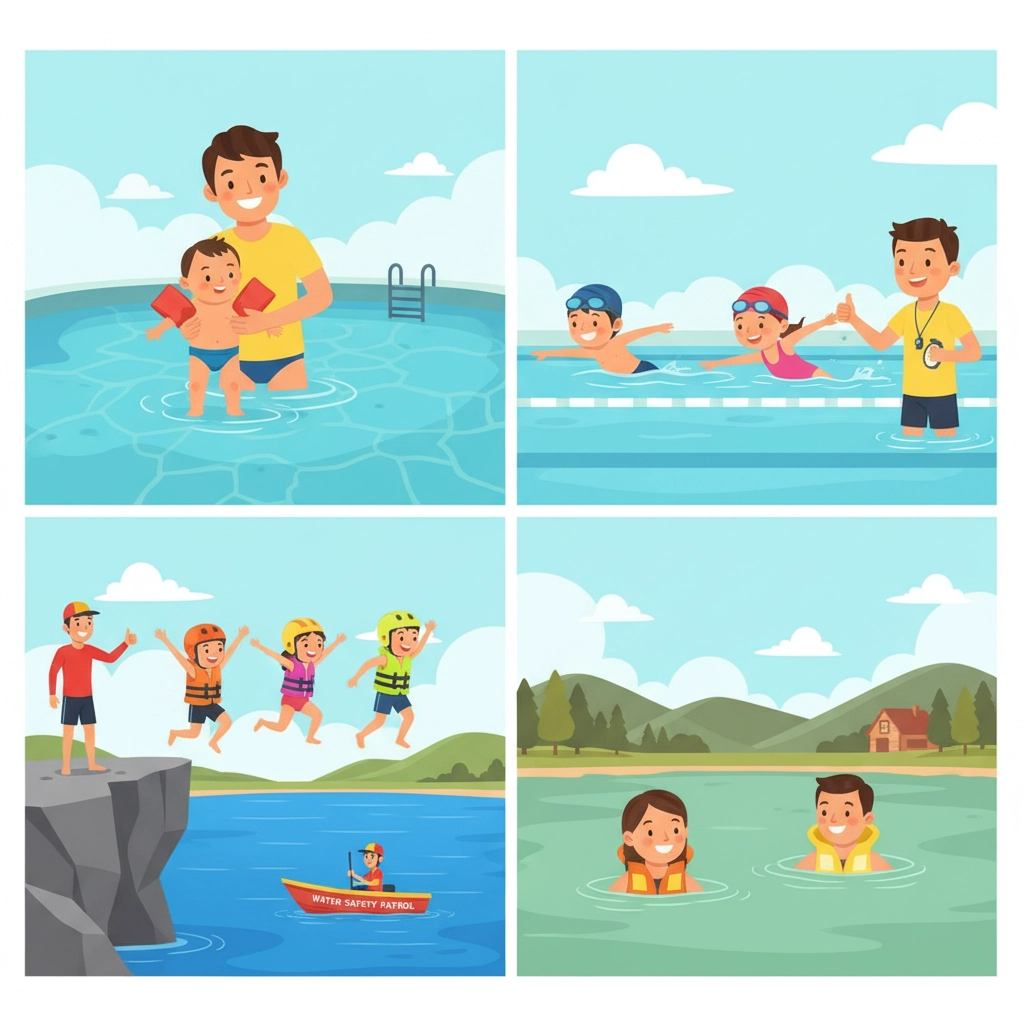
Making Water Safety Fun, Not Scary
The goal isn't to make your family afraid of water: it's to help everyone enjoy it safely. Make safety part of your regular routine by practicing skills, talking openly about risks, and celebrating smart choices.
Consider making up fun songs or rhymes to help younger kids remember rules. Practice emergency scenarios during calm moments, not when stress is high. And always model the behavior you want to see: kids learn more from what they watch than what they hear.
Water activities create some of life's best memories. By following these guidelines and staying vigilant, you can ensure those memories remain happy ones for years to come. The ocean, lakes, and pools aren't going anywhere: and with proper safety knowledge, your family can enjoy them all season long.
Remember: safety isn't about limiting fun( it's about making sure the fun never ends.)


Comments
Post a Comment