Back to School: Safety Tips for a Smooth Year
Back to School: Safety Tips for a Smooth Year
The school bell's about to ring, backpacks are packed, and excitement is in the air! But before your little ones dash off to their next adventure, let's make sure they're equipped with the safety know-how that'll keep this school year smooth and worry-free. Whether they're kindergarteners taking their first big steps or teenagers navigating high school hallways, a little safety preparation goes a long way.
Getting to School: Your Transportation Toolkit
Walking Warriors and Sidewalk Superstars
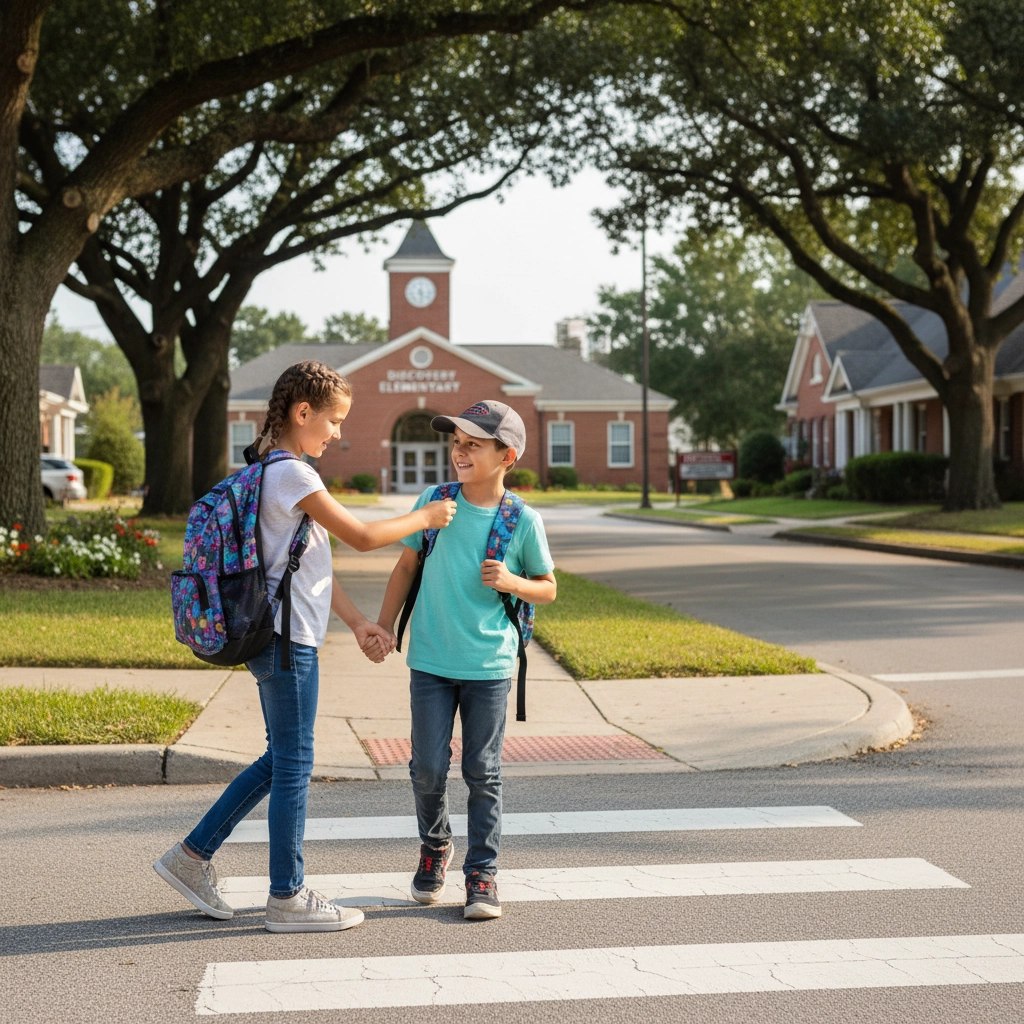
If your kids are walking to school, they're joining the ranks of sidewalk superstars! But even superheroes need their safety training. Start by mapping out the safest route together – think of it as a treasure hunt where sidewalks and crosswalks are your gold.
Practice the "stop, look, listen" routine until it becomes second nature. At every street crossing, kids should stop completely, look left-right-left (because cars can appear faster than you'd think!), and listen for any approaching vehicles. Make eye contact with drivers – it's like a secret safety handshake that ensures everyone sees everyone.
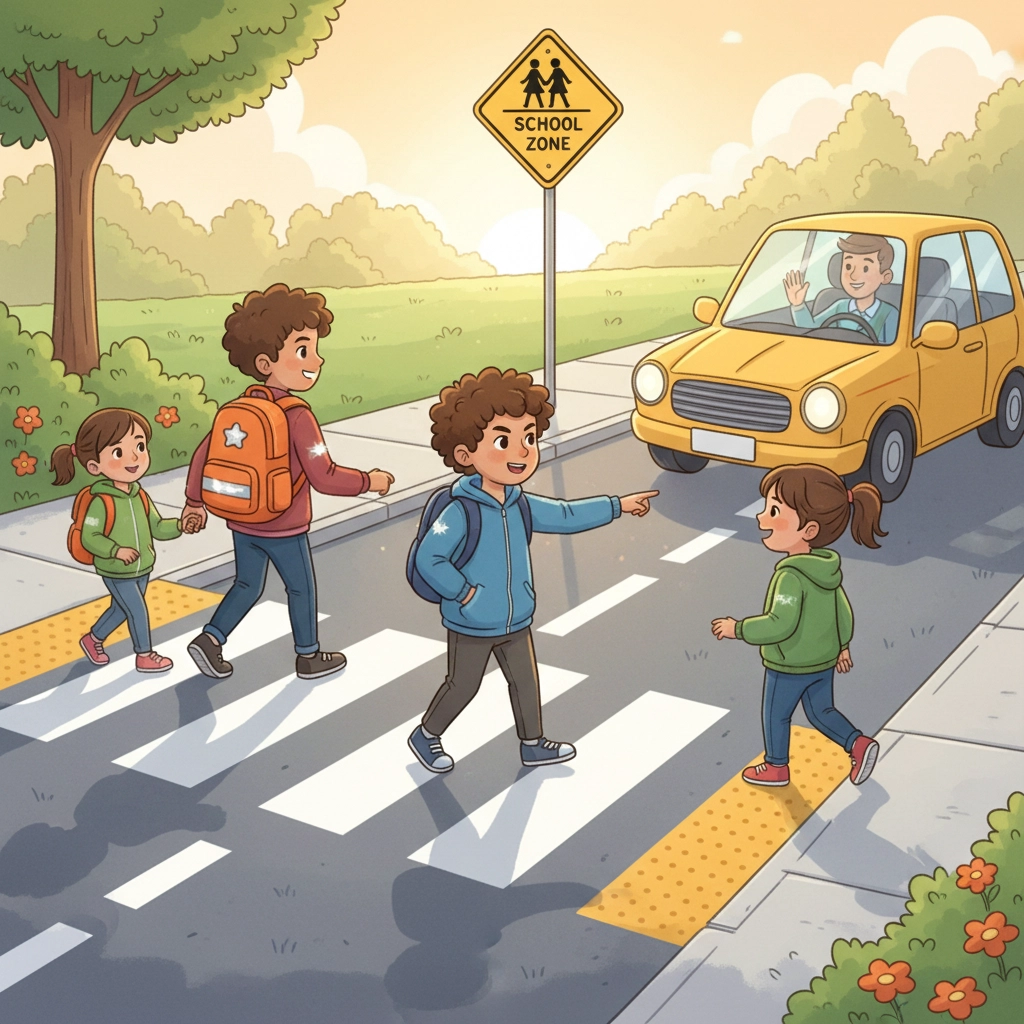
When sidewalks aren't available, teach kids to walk facing traffic. It might seem counterintuitive, but this way they can see what's coming and react if needed. And here's a fun tip: add some pizzazz to their safety gear! Reflective tape on backpacks, shoes, or jackets turns them into walking disco balls – visible and stylish.
Bike Safety: Rolling with Confidence
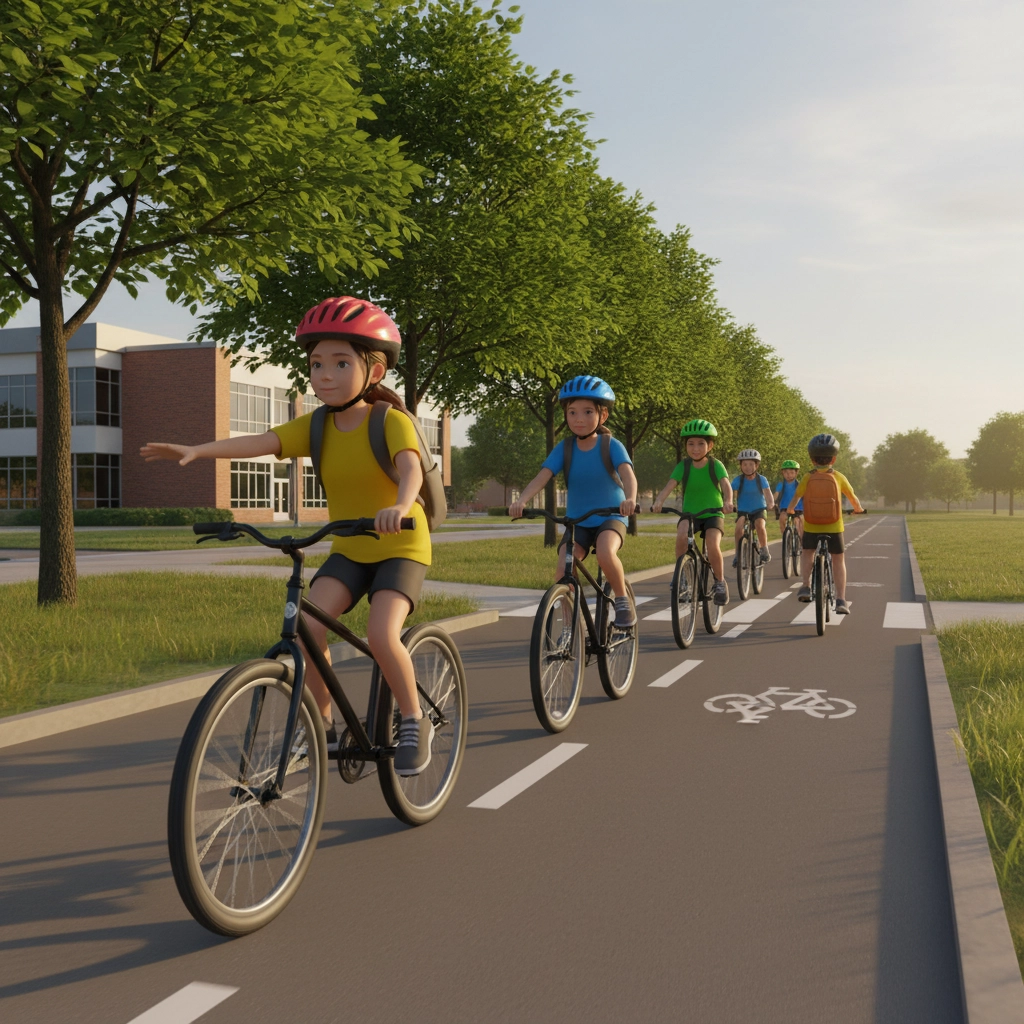
For kids who pedal their way to education, bike safety is non-negotiable. The helmet isn't just an accessory – it's their brain's best friend, reducing head injury risk by up to 85%. Make helmet fitting a fun activity: it should sit level on their head, with straps forming a "V" under each ear.
Teach them to ride single file on the right side of the road, moving with traffic flow. When crossing streets, the bike becomes a walking companion – they should hop off and walk it across. Hand signals aren't just for driving instructors; they're how young cyclists communicate their intentions to everyone around them.
Bus Riders: The Yellow Chariot Champions
School buses are like magical yellow chariots, but they come with their own set of safety rules. The key number to remember? Ten feet – that's how far kids should stay from the bus on all sides, especially the front. This "danger zone" is where most bus-related accidents happen.
While waiting, kids should stand at least six feet from the curb – think of it as their personal safety bubble. When the bus arrives, they wait for it to completely stop before moving, and if they need to cross the street afterward, they walk ten giant steps in front of the bus so the driver can see them clearly.
Family Car Protocol
For families doing the school drop-off dance, patience is your superpower. School zones transform into controlled chaos twice a day, so embrace the slow lane. Never pass other cars, change lanes, or attempt U-turns in these areas – it's like trying to dance the tango in a phone booth.
Cell phones should be your sleeping passengers during school zone navigation. Even hands-free devices can split your attention when little humans are darting around like caffeinated squirrels.
Health and Wellness: Building Strong Bodies and Minds
The Hygiene Heroes
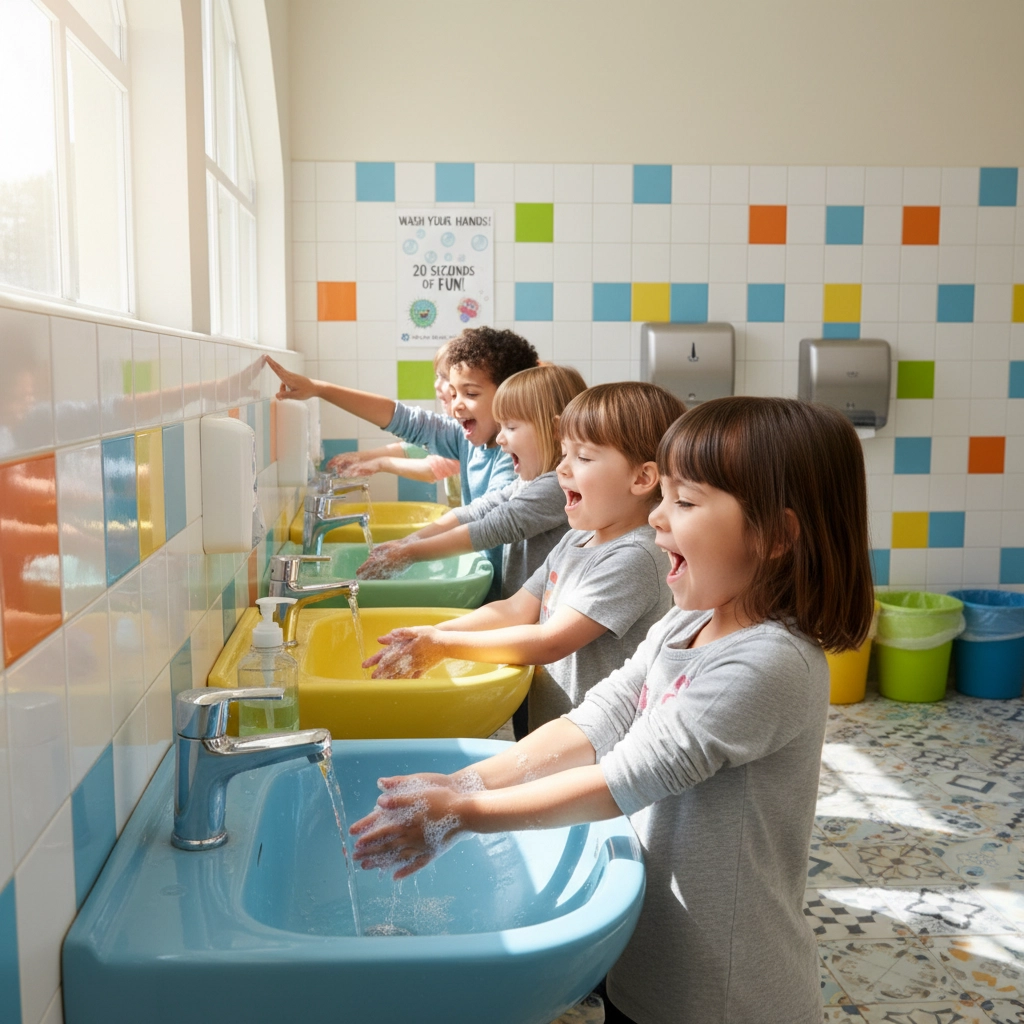
Schools are social melting pots where germs throw their own little parties. Turn your kids into hygiene heroes with some simple but powerful habits. Handwashing becomes an art form – sing the "Happy Birthday" song twice while scrubbing to ensure they're doing it long enough.
Keep vaccinations current because they're like invisible shields protecting not just your child, but their entire school community. It's teamwork at the microscopic level!
Fueling the Learning Machine
Think of your child's body as a learning machine that needs premium fuel. A balanced breakfast isn't just nice to have – it's brain food that powers concentration and memory throughout the morning. Pack lunches that combine protein, whole grains, fruits, and vegetables. Even better, involve kids in meal planning so they become excited about eating well.
Hydration is equally important. A reusable water bottle becomes their trusty sidekick, keeping them alert and energized. Dehydration can masquerade as tiredness or difficulty concentrating, so encourage regular sips throughout the day.
Moving Bodies, Growing Minds
Physical activity isn't just about burning energy (though parents appreciate that side effect!). Kids need about 60 minutes of movement daily to support their physical and mental health. This doesn't mean an hour at the gym – playground time, walking the dog, or dancing in the living room all count.
Movement improves mood, sleep quality, and academic performance. It's like a magic potion with zero side effects and maximum benefits.
Emotional Readiness: The Heart of School Success
Sleep: The Ultimate Superpower
If sleep were a superhero, it would be Captain Recovery, swooping in each night to restore energy, consolidate memories, and regulate emotions. Younger kids need 9-12 hours of sleep, while teenagers require 8-10 hours – though convincing teens of this might require some creative parenting.
Start adjusting bedtime routines at least two weeks before school begins. Consistency is key – the same bedtime and wake-up time, even on weekends, help regulate their internal clocks.

Anxiety Busters and Confidence Builders
New schools, teachers, or social situations can trigger anxiety in even the most confident kids. Create a safe space for conversations about feelings. Sometimes kids worry about things that seem small to adults but feel enormous to them.
Practice problem-solving together. If they're worried about making friends, brainstorm conversation starters. If they're nervous about getting lost in a new school, request a tour before the first day. Knowledge builds confidence, and confidence conquers anxiety.
Communication Channels
Establish regular check-ins that go beyond "How was school?" Try specific questions like "What made you smile today?" or "Tell me about someone you helped or who helped you." These conversations build emotional intelligence and keep communication lines wide open.
Building Safety Habits as a Family
The Buddy System
There's safety in numbers, and the buddy system has been protecting kids for generations. Whether walking to school, playing at recess, or navigating new situations, having a friend nearby provides both security and social connection.
Community Connections
School safety isn't just a family responsibility – it's a community effort. Get to know other parents, teachers, and neighbors. Exchange contact information with families whose kids share your child's route to school. It takes a village to keep kids safe, so build your village strong.
Practice Makes Perfect
Don't wait for emergencies to teach safety skills. Practice crossing streets safely, role-play stranger danger scenarios, and review what to do if they get separated from you in public. Make it age-appropriate and avoid creating fear while building confidence.
Technology and Safety
Digital Citizenship
If your child carries a phone or uses technology at school, establish clear guidelines. Teach them about appropriate online behavior, the importance of not sharing personal information, and how to report cyberbullying.
Emergency Contacts
Ensure your child knows important phone numbers by heart, including yours, emergency contacts, and their address. In our digital age, we often store this information in devices, but kids need to know it independently.
Wrapping Up the Safety Package
As you send your children off to another year of learning and growing, remember that safety isn't about wrapping them in bubble wrap – it's about giving them the tools and confidence to navigate the world smartly. These safety habits become second nature with practice and patience.
Start the school year with family safety meetings where everyone shares concerns and contributes solutions. Make safety a team sport where everyone plays a position. When kids feel empowered with knowledge and skills, they approach new challenges with confidence rather than fear.
The best part? These safety skills extend far beyond the school year. You're not just preparing them for fourth grade or freshman year – you're building life skills that will serve them through college, careers, and beyond. Now that's what we call a successful school year investment!
Here's to a year filled with learning, laughter, and most importantly, safety for all our students. Let the adventures begin!


Comments
Post a Comment