Bus Stop Safety: Waiting Smart and Staying Safe
Bus Stop Safety: Waiting Smart and Staying Safe
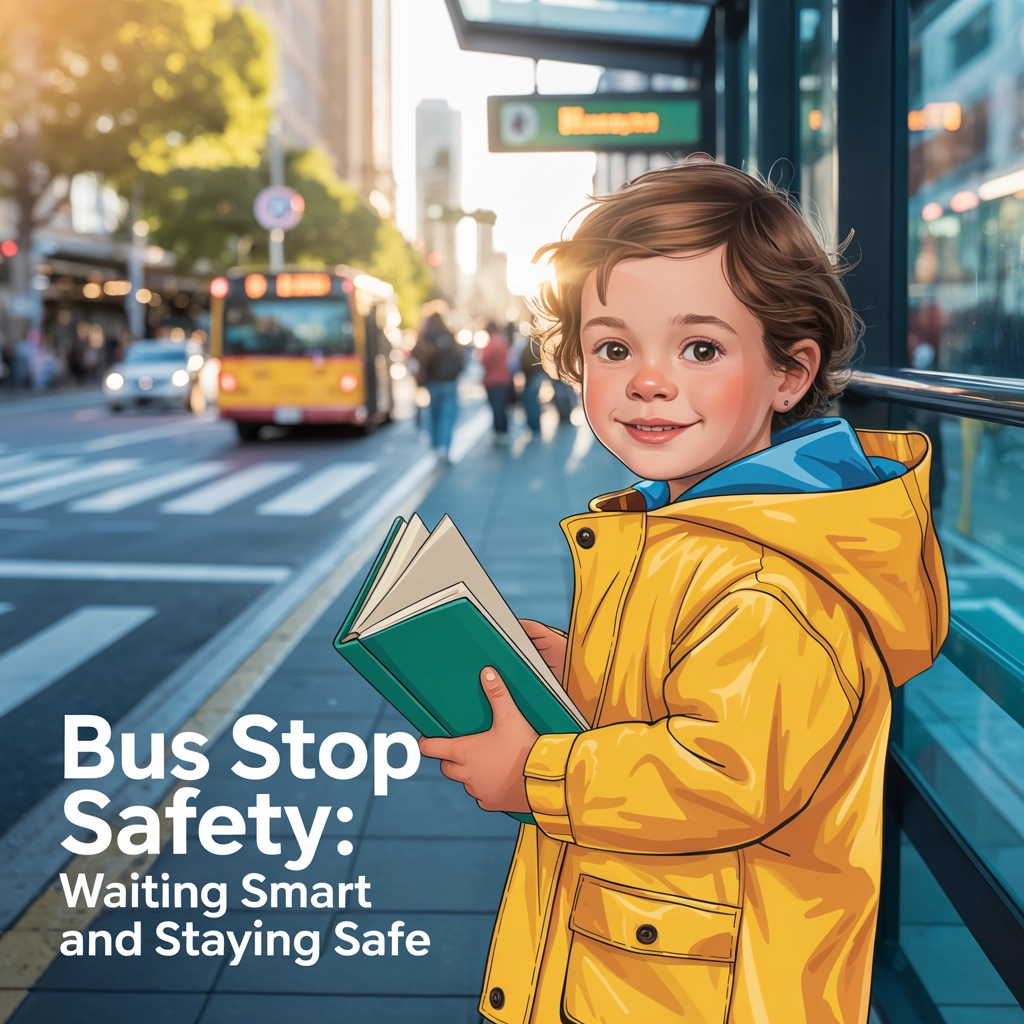
Picture this: it's 7 AM, you're half-awake, and the school bus is coming down the street. Your backpack's ready, lunch is packed, but are you really prepared for what happens at that bus stop? Whether you're a student heading to school or a parent making sure your kids stay safe, bus stop safety isn't just about catching the ride – it's about getting there and back in one piece.
Let's face it, bus stops can be tricky places. There's traffic whizzing by, weather to deal with, and sometimes you're standing there in the dark. But with the right know-how, you can turn that potentially stressful situation into a safe, smooth part of your day.
Getting There on Time (Without the Rush)
Here's the golden rule: arrive at your bus stop at least five minutes early. I know, I know – mornings are already crazy enough. But think of it this way: those extra five minutes could be the difference between safely boarding your bus and having to dart across traffic because you're running late.
When you're rushing, accidents happen. You might trip over a curb, forget to look both ways, or make poor decisions about where to stand. Those five minutes give you breathing room to position yourself safely and calmly assess your surroundings.
Pro tip for parents: if your kids are naturally slow in the morning (aren't we all?), build that buffer time into your routine. Set their alarms five minutes earlier, or prep everything the night before. Trust me, future-you will thank present-you.
The Three-Step Rule: Where to Stand
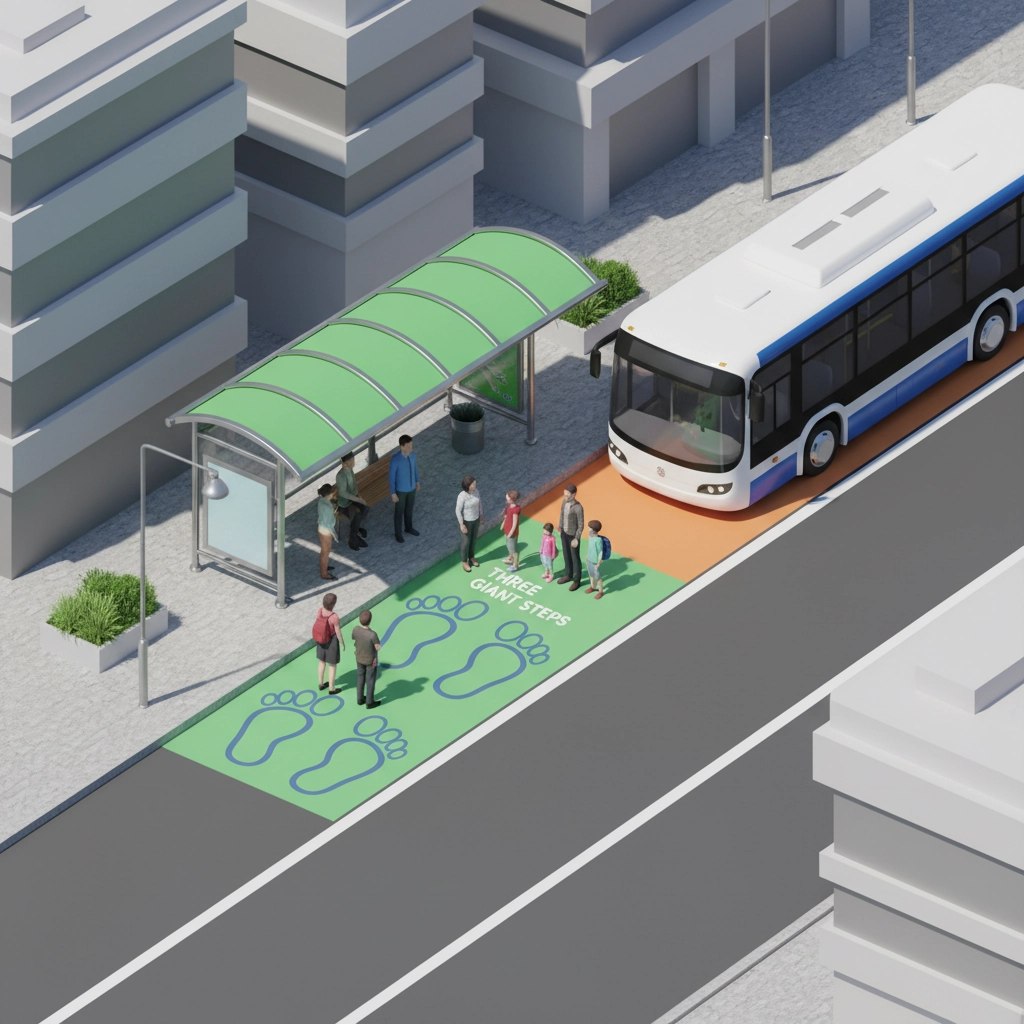
Here's something they probably didn't teach you in driver's ed: the "three giant steps" rule. When waiting for your bus, stand at least three big steps – that's about 6 feet – away from the curb. For school buses, make that 10 feet from the road.
Why so far back? Buses are big, heavy vehicles that need space to maneuver. Plus, other cars might not see you if you're too close to the street. Think of that 6-10 foot zone as your safety bubble. Stay inside it, and you're golden.
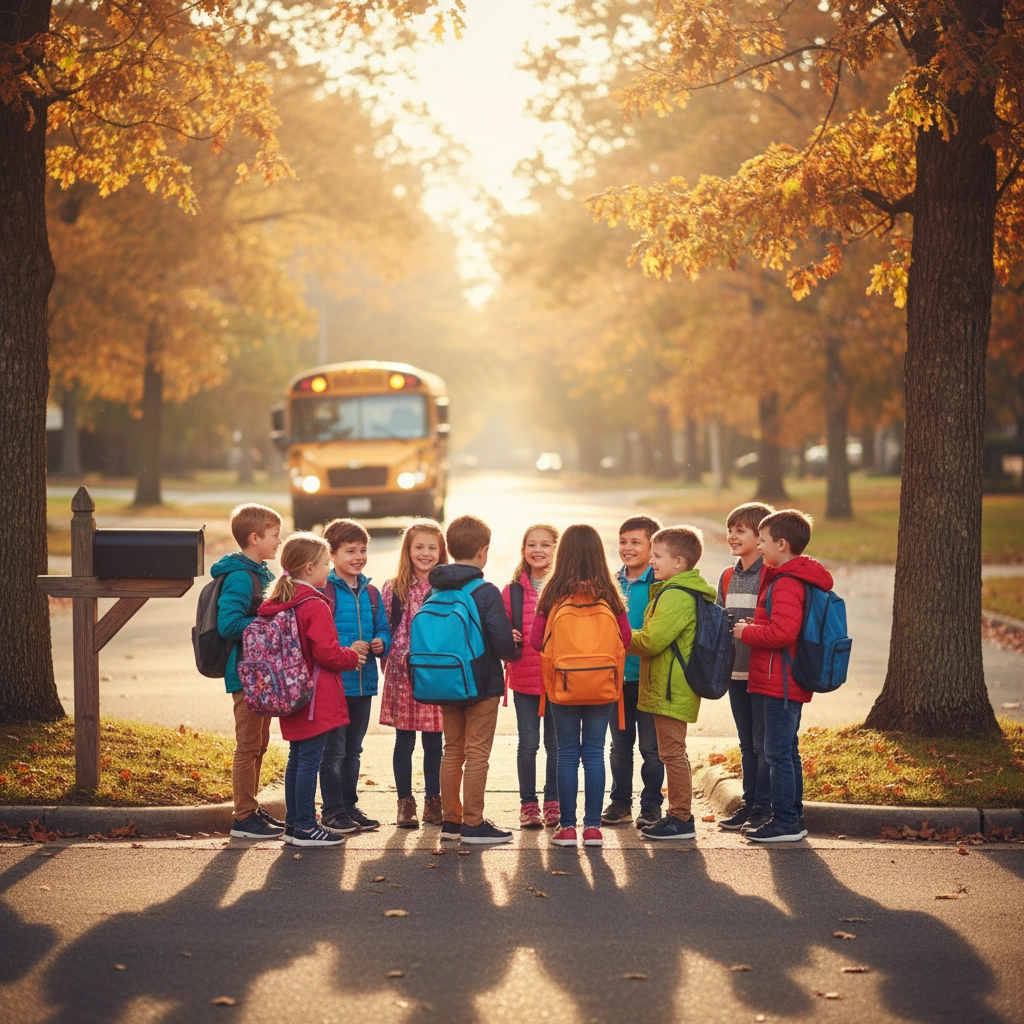
Here's what this looks like in real life: find a landmark like a mailbox, tree, or building that's about 10 feet from the road. Make that your waiting spot. If you're with friends, line up parallel to the street, not perpendicular – you don't want anyone accidentally getting pushed toward traffic during friendly morning chatter.
Weather-Proofing Your Wait
Mother Nature doesn't always cooperate with school schedules. When it's dark, rainy, snowy, or foggy, you need to level up your safety game.
Dark mornings: Wear bright colors or add reflective tape to your backpack. If you have a phone, use the flashlight feature to make yourself visible to drivers. Some kids even attach small LED lights to their jackets – it might look silly, but silly beats unsafe every time.
Snowy conditions: Snow creates a double challenge. Not only is visibility reduced, but your regular bus stop might be buried under a snowbank. If your usual spot is snowed in, wait in a cleared area nearby and flag down your driver. Just remember – snowy streets and sidewalks are slippery, so take your time and watch your step.
Rainy days: Umbrellas are great for staying dry, but they can block your view of traffic. Hold your umbrella at an angle that lets you see approaching vehicles, and choose bright-colored rain gear when possible.
The Art of Safe Boarding
Buses have their own rhythm, and learning to move with it keeps everyone safe. First rule: wait until the bus comes to a complete stop and the driver opens the door before you move toward the bus. I've seen too many kids step forward while the bus is still rolling – that's a recipe for disaster.
Use those handrails when stepping up. They're not just decorative – they're there to keep you stable and prevent falls. And here's something parents especially need to know: those cute drawstring hoodies and backpacks with dangling straps can get caught in doors or handrails. Either tuck them in or consider switching to zipper alternatives.
Once you're on board, find your seat quickly and buckle up if seat belts are available. Keep the aisle clear of bags and feet – it's not just courtesy, it's safety. In an emergency, that aisle needs to stay clear for quick evacuation.
Crossing Streets: The Life-or-Death Dance
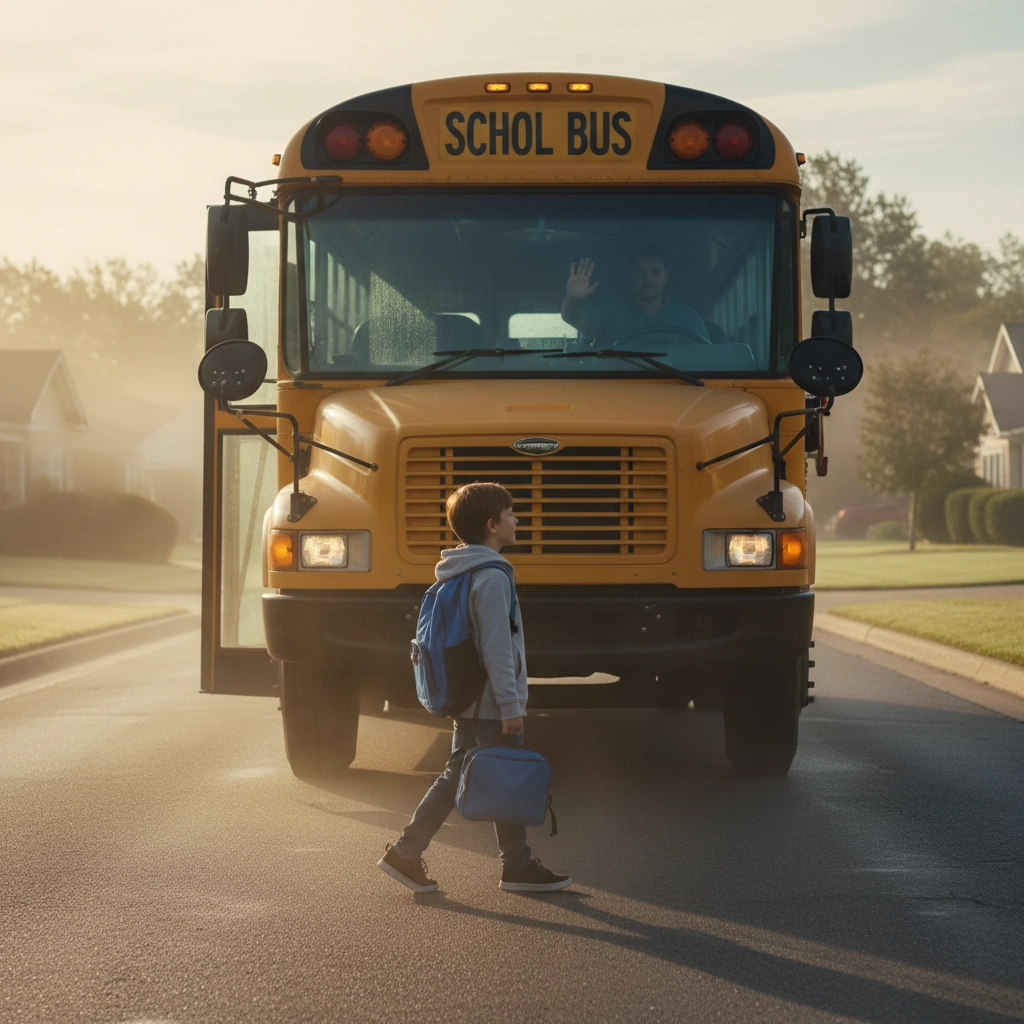
If you need to cross the street after getting off the bus, this is where things get really serious. Never, ever cross behind the bus. The driver can't see you, and neither can other drivers. It's like being invisible – and not in a cool superhero way.
Instead, walk to the front of the bus – at least 10 feet in front of it. The bus driver should be able to see you clearly, and you should be able to make eye contact with them. Wait for their signal that it's safe to cross. But here's the crucial part: even after getting the all-clear, look left, right, then left again before stepping into the street.
Why the double-check? Because not all drivers follow traffic laws. Some try to illegally pass stopped buses, putting you in danger. Your eyes are your best safety equipment – use them.
When Things Go Wrong
Accidents happen, and sometimes you'll drop something near the bus. Here's what you absolutely must not do: don't just bend down and grab it. The driver might not see you crouched down, and if the bus starts moving... well, let's not go there.
Instead, get the driver's attention first. Wave, call out, or tap on the bus if you're close enough. Make sure they see you before you retrieve anything. Your phone, your homework, even your favorite pen – nothing is worth risking your safety.
If you miss your bus, resist the urge to chase it down the street. Yes, it's frustrating, but running after a bus puts you in traffic and probably won't work anyway. Have a backup plan: a parent's phone number, a nearby friend's house, or a school contact who can help.
Tech Tools for Smarter Waiting
We live in the smartphone age, so why not use technology to stay safer? Many school districts and transit systems now offer real-time bus tracking. Download the app, check it before leaving home, and you'll know exactly when your bus will arrive.
This tech helps you avoid standing outside longer than necessary – especially valuable during harsh weather. Instead of guessing when the bus might show up, you can wait inside until it's actually close.
Some apps even send alerts if your bus is running late due to weather or traffic. Knowledge is power, and in this case, it's also warmth and safety.
The Parent Perspective
If you're a parent dropping off or picking up kids at bus stops, your positioning matters too. Wait on the same side of the street where your child will be dropped off. Kids get excited when they see their parents and might forget all those safety rules about looking before crossing.
Also, consider your car's location. Don't park too close to the bus stop – you might block other drivers' views or create confusion about where it's safe to wait. Give the bus and other vehicles plenty of room to maneuver safely.
Making It a Habit
Here's the thing about safety: it works best when it becomes automatic. Practice these routines with your kids when there's no pressure – maybe on a weekend, walk to the bus stop and rehearse the positioning, the waiting, and the crossing procedures.
Talk through different scenarios: "What if it's raining?" "What if you drop your backpack?" "What if the bus is late?" The more you practice these responses, the more natural they become when it really matters.
Bus stop safety isn't rocket science, but it does require attention and consistency. Those few minutes of waiting don't have to be stressful or dangerous. With the right habits and awareness, they can just be another smooth part of getting where you need to go.
Remember, every trip starts and ends at a bus stop. Make those bookends safe ones, and everything in between gets a whole lot better. Your future self – and anyone who cares about you – will definitely thank you for taking these precautions seriously.
Safe travels, everyone. The bus is coming – and now you're ready for it.


Comments
Post a Comment