Bike Riding Safety for Kids: Gear, Rules, and Best Practices
Bike Riding Safety for Kids: Gear, Rules, and Best Practices
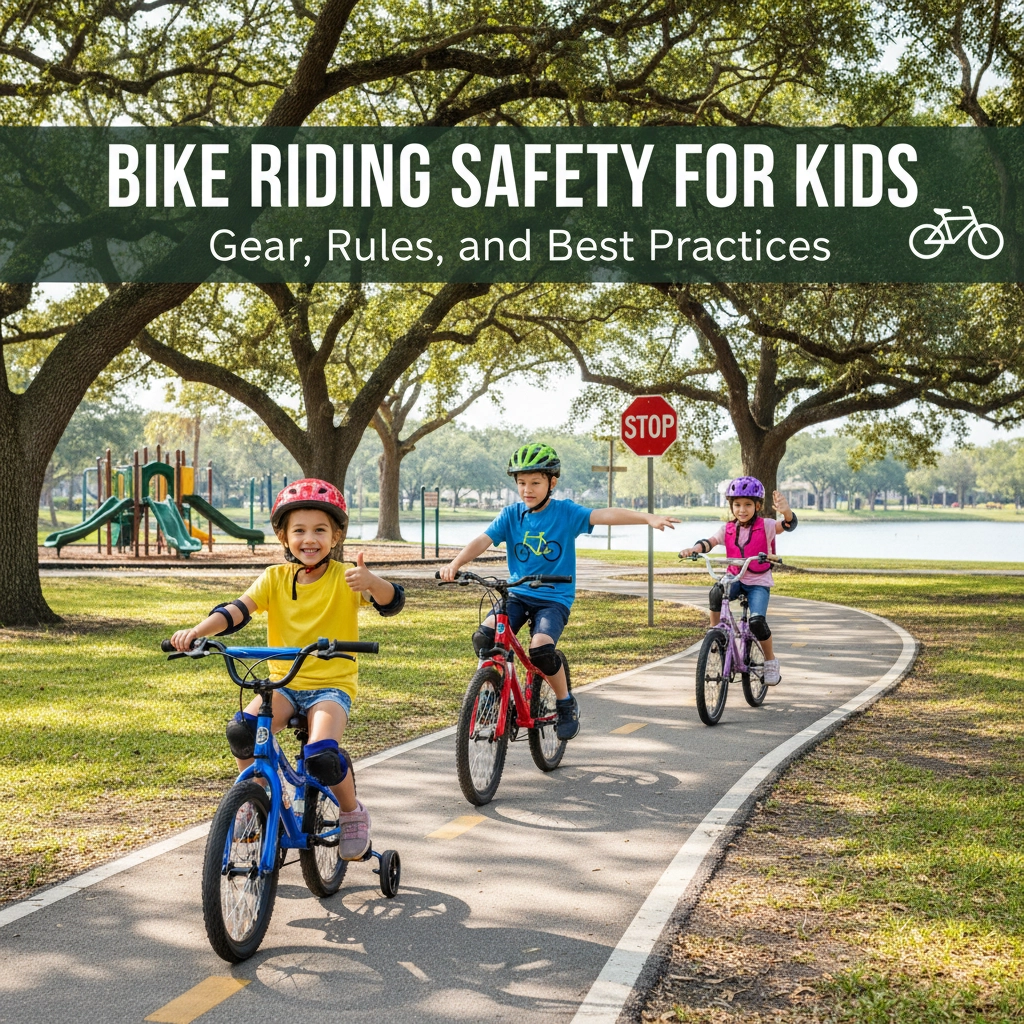
There's nothing quite like the joy on a child's face when they first master riding a bike – that moment of pure freedom and excitement as they pedal away with the wind in their hair. But as parents, we know that with great fun comes great responsibility. Bike riding is one of childhood's greatest adventures, but it's also one of the leading causes of emergency room visits during those active summer months.
The good news? With the right gear, knowledge, and habits, we can keep our little cyclists safe while they explore their world on two wheels. Let's dive into everything you need to know to make bike riding both fun and safe for your kids.
The Must-Have Safety Gear
Helmets: Your Child's Best Friend
Think of a helmet as your child's superhero cape – except this one actually has superpowers! A properly fitted helmet can reduce the risk of head injuries by at least 45 percent. That's huge! Yet surprisingly, less than half of kids under 14 wear bike helmets regularly.
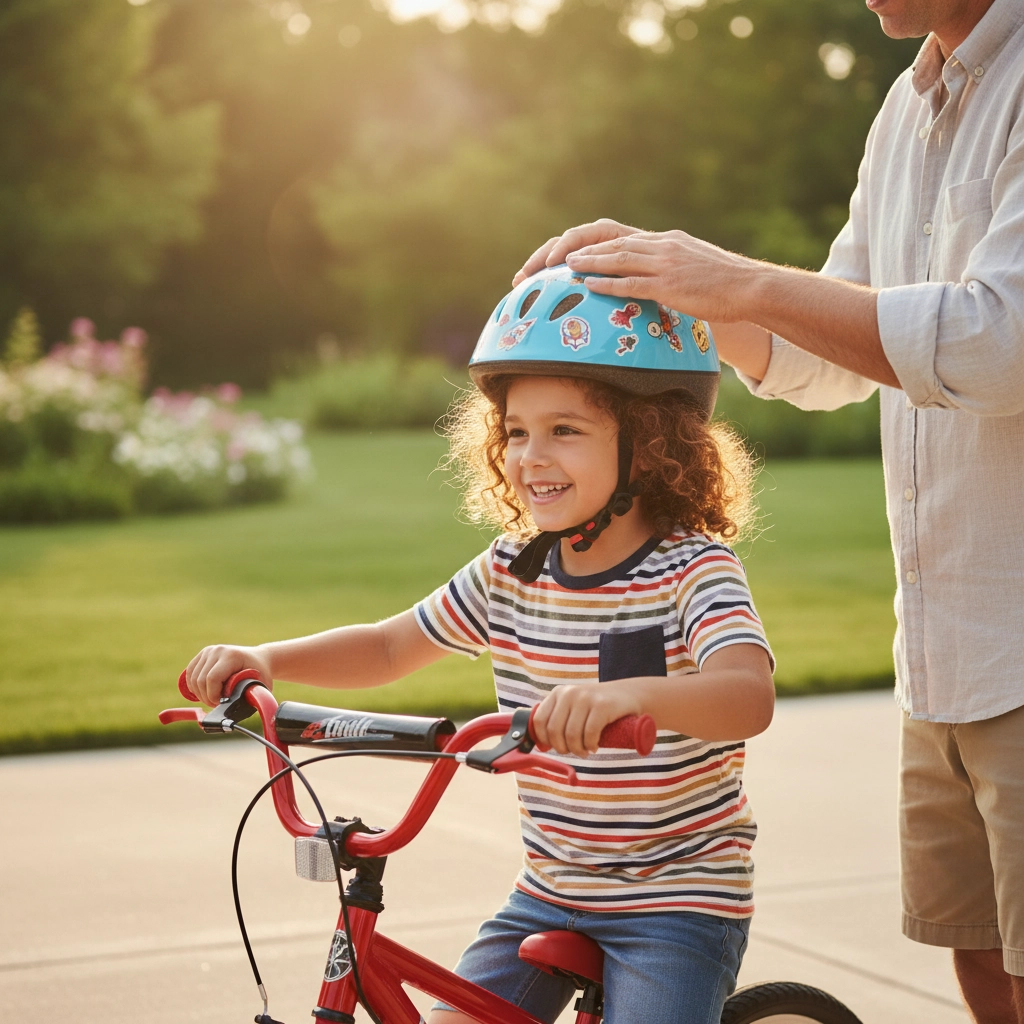
Here's the thing about helmets: they only work if they fit right. Use the "eyes, ears, and mouth" check:
- Eyes: When your child looks up, they should see the bottom rim of the helmet (about one to two finger-widths above the eyebrows)
- Ears: The straps should form a "V" shape right under each ear when buckled
- Mouth: When your child opens their mouth wide, the helmet should hug their head
Protective Padding: Armor for Little Knights
Remember when you were a kid and scraped your knees? It wasn't fun! Knee and elbow pads are like armor for your little knight, providing hard padding that protects arms and legs from those inevitable tumbles. Since kids are still developing their coordination and balance, these pads are especially important during the learning phase.
The Right Shoes Make All the Difference
This might seem obvious, but you'd be surprised how many kids want to ride barefoot or in flip-flops! Always insist on closed-toe shoes. They protect little toes and provide the grip needed to control the pedals properly. Think sturdy sneakers, not sandals.
Extra Gear That Goes the Extra Mile
- Cycling gloves: These protect palms during falls and help with grip
- Bright clothing: Makes kids visible to drivers and other cyclists
- Lights and reflectors: Essential for any riding that might happen in low light
Rules of the Road: Traffic 101 for Kids
Teaching kids traffic rules isn't just about following laws – it's about developing street smarts that will keep them safe for years to come.
The Basic Traffic Rules Every Kid Should Know
- Ride on the right side: Always ride with traffic, not against it
- Stay as far right as possible: Give cars plenty of room to pass
- Obey all traffic signs and signals: Red means stop, even on a bike!
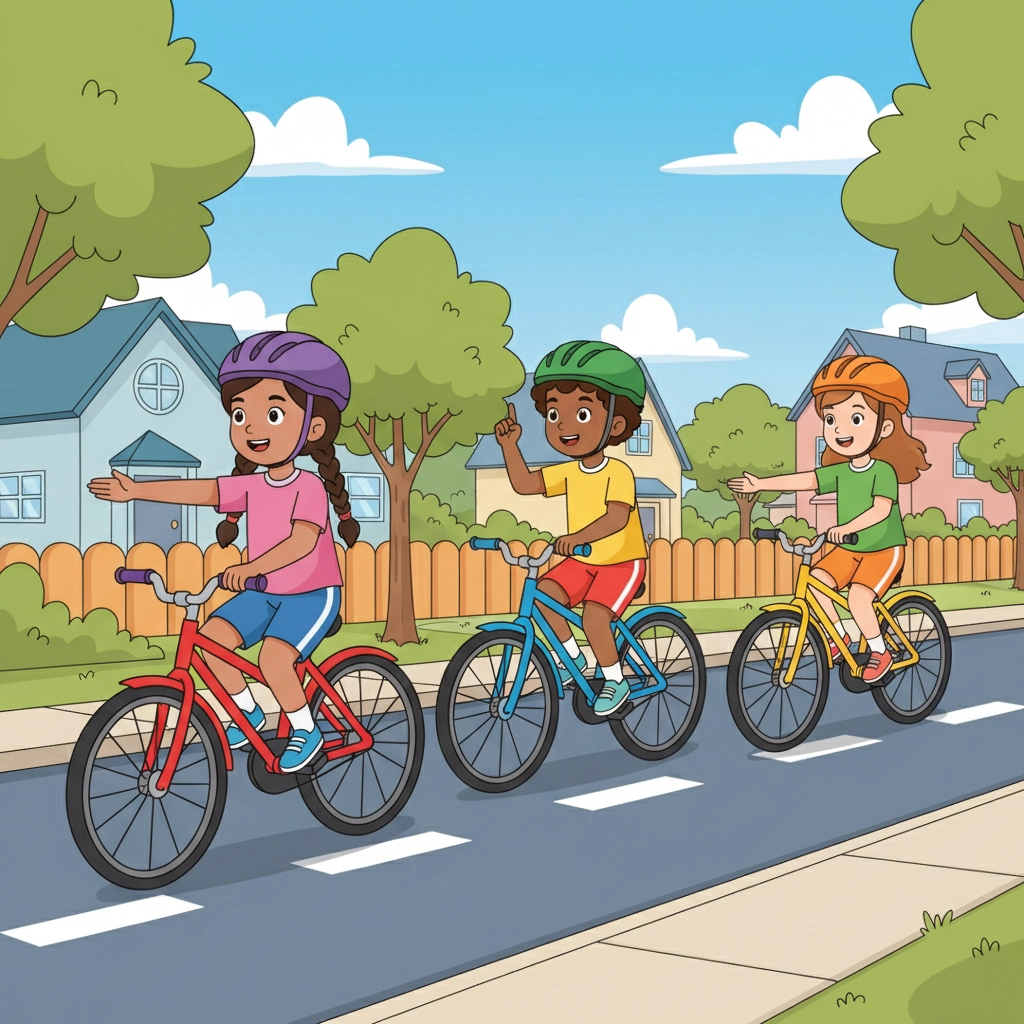
- Use hand signals: Left arm out for left turns, left arm bent up at the elbow for right turns, left arm bent down for stopping
The Art of Looking Before You Leap
Before crossing any street or entering an intersection, teach kids the "look left, right, left again" rule. When turning left, they need to look back and make sure no traffic is coming from behind. It's like a little dance that could save their life!
Age-Appropriate Riding Zones
Here's a general rule of thumb: kids under 10 should stick to sidewalks. Once they're older and more skilled, they can graduate to bike paths and eventually quiet neighborhood streets. Always start in safe, controlled environments like:
- Empty parking lots
- Parks with bike paths
- Quiet residential streets
- Designated bike trails
Best Practices for Safe and Fun Riding
Visibility is Everything
Kids should avoid riding at night whenever possible. If evening rides are unavoidable, make sure bikes have proper lighting and kids wear reflective gear. Think of it as making your child glow like a friendly firefly – drivers need to see them coming!
Practice Makes Perfect (and Safe)
Before hitting the streets, kids need to master basic skills in a safe environment:
- Controlling their bike in a straight line
- Looking over their shoulder while staying straight
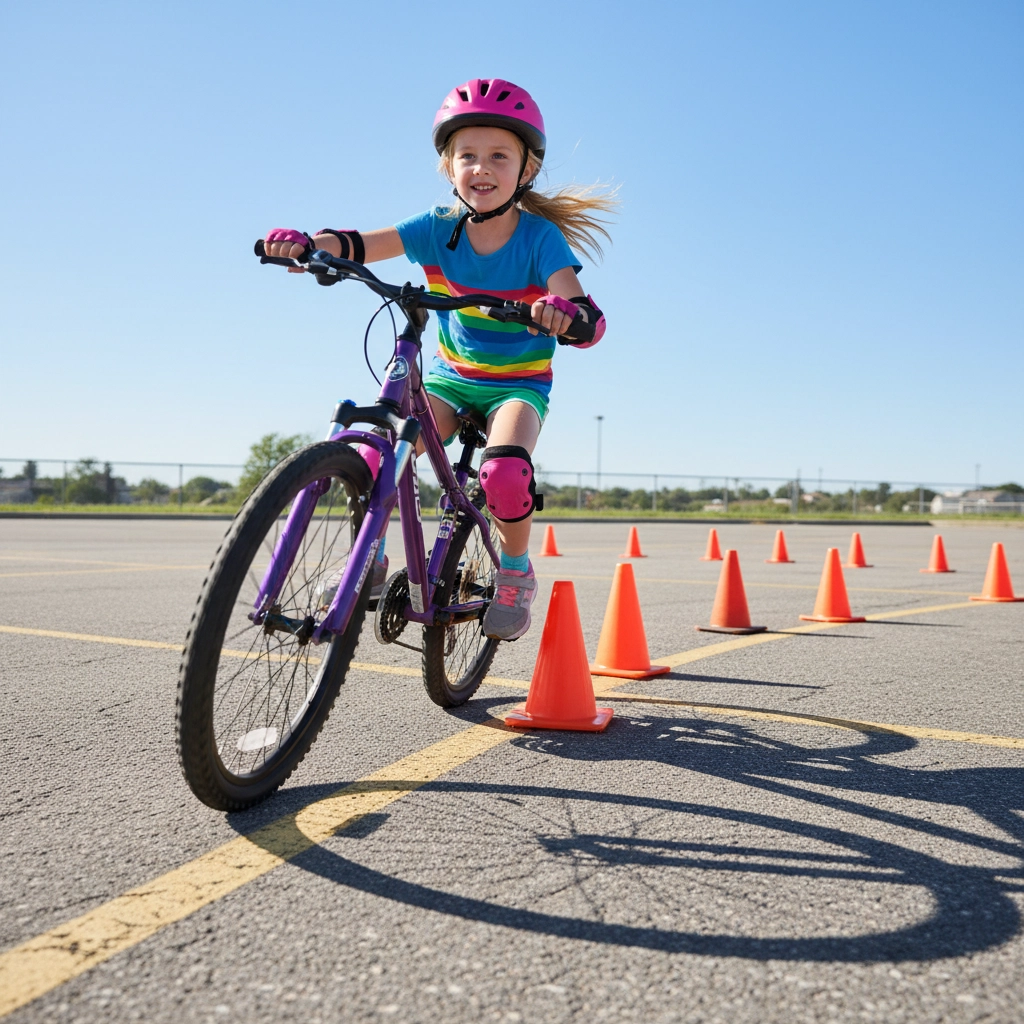
- Navigating around obstacles (set up a fun cone course!)
- Stopping smoothly and safely
Choose Your Routes Wisely
When kids are ready for real-world riding, route selection becomes crucial. Look for:
- Designated bike lanes
- Bike paths separated from car traffic
- Quiet neighborhood streets
- Well-maintained sidewalks where bike riding is allowed
Avoid busy roads, areas with poor visibility, and routes with lots of parked cars (doors can open suddenly!).
Bike Maintenance: Keeping the Wheels Turning Safely
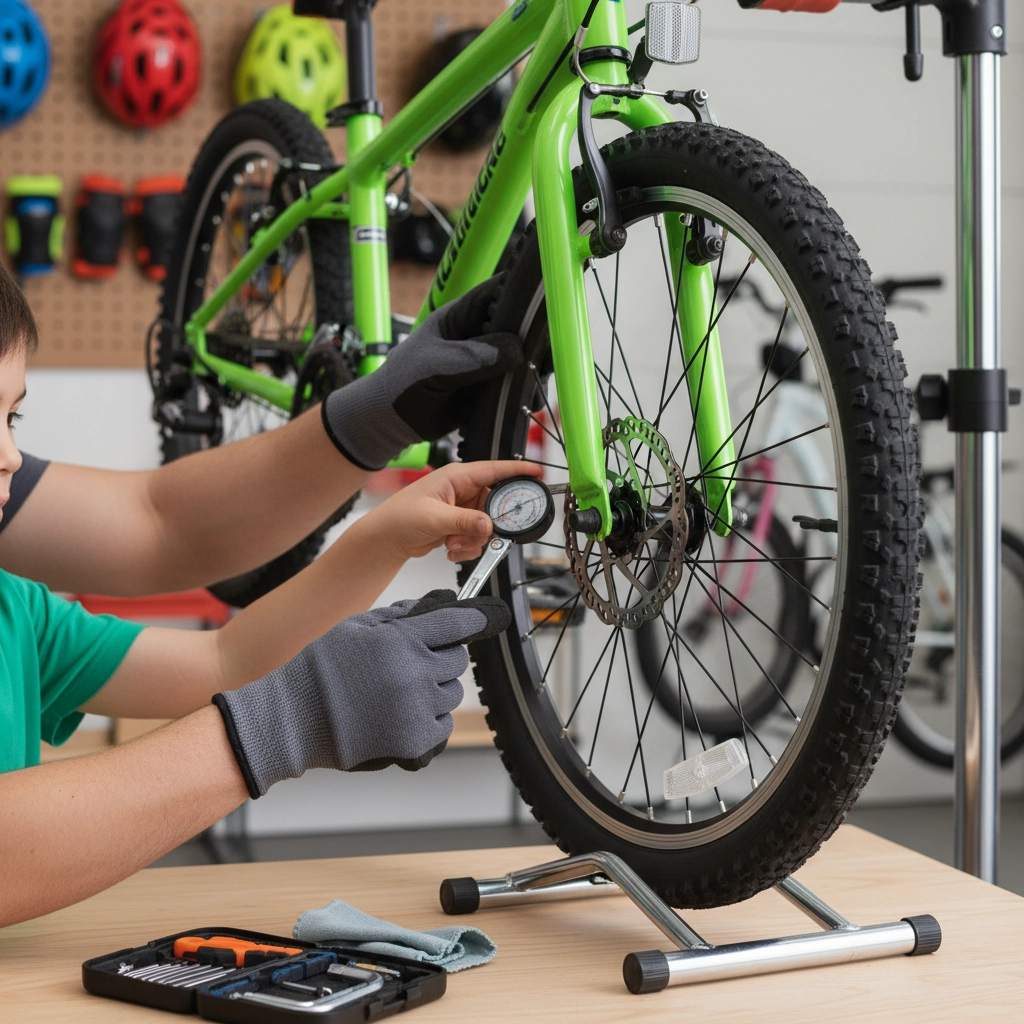
A well-maintained bike is a safe bike. Make it a habit to do a quick safety check before each ride:
The Pre-Ride Inspection Checklist
- Tires: Properly inflated and securely attached
- Brakes: Working smoothly and stopping the bike effectively
- Chain: Clean and moving freely
- Reflectors: Securely attached and clean
- Handlebars and seat: Tight and properly adjusted
Make this inspection a fun routine – maybe even give your child a little clipboard so they can check items off like a real mechanic!
Supervision and Teaching Moments
Age-Appropriate Supervision
Younger children should always have adult supervision when riding. As kids get older and more skilled, you can gradually give them more independence, but always within age-appropriate boundaries.
Leading by Example
Kids learn more from what we do than what we say. When you ride with your children:
- Always wear your helmet
- Follow traffic rules
- Point out potential hazards
- Explain your decision-making process ("I'm stopping here because I see a car backing out")
Making Safety Fun, Not Scary
The goal isn't to make kids afraid of riding – it's to help them develop good habits. Turn safety into games:
- Practice hand signals in a fun "Simon Says" style
- Create obstacle courses to practice bike handling
- Have "safety scavenger hunts" where kids spot different traffic signs
- Celebrate when they remember safety rules without being reminded
Building Confidence While Staying Safe
Remember, every child develops at their own pace. Some might be ready for independent neighborhood rides at 8, while others might need more time and practice. That's perfectly normal!
The key is building skills progressively:
- Start with balance and basic bike control
- Add in traffic awareness and rules
- Practice in increasingly challenging (but safe) environments
- Gradually increase independence as skills develop
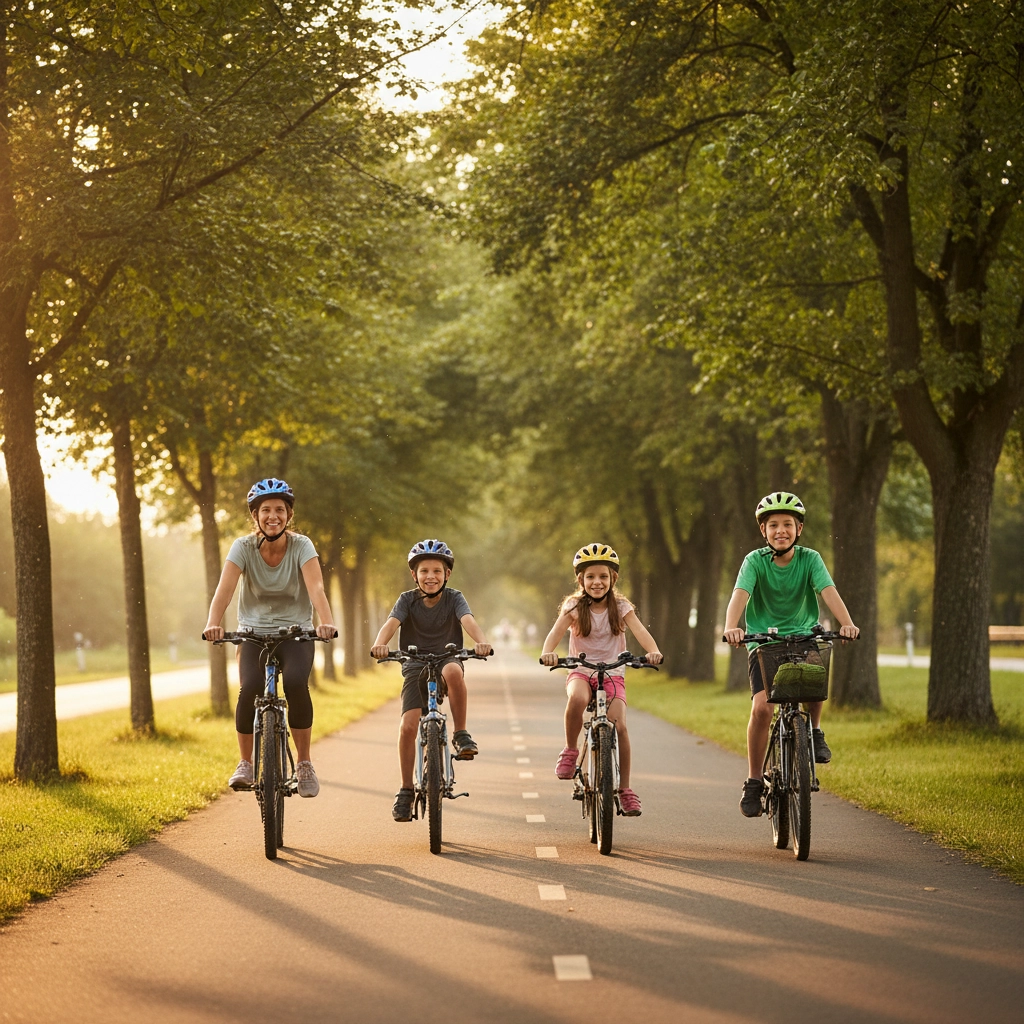
Bike riding should be one of childhood's great joys, not a source of anxiety for parents. With the right preparation, gear, and mindset, you can help your child develop a lifelong love of cycling while keeping them safe on every adventure.
Remember, the habits your child develops now will stay with them for life. By making safety a natural part of the riding experience – not an afterthought – you're giving them skills that will serve them well whether they're 7 or 70.
So gear up, set those rules, and get ready for some amazing adventures on two wheels. The open road (or bike path) awaits!


Comments
Post a Comment