How to Create a Mental Health Safety Program in 5 Minutes (Small Business Guide)
How to Create a Mental Health Safety Program in 5 Minutes (Small Business Guide)
Running a small business is tough enough without worrying about your team's mental health on top of everything else. But here's the thing – you don't need a massive HR department or a six-figure budget to create a mental health safety program that actually works.
In fact, you can get the basics up and running in just five minutes. Really.
Why Small Businesses Need Mental Health Programs (Spoiler: It's Not Just About Being Nice)
Before we dive into the how-to, let's talk about why this matters for your bottom line. When employees are struggling mentally, your business feels it immediately. Think increased sick days, higher turnover, more mistakes, and that general feeling that everyone's just going through the motions.

On the flip side, businesses with solid mental health support see their teams become more productive, creative, and loyal. Plus, you're protecting yourself legally – workplace mental health is increasingly recognized as a legitimate safety concern, just like making sure nobody slips on a wet floor.
The 5-Minute Foundation: Getting Started Right Now
Minute 1: The Quick Workplace Scan
Grab a notepad and take a fast walk through your workplace – physically or mentally if you're working remotely. Look for the obvious stress triggers:
- Is everyone constantly rushing to meet impossible deadlines?
- Are people eating lunch at their desks every single day?
- Do you hear raised voices or see tense conversations regularly?
- Are the same people always working late or weekends?
- Has anyone mentioned feeling overwhelmed lately?
Write down the top three things that jump out at you. These are your starting points.
Minute 2: Set Your Foundation Policies
You don't need a 50-page employee handbook. Just establish these basic ground rules:
Zero tolerance for workplace bullying or harassment. Period. Full stop. Make it clear that creating a hostile environment isn't just "having a bad day" – it's unacceptable.
Mental health concerns are treated like any other safety issue. If someone wouldn't come to work with a broken leg, they shouldn't have to come to work during a mental health crisis.
Open door policy for concerns. Whether it's about workload, interpersonal conflicts, or personal struggles affecting work, your team needs to know they can talk to you.
Minute 3: Create Simple Communication Channels
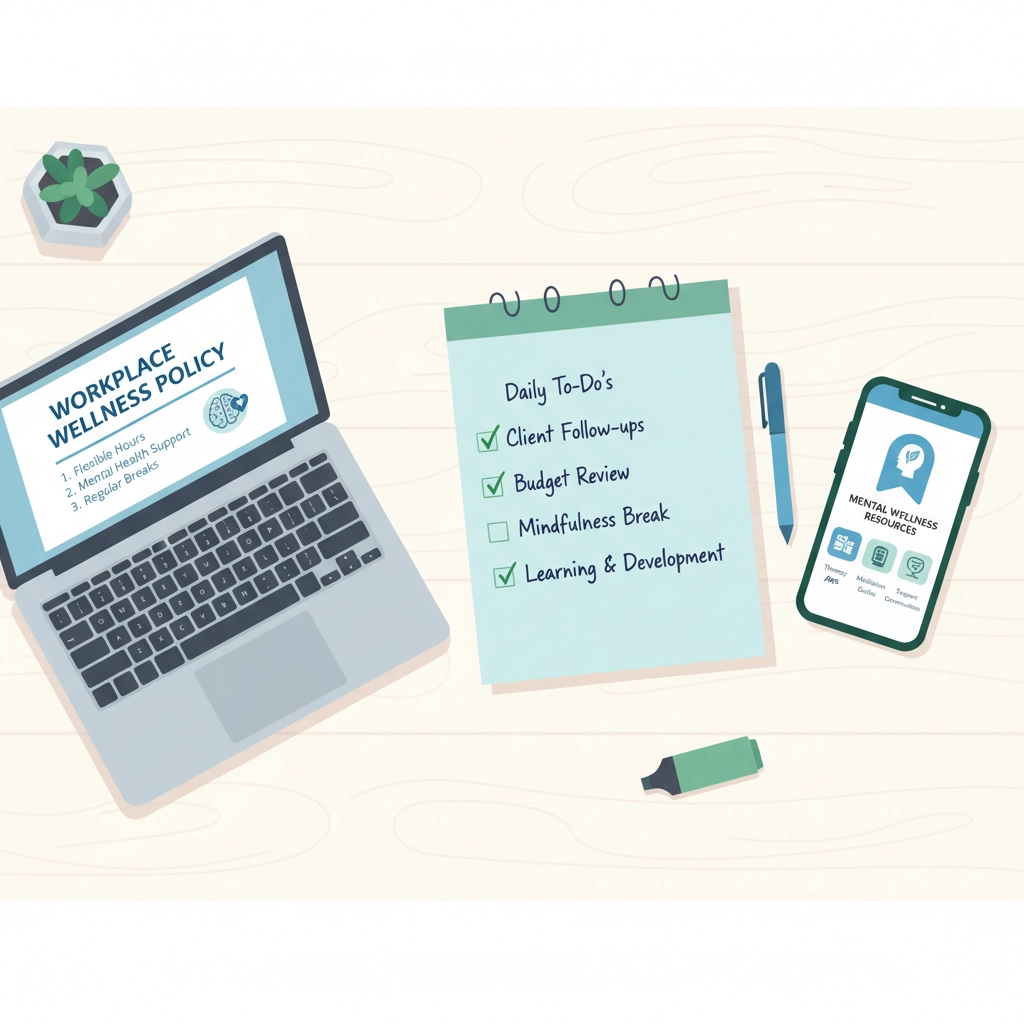
Most small business mental health problems stem from poor communication. Set up these basic channels:
- Weekly check-ins: Not formal performance reviews, just quick "How are you doing? Any concerns?" conversations
- Anonymous feedback option: This could be as simple as a suggestion box or a Google form
- Clear escalation path: Who do people talk to if they can't talk to you?
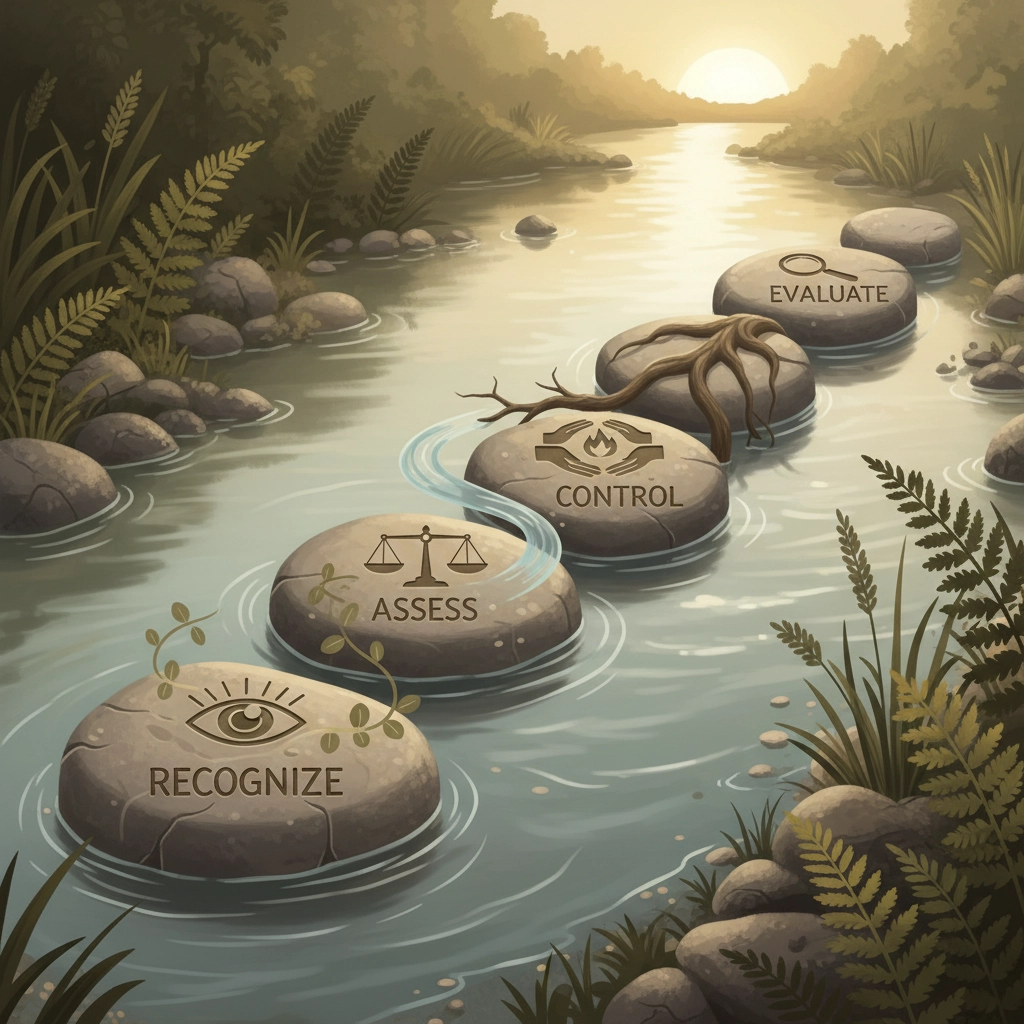
Minute 4: The RACE Method for Mental Health Hazards
Here's a simple framework that works for any size business:
Recognize the warning signs: Changes in behavior, increased absences, declining work quality, social withdrawal
Assess the severity: Is this a temporary rough patch or something that needs immediate attention?
Control the hazard: Adjust workloads, address conflicts, provide resources, or modify the work environment
Evaluate your response: Did your intervention help? What would you do differently next time?
Minute 5: Set Up Your Resource List
Don't try to be a therapist – you're a business owner. Create a simple list of resources your team can access:
- Employee Assistance Program contact info (if you have one)
- Local mental health services
- Crisis hotlines
- Your company's sick leave or mental health day policies

Beyond the Basics: Building on Your 5-Minute Foundation
Now that you've got the essentials covered, here are some easy expansions you can add over time:
Make Mental Health Part of Your Safety Culture
Just like you might have safety meetings about physical hazards, include mental health topics in your regular discussions. This could be as simple as mentioning stress management during team meetings or sharing articles about work-life balance.
Train Yourself and Key Team Members
You don't need to become a counselor, but learning to recognize signs of mental health struggles and knowing how to respond appropriately is incredibly valuable. Many organizations offer free or low-cost training specifically for small business owners.
Address the Big Stressors
Look at those notes you made during your workplace scan. Can you tackle any of those issues directly?
- Unrealistic deadlines: Build in buffer time or redistribute work
- Poor communication: Institute regular team meetings or project updates
- Unclear expectations: Write down job descriptions and performance standards
- Work-life balance issues: Consider flexible schedules or remote work options
Create Positive Mental Health Practices
Small gestures make a big difference:
- Encourage actual lunch breaks (maybe even provide lunch occasionally)
- Recognize good work publicly
- Be flexible when people need time off for personal issues
- Create spaces for casual interaction and relationship building
When to Get Professional Help
Your five-minute program is great for prevention and early intervention, but sometimes you need to bring in the pros. Consider professional mental health resources when:
- An employee expresses thoughts of self-harm
- Mental health issues are significantly impacting work performance despite your interventions
- You're dealing with complex interpersonal conflicts
- Someone is experiencing symptoms of severe depression, anxiety, or other mental health conditions
The Small Business Advantage
Here's something bigger companies with their fancy wellness programs can't replicate: you actually know your people. You can spot changes in behavior, have real conversations, and make quick decisions to help someone who's struggling.
Use that advantage. The personal touch you can provide often matters more than expensive programs or elaborate policies.

Making It Stick
The biggest mistake small businesses make with mental health programs? Starting strong and then forgetting about it when things get busy.
Set a reminder to review your mental health initiatives monthly. Ask yourself:
- Are people actually using the resources I've provided?
- What new stressors have emerged in the workplace?
- How can I improve communication and support?
Remember, this isn't about creating a perfect, stress-free workplace (that doesn't exist). It's about building resilience, supporting your team when they need it, and creating an environment where people can do their best work.
The Bottom Line
Creating a mental health safety program doesn't require a psychology degree or a massive budget. It requires paying attention to your people, being proactive about common workplace stressors, and having systems in place to address problems before they become crises.
Start with your five-minute foundation today. Your team – and your business – will thank you for it.


Comments
Post a Comment