Holiday Food Safety Hacks: Don't Let Your Feast Turn into a Fiasco!
Holiday Food Safety Hacks: Don't Let Your Feast Turn into a Fiasco!
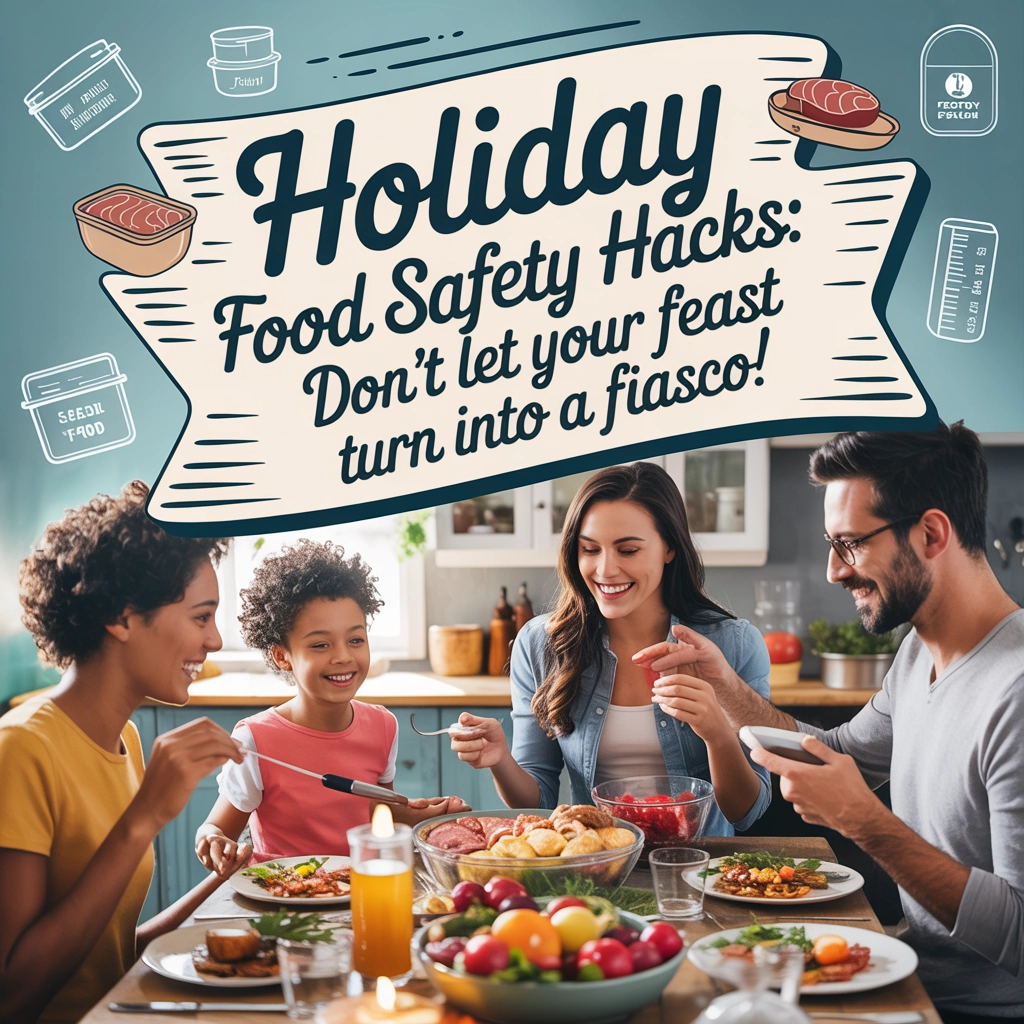
Picture this: You've spent hours preparing the perfect holiday feast. The turkey is golden, the sides are steaming, and everyone's gathered around your table. Then... someone gets food poisoning. Yikes! 😬
Don't worry – we've got your back. Holiday food safety doesn't have to be scary or boring. With these simple hacks, you can keep your feast fabulous and your family healthy!
Why Holiday Food Safety Matters More Than You Think
Here's a fun fact that's not so fun: foodborne illnesses spike during the holidays. We're talking about 1 in 6 Americans getting sick from contaminated food every year, and November through December are prime time for food disasters.
Why? Think about it – we're cooking way more food than usual, our kitchens are packed with extra helpers (hi, Aunt Susan!), and we're often trying new recipes under pressure. It's like a perfect storm for food safety slip-ups.
But here's the good news: most food poisoning is totally preventable with a few simple tricks that anyone can master!
The "Clean Team" Rules: Your First Line of Defense
Hand Washing Champions
Okay, let's start with the obvious one that everyone "knows" but half of us mess up: washing hands. We're not talking about a quick rinse under cold water (sorry, that doesn't count!).
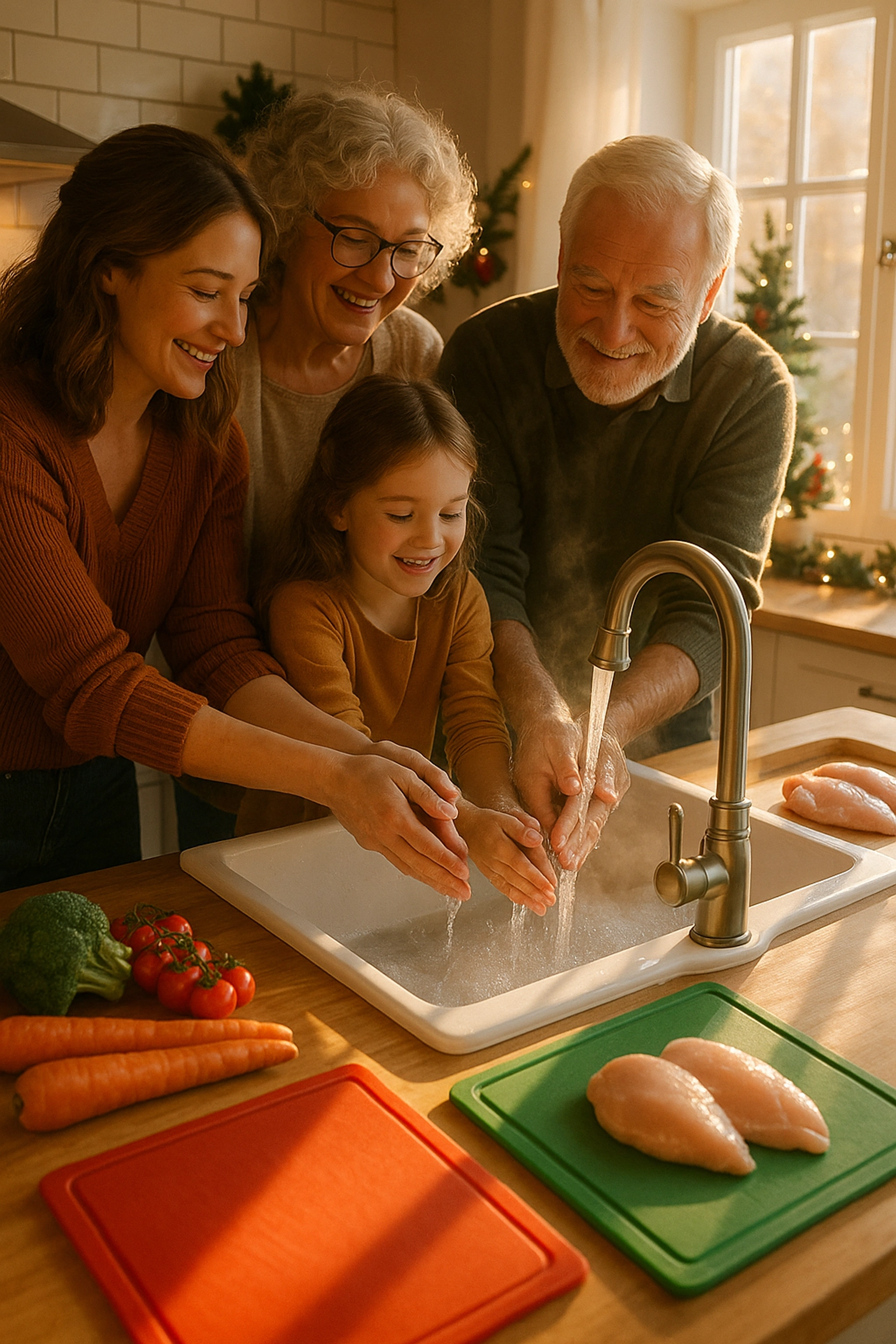
Here's the magic formula: warm water + soap + 20 seconds of scrubbing. That's about as long as it takes to sing "Happy Birthday" twice. Make it fun for kids by letting them pick their favorite 20-second song!
When to Wash:
- Before you start cooking (obviously!)
- After touching raw meat, poultry, or eggs
- After using the bathroom (we hope this one's obvious too!)
- After sneezing, coughing, or blowing your nose
- After touching pets
- Between handling different foods
Surface Superstars
Your countertops, cutting boards, and utensils need love too. Hot, soapy water is your best friend here. Pro tip: keep a spray bottle with diluted bleach solution handy for quick sanitizing between tasks.
The "Separate but Equal" Strategy
Cross-contamination sounds fancy, but it's really just bacteria hitchhiking from one food to another. Here's how to stop those unwanted passengers:
The Two-Board Rule
Use separate cutting boards for raw meat and everything else. Can't afford two boards? Use one side for meat, flip it for veggies, and wash thoroughly between uses.
Color-Coding for the Win
Some families use red cutting boards for meat and green for vegetables. It's like a traffic light system that even kids can remember!
Plate Swapping
Never put cooked food back on the same plate that held raw meat. That's like inviting germs to your dinner party. Not cool.
Temperature Talk: Getting It Just Right
Here's where things get scientific, but we'll keep it simple. Bacteria hate extreme temperatures – they can't survive the heat, and they go dormant in the cold.
The Thermometer is Your Friend
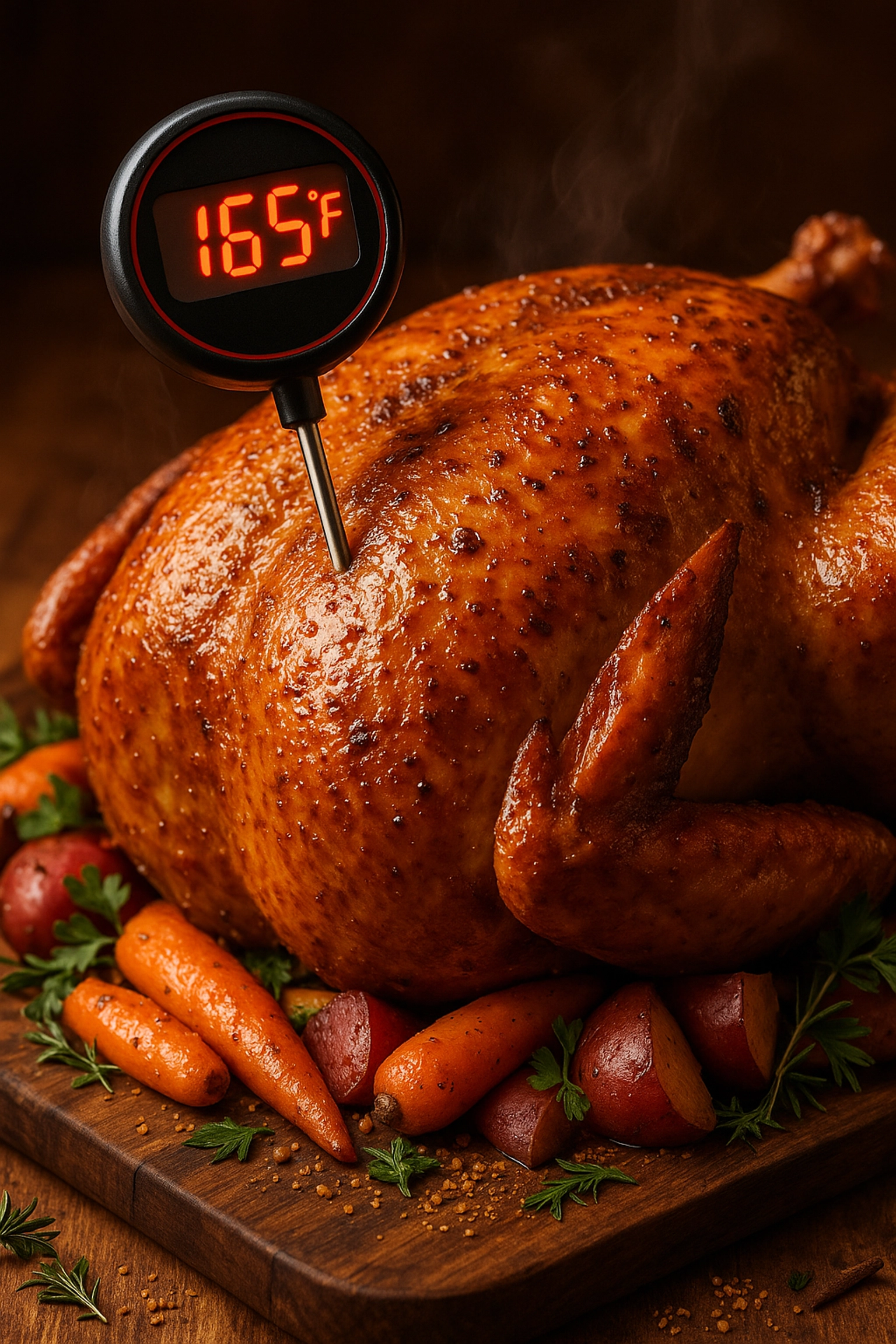
Forget the "poke and hope" method or trying to tell if meat is done by looking at it. Food thermometers are cheap, easy to use, and way more reliable than guessing.
Safe Internal Temperatures:
- Turkey and chicken: 165°F (that's hot enough to kill bacteria but not so hot it turns into shoe leather)
- Ground beef and pork: 160°F
- Fish: 145°F
- Leftovers being reheated: 165°F
The Danger Zone
Between 40°F and 140°F is what food safety experts call the "danger zone." It's like a bacteria vacation resort – they love hanging out and multiplying in this temperature range.
Storage Smarts: Keeping the Good Times Going
The Two-Hour Rule
Food shouldn't sit out at room temperature for more than two hours. If it's hot outside (over 90°F), that drops to one hour. Set a timer on your phone – seriously, it helps!
Leftover Logic
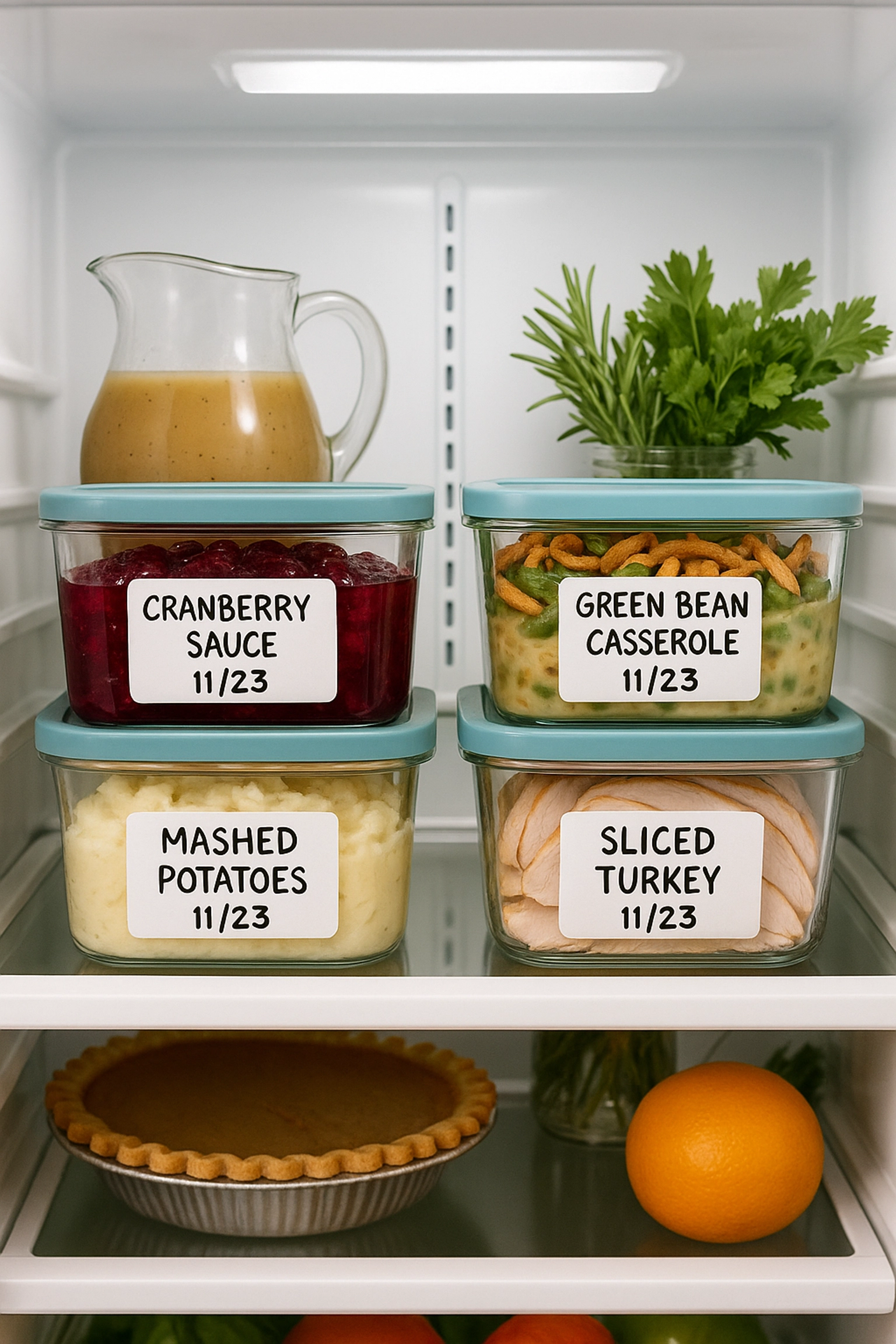
Nobody wants to throw away Grandma's famous stuffing, but leftovers are only safe in the fridge for 3-4 days. After that, it's bacteria city.
Freezer Facts
Most leftovers can be frozen for 2-3 months. Label everything with dates – future you will thank current you when you're wondering if that mystery container is from this Thanksgiving or last year's.
Common Holiday Mistakes (And How to Avoid Them!)
Mistake #1: Thawing Turkey on the Counter
We get it – you forgot to move the turkey to the fridge and now it's Thanksgiving morning. But thawing at room temperature is a bacteria bonanza. Instead, use cold water (change it every 30 minutes) or the microwave's defrost setting.
Mistake #2: Stuffing the Bird
Stuffing inside the turkey often doesn't reach safe temperatures. Cook it separately – it's actually easier and tastes better!
Mistake #3: Tasting Raw Cookie Dough
Sorry to be the fun police, but raw eggs can carry salmonella. Make cookie dough specifically for eating raw (without eggs) if you want to satisfy those cravings safely.
Mistake #4: Overcrowding the Fridge
Air needs to circulate to keep things cold. Don't pack your fridge like a game of Tetris.
Making Food Safety Fun for the Whole Family
Kitchen Safety Games
- "Thermometer Challenge": Let kids guess temperatures before you check
- "Timer Races": See who can wash hands for exactly 20 seconds
- "Color Code Champions": Kids love organizing by the cutting board color system
Teaching Moments
Turn food prep into mini science lessons. Explain why we wash hands (getting rid of invisible germs) or why we cook food to certain temperatures (killing bacteria).
When Things Go Wrong: Red Flags to Watch For
Sometimes despite our best efforts, things happen. Here's when to be extra cautious:
Trust Your Nose
If something smells "off," don't taste it to confirm. When in doubt, throw it out.
Texture Changes
Slimy meat, mushy vegetables, or anything that feels different than it should are warning signs.
Temperature Abuse
If food has been sitting out too long or the fridge lost power, err on the side of caution.
Quick Reference: Your Holiday Food Safety Cheat Sheet
Keep this handy during holiday cooking:
✅ Wash hands for 20 seconds
✅ Use separate cutting boards
✅ Cook to proper temperatures
✅ Refrigerate within 2 hours
✅ Use leftovers within 3-4 days
✅ When in doubt, throw it out
The Bottom Line
Holiday food safety isn't about being paranoid or taking the fun out of cooking. It's about simple habits that keep everyone healthy so you can focus on what really matters – making memories with the people you love.
Remember, a little prevention goes a long way. Your guests will never know about the food safety measures you took, but they'll definitely remember feeling great after your amazing meal.
So this holiday season, be the host with the most – the most delicious AND the safest feast around! Your future self (and your guests' stomachs) will thank you.
Happy cooking, and here's to holidays filled with joy, laughter, and zero food poisoning stories! 🎉


Comments
Post a Comment