School Safety Basics for Every Parent
School Safety Basics for Every Parent
As parents, we all want our kids to feel confident and secure when they head off to school each day. But let's be honest: there's a lot to think about when it comes to keeping our children safe. From the moment they leave home until they return, there are multiple layers of safety to consider. The good news? Most of these safety measures are simple, practical steps that become second nature with a little practice.
Start with the Basics: Information Every Child Should Know
Before your child even steps foot on school grounds, they need to have some essential information locked in their memory. Think of it as their personal safety toolkit: information that could be a lifesaver in an emergency.
Your child should know their full name, home address, and at least two phone numbers by heart. That means your cell phone, a work number, or a trusted relative's number. They should also know how to dial 911 and understand when it's appropriate to use it. It might seem obvious to us adults, but children need to be taught that 911 is for real emergencies: not for when they can't find their homework or when they're upset about something.
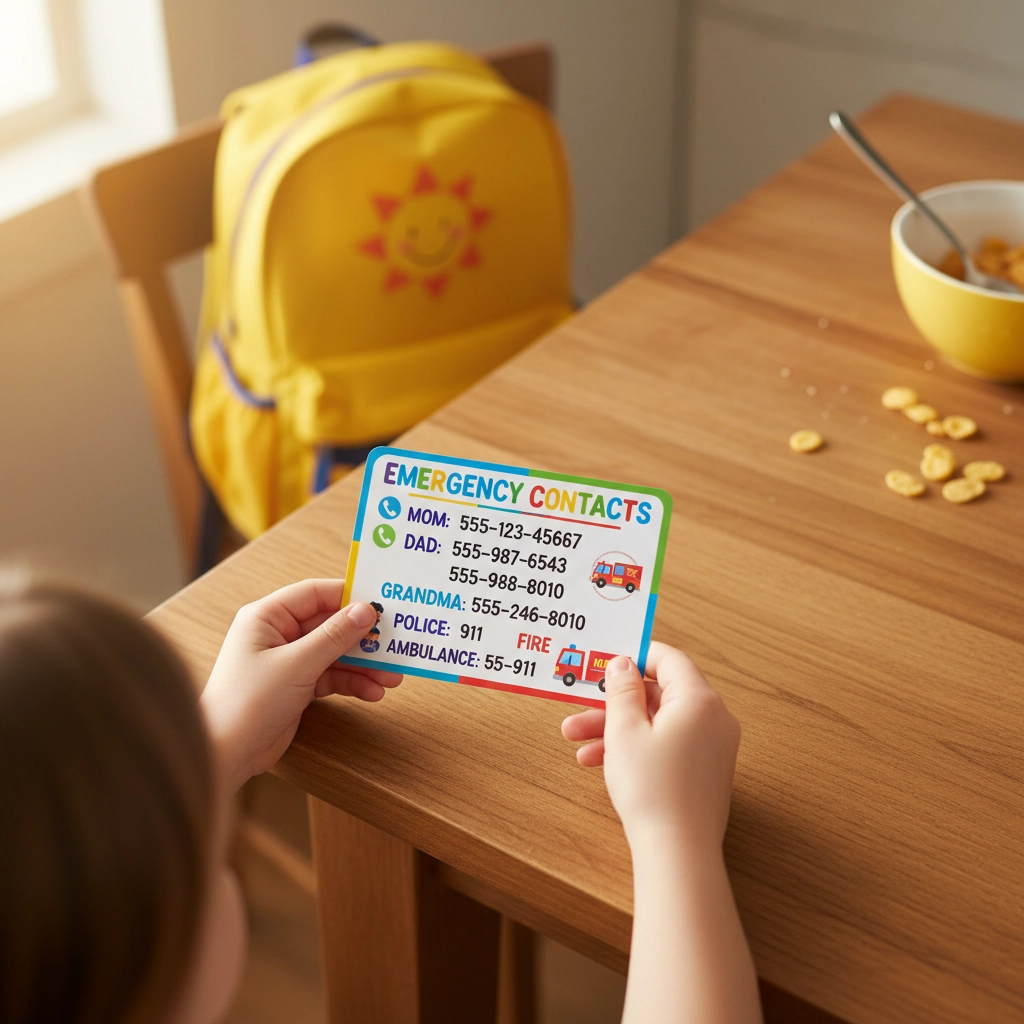
Consider creating a laminated safety card for your child to carry. Include their name, address, emergency contacts, and any important medical information like allergies or conditions. Keep this card in their backpack or lunchbox: somewhere they can easily access it but won't lose it during regular play.
Transportation Safety: Getting There Safely
The School Bus Experience
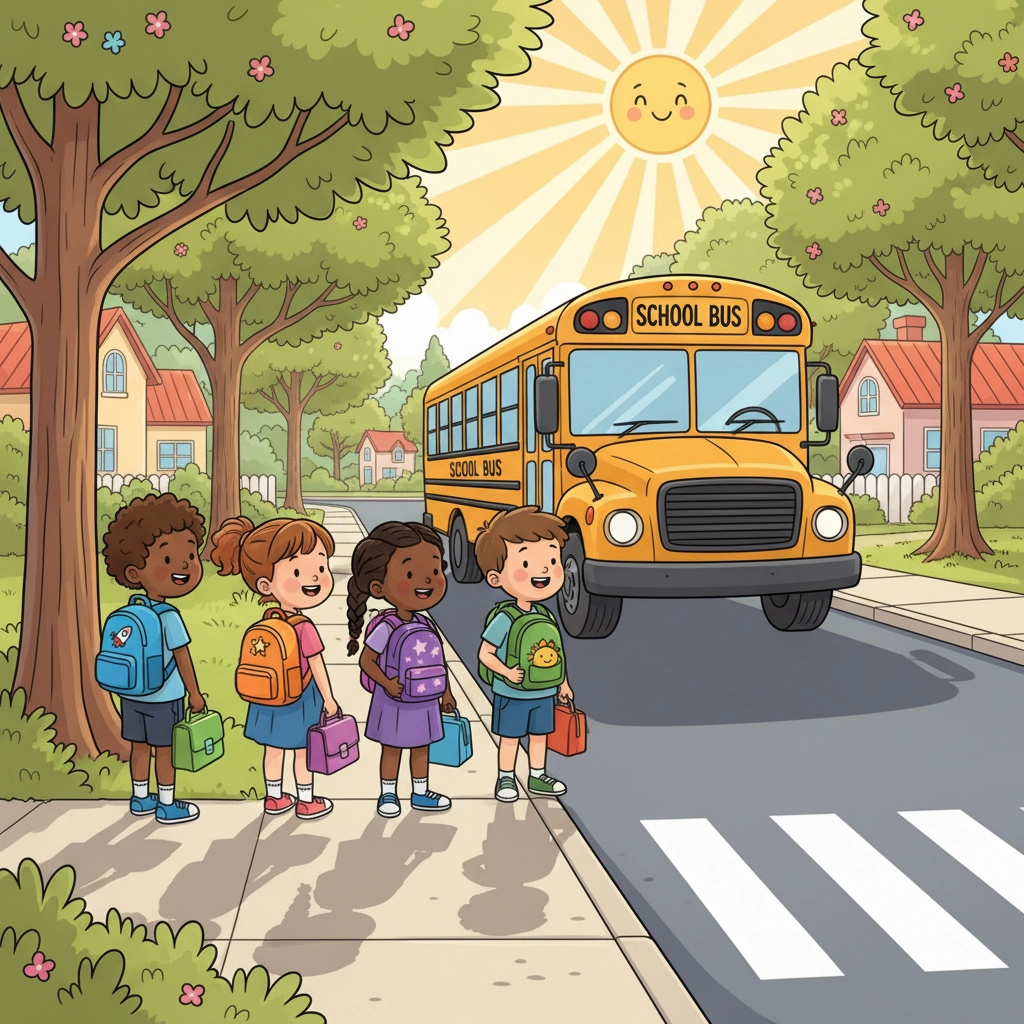
If your child rides the school bus, you're already choosing one of the safest ways for them to get to school. But there are still important habits to establish. Arrive at the bus stop at least five minutes early: rushing leads to accidents, and nobody wants to start the day with stress.
Teach your child to wait at least six feet back from the curb. This creates a safe zone where they're visible to the bus driver and protected from any vehicles that might pass by. When the bus arrives, wait until it comes to a complete stop and the door opens before approaching.
The trickiest part of bus safety often happens after school when kids need to cross the street. If your child needs to cross, they should walk at least ten feet in front of the bus, make eye contact with the driver, and wait for the driver's signal before crossing. This ensures the driver can see them clearly and that other traffic knows to stop.
Walking and Biking Adventures
For kids who walk to school, the route is everything. Walk it together during daylight hours and point out potential hazards: busy intersections, construction zones, or places where visibility might be limited. If there are sidewalks, use them. If not, walk facing traffic on the left side of the road so you can see oncoming vehicles.
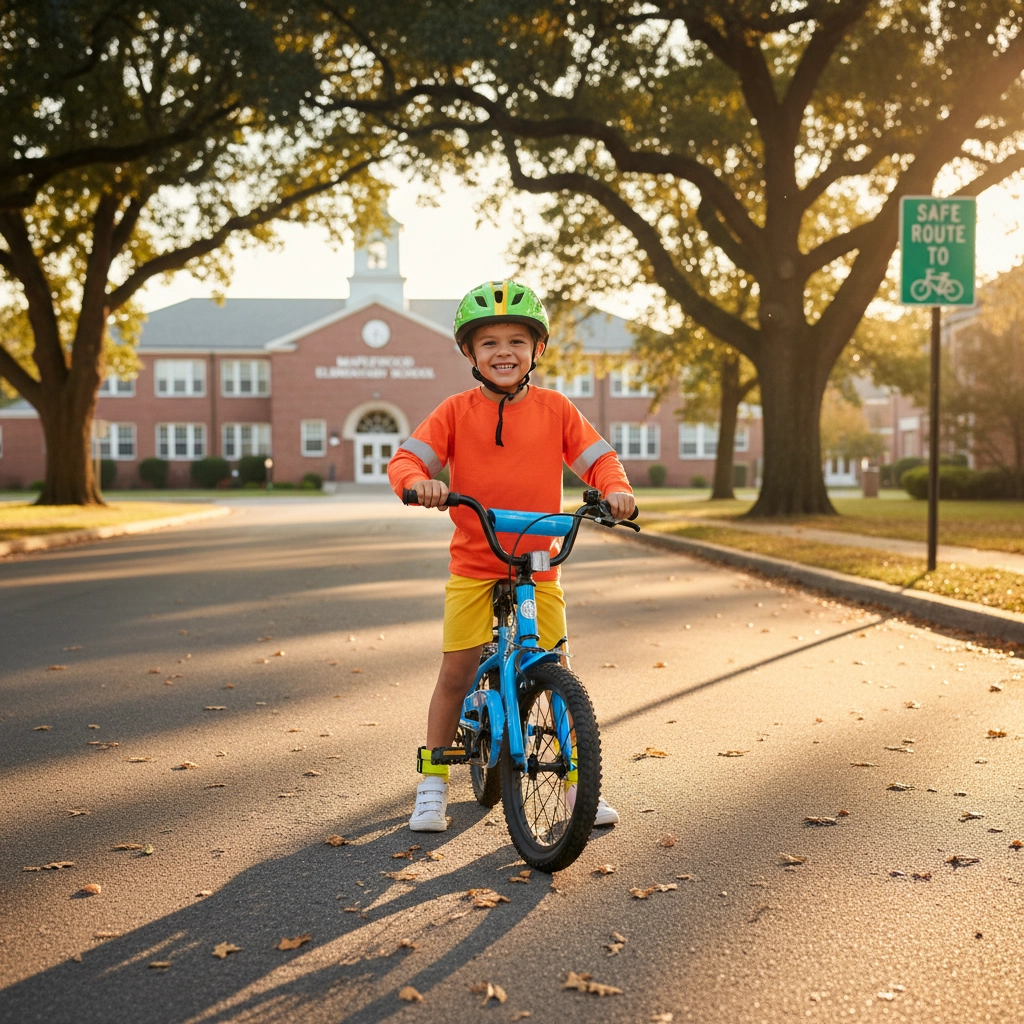
Biking to school can be a fun way to start the day, but safety gear is non-negotiable. A properly fitted helmet is essential: it can dramatically reduce the risk of serious head injury. Make sure your child understands basic traffic rules like stopping at intersections, using hand signals, and riding with traffic, not against it.
Visibility is key for both walkers and bikers. Bright clothing, reflective strips on backpacks, and even small flashing lights can make your child visible to drivers from much further away, especially during those darker months of the school year.
Understanding Your School's Security Measures
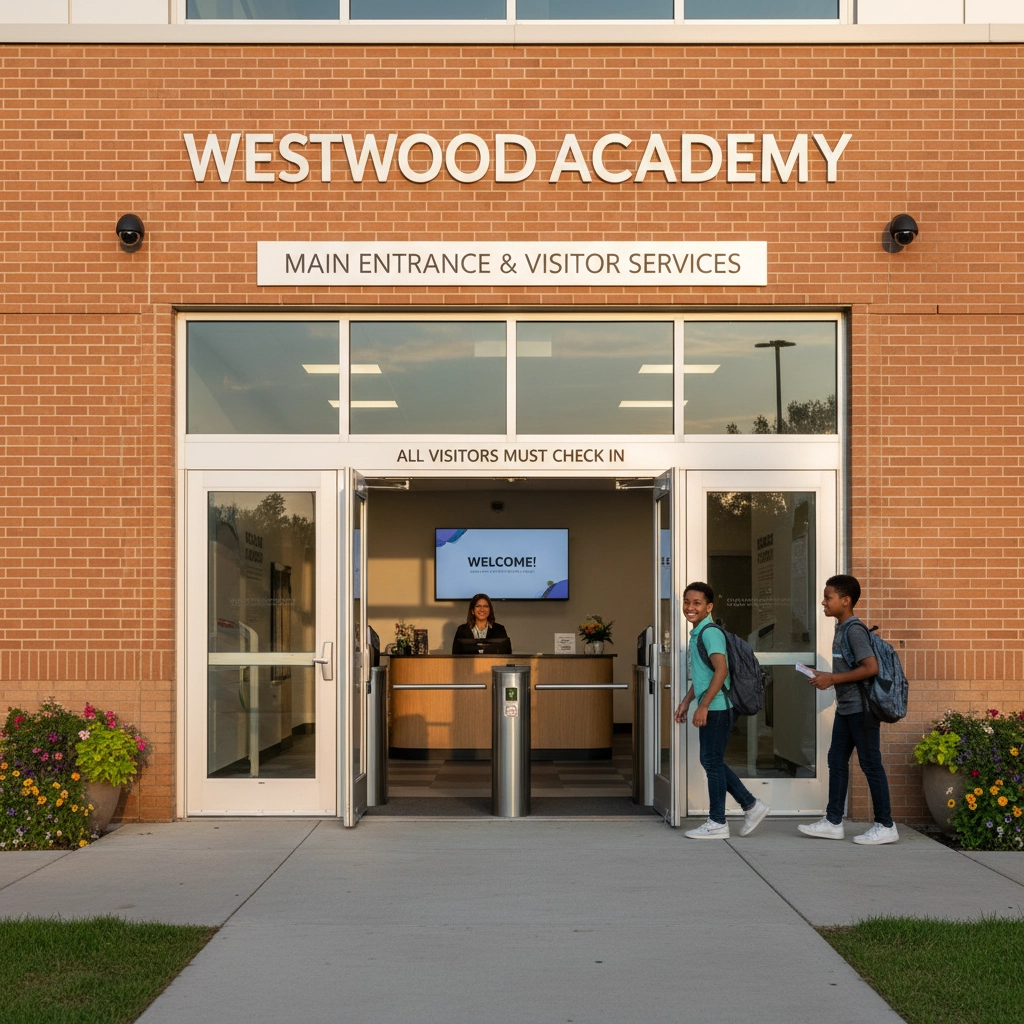
Today's schools take security seriously, and it's helpful to understand what measures are in place. Most schools keep all doors locked during the school day, with visitors required to check in through a main entrance. This might seem inconvenient when you need to drop off a forgotten lunch, but it's an important layer of protection.
Many schools have emergency plans for various situations: fires, severe weather, and other potential threats. Some schools also have resource officers or work closely with local law enforcement. While we hope these measures are never needed, it's reassuring to know they exist.
Schools often use security cameras in common areas and may have anonymous reporting systems where students can report bullying, threats, or other concerning behavior. Understanding these systems helps you know what resources are available if your child ever needs them.
Emergency Preparedness at Home and School
Creating Your Family Emergency Plan
Kids feel more secure when they know what to do in different situations. Establish a primary meeting place and a backup location in case something happens at school. This could be a specific part of the school grounds or a trusted neighbor's house nearby.
Talk through different scenarios without creating fear. What should they do if there's a fire drill? What if they feel sick at school? What if they miss the bus? Having plans for these situations helps children feel prepared rather than worried.
Keeping Communication Open
This might be the most important safety tool of all: maintaining open communication with your child. Encourage them to share any concerns about school, friends, or anything that makes them feel uncomfortable. When children know they can talk to you about anything without getting in trouble, they're more likely to come to you when something's wrong.
Ask specific questions about their day. Instead of "How was school?" try "Who did you sit with at lunch?" or "What was the best part of your day?" These questions open up conversations that might reveal important information about your child's social interactions and overall well-being.
Navigating Social Safety
Addressing Bullying and Peer Pressure
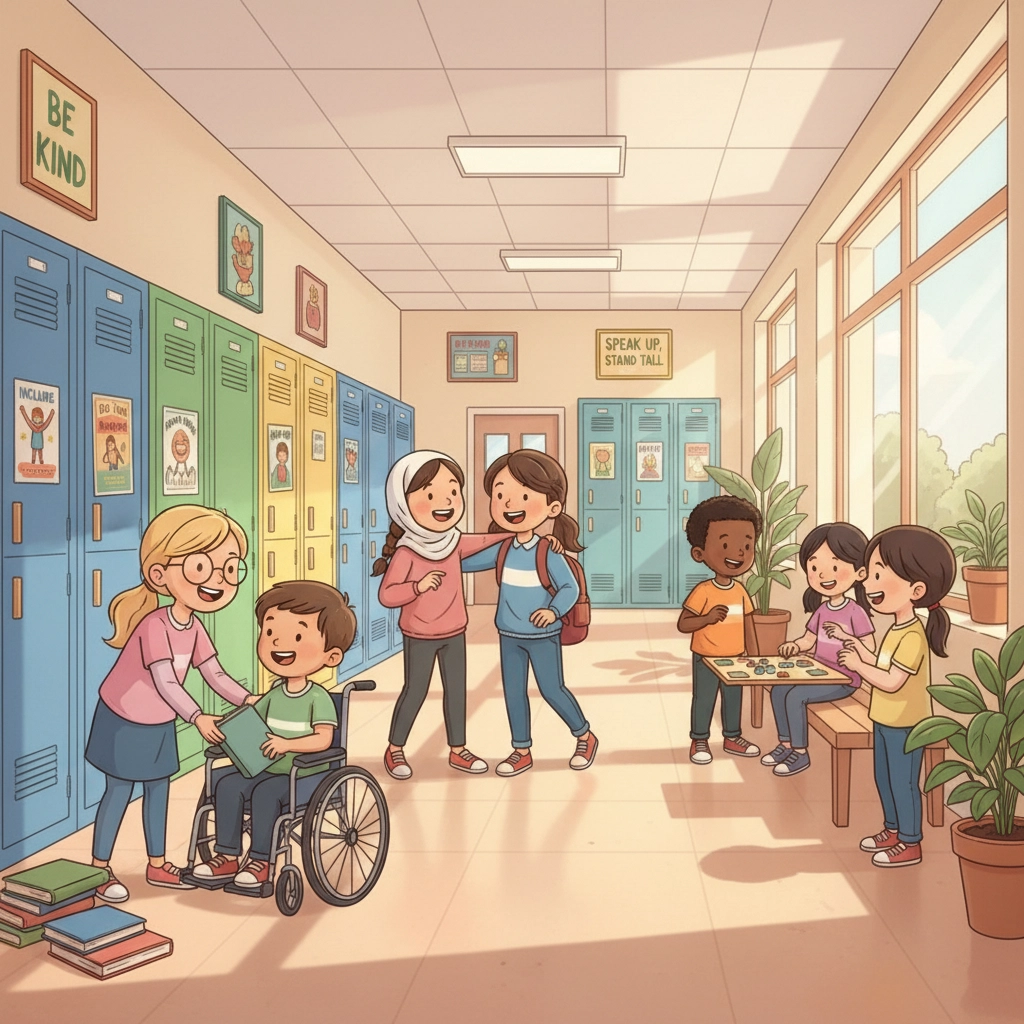
Bullying isn't always the dramatic scenes we see in movies: it can be subtle exclusion, name-calling, or pressure to do things your child isn't comfortable with. Talk to your kids about what bullying looks like and make sure they know they can come to you if they experience or witness it.
Give your child practical strategies for dealing with difficult social situations. Sometimes walking away is the best option. Other times, they might need to speak up firmly but calmly. Role-playing these scenarios at home can help them feel more confident if they ever need to use these skills.
Stranger Safety in the Modern World
The "stranger danger" conversation has evolved, but it's still important. Teach your child that they should never go anywhere with someone they don't know, even if that person seems nice or claims to know you. Create a family password: a special word that only family members know. If someone ever needs to pick up your child unexpectedly, they should know the password.
Technology and Communication Safety
In our digital age, many children have cell phones or other devices. If your child has a phone, make sure they know how to use it in emergencies and understand your family's rules about when and how to use it. Some schools have specific policies about phone use, so make sure your child understands both home and school expectations.
Consider using location-sharing apps that let you know when your child arrives safely at school, but also respect their growing need for independence as they get older.
Building Confidence, Not Fear
The goal of all these safety measures isn't to make children fearful: it's to make them confident and prepared. When kids understand safety rules and know what to do in different situations, they can focus on learning, making friends, and enjoying their school experience.
Remember that safety is a team effort between parents, schools, and children themselves. By working together and maintaining open communication, we create the best possible environment for our kids to learn and grow safely.
Most importantly, trust your instincts as a parent. If something doesn't feel right, investigate. Your child's safety is worth any awkward conversation or extra effort it might take to address concerns.
School should be a place where children feel secure enough to take on new challenges, make mistakes, and discover their potential. With these basic safety measures in place, you're giving your child the foundation they need to do exactly that.


Comments
Post a Comment