7 Mistakes You're Making with Small Business Safety in 2025 (and How to Fix Them)
7 Mistakes You're Making with Small Business Safety in 2025 (and How to Fix Them)
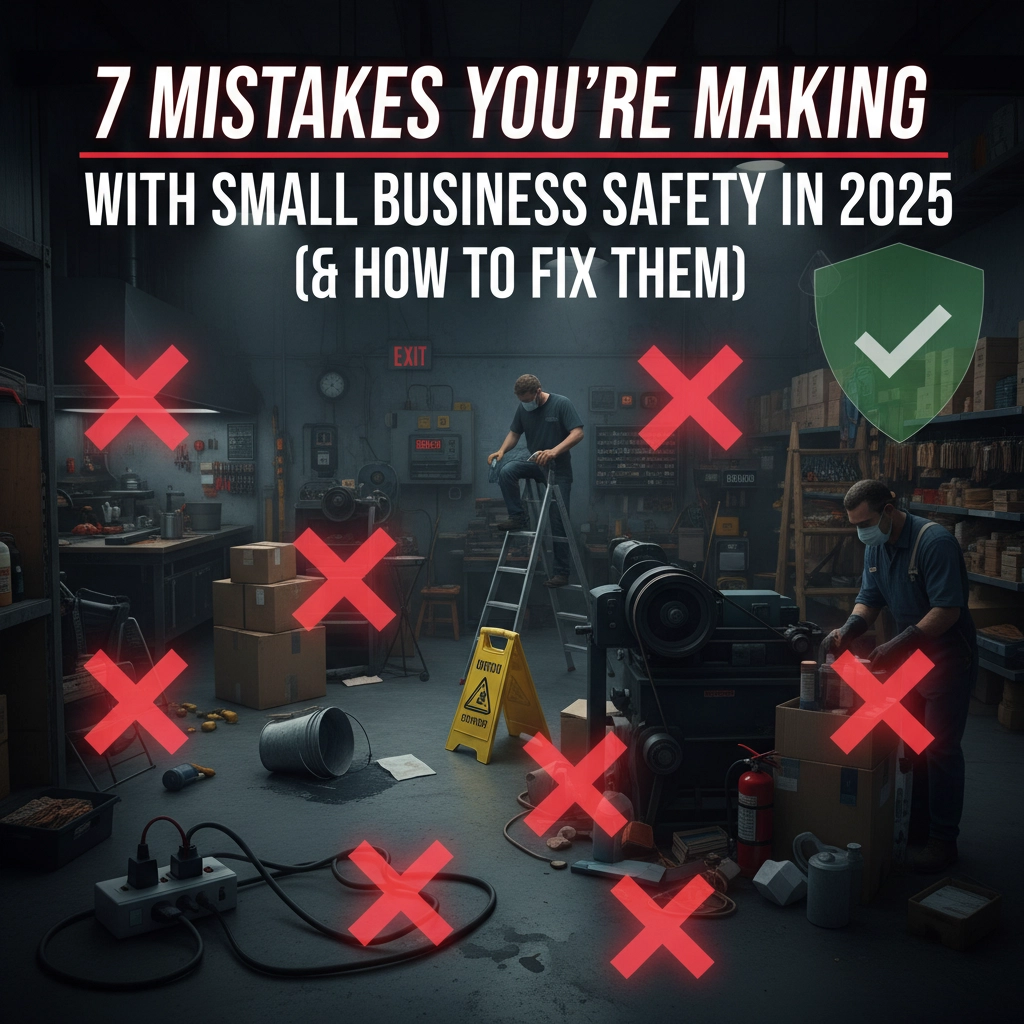
Running a small business in 2025 comes with its fair share of challenges, but workplace safety shouldn't be one of them. Yet here's the surprising truth: despite 91% of small business owners feeling confident about maintaining a safe work environment, many are still making critical mistakes that could cost them thousands of dollars and put their teams at risk.
Don't worry – we're not here to point fingers or make you feel bad. Instead, let's dive into the most common safety slip-ups and, more importantly, how to fix them without breaking the bank or overwhelming your already busy schedule.
Mistake #1: Playing Safety Whack-a-Mole (Reactive Instead of Proactive)
Picture this: You're rushing to meet a deadline when suddenly – CRASH! Someone trips over that loose floorboard you've been meaning to fix. Sound familiar? Many small business owners only address safety issues after accidents happen, treating workplace safety like a game of whack-a-mole.
This reactive approach isn't just stressful – it's expensive. The average cost of a medically consulted workplace injury is more than $43,000. That's enough to buy a decent car or fund a solid marketing campaign!
The Fix: Make prevention part of your daily routine. Start each day with a quick 5-minute safety walkthrough. Check for obvious hazards like spills, loose cables, or blocked exits. Create a simple checklist and rotate this responsibility among team members. When safety becomes as routine as checking your email, accidents become the exception rather than the rule.

Mistake #2: Letting Team Members Vote "No" on Safety
Here's a statistic that might surprise you: 42% of small business owners cite employee resistance as their biggest barrier to implementing safety improvements. When deadlines are tight and pressure is high, safety procedures often get labeled as "nice to have" rather than "must have."
We get it – nobody wants to be the safety police, especially when you're trying to maintain a friendly, productive workplace culture.
The Fix: Focus on building habits rather than enforcing rules. Explain the real costs of workplace injuries – not just the financial impact, but how accidents affect everyone's job security and team dynamics. Make safety about protecting each other, not following arbitrary rules. When your team understands that safety protocols exist to keep their paychecks steady and their coworkers healthy, resistance tends to melt away.
Mistake #3: Thinking Safety Upgrades Require a Fortune
Many small business owners avoid necessary safety improvements because they assume it requires a massive investment or time-consuming overhaul. The truth? Most preventable injuries stem from surprisingly simple problems: poor lighting, worn flooring, missing personal protective equipment, or outdated procedures.
The Fix: Start small and strategic. You don't need a six-figure budget to make a big difference. Replace burned-out light bulbs, add non-slip mats to wet areas, invest in basic PPE, and update procedures that haven't been reviewed since the Obama administration. These small, intentional improvements can prevent accidents that cost exponentially more than the preventive measures themselves.

Mistake #4: Winging It on Safety Training
Many small businesses operate with informal safety training – you know, the "watch how Sarah does it" approach. While this might work for learning how to use the coffee machine, it's not sufficient for workplace safety protocols.
The Fix: Create simple, documented safety procedures that new employees can follow. You don't need a 100-page manual – just clear, step-by-step instructions for common tasks and emergency situations. Update these protocols regularly and ensure all staff members know how to access safety databases and documentation that might be required during inspections. Train your team to spot and report potential hazards before they become problems.
Mistake #5: Playing Russian Roulette with Business Insurance
Here's a scary thought: many small businesses operate without adequate business insurance, essentially gambling their entire operation on nothing going wrong. Business insurance isn't just about protecting your stuff – it's about protecting your business from lawsuits, liability claims, and other financial disasters that could shut you down overnight.
The Fix: Follow the Small Business Administration's four-step approach: assess your risks, find a reputable licensed agent, shop around for coverage, and re-assess your insurance needs annually. Consider property insurance, liability insurance, and an umbrella policy for extended protection. Yes, insurance costs money, but losing everything costs more.

Mistake #6: Missing Out on OSHA Small Business Benefits
This one's particularly frustrating because it's money left on the table. Small businesses with 25 or fewer employees qualify for a 70% penalty reduction on OSHA fines, but many don't properly track their employee count or don't know about this benefit.
The Fix: Keep accurate records of your total headcount across all locations nationwide. If you're hovering around the 25-employee threshold, track staffing changes throughout the year to maintain your qualification status. This simple bookkeeping can save you thousands if an OSHA inspection doesn't go perfectly.
Mistake #7: The "Set It and Forget It" Safety Approach
Many small businesses create basic safety procedures and then never look at them again. It's like buying a gym membership and expecting to get fit without actually going to the gym. Regular safety audits help you catch problems before OSHA inspectors do – and that's always preferable.
The Fix: Implement monthly safety reviews. Walk through your workplace with fresh eyes, looking for new hazards or old problems that have crept back. Review your inspection history for two important reasons: a clean record over the past five years may qualify you for an additional 20% penalty reduction, and it helps you identify patterns or recurring issues. Document your safety efforts to demonstrate your commitment during any future inspections.

The Bottom Line: Prevention Pays
Here's the thing about workplace safety – it's not just about avoiding fines or preventing accidents (though those are great side effects). It's about creating a workplace where people feel valued and protected, where productivity flows naturally, and where you can sleep peacefully knowing you've done right by your team.
The cost of being proactive is always less than the cost of being reactive. Those $43,000+ workplace injury bills? They're completely preventable with the right approach. OSHA fines, insurance claims, lost productivity, employee turnover – all of these costs pale in comparison to investing in simple, consistent safety practices.
Remember, you don't have to be perfect overnight. Pick one or two of these areas where you know you could improve, make those changes, then move on to the next ones. Small, consistent improvements create big results over time.
Your future self (and your bank account) will thank you for taking action today. After all, the best time to fix your roof is when the sun is shining – and the best time to improve workplace safety is before you need it.
Ready for More Small Business Safety Content?
Here are 5 more small business safety topics I can create for you:
- Emergency Preparedness for Small Businesses: Your 30-Day Action Plan
- Cybersecurity Mistakes That Could Tank Your Small Business (And How to Fix Them in 2025)
- The Small Business Owner's Guide to Mental Health Safety in the Workplace
- Remote Work Safety: 8 Hidden Dangers Your Employees Face at Home
- Fire Safety for Small Businesses: Beyond the Basic Exit Sign
Which topic should I tackle next?


Comments
Post a Comment