Holiday Kitchen Safety: Cooking, Baking, and Fire Prevention for All Ages
Holiday Kitchen Safety: Cooking, Baking, and Fire Prevention for All Ages
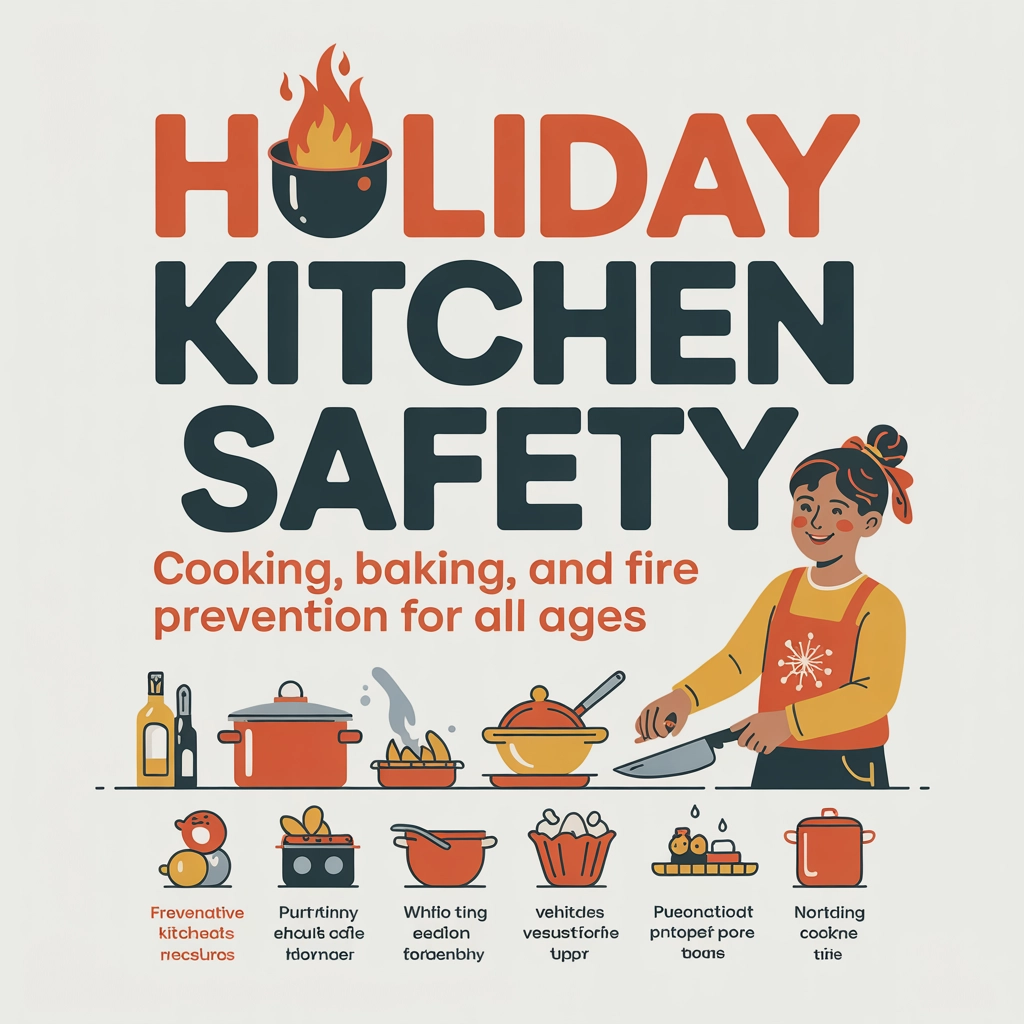
The holidays are here, and that means it's time to turn your kitchen into a culinary wonderland! But before you start whipping up Grandma's famous stuffing or attempting that Pinterest-perfect pumpkin pie, let's talk about keeping everyone safe while creating those delicious memories.
Holiday cooking fires account for 30% of all home fires, making your festive kitchen both the heart of celebration and a potential danger zone. Don't worry though, with some simple safety steps, you can cook up a storm without any actual storms (or flames where they shouldn't be).
The Golden Rule: Never Leave Your Post!
Think of yourself as the captain of your kitchen ship. A good captain never abandons their vessel, especially when the stove is on. Whether you're frying up crispy bacon, grilling turkey burgers, or broiling that perfect ham glaze, stay put. Your kitchen needs a watchful eye at all times.
For those longer cooking jobs, like roasting the turkey or simmering cranberry sauce, check on your food regularly and always stay home. Set those timers on your phone and treat them like your best friend. They're there to remind you that something delicious (and potentially dangerous) is happening in your kitchen.
Here's a holiday reality check: if you've had a glass of wine, feel tired, or took medicine that makes you drowsy, step away from the stove. Holiday cooking requires your full attention, and a sleepy chef is a recipe for disaster.
Fire Prevention: Your Holiday Kitchen's Best Friend
Keep It Clean, Keep It Safe
A clean kitchen is a safe kitchen, especially during the holidays when you're cooking more than usual. That layer of grease building up in your oven? It's basically kindling waiting for a spark. Clean your oven, stovetop, and burners regularly.
Don't forget about your exhaust hood and duct over the stove, they collect grease like a magnet and need regular cleaning too. Think of it as spring cleaning, but for fire prevention.
The "Stuff Away From Stuff" Rule
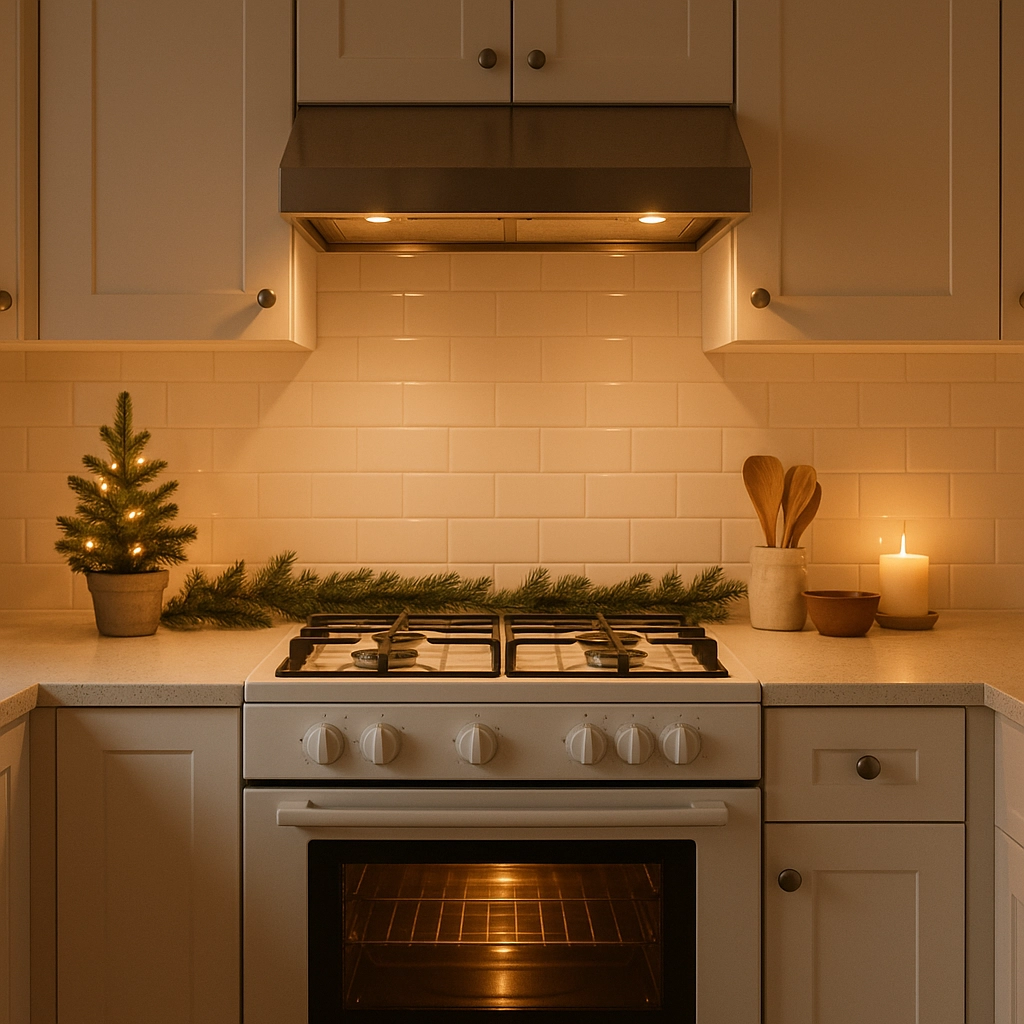
Here's an easy way to remember fire safety: keep anything that can catch fire away from anything that makes heat. This means potholders, oven mitts, wooden spoons, paper bags, food packaging, dish towels, and even those festive curtains need to stay clear of your stovetop.
And please, never use your oven as storage space. Those cookie sheets and casserole dishes might seem harmless in there, but they become fire hazards the moment you preheat. Your oven should only contain food you're actually cooking.
Smart Equipment Safety for Holiday Feasts
Electrical Appliances: The Holiday Helpers
With multiple appliances running during holiday meal prep, electrical safety becomes extra important. Plug your mixers, blenders, and food processors into GFCI-protected outlets: these special outlets help prevent electrical fires and shocks.
Keep appliance cords away from hot surfaces and water. That slow cooker cord snaking across the stovetop? Move it. Those tangled cords near the sink? Untangle and relocate them.
When you're done with countertop appliances, unplug them. It's a simple step that prevents accidental starts and reduces fire risk.
Stovetop Smarts
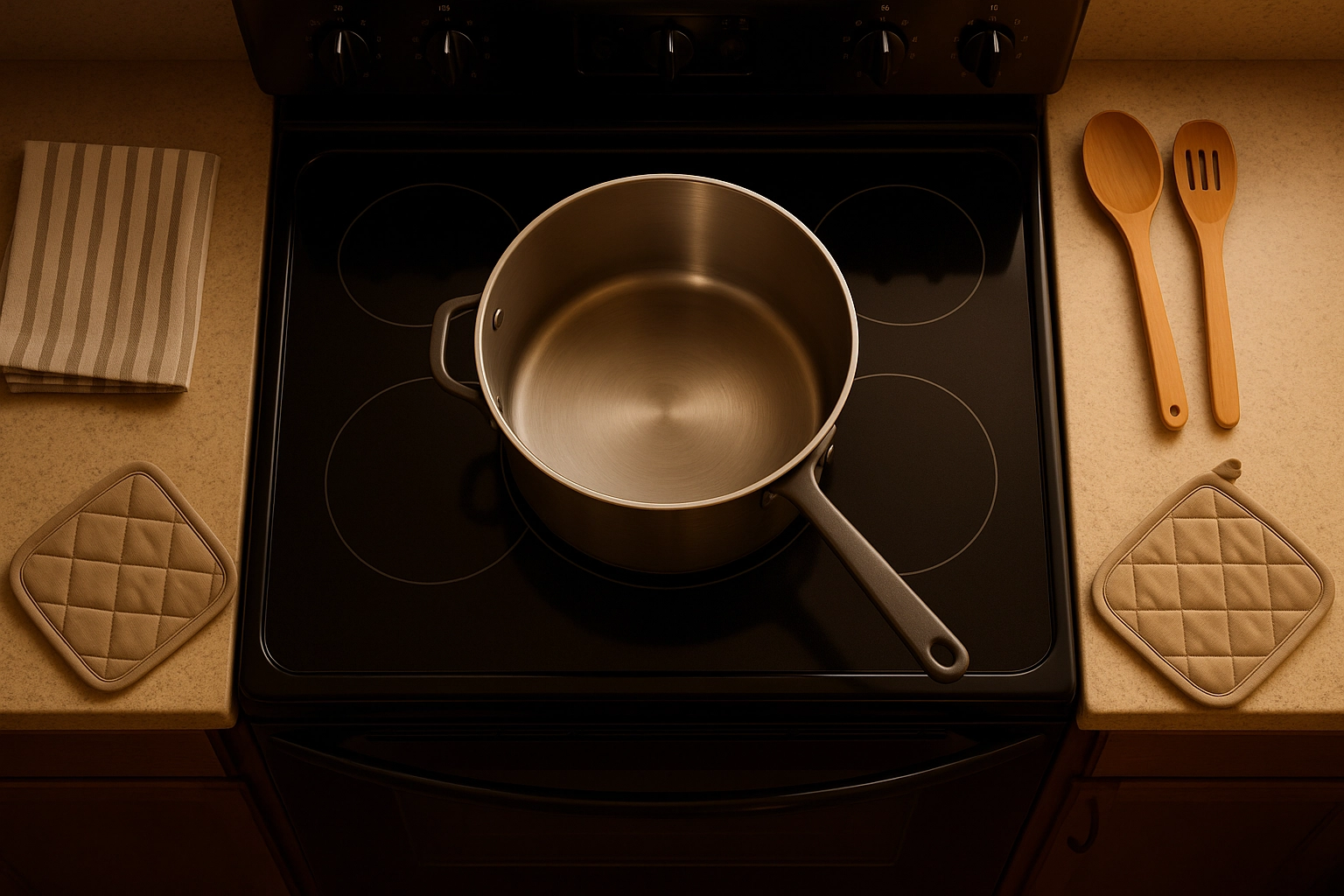
Use back burners when possible: they're harder for little hands to reach and less likely to cause accidents. Always turn pot handles inward, away from curious fingers and busy bodies. Nobody wants to explain to the emergency room why Uncle Bob got a face full of boiling gravy.
Turkey Fryer Safety: The Outdoor Adventure
If you're brave enough to try deep-frying your turkey (and we salute your adventurous spirit), remember these crucial rules:
Outside only! Never, ever use a turkey fryer indoors, in the garage, or on a wooden deck. Set it up on level ground, away from buildings and anything that can catch fire.
Most turkey fryers don't have thermostat controls, which means the oil keeps heating until it catches fire if you're not watching. Stay with your fryer the entire time: no exceptions.
Don't overfill with oil, or you'll have a dangerous spillover situation. The oil stays dangerously hot for hours after cooking, so keep kids and pets away even when you're done.
Wear safety goggles and use insulated gloves. Hot oil spatter is no joke, and your eyes and hands will thank you for the protection.
Keeping Kids Safe in the Holiday Kitchen
The holiday kitchen is exciting for kids: all those wonderful smells and activities happening at once. But it's also full of potential dangers.
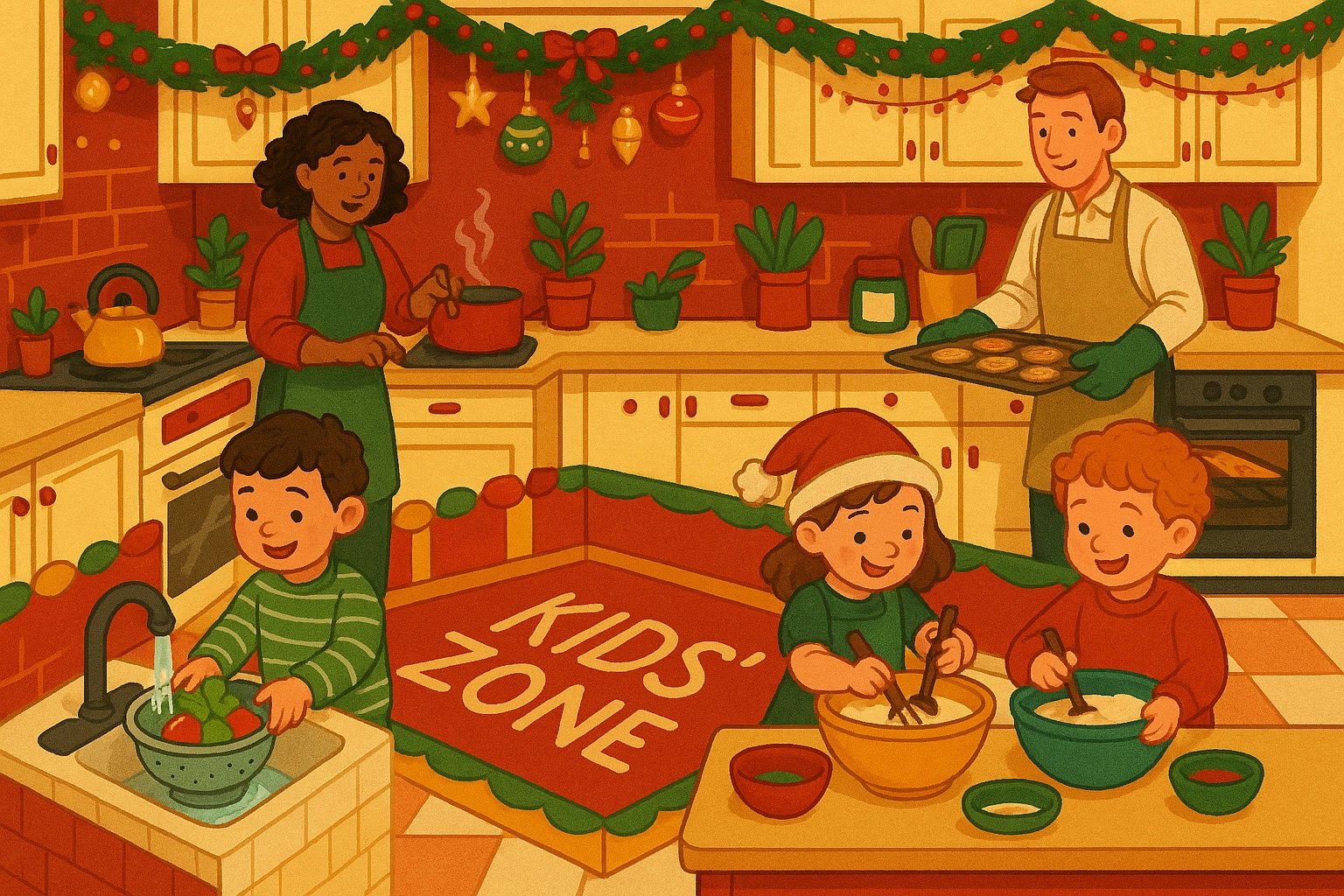
Create a kid-free cooking zone around the stove and oven. Mark it with colorful tape if needed, and explain that this is the "grown-ups only" area when cooking is happening.
Give kids their own safe cooking jobs. They can wash vegetables at a special sink station, mix ingredients in bowls away from heat sources, or help set the table. This keeps them involved but safe.
Teach the "hot" rule early. When something is hot, we don't touch it, we don't reach over it, and we tell an adult if we see something that looks dangerous.
What to Wear (And What Not to Wear)
Your holiday cooking outfit matters more than you might think. Those flowing sleeves might look festive, but they're fire hazards waiting to happen. Stick to short sleeves or tightly rolled long sleeves.
Loose clothing and open flames or electric burners don't mix. If you must wear something with loose sleeves, roll them up and secure them. Your safety is more fashionable than any outfit.
Emergency Action Plan: When Things Go Wrong
Even with all the right precautions, accidents can happen. Here's what to do:
Small Stovetop Fires
Don't panic! Grab a lid or baking sheet and slowly slide it over the pan to smother the flames. Turn off the burner and leave the lid in place until everything cools completely. Never pour water on a grease fire: it will make things much worse.
Oven Fires
Turn off the heat and keep the oven door closed. The lack of oxygen will help put out the fire. Don't open the door: you'll feed the fire with fresh air.
If Your Clothes Catch Fire
Stop immediately (don't run!), drop to the ground, cover your face with your hands, and roll back and forth to smother the flames.
For Burns
Run cool water over the burn for 10-15 minutes. Never use butter, ice, or grease on burns. If the skin is blistered or charred, get medical help immediately.
Your Holiday Kitchen Safety Checklist
Before you start cooking, run through this quick checklist:
- ✓ Smoke detectors have fresh batteries
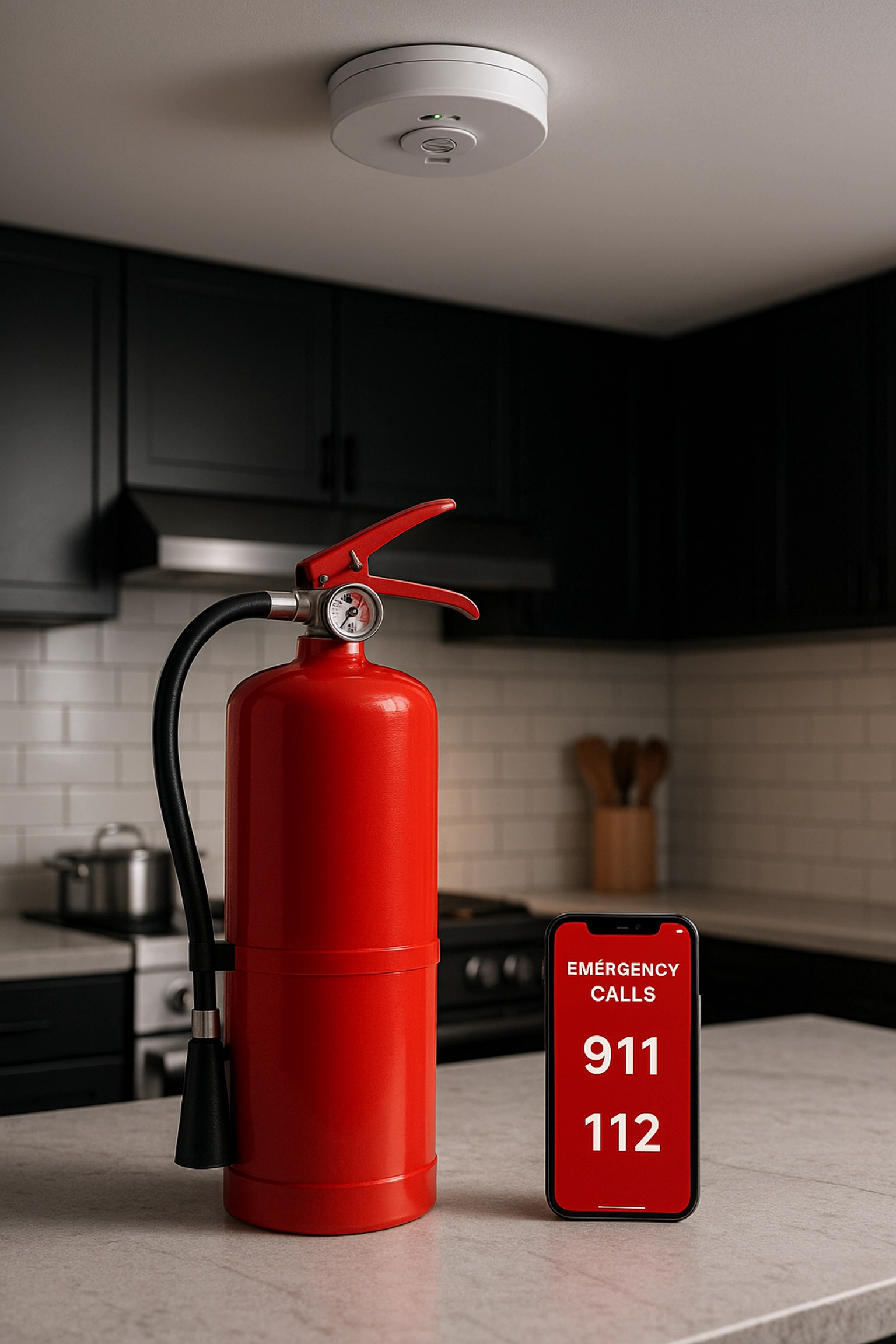
- ✓ Fire extinguisher is easily accessible
- ✓ Cooking area is clean and clutter-free
- ✓ I'm alert and focused (no alcohol or drowsy medications)
- ✓ Kids understand the kitchen safety rules
- ✓ Emergency numbers are handy
- ✓ I'm wearing appropriate clothing
Making Safety Fun for Everyone
Turn kitchen safety into a family game! Create a "Safety Spotter" role where kids help identify potential hazards. Make up silly songs about turning pot handles inward or keeping towels away from burners.
For teens, teach them to be safety mentors for younger siblings. Give them ownership of specific safety tasks like checking that appliances are unplugged or ensuring the cooking area stays clean.
Remember, the goal isn't to scare anyone away from holiday cooking: it's to make sure everyone can enjoy the delicious results safely. A little preparation and awareness go a long way toward keeping your holiday kitchen both festive and fire-free.
Your holiday meals should be remembered for amazing flavors and family fun, not emergency room visits or fire department calls. With these safety tips in your back pocket, you're ready to create the kind of holiday memories that warm hearts instead of setting off smoke alarms.
So tie on that apron, gather your loved ones, and get ready to cook up some safe, delicious holiday magic. Your future self (and your insurance company) will thank you!


Comments
Post a Comment