Are Traditional Safety Training Methods Dead? Do Small Businesses Still Need Them?
Are Traditional Safety Training Methods Dead? Do Small Businesses Still Need Them?
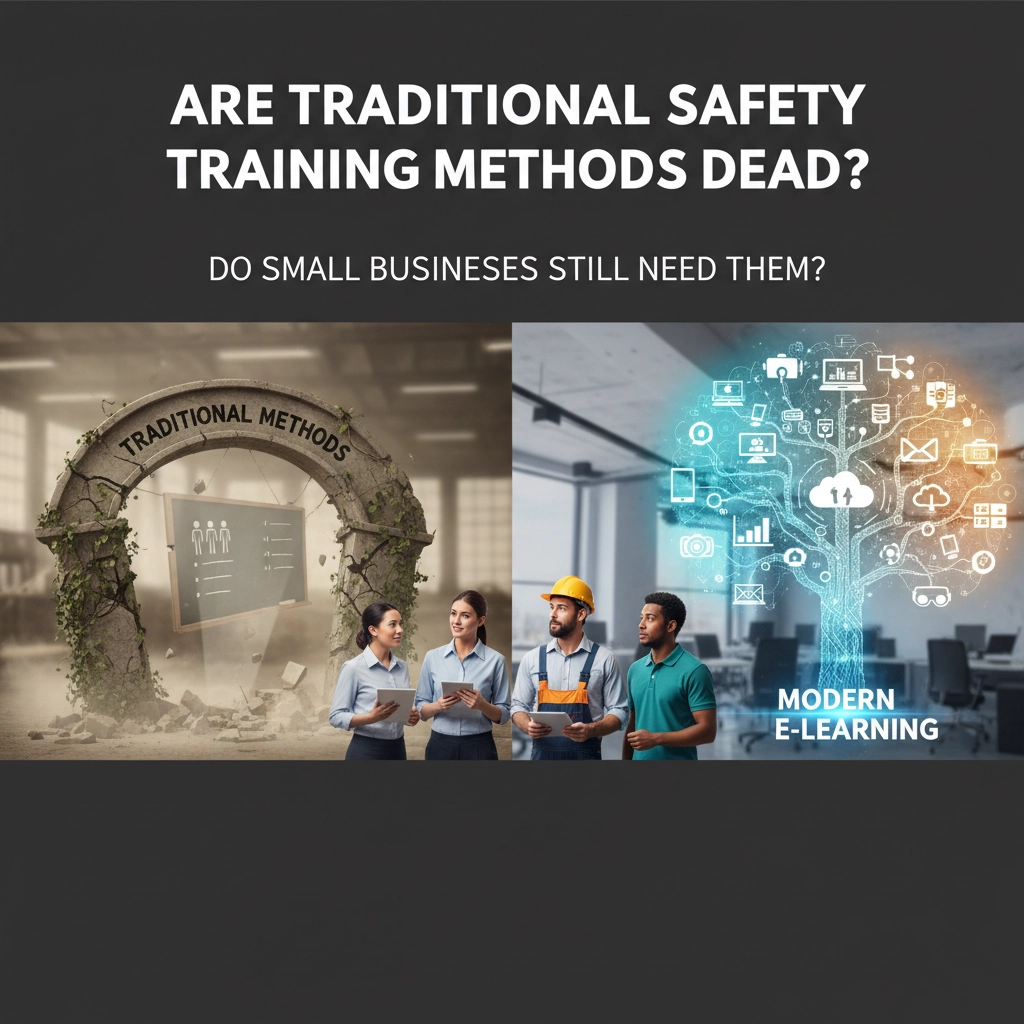
Picture this: You're running a small business, and it's time for the annual safety training. Your employees file into a conference room, someone clicks through PowerPoint slides about lifting techniques and fire exits, everyone signs a form, and boom, you're "compliant" for another year.
Sound familiar? If you're wondering whether this whole song and dance is still worth it, you're not alone. With all the talk about AI, virtual reality, and fancy new training methods, many small business owners are asking: Are we wasting time with old-school safety training?
The short answer? Traditional methods aren't dead, but they're definitely getting a major makeover.
The Hard Truth About Traditional Safety Training
Let's be honest, traditional safety training has some serious flaws. That one-size-fits-all approach where everyone gets the same presentation regardless of their job? It's about as effective as giving everyone the same size hard hat.
The biggest problem is that traditional training often treats safety like a checkbox exercise. Employees sit through their annual session, maybe watch a dated video about workplace hazards, and then go back to their jobs. But here's the kicker: just because someone can recite safety rules doesn't mean they'll actually follow them when it matters.
Traditional methods also miss the mark on engagement. When was the last time you saw someone genuinely excited about a safety PowerPoint? These approaches often lack real-time feedback, don't account for different learning styles, and focus more on compliance than actually building a safety-first mindset.
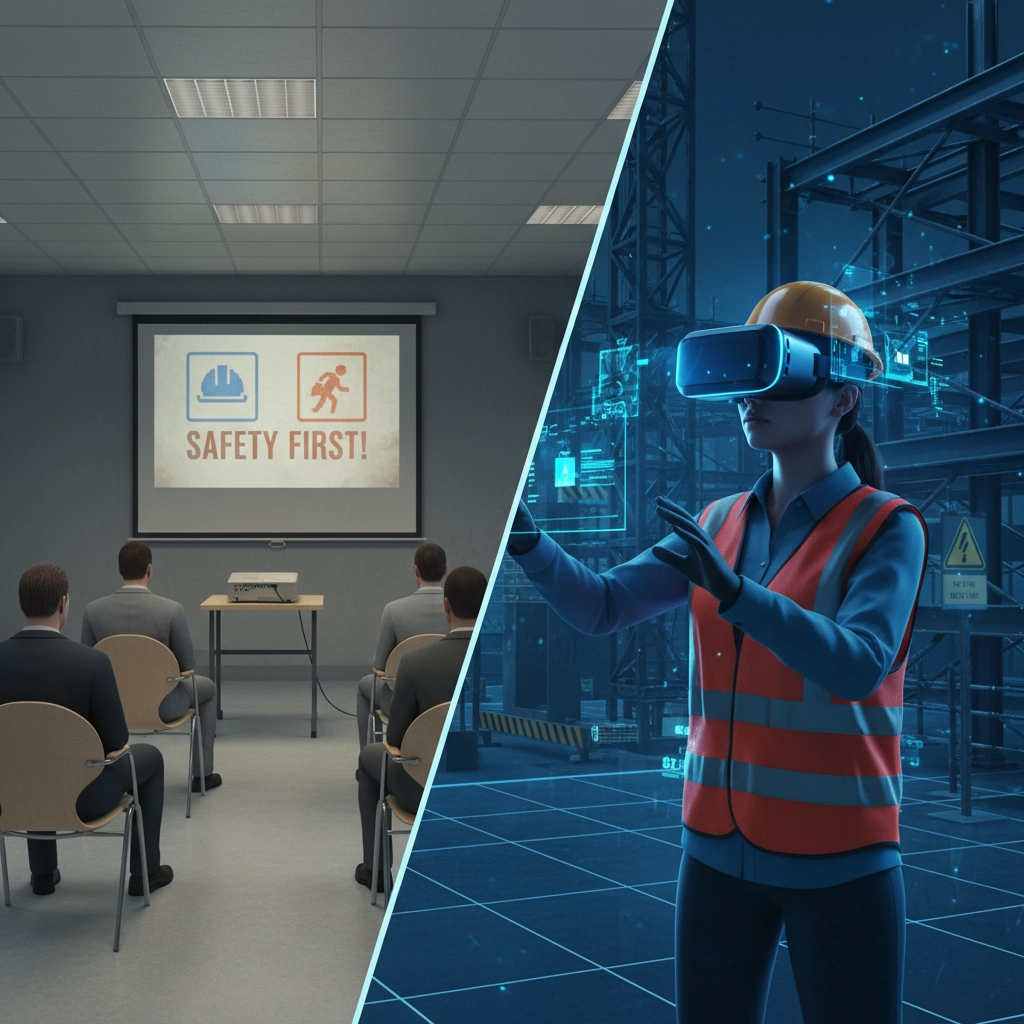
What's Actually Changing in 2025
The safety training world is getting some serious upgrades, and it's pretty exciting stuff. Virtual reality is letting construction workers practice operating heavy equipment without the risk of accidentally demolishing something important. Healthcare workers can now practice emergency procedures in simulated high-stress situations that feel incredibly real.
AI is also stepping up to the plate, creating personalized training programs that adapt to each person's role, experience level, and learning pace. Instead of forcing your warehouse manager and your office receptionist through identical training modules, AI can tailor the experience to what each person actually needs to know.
These new approaches are solving real problems. They're making training more engaging, more relevant, and more effective at actually changing behavior. But here's the thing, they're not replacing traditional methods entirely.
Why Small Businesses Can't Just Throw Out the Old Playbook
Small businesses face unique challenges that make safety training even more critical. When you're working with a smaller team and tighter budget, a single workplace injury can have devastating consequences. You can't afford to have someone out of work for months, and you definitely can't afford the potential legal and financial fallout.
Traditional safety training elements like OSHA compliance aren't going anywhere. You still need to meet regulatory requirements, document your training efforts, and ensure your team knows the fundamental safety protocols. These basics form the foundation that everything else builds on.
The core principles, hazard identification, proper use of personal protective equipment, emergency procedures, these aren't outdated concepts. They're timeless safety fundamentals that every worker needs to understand, regardless of what industry you're in.
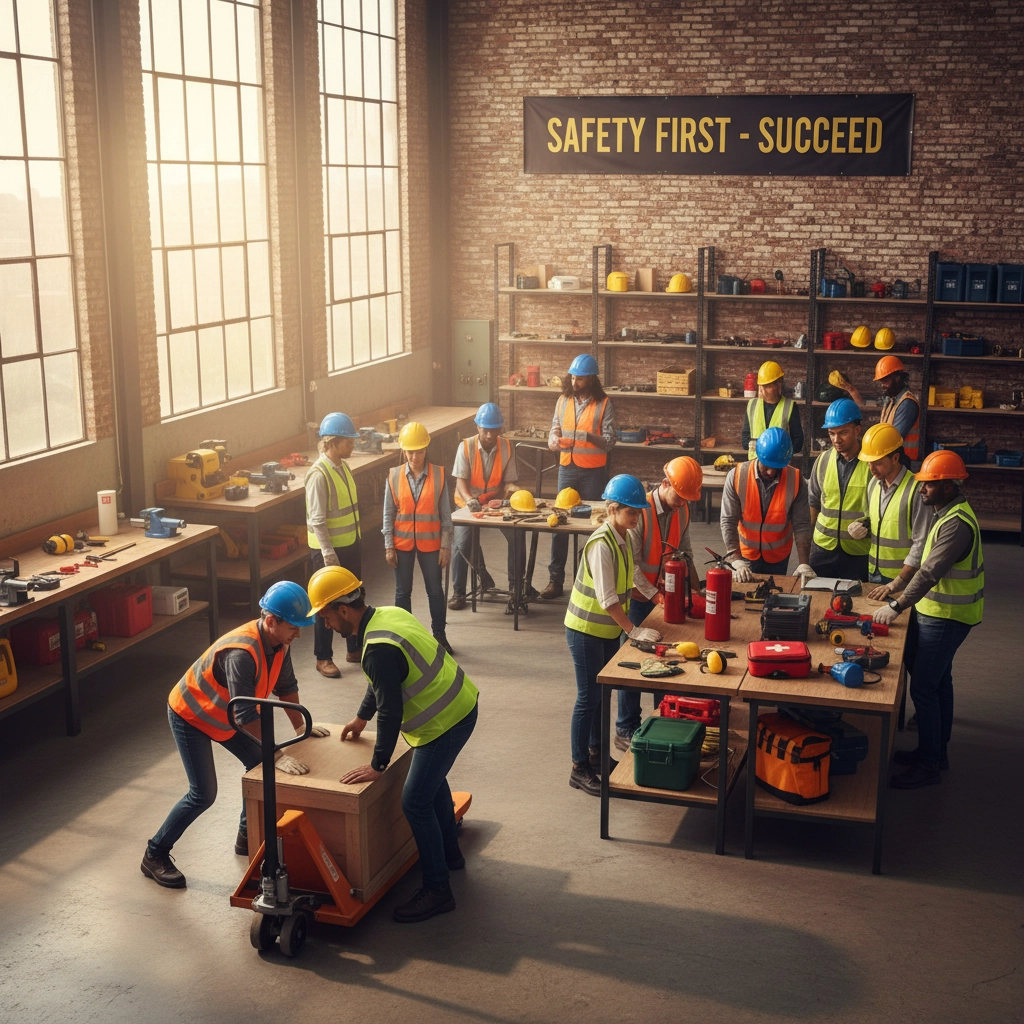
The Sweet Spot: Blending Old and New
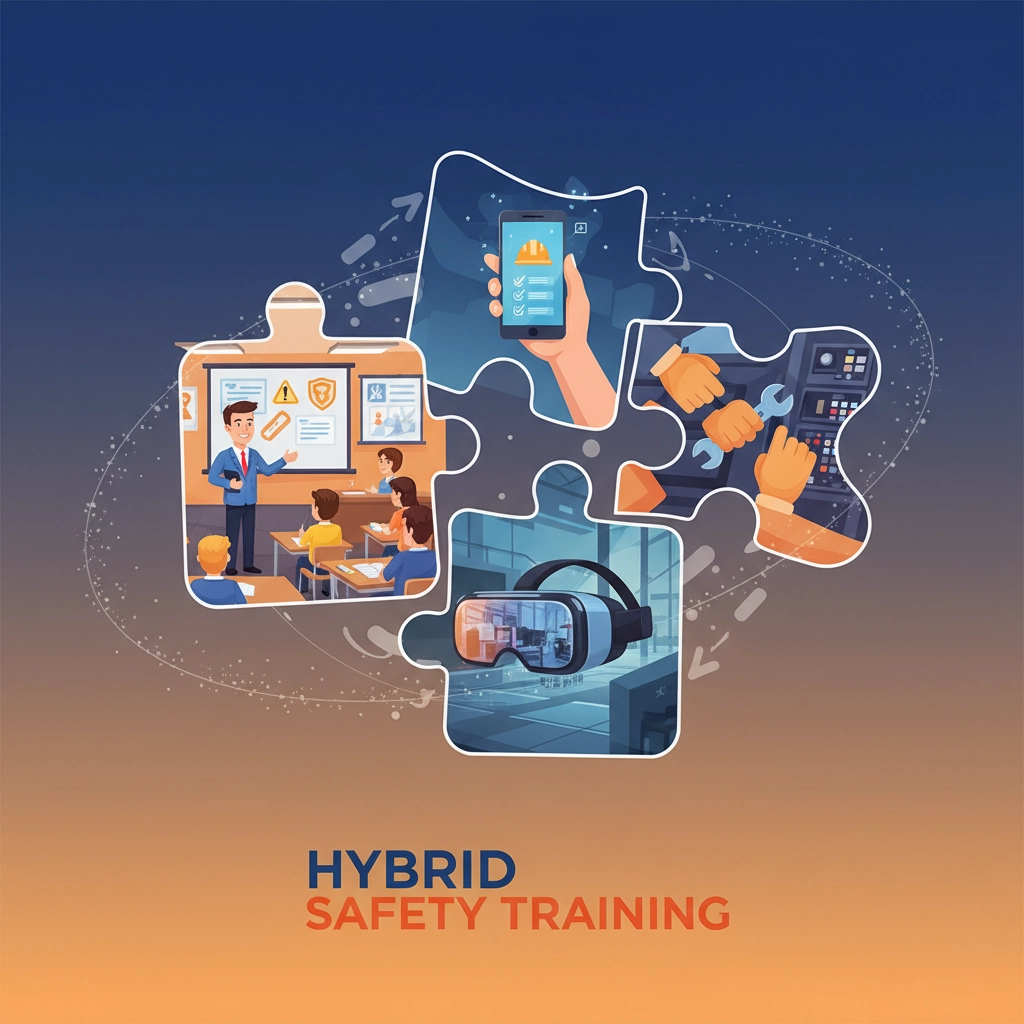
The most effective approach isn't about choosing between traditional and modern methods, it's about combining the best of both worlds. Think of traditional training as your foundation and modern techniques as the tools that make that foundation actually work.
You still need the regulatory compliance piece, the documented training records, and the basic safety protocols. But you can deliver these in more engaging ways. Instead of a dry presentation about lifting techniques, you might use a short video showing real workplace scenarios, followed by hands-on practice with immediate feedback.
Online platforms are making this hybrid approach more accessible for small businesses. You can now access professional-quality safety training materials without the budget of a Fortune 500 company. Many platforms offer mobile-friendly options, so your field workers can complete training modules during downtime rather than taking time away from billable hours.
Making It Work for Your Business
The key is figuring out what combination works best for your specific situation. A small restaurant will have different needs than a landscaping company or a retail store. Start by identifying your highest-risk activities and most common safety challenges.
Consider your team's preferences too. Some people learn better through hands-on experience, others prefer visual demonstrations, and some do well with traditional reading materials. The beauty of modern safety training is that you can offer multiple approaches without breaking the bank.
Technology can also help you track effectiveness in ways that were impossible with traditional methods. Instead of just knowing that someone attended training, you can see how well they retained information, which areas they struggle with, and when they might need refresher training.
What This Means for Your Bottom Line
Investing in effective safety training, whether traditional, modern, or hybrid, pays dividends in ways that go beyond just avoiding fines. Better-trained employees have fewer accidents, which means lower insurance premiums, less downtime, and reduced liability risks.
Modern training approaches can also improve efficiency. When employees truly understand safety protocols rather than just memorizing them, they work more confidently and effectively. They're also more likely to speak up about potential hazards before they become problems.
The cost of comprehensive safety training is almost always less than the cost of a single serious workplace injury. When you factor in lost productivity, increased insurance rates, potential legal costs, and the impact on team morale, the math is pretty clear.
The Real Answer
So, are traditional safety training methods dead? No, but they're evolving. The fundamentals remain important, but the delivery methods are getting smarter, more engaging, and more effective.
Do small businesses still need them? Absolutely, but not in the same old format. The businesses that thrive are the ones that embrace the hybrid approach: maintaining the essential elements while incorporating new techniques that actually work.
The goal isn't to have the fanciest training program or to stick rigidly to methods from decades past. It's to create a safety culture where everyone goes home healthy at the end of each day. Whether that happens through VR simulations, traditional hands-on training, or a combination of methods doesn't matter as much as making sure it actually happens.
Your safety training program should be as unique as your business, but it should always be grounded in solid fundamentals and delivered in a way that truly resonates with your team. That's not traditional or modern; that's just smart business.


Comments
Post a Comment