Mental Health Matters
Mental Health Matters: The #1 Wellness Mistake Local Leaders Make
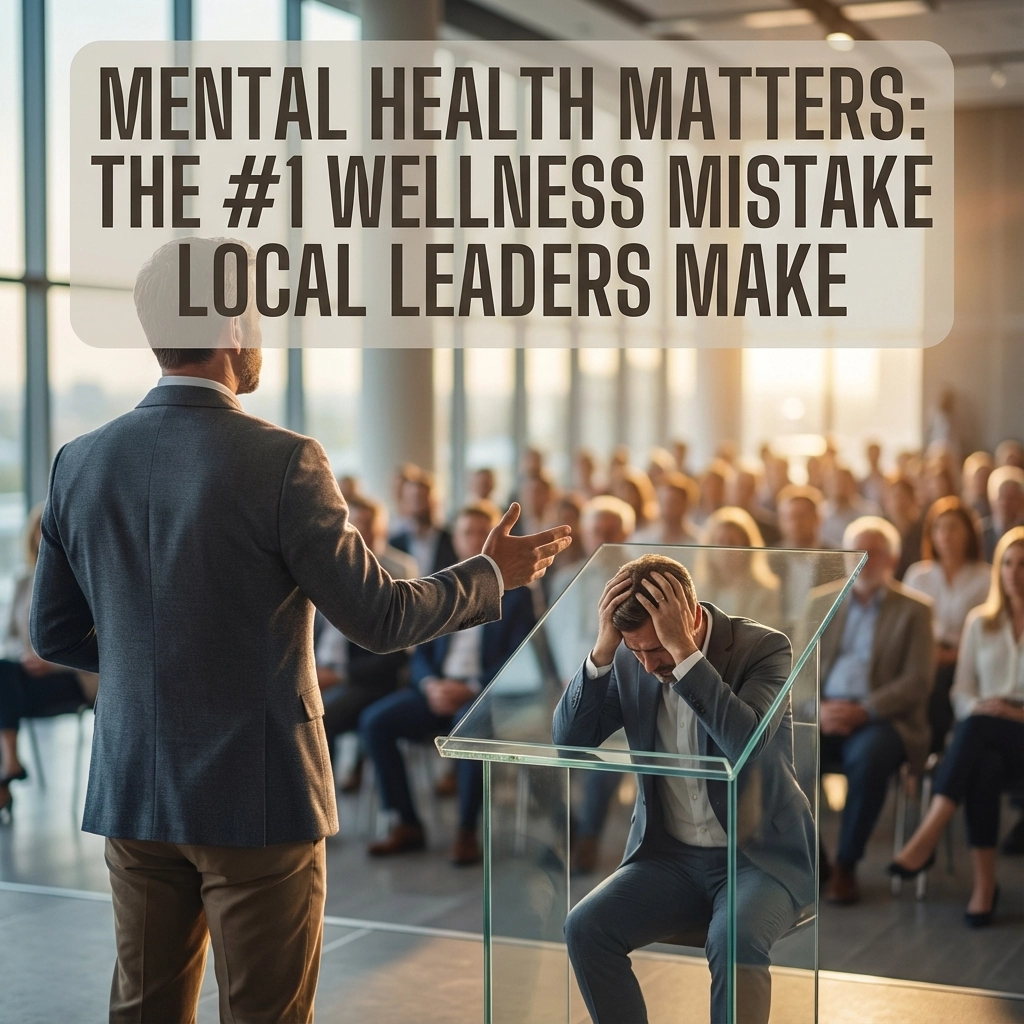
Picture this: You're running a tight ship, your team seems productive, and business is steady. But underneath the surface, something's brewing. Your employees are stressed, anxious, and starting to burn out. Sound familiar? If you're a local business leader, you might be making the same critical mistake that's quietly damaging your team's mental health: and you probably don't even realize it.
The Communication Crisis That's Killing Morale
The number one wellness mistake local leaders make isn't what you might expect. It's not about lacking fancy wellness perks or missing a meditation app subscription. The biggest mistake is weak communication: and it's creating a mental health crisis in workplaces everywhere.
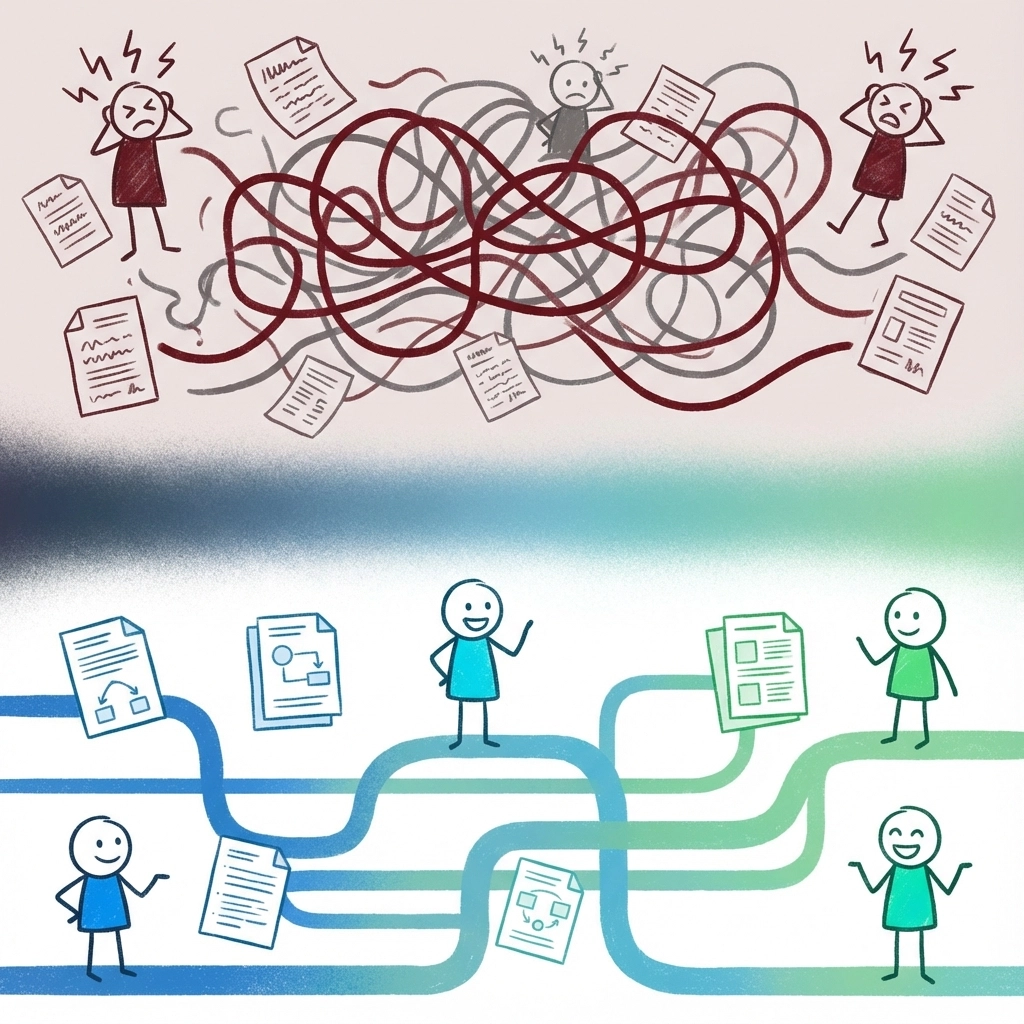
When leaders fail to communicate clearly and directly with their teams, employees become confused and anxious about their responsibilities and expectations. This isn't just about being "a little unclear" sometimes. We're talking about a foundational breakdown that cascades into serious mental health challenges throughout your entire organization.
Think about it from your employee's perspective. When expectations are fuzzy, deadlines are ambiguous, or feedback comes sporadically (if at all), they're constantly operating under uncertainty. That uncertainty breeds stress, anxiety, and a nagging sense of helplessness about their role and performance.

The Domino Effect of Poor Leadership Communication
Weak communication doesn't exist in a vacuum. It triggers a series of leadership failures that compound the mental health damage:
The Micromanagement Trap: When communication is poor, leaders often compensate by over-monitoring everything. This micromanagement removes employee autonomy and sends a clear message: "I don't trust you." The result? Emotional exhaustion, fear, and resentment instead of motivation and growth.
The Overload-Underappreciation Combo: Poor communicators typically struggle with workload distribution and recognition. They pile on tasks without clear priorities while accomplishments go unnoticed. Employees develop chronic stress, fatigue, and frustration because their efforts feel invisible and undervalued.
The Empathy Gap: Leaders who can't communicate effectively often lack the emotional intelligence to recognize when employees are struggling. Whether it's personal challenges, illness, or family issues, these leaders miss the signs and fail to offer support when it's needed most.
The Hidden Productivity Trap
Here's where many local leaders get it wrong: they think focusing solely on productivity metrics will drive results. But this laser focus on output actually encourages employees to ignore their mental health needs, pushing through stress, anxiety, and burnout until something breaks.
This approach might seem to work in the short term, but the long-term costs are devastating. You'll see decreased engagement, higher turnover, damaged reputation, and ultimately, worse business results. The irony? Prioritizing mental health actually improves productivity, but many leaders have it backwards.

Real-World Impact: What This Looks Like Daily
Let's get specific about how communication failures show up in everyday workplace situations:
The Monday Morning Mystery: Employees start the week unsure of priorities because last week's goals were never clearly communicated or updated.
The Feedback Vacuum: Team members complete projects but receive no response, leaving them wondering if they're meeting expectations or completely missing the mark.
The Moving Target: Goals and expectations shift without explanation, making employees feel like they're always one step behind and never quite good enough.
The Crisis Mode Culture: Everything becomes "urgent" because poor planning and communication create artificial emergencies that stress everyone out.
Building Psychological Safety: The Foundation of Mental Wellness
The antidote to weak communication is creating psychological safety: the belief that employees can voice concerns, ask questions, and share challenges without fear of punishment or retaliation. This isn't just a nice-to-have; it's essential for mental health and business success.
Psychological safety starts with leaders modeling vulnerability. When you openly discuss your own challenges (appropriately), admit mistakes, and show that it's safe to be human at work, you create an environment where mental health can actually improve instead of deteriorate.

Practical Steps to Transform Your Communication
Ready to fix this? Here are actionable strategies that local leaders can implement immediately:
Start with Regular Check-ins: Schedule brief, consistent one-on-one meetings focused on both work progress and employee well-being. Ask questions like "What's working well for you?" and "What's causing you stress right now?"
Clarify Everything: Over-communicate expectations, deadlines, and priorities. What seems obvious to you might be completely unclear to your team. When in doubt, explain it again.
Create Feedback Loops: Don't wait for formal reviews. Provide regular, specific feedback on both successes and areas for improvement. Your team needs to know where they stand.
Acknowledge the Human Element: Remember that your employees have lives outside work. Family emergencies, health issues, and personal stress all affect job performance. Show flexibility and understanding when these situations arise.
Supporting Real Mental Health, Not Just Perks
Skip the superficial wellness perks and focus on substance. Encourage employees to use their paid time off for mental health days, not just vacations. Provide access to actual mental health resources like counseling services or therapy reimbursements.
Celebrate small wins regularly, offer flexible working arrangements when possible, and set realistic deadlines that allow employees to maintain their well-being while contributing meaningfully to your business goals.
The Business Case for Better Communication
Investing in better communication and mental health support isn't just the right thing to do: it's smart business. Teams with strong communication and psychological safety show higher engagement, lower turnover, better customer service, and increased innovation.
When employees feel heard, valued, and supported, they bring their best selves to work. They're more creative, more collaborative, and more committed to your business success.
Making the Change Stick
Transforming your communication style won't happen overnight, but you can start today. Choose one area to focus on first: maybe it's clarifying expectations or scheduling regular check-ins. Master that change before moving to the next area.
Remember, your team is watching. They'll notice when you start communicating more clearly, showing more empathy, and prioritizing their mental health. These changes create positive momentum that builds over time.
The mental health of your team isn't separate from your business success: it's directly connected. When you address the communication crisis that's silently damaging your workplace, you're not just being a better leader; you're building a stronger, more resilient business.
Start with one conversation, one clearer expectation, or one genuine check-in with a struggling employee. Small changes in how you communicate can create big improvements in your team's mental health and your business results.
Your employees' well-being matters. And as a local leader, you have the power to make a real difference in their daily experience. The question is: what will you choose to communicate today?


Comments
Post a Comment