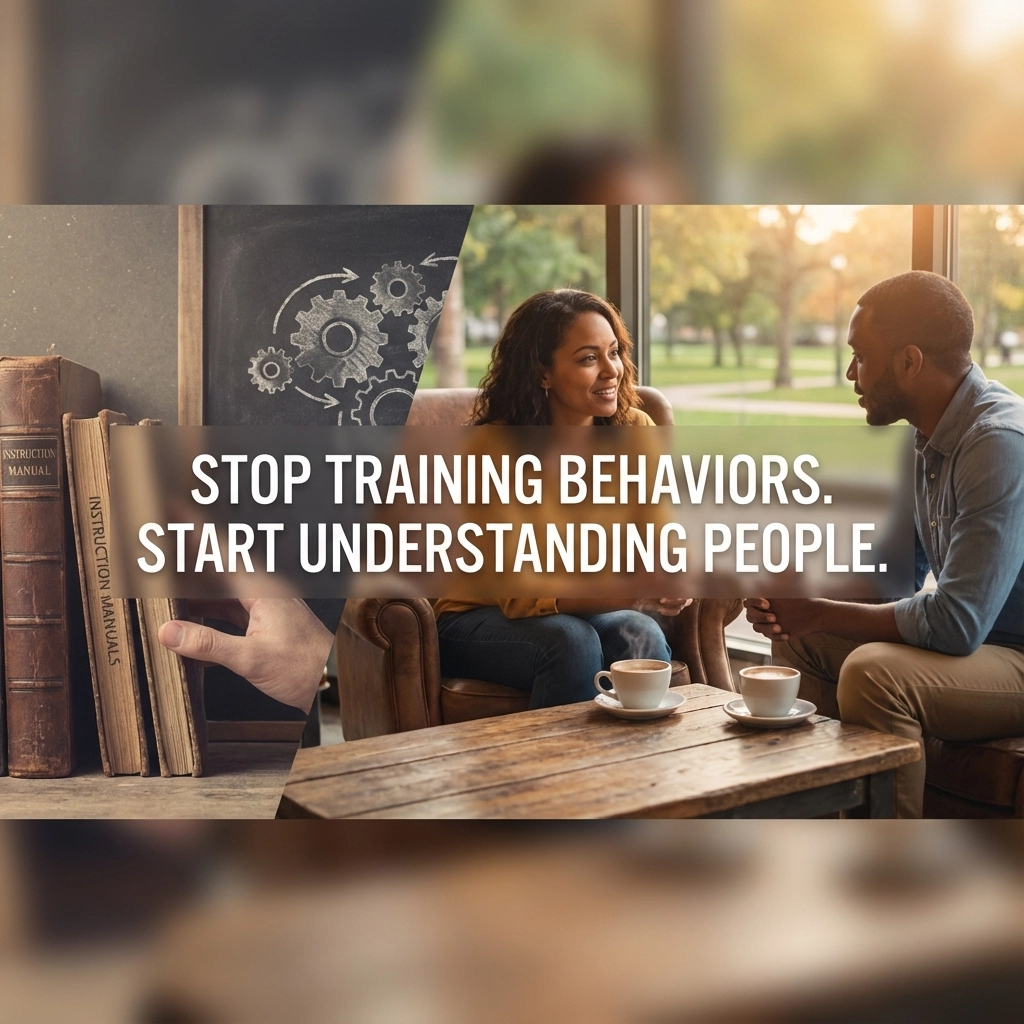
Stop Training Behaviors. Start Understanding People.
Stop Training Behaviors. Start Understanding People.
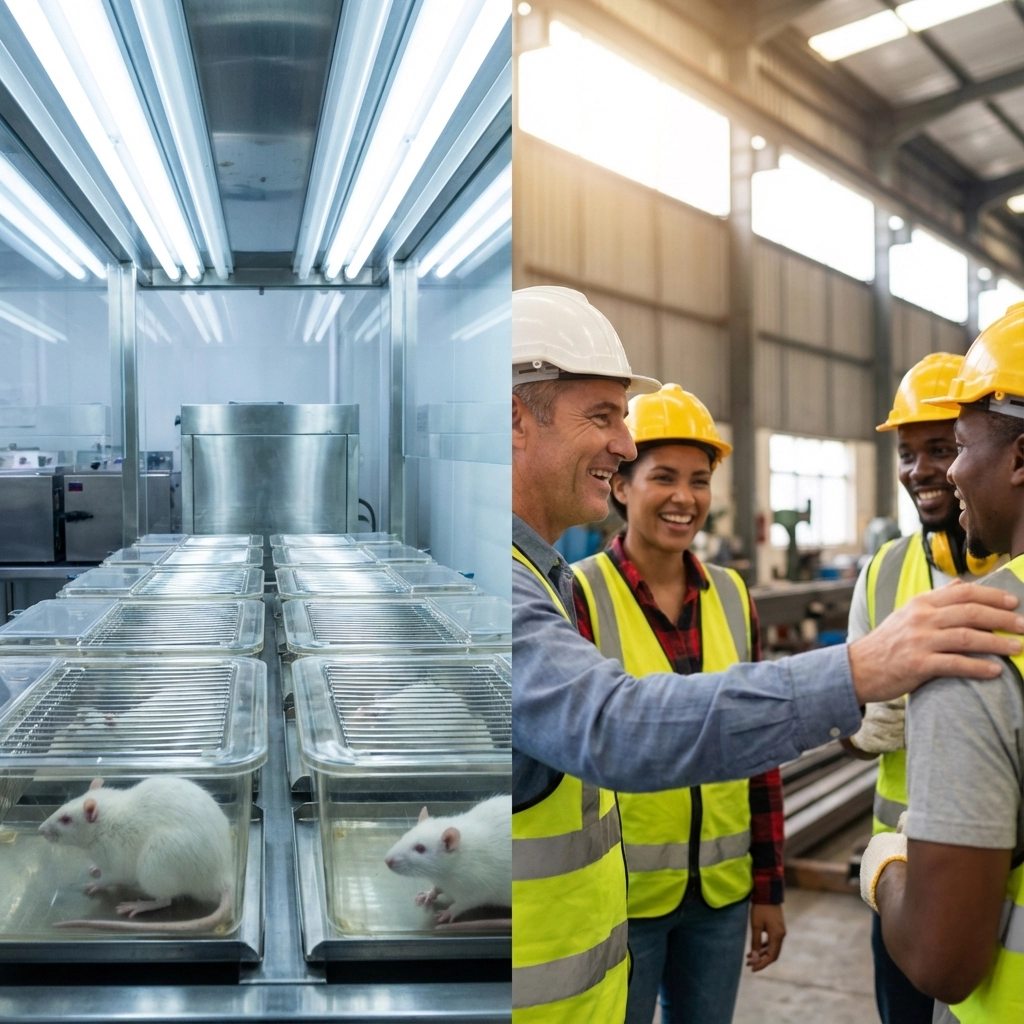
Here's the thing that's been bothering me for years: we're still treating workers like lab rats.
I mean that literally. Walk into most safety training sessions and you'll see the same behavioral conditioning approach that psychologist B.F. Skinner used on rats in the 1930s. Push the right button, get a reward. Push the wrong button, get shocked. Rinse and repeat until the desired behavior sticks.
But here's what I've learned after too many years in this business: people aren't rats. And treating them like they are isn't just insulting, it's ineffective.
The Skinner Box Problem
Most behavioral safety limitations stem from this one-size-fits-all mentality. We design programs that assume everyone responds to the same rewards, fears the same consequences, and processes information the same way. Then we act surprised when our TRIR numbers plateau and our "safety culture" feels forced.
I've watched companies spend millions on behavioral safety programs that sound great on paper. Perfect observation cards, detailed behavior matrices, sophisticated reward systems. But walk the floor and you'll see the same old patterns: some people buying in completely, others going through the motions, and a few actively resisting.
The problem isn't the people. The problem is we're trying to reprogram humans instead of understanding them.
Let me be honest: I used to be part of this system. Early in my career, I'd stand in front of crews with my clipboard and my behavioral checklist, convinced that if I could just get everyone to follow the same steps, we'd eliminate incidents. When it didn't work, I assumed people weren't trying hard enough.
It took a near-miss that shook me to realize I was missing something fundamental about psychology workplace safety. The incident involved two experienced workers who knew the procedures cold. They'd been through every training program we had. But when the moment came, they made choices that didn't match what we'd drilled into them.
That's when I started asking different questions. Instead of "Why didn't you follow the procedure?" I started asking "What was going through your mind in that moment?" The answers changed everything.
Same Message, Different Wiring
The breakthrough came when I realized that effective safety engagement isn't about finding the perfect message: it's about understanding that the same message needs to be delivered differently to different people.
Take a simple safety reminder about wearing PPE. Here's what I've observed:
Some people need to understand the "why" behind the rule: the data, the risk calculations, the logical reasoning. Just saying "because it's policy" doesn't work for them. They need to see the evidence.
Others are motivated by protecting their team. They'll wear their PPE religiously if they understand how their injury would impact their coworkers, but personal risk alone doesn't move them.
Still others respond to clear expectations and consistency. They want to know the rule and they want to see it applied fairly. Give them that structure and they become your most reliable safety advocates.
And then there are those who learn best from stories: real examples from people they respect about times when PPE made the difference between going home safely and not going home at all.
Same safety message. Four completely different approaches.
The Human Element We're Missing
Traditional behavioral safety treats resistance as defiance. But what I've learned is that most "resistant" workers aren't trying to be difficult: they just haven't been reached in a way that makes sense to them.
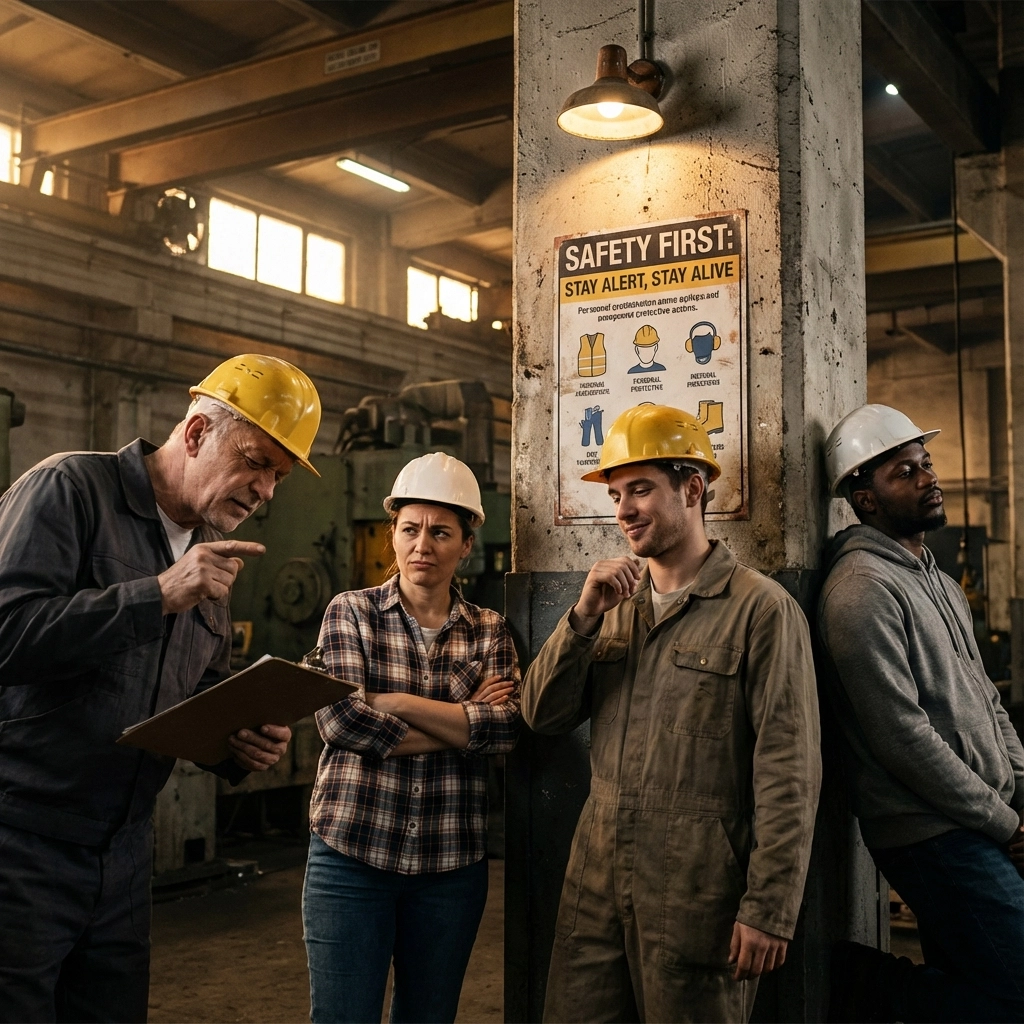
I remember working with a crew chief who had a reputation for being "impossible" when it came to safety meetings. Every session, he'd sit in the back with his arms crossed, barely participating. His supervisor was ready to write him off as a lost cause.
But when I started paying attention to how he actually worked, I noticed something: this guy was naturally protective of his team. He'd spot hazards others missed, quietly redirect new workers away from dangerous situations, and always made sure his people had what they needed to work safely.
The problem wasn't that he didn't care about safety. The problem was that our safety messaging felt insulting to someone who'd been keeping people safe for decades. Once we shifted our approach: asking for his insights instead of lecturing him about basics: everything changed.
He became one of our strongest safety voices. Not because we trained him to behave differently, but because we finally understood what motivated him.
Beyond the Behavior Box
This is where traditional behavioral safety hits its wall. It can influence compliance, but it can't create genuine engagement. Real safety engagement happens when people understand not just what to do, but why it matters to them personally.
That's what led me to develop a different approach: one that starts with understanding people's natural safety motivations instead of trying to override them. It's based on recognizing that there are predictable patterns in how different people think about and respond to safety challenges.
I call it the PERSONA Framework, and it's built on 12 distinct safety archetypes that I've observed throughout my career. Each archetype has different motivations, different blind spots, and different ways they need to be engaged on safety topics.
The Guardian who's naturally protective but can burn out from hypervigilance. The Achiever who wants to excel but might cut corners for efficiency. The Skeptic who questions everything but brings valuable perspective when their concerns are heard.
Understanding these patterns doesn't mean putting people in boxes: it means recognizing their starting point so you can meet them where they are.
The Real Solution
Stop trying to train behaviors. Start understanding people.
When we shift from asking "How do we get them to comply?" to "How do we help them engage?" everything changes. Instead of forcing compliance, we're building genuine commitment. Instead of creating dependency on external motivation, we're connecting with internal motivation that already exists.
This isn't about being softer or lowering standards. If anything, this approach creates higher standards because people are choosing to meet them rather than being forced to.
The results speak for themselves: higher engagement, better incident metrics, and most importantly, people who go home safe because they want to, not because they have to.
Because everyone has the right to feel and be safe.


Comments
Post a Comment