The 19-Word Sentence Every Leader Needs: How Real Feedback Sparks Growth
The 19-Word Sentence Every Leader Needs: How Real Feedback Sparks Growth
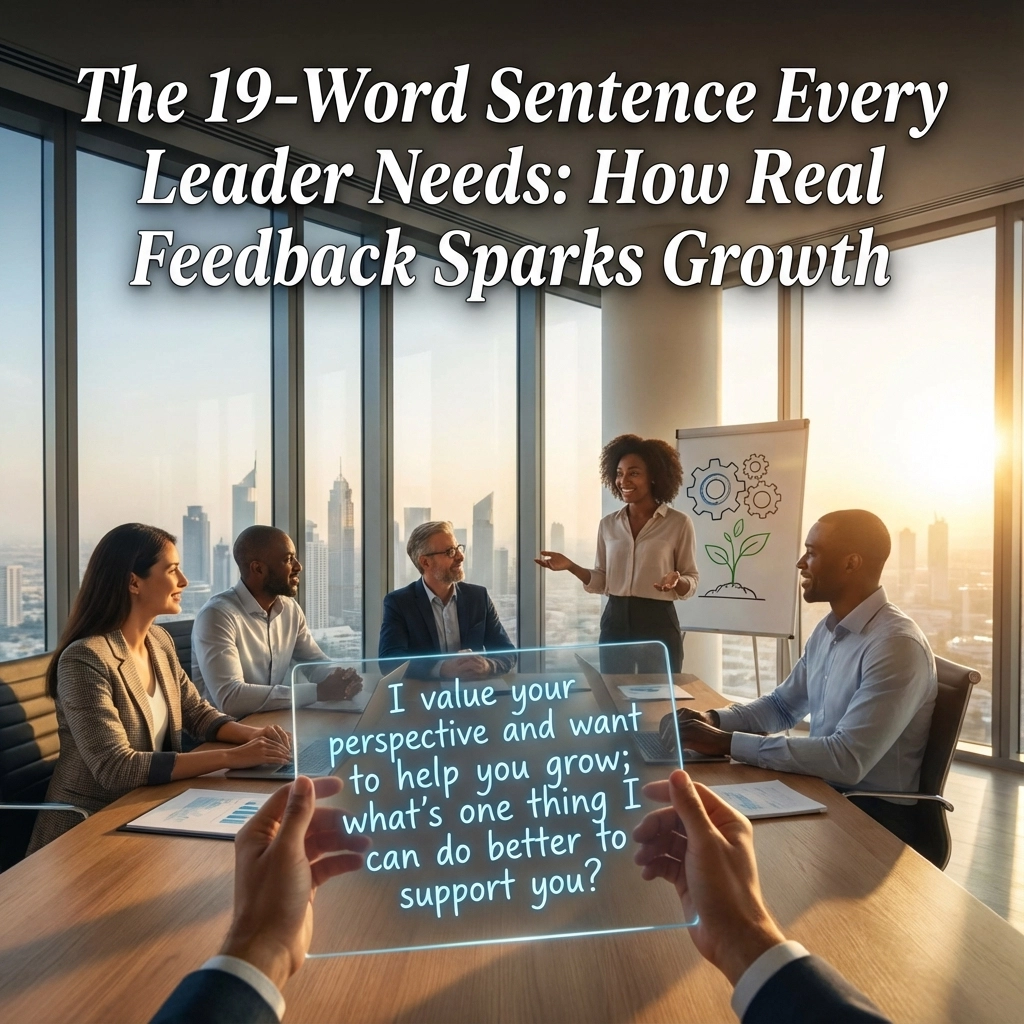
Here's the thing about feedback: most of us are terrible at it.
We either dance around the truth with corporate-speak that says nothing, or we drop bombs without context and wonder why people shut down. After seeing this play out in high-stakes environments, I've learned there's a better way.
There's a 19-word sentence that changes everything:
"I have high expectations, and I believe you can meet them, and that's why I'm giving you this feedback."
Those 19 words do something most feedback doesn't—they create psychological safety while being completely direct. Let me explain why this matters, especially when someone's safety—or life—depends on getting it right.
Why Most Feedback Falls Flat

I've sat in too many post-incident meetings where leaders blamed "human error" without looking at the system that set people up to fail. The feedback sounds like this: "You need to be more careful." "Follow the procedures." "Pay attention."
That's not feedback—that's frustration dressed up as leadership.
Real feedback requires context. It requires the person receiving it to understand that you're invested in their success, not just pointing out their failures. When someone knows you believe in them, they can hear hard truths without their defenses going up.
The Psychology Behind the 19 Words
Let me be honest: this isn't just feel-good leadership fluff. There's solid research behind why this approach works.
When you lead with "I have high expectations," you're setting a standard. You're saying this isn't about lowering the bar to make people comfortable. You're not accepting mediocrity.
When you follow with "I believe you can meet them," you're communicating confidence in their ability. You're not setting them up to fail—you're betting on their success.
And when you close with "that's why I'm giving you this feedback," you're connecting the dots. The feedback isn't criticism—it's coaching toward the standard you know they can reach.
This builds psychological safety. The person can hear what you're about to say because they understand your intent. They're not defending themselves from attack—they're preparing to learn.
The Part Leaders Forget: Let Them
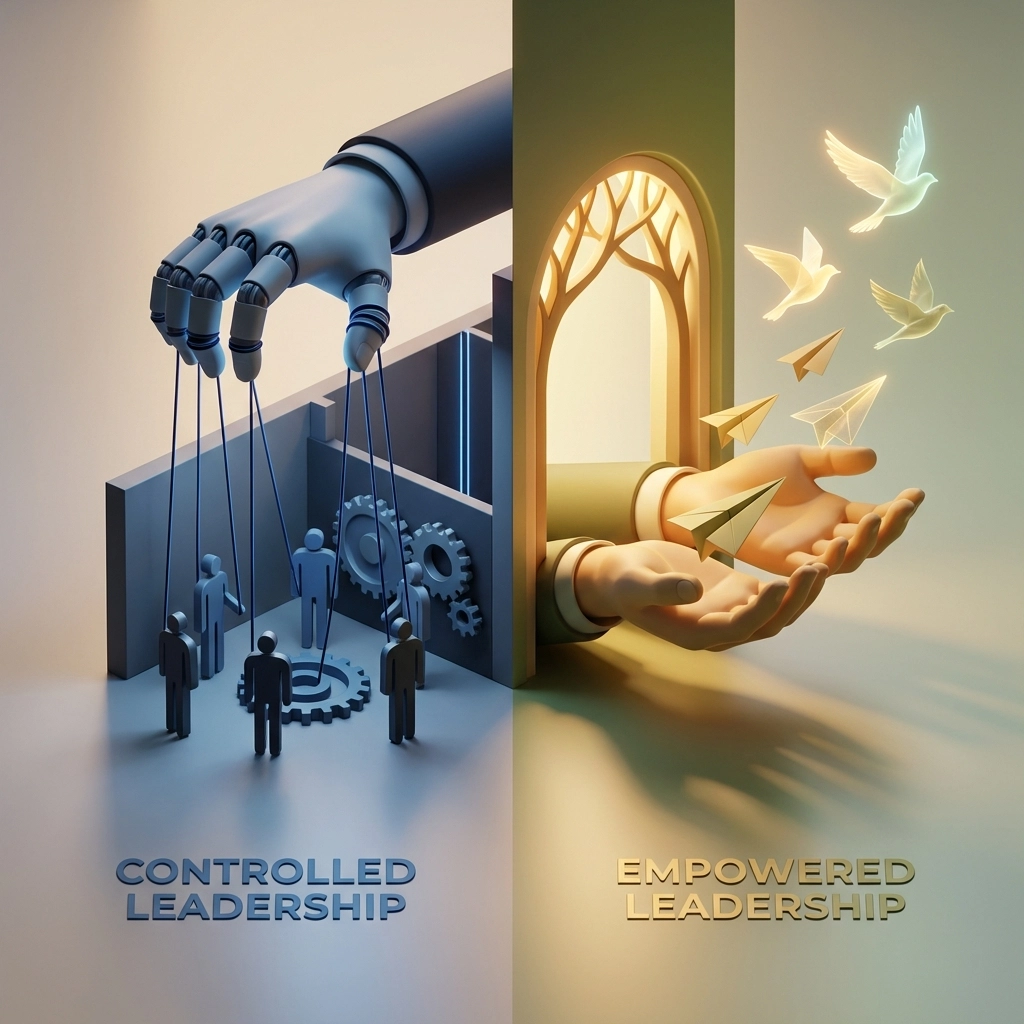
But here's where most leaders mess up the whole thing: they think their job is to control the outcome.
You deliver that 19-word opener perfectly. You give clear, specific feedback. You think you've nailed it. Then you hover, micromanage, and get frustrated when they don't implement your suggestions exactly how you envisioned.
Here's what I've learned, over and over—once you give someone feedback, you have to Let Them.
Let them take the feedback however they take it.
Let them process it in their own time.
Let them rise, stumble, get it right, or get it wrong.
Let them show you who they are.
Your job is delivering clarity. Their job is deciding what they're going to do with it.
This is the difference between leading and controlling. Leaders plant seeds and create conditions for growth. Controllers try to force outcomes and wonder why people resist.
What Happens Next Tells You Everything

I remember giving feedback to a supervisor about how he was conducting safety walks. Used the 19-word sentence, explained what I was seeing, shared specific examples of what better looked like.
He listened, asked good questions, thanked me for the feedback.
Then nothing changed.
For two weeks, he went back to the same rushed, go-through-the-motions safety walks. No real conversations with workers. No genuine curiosity about what was actually happening on the floor.
That told me everything I needed to know. Not about his intelligence—he was smart. Not about his technical skills—those were solid. But about his fit for a role that required building relationships and creating psychological safety with frontline workers.
What you choose to do after receiving feedback reveals whether you're coachable, curious, and willing to grow. What I choose to do next reveals whether I'm actually leading or just talking about it.
Leading vs. Controlling: The Safety Connection
In safety work, this distinction becomes life-and-death important.
Controlling leaders create environments where people hide problems, skip steps when no one's watching, and don't speak up about concerns. They mistake compliance for engagement and wonder why their incident rates plateau.
Leading leaders create environments where people bring up near-misses, ask questions without fear, and take ownership of safety because they feel valued and trusted.
The 19-word sentence is a tool for the second type. It signals that you see people as capable humans, not problems to manage.
Making It Real in Your World
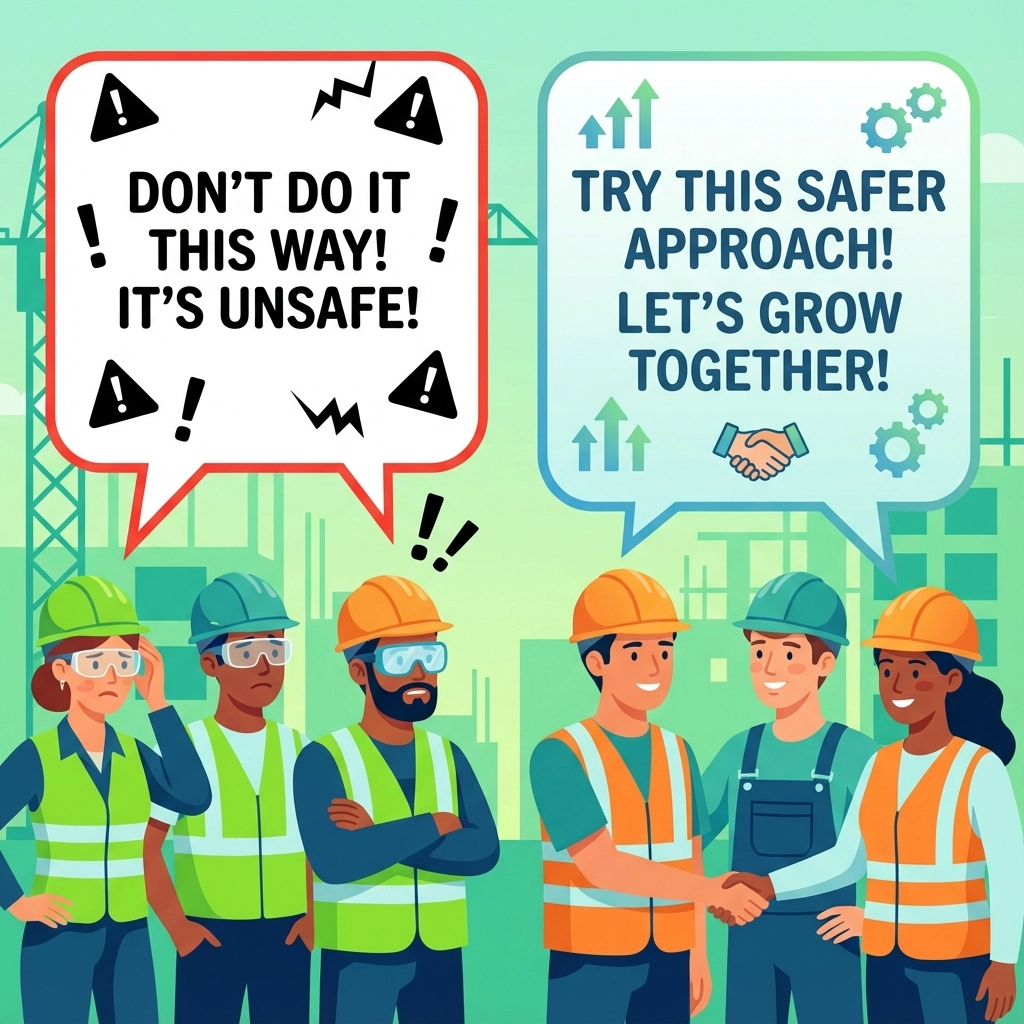
This isn't just about big safety moments. This approach works in daily interactions:
Instead of: "Your PPE compliance is slipping."
Try: "I have high expectations for how we model safety, and I believe you can meet them, that's why I want to talk about the PPE situation I noticed yesterday."
Instead of: "You need to improve your safety documentation."
Try: "I have high expectations for our record-keeping, and I believe you can meet them, that's why I'm sharing some specific feedback about the incident reports."
See the difference? Same message, completely different framing. One puts people on defense. The other invites them into partnership.
The Ripple Effect
Here's what happens when leaders start using this approach consistently: it spreads.
People start giving feedback to each other differently. They begin having harder conversations sooner instead of letting problems fester. The culture shifts from "gotcha" to "grow ya."
In safety terms, this is how you move from compliance culture to ownership culture. People don't just follow rules because they have to: they engage because they want to.
Your Leadership Check

Next time you need to give someone feedback, ask yourself:
- Am I delivering this to help them succeed or to cover myself?
- Do I genuinely believe they can improve, or have I already written them off?
- Am I prepared to let them process and respond in their own way?
- What will I do if they don't implement my suggestions exactly as I imagine?
Your answers reveal whether you're ready to lead or if you're still trying to control.
The 19-word sentence isn't magic—it's clarity about your intent. It's a commitment to seeing people as capable of growth, not just sources of problems.
And in a world where too many people feel unsafe to be honest, to make mistakes, or to ask for help, that clarity matters more than we might think.
Because everyone has the right to feel and be safe.


Comments
Post a Comment