The Connector: Why Relationships Are Your Strongest Safety Net
The Connector: Why Relationships Are Your Strongest Safety Net
![[HERO] The Connector: Why Relationships Are Your Strongest Safety Net](https://cdn.marblism.com/37HNDmSZupA.webp)
You know who catches the safety stuff nobody else sees?
The person who knows everyone's name. The one who remembers your kid started Little League last week. The one who can read the room in three seconds flat and knows something's off before anyone says a word.
That's The Connector.
They're not necessarily the safety officer. They're not always the supervisor. But they're the person everyone talks to. And in safety terms? That makes them one of your most valuable assets, or one of your biggest blind spots.
The Superpower Nobody Talks About
We spend a lot of time in safety talking about systems, procedures, and compliance. But the truth is, most safety incidents have a human element that shows up long before the accident.
Someone's distracted. Someone's rushing. Someone's working around a broken process because they don't want to make waves. Someone knows there's a problem but doesn't say anything because they don't want to be "that person."
The Connector sees all of it.
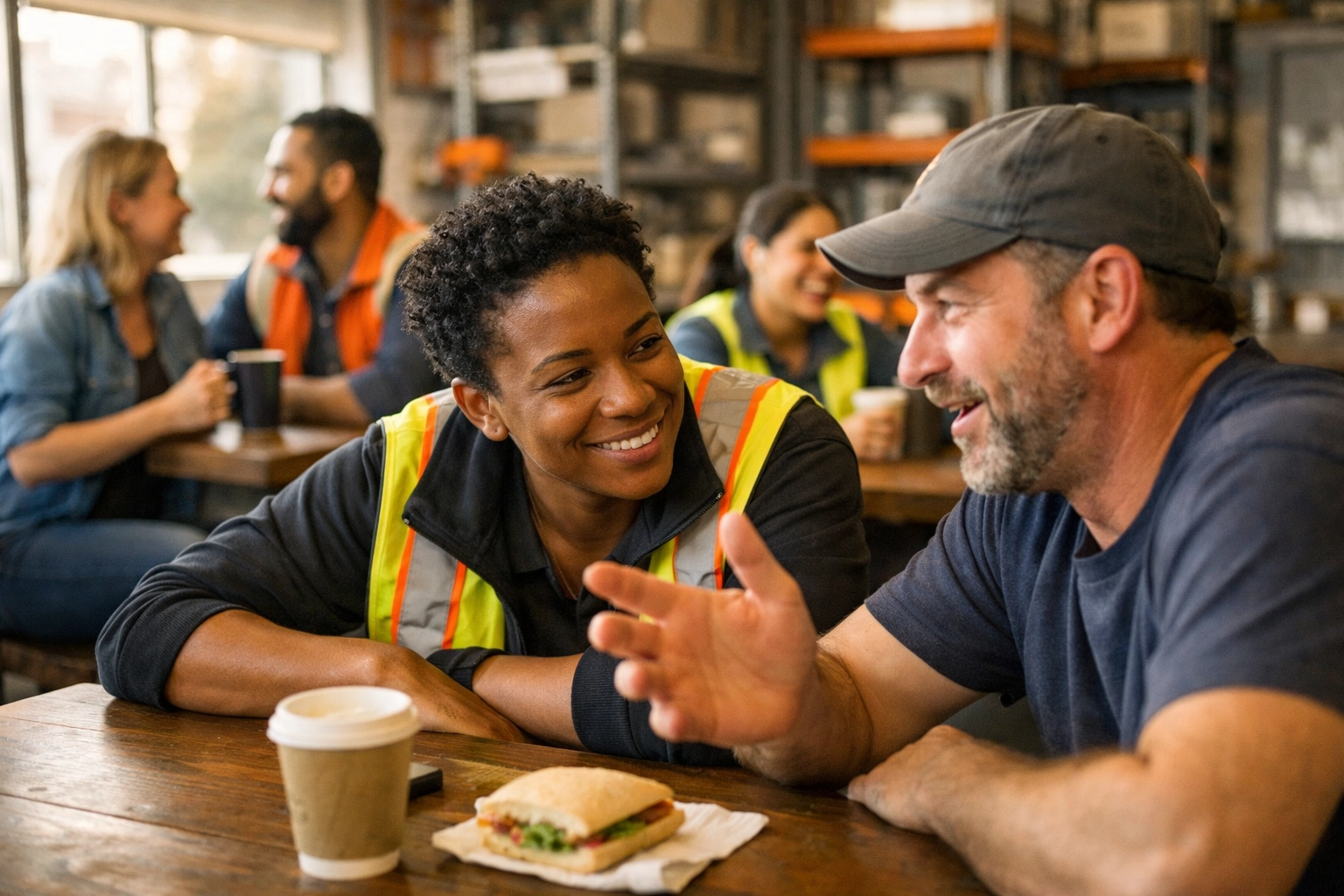
They notice when Maria stops joining the lunch table. They pick up on the tension between the day shift and night shift before it turns into a handoff disaster. They know which new hire is nodding along but completely lost, and which supervisor is about to burn out.
That social radar is a safety superpower. Because safety isn't just about catching hazards. It's about catching the human conditions that lead to hazards.
Where It Shows Up (And Why It Matters)
The Connector doesn't need a title to influence safety culture. They do it just by being who they are.
In a warehouse, they're the one who notices the temp worker standing alone during break, and realizes they haven't been trained on the new equipment yet.
In a retail shop, they're checking in with the closer who's been staying late every night and picking up on burnout before it leads to a trip hazard or a cash-handling mistake.
In an office, they're the one who makes sure the quiet person in the back gets heard in the safety meeting, because they know that person has actually been thinking about the ergonomics issue for weeks.
Connectors create psychological safety without even trying. People feel comfortable around them. And when people feel comfortable, they speak up. They ask questions. They report near-misses. They admit when they don't understand something.
That's not soft-skill fluff. That's incident prevention.
The Blind Spot: When Harmony Becomes a Hazard
But here's where it gets tricky.
The same trait that makes Connectors so valuable, caring deeply about relationships, can also become their biggest safety liability.
Because when you're wired to maintain harmony, you might avoid the conversation that disrupts it.
I've seen it play out a hundred different ways:
- The Connector who knows a coworker is cutting corners but doesn't say anything because "I don't want to get them in trouble."
- The Connector supervisor who avoids holding someone accountable because "we've worked together for years and I don't want to damage the relationship."
- The Connector who sees a hazard but doesn't report it because "everyone else seems fine with it, and I don't want to be difficult."
- The Connector who smooths over tension between team members instead of addressing the root cause, which is usually a safety-critical communication breakdown.
It's not malicious. It's not lazy. It's just the lens they're looking through: How do I keep everyone okay with each other?
But sometimes, keeping everyone comfortable means nobody stays safe.

The Tough Conversation Nobody Wants to Have
Let me be honest: relationship-focused people can be conflict-avoidant. Not always. But often enough that it creates risk.
And in safety, avoidance kills.
Avoidance looks like:
- Letting the "nice guy" slide on PPE because you don't want to be the bad guy.
- Not addressing the rushed handoff because "everyone's stressed and I don't want to add to it."
- Staying quiet in a meeting when you know the plan has a gap, because you don't want to undermine the person who proposed it.
- Covering for someone instead of having the hard conversation about why they're struggling.
The instinct is good. The outcome is dangerous.
Because when Connectors stay quiet to preserve relationships, they're prioritizing short-term comfort over long-term safety. And the irony? The relationship doesn't survive a serious injury or fatality. Neither does the trust.
What Changes When Connectors Shift Their Focus
The good news? When Connectors understand their blind spot, they become unstoppable.
Because they don't have to stop being relational. They just have to reframe what relationships actually require.
Real relationships can handle hard conversations.
In fact, the strongest relationships are built on honesty, not niceness. And in a safety context, that means Connectors can leverage their superpower, reading people, building trust, creating space for honesty, while also holding the line on what actually keeps people safe.
What it looks like when a Connector makes that shift:
- They speak up because they care about the person, not in spite of it. ("Hey, I need to talk to you about the shortcut you took yesterday. I'm worried you're going to get hurt, and I actually care about you too much to let that slide.")
- They address team tension because it's a safety issue, not just a people issue. ("We've got to sort out this handoff breakdown. It's not about blame: it's about making sure nobody gets hurt because of miscommunication.")
- They use their influence to normalize speaking up. ("I know it feels awkward to stop the line, but we all agreed we'd rather deal with awkward than deal with an injury. Let's model that.")
- They turn their relationship-building into a safety tool. (Checking in on people before they burn out. Creating space for new hires to ask "dumb questions." Building trust so people report near-misses without fear.)
When Connectors do this, they don't lose relationships. They deepen them. Because people respect honesty. They trust people who care enough to tell the truth.
The Small Shifts That Make a Big Difference
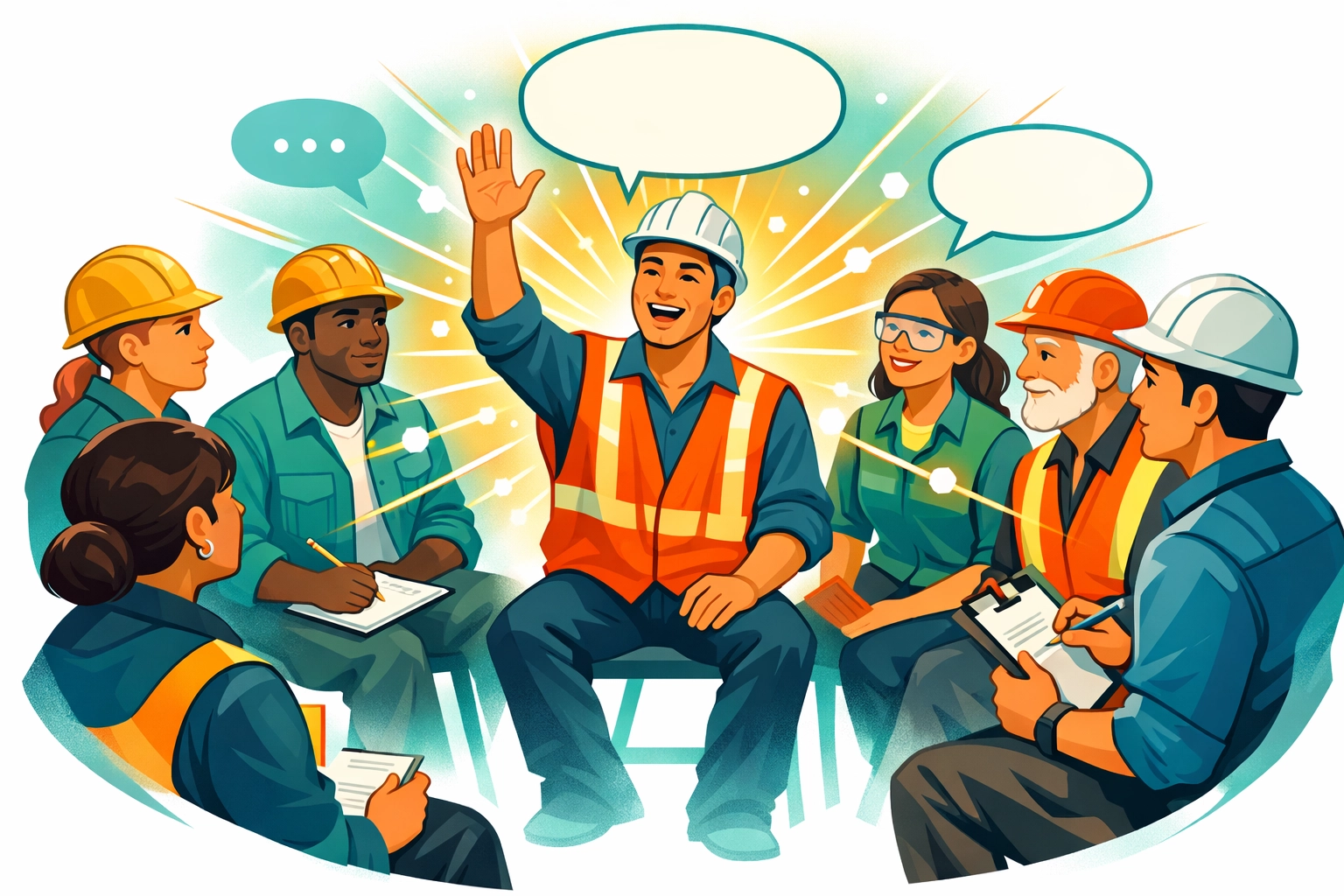
If you're a Connector (or you manage one), here's where to start:
1. Reframe "difficult" conversations as care.
The conversation isn't difficult because you're being mean. It's difficult because you care enough to say something. That mindset shift changes everything.
2. Practice speaking up in low-stakes moments.
Start small. Ask a clarifying question in a meeting. Point out a minor hazard. Build the muscle before the high-stakes moment arrives.
3. Separate "the person" from "the behavior."
You can hold someone accountable for a safety shortcut without rejecting them as a person. Connectors are great at this once they give themselves permission.
4. Use your influence to create reporting culture.
You already have trust. Use it to model vulnerability. ("I almost missed that hazard yesterday: glad I caught it. Let's all keep our eyes open.") When Connectors normalize speaking up, everyone else follows.
5. Remember: Silence isn't neutral.
When you stay quiet about a safety concern, you're not keeping the peace. You're letting risk build. And eventually, that silence costs someone something: maybe their health, maybe their life.
Why This Matters More Than You Think
Safety culture doesn't live in the policy manual. It lives in the daily interactions between people.
And Connectors shape those interactions more than anyone else.
When Connectors are empowered to speak up: when they understand that honesty is care, and boundaries are respect: they don't just create safer workplaces. They create cultures where people actually look out for each other. Where new hires feel safe asking questions. Where near-misses get reported. Where burnout gets caught early.
That's not safety theater. That's real prevention.
So if you're a Connector, own it. Your relationships are your strength. Your instinct to care is a gift. Just make sure you're caring enough to have the hard conversations: because those are the ones that actually keep people safe.
And if you manage a Connector, give them the language and permission to use their influence for safety, not just harmony. Because when they do, they become one of the most powerful safety leaders you've got.
Because everyone has the right to feel and be safe.
Janel Penaflor, The Safety Disruptor™


Comments
Post a Comment