Top 5 Leadership Myths That Sabotage Workplace Safety
Top 5 Leadership Myths That Sabotage Workplace Safety
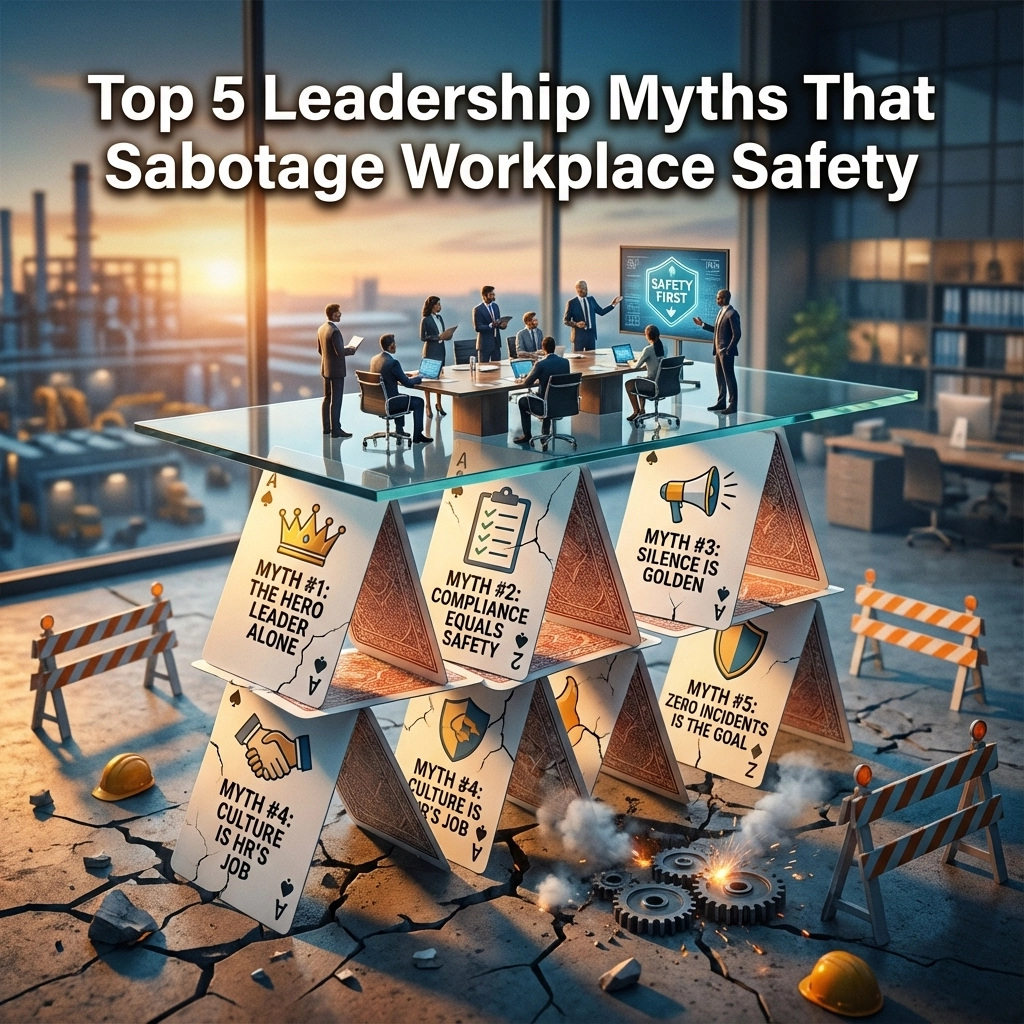
Let me be honest with you: after investigating too many workplace fatalities, I've noticed a pattern. It's not that leaders don't care about safety. Most of the executives I work with genuinely want their people to go home safely every day. The problem is that deeply ingrained beliefs about how safety works are quietly sabotaging their best intentions.
These aren't character flaws or moral failures. These are myths that sound logical on the surface but create psychological barriers that turn safety into something we fight against instead of something that supports our success. Here's the thing: recognizing these beliefs is the first step toward building the kind of safety culture that actually protects people.
Myth #1: The "Safety vs. Productivity" Trade-off
The Belief: "Implementing strict safety protocols will slow down our operations and make us less competitive."
I get it. When you're under pressure to hit numbers, safety meetings and procedures can feel like speed bumps. But here's what I've learned from working with companies across industries: this belief creates a false choice that ends up costing you both safety AND productivity.
The Reality: High-performing companies prove that safety and efficiency are actually partners, not competitors. Unsafe environments are the ultimate productivity killers. Think about it: a serious injury shuts down your entire operation for investigation. Equipment damage from incidents costs way more than prevention. High turnover from people who don't feel safe destroys your training investment.
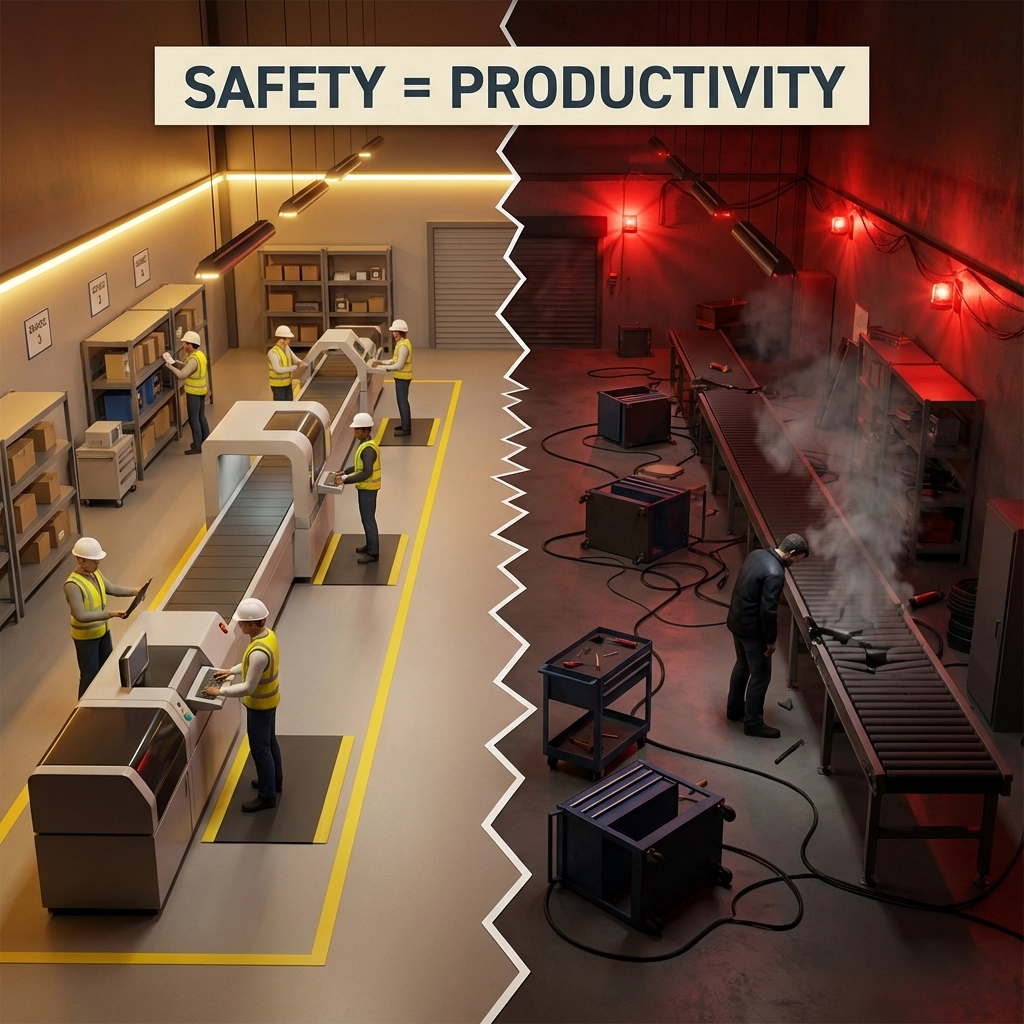
The Takeaway: Instead of asking "How can we speed this up?" start asking "How can we do this safely AND efficiently?" The answer usually involves better process design, not cutting corners.
Myth #2: The "Safety is a Cost Center" Mentality
The Belief: "Safety is an expensive overhead that eats into our profit margins."
When safety gets lumped into the "expense" category, it becomes something we try to minimize rather than optimize. I've seen leaders approve million-dollar equipment purchases without blinking, then hesitate over a $5,000 safety training program.
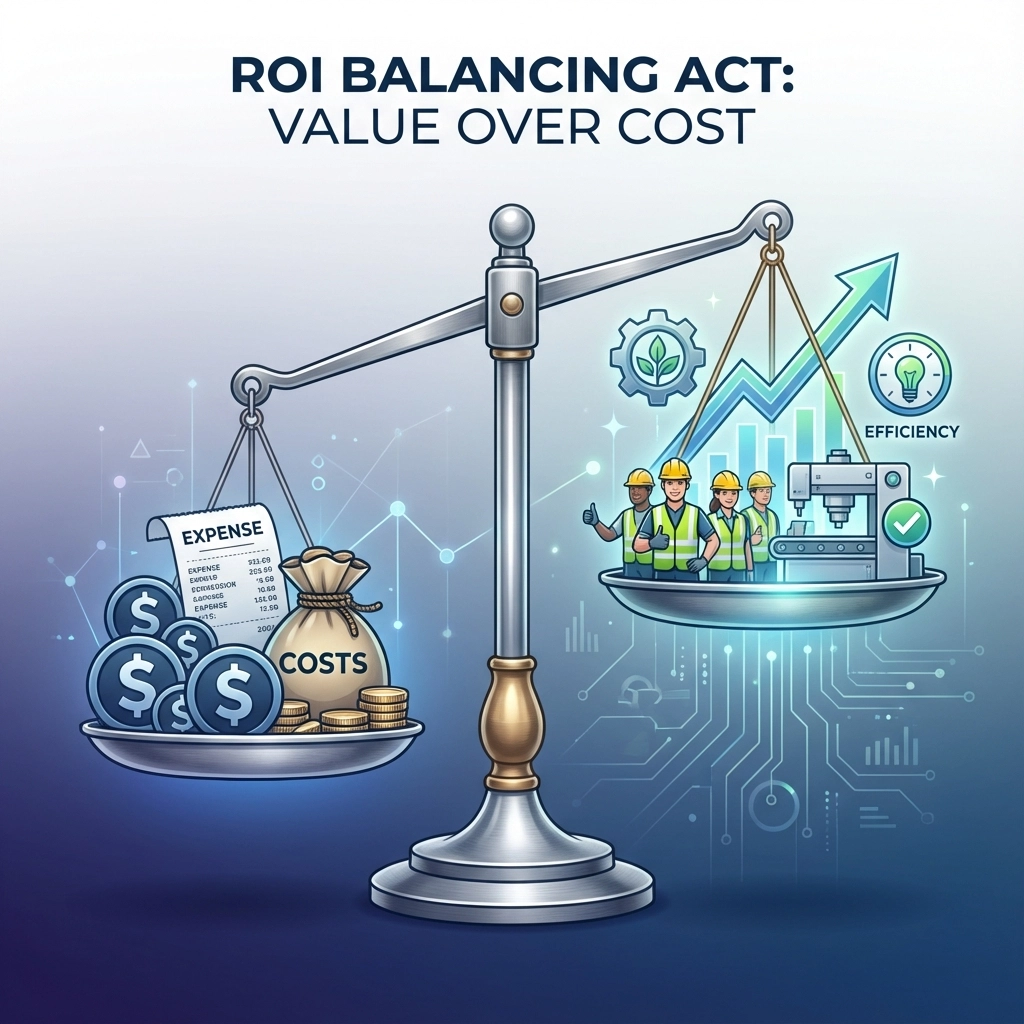
The Reality: Safety generates measurable ROI, but not always in ways that show up immediately on a P&L statement. Lower workers' comp costs, reduced OSHA fines, decreased equipment damage, higher employee retention, improved productivity: these add up fast. One serious incident can cost more than your entire annual safety budget.
The Takeaway: Start tracking the full cost of incidents, including indirect costs like investigation time, replacement worker training, and lost productivity. You'll quickly see that safety isn't a cost: it's one of your highest-return investments.
Myth #3: The "Common Sense" Fallacy
The Belief: "People should just use common sense. If someone gets hurt, it's because they weren't paying attention."
This one hits close to home for me. I've investigated incidents where everyone said the worker "should have known better." But when I dug deeper, I found that the person was working a double shift, dealing with equipment that hadn't been properly maintained, and under pressure to meet an impossible deadline.
The Reality: "Common sense" doesn't account for fatigue, stress, conflicting priorities, or poorly designed processes. Most incidents happen to good people trying to do their jobs under conditions that only management can control. Relying on common sense is actually relying on luck: and luck runs out.
The Takeaway: When an incident happens, ask "What system failure allowed this to occur?" instead of "What did this person do wrong?" This shifts focus to factors you can actually control and improve.
Myth #4: The "Compliance Equals Safety" Delusion
The Belief: "We're already compliant with all regulations, so we don't need to do anything more."
Here's the thing: compliance is like having a driver's license. It means you've met the minimum requirements to operate, not that you're an expert driver. OSHA standards are designed to prevent the most common, most severe hazards, but they're not a complete safety system.
The Reality: Compliance keeps you out of legal trouble, but it won't necessarily keep your people out of the hospital. True safety culture goes beyond checking boxes to address the daily behaviors, communication patterns, and psychological safety that determine whether people actually follow procedures when nobody's watching.
The Takeaway: Use compliance as your foundation, not your ceiling. Ask your team, "What hazards are we facing that aren't covered by regulations?" Their answers will surprise you.
Myth #5: The "Individual Blame" Bias (The "Bad Apple" Theory)
The Belief: "We have good safety rules; it's just a few 'bad apples' who don't follow them."
This is the most dangerous myth because it feels so reasonable. It's natural to want simple explanations for complex problems. But every time we blame individual workers for system failures, we miss the opportunity to prevent the next incident.
The Reality: Human error is usually a symptom, not the cause. When someone makes a mistake, it's often because they're working within a system that makes mistakes more likely: unclear procedures, competing priorities, inadequate training, or equipment that doesn't work as designed.

The Takeaway: Train yourself to ask "How did our system contribute to this error?" instead of "Who screwed up?" This mindset shift is crucial for building systems that support good decisions instead of just hoping for them.
Moving Forward Together
I share these myths not to point fingers, but because recognizing them is the first step toward building something better. Every leader I work with has believed at least one of these at some point: I certainly have. The goal isn't perfection; it's progress.
The truth is, most safety problems aren't technical problems: they're people problems. And people problems require understanding how different individuals think, what motivates them, and what they need to feel safe enough to speak up when something's wrong.
That's exactly why we developed the PERSONA Framework: to help leaders move beyond one-size-fits-all approaches and start connecting with their teams as humans, not just workers. Because when people feel understood and supported, they don't just follow safety rules: they become safety champions.
Because everyone has the right to feel and be safe.


Comments
Post a Comment