What Actually Kills People at Work
What Actually Kills People at Work (From Someone Who's Seen Too Many)

I remember her name. Sarah. Twenty-eight years old, two kids, worked the night shift at a chemical plant. When I got the call to look into what happened, I expected the usual—faulty equipment, a missing guard, an incomplete procedure. What I found that night reshaped how I think about safety.
Sarah died because she trusted Mike.
Mike had been running that same process for fifteen years. He was the guy everyone went to when they had questions. Reliable, experienced, respected. That night, he made a small decision to deviate from the lockout procedure. Just a tiny shortcut he'd probably taken a hundred times before. Sarah, being newer, followed his lead. The equipment energized unexpectedly. She didn't make it home.
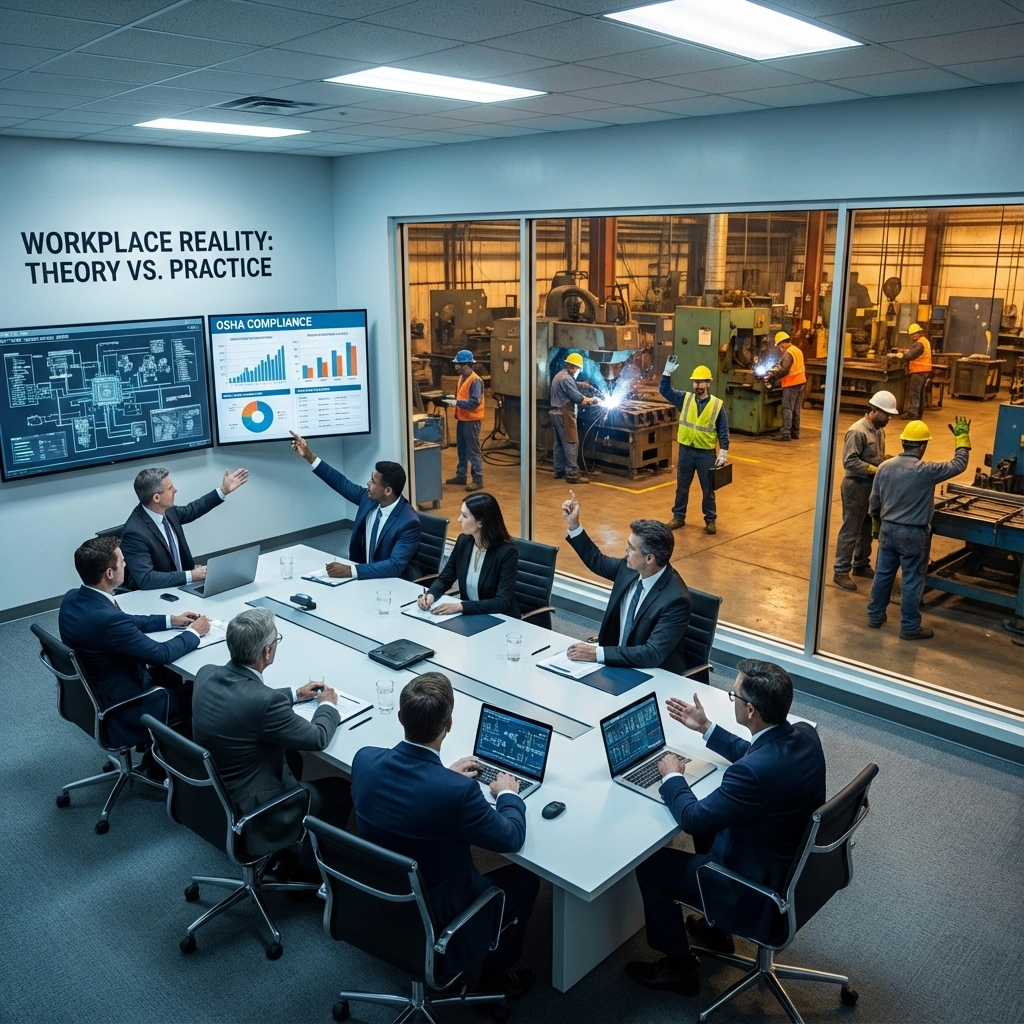
Here's the thing: every single piece of safety equipment was working perfectly. Every procedure was documented and up to date. The plant had recently passed their compliance audit with flying colors. On paper, everything looked great.
But Sarah still died.
And that's the hard truth I've learned from too many investigations over the years: what actually kills people is rarely what we're measuring.
The Numbers Don't Lie (But They Don't Tell the Whole Story Either)
I'll be straight with you—there's something we don't talk about enough: most workplace incidents involve human factors. Yet walk into any safety meeting, and what are we talking about? Equipment calibration. Procedure updates. Compliance metrics.
Don't get me wrong: those things matter. But they're often not what puts people at real risk.
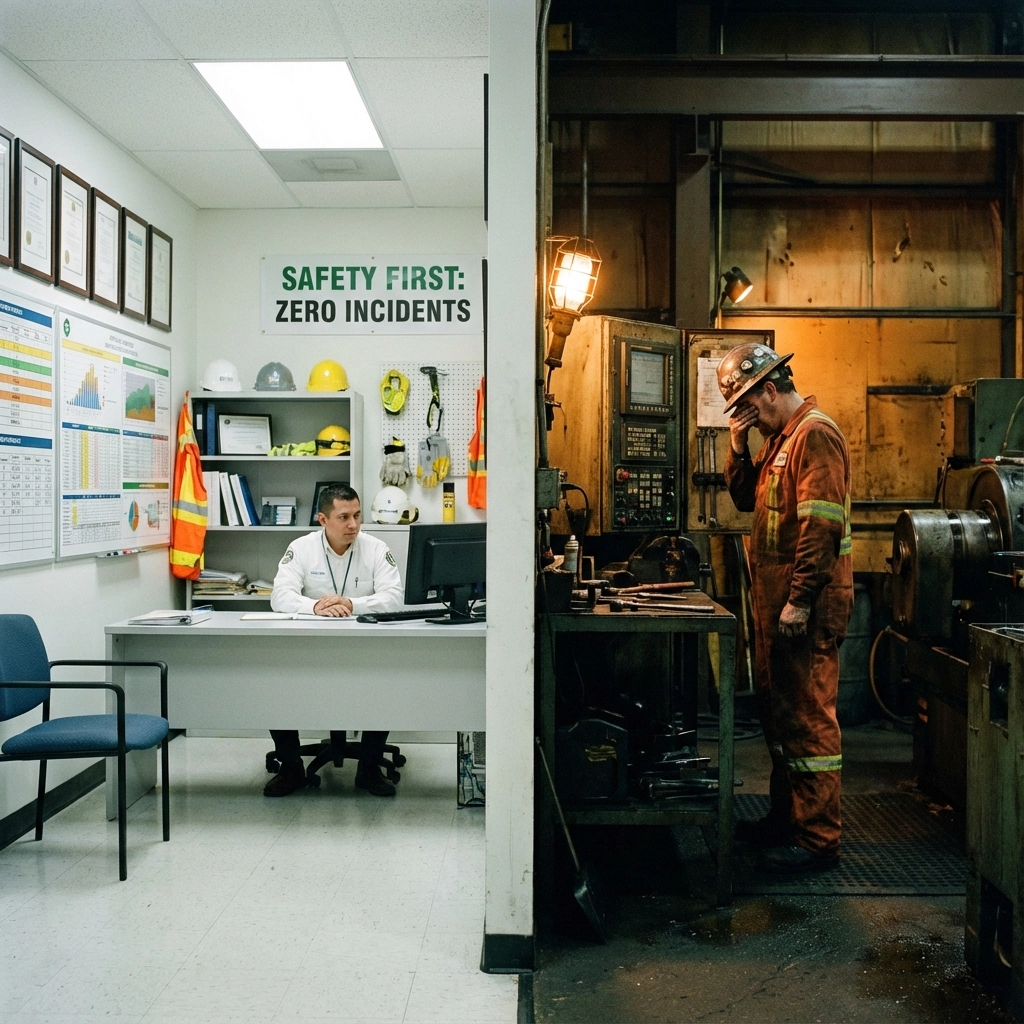
I've stood in more workplaces than I can count, looking at scenes no one should have to see, talking with grieving coworkers and devastated families. And the pattern is almost always the same: the fatal incident wasn't caused by what we thought it would be.
The crane operator who died when his crane tipped over? The crane was mechanically sound. The ground conditions were within spec. But he was rushing because production was behind, and his supervisor had been breathing down his neck all week about meeting quotas.
The maintenance worker who was electrocuted? The electrical system was properly designed and installed. The lockout procedure existed and was detailed. But his team was short-staffed, he was working overtime for the third week straight, and he made a split-second decision that normally would have been fine.
The construction worker who fell from scaffolding? The scaffolding met all regulatory requirements. His harness was certified and properly maintained. But he was a new guy trying to prove himself, working alongside veterans who treated safety equipment like an annoyance rather than protection.
We're Fighting Yesterday's War
Here's what's really happening: we're treating symptoms instead of causes. We see an incident, identify the immediate mechanical or procedural failure, and build our prevention strategy around that. It's like trying to stop drowning by making the water shallower instead of teaching people how to swim.
Think about your last safety meeting. How much time did you spend talking about new regulations, equipment upgrades, or procedure revisions? Now how much time did you spend talking about why Jim seems disengaged lately, or how the pressure to meet deadlines is affecting decision-making on the floor?
I have a hunch I know which one got more airtime.
The causes that actually matter—the human factors—aren't the things that show up on your compliance checklist. They're the invisible forces that shape how people think, feel, and make decisions in the moment when it counts most.
What Actually Kills People at Work
After years of doing this work, I've seen the same human patterns again and again—not random mechanical failures:
They die from normalization of deviance. That slow drift where shortcuts become the new normal. Where "just this once" turns into "the way we've always done it." Mike didn't intend harm—those fifteen years of tiny shortcuts added up.
They die from production pressure. When the message—spoken or unspoken—is that the schedule matters more than following procedures, people choose the schedule more often than not. In the moment, the guaranteed consequence of a missed deadline feels more real than the one-in-a-thousand chance something goes wrong.
They die from miscommunication and assumptions. The operator who assumed the maintenance crew had finished their work. The maintenance crew who assumed the operator knew they were still in the equipment. The supervisor who assumed everyone understood the new procedure.
They die from fatigue and cognitive overload. Twelve-hour shifts. Mandatory overtime. Working understaffed. Your brain literally stops working correctly when it's exhausted, but we act like willpower can overcome biology.
They die from social dynamics. The new guy who doesn't want to ask questions. The veteran who can't admit he doesn't understand the new technology. The team that's developed a culture where pointing out problems makes you "difficult."
They die from conflicting priorities. When safety rules collide with getting the job done—and leadership hasn't made it crystal clear which one comes first—people tend to choose productivity. Productivity has immediate, visible rewards. Safety's rewards show up when nothing happens.
The Human Factor Reality
Here's what we rarely say out loud: people aren't broken machines to be fixed. We're humans doing what humans do—making decisions based on our understanding of the situation, our past experiences, current pressures, and our unique wiring.
If we think we can control human behavior with more procedures and more training, it's like a chef trying to make a perfect meal by buying better ingredients but never learning how to cook.
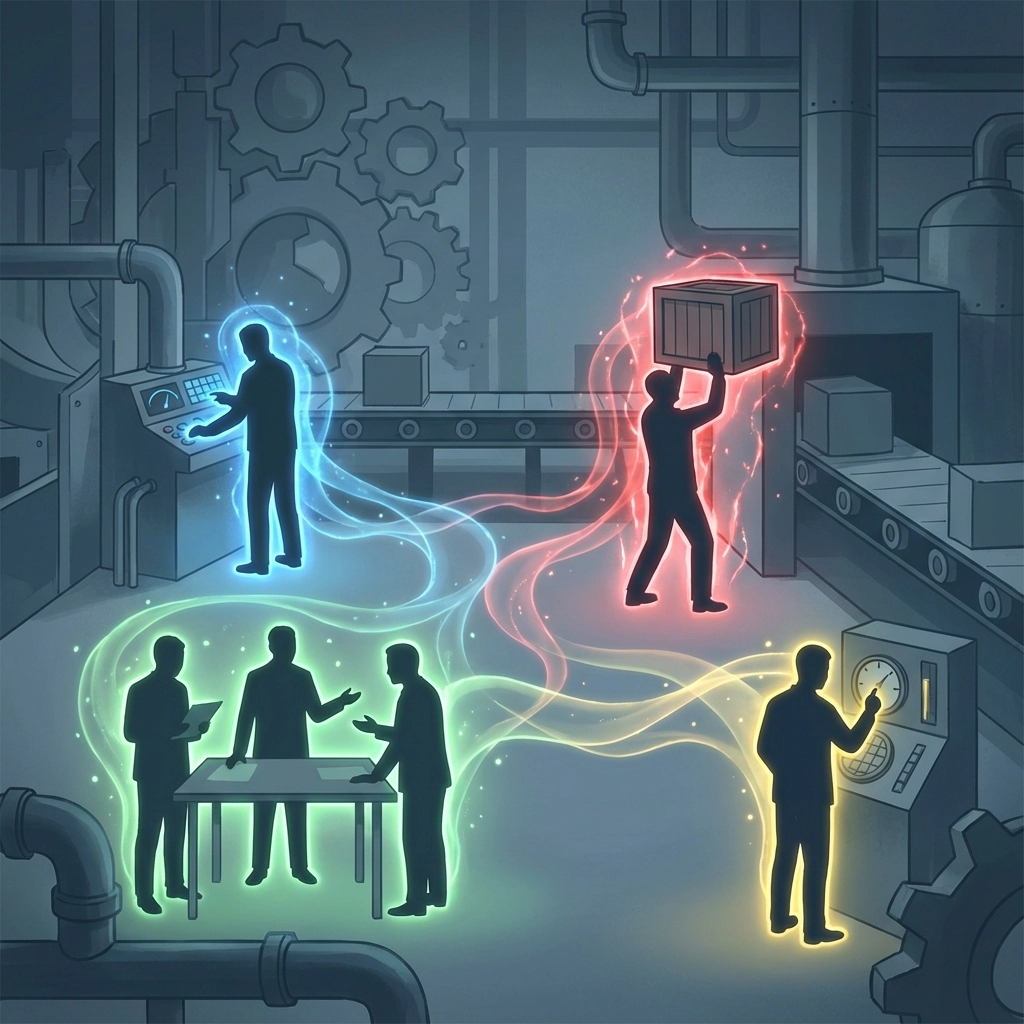
Different people are motivated by different things. They process risk differently. They respond to authority differently. They handle stress differently. But our safety programs treat everyone like they're identical widgets who will all respond the same way to the same interventions.
That's not how humans work. That's never been how humans work.
The Guardian—the person who naturally watches out for others—will engage with safety differently than the Achiever focused on results, the Skeptic who questions everything, or the Adventurer who's comfortable with risk.
But we give them all the same training, the same rules, the same motivational posters, and then wonder why some people "get it" and others don't.
The Path Forward Starts With Truth
If you've read this far, you might feel a little uncomfortable. I get it. It means you're ready to be honest about what's really happening.
Most safety programs prevent plenty of incidents. But they often miss the ones that matter most—the fatalities and serious injuries that happen because humans are being human inside systems that don't fully account for humans.
We can't regulate our way to safety. We can't train our way to safety. We can't poster our way to safety. We have to understand our way to safety.
The people getting hurt or killed at work aren't bad, careless, or stupid. They're people whose wiring, circumstances, and workplace pressures combined in a way that made a risky decision seem reasonable in that moment.
Until we start designing safety around how humans actually think and behave—instead of how we wish they would—we'll keep having the same conversations, writing the same reports, and losing the same good people.
Sarah's kids deserved better. The next Sarah's kids deserve better. And the only way they're going to get better is if we stop lying to ourselves about what actually kills people at work.
Because everyone has the right to feel and be safe.


Comments
Post a Comment