Big Energy: The 10 Hazards That Actually Matter
Big Energy: The 10 Hazards That Actually Matter
![[HERO] Big Energy: The 10 Hazards That Actually Matter](https://cdn.marblism.com/ph4JUS2SteP.webp)
Here's the thing about safety programs: we spend a ridiculous amount of time tracking papercuts, twisted ankles, and bumped heads. Meanwhile, the hazards that actually kill people? They're hiding in plain sight.
Let me be blunt. A worker who sprains their ankle on a staircase and a worker who falls forty feet from a scaffold are not experiencing different severities of the same event. They're experiencing completely different events with completely different energy sources. Reducing ankle sprains will not reduce scaffold falls. Full stop.
This is the pyramid fallacy we talked about earlier in this series: the idea that if we just reduce enough minor injuries, fatalities will magically decrease too. The research is clear: it doesn't work that way. Ninety percent of serious injury and fatality events involve specific high-energy hazards that are categorically different from the stuff that fills up your incident reports.
So let's talk about what actually matters.
Energy Doesn't Care About Your Safety Binder
SIF prevention: that's Serious Injury and Fatality prevention: is fundamentally about managing energy. Not checking boxes. Not compliance theater. Energy.
Think about it: every catastrophic workplace injury involves energy being released in an uncontrolled way. A fall from height? That's gravitational energy. An arc flash? Electrical energy. A chemical release? You get it.
The problem is we've built safety programs around paperwork instead of physics. We audit whether someone filled out the JSA correctly, but we don't ask: "What energy sources are present? What happens if that energy gets released? And what's stopping it from happening?"
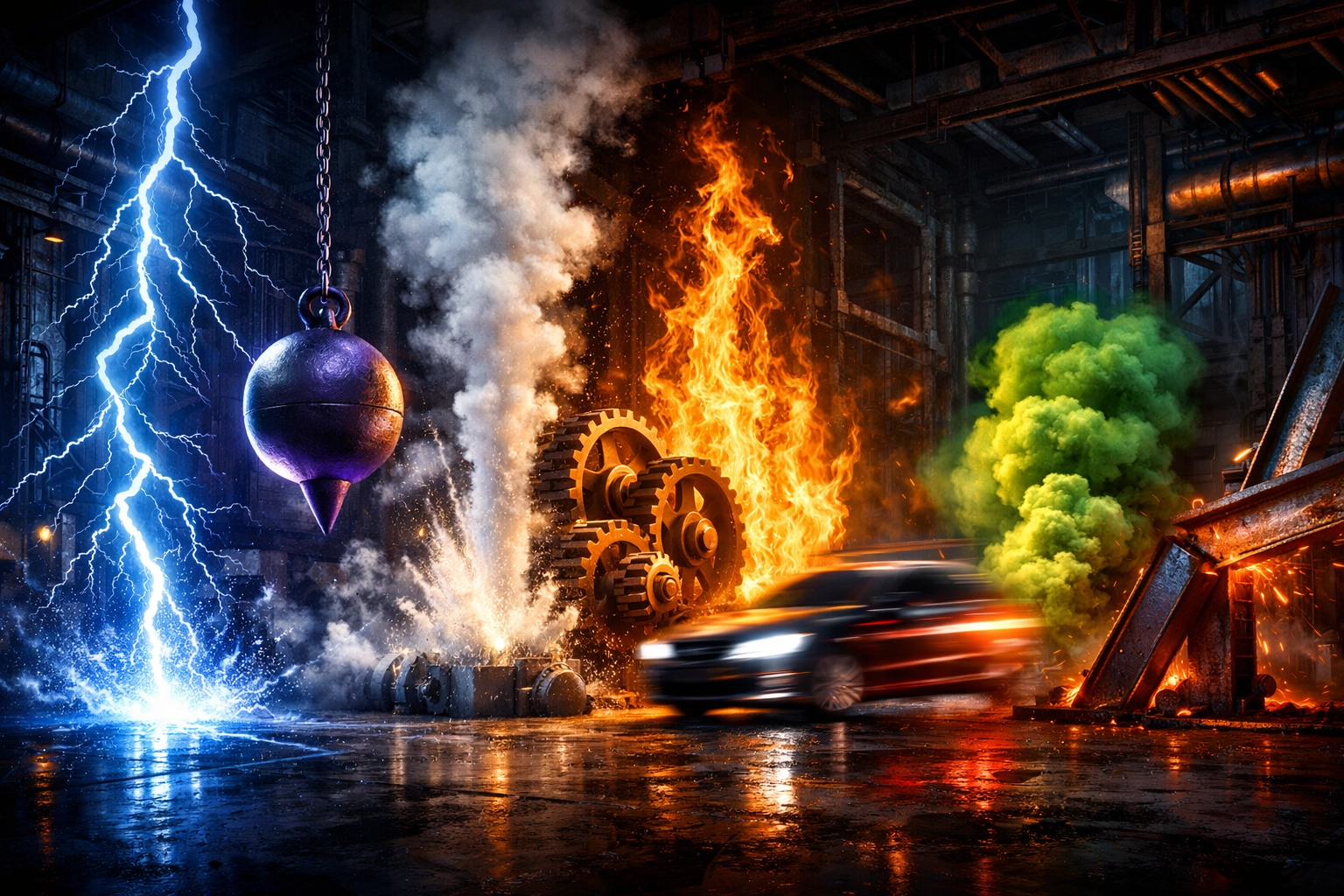
The 10 Hazards That Actually Kill People
After decades of data analysis across industries, researchers identified ten high-energy hazard categories that account for the vast majority of workplace fatalities. Not a hundred. Not fifty. Ten.
Here they are, grouped by the type of energy they involve:
Gravity Wants You Dead
Falls from Height and Structural Failure are both about gravitational potential energy. When you're six feet up (or sixty), you've stored energy that wants to be released. A scaffold collapse, a trench cave-in, a fall through a skylight: these aren't random accidents. They're predictable energy releases that happen when we lose respect for gravity.
The scariest part? Your body doesn't know the difference between falling six feet and falling sixty. Both can kill you. The physics are brutal and unforgiving.
Motion in All Its Forms
Struck-By/Line of Fire, Caught-In/Caught-Between, and Vehicle-Pedestrian Interface all involve kinetic energy: stuff that's moving.
A forklift backing up. A piece of flying debris. A worker's hand pulled into rotating equipment. A crane load swinging overhead. These are mass-times-velocity situations where being in the wrong place at the wrong time means you're absorbing energy your body was never designed to handle.
I mean that literally. The human body can withstand about 50 Gs of force for a fraction of a second. Beyond that, you're looking at catastrophic injury or death. When a two-ton vehicle hits a pedestrian, the math is simple and horrible.
The Energy You Can't See
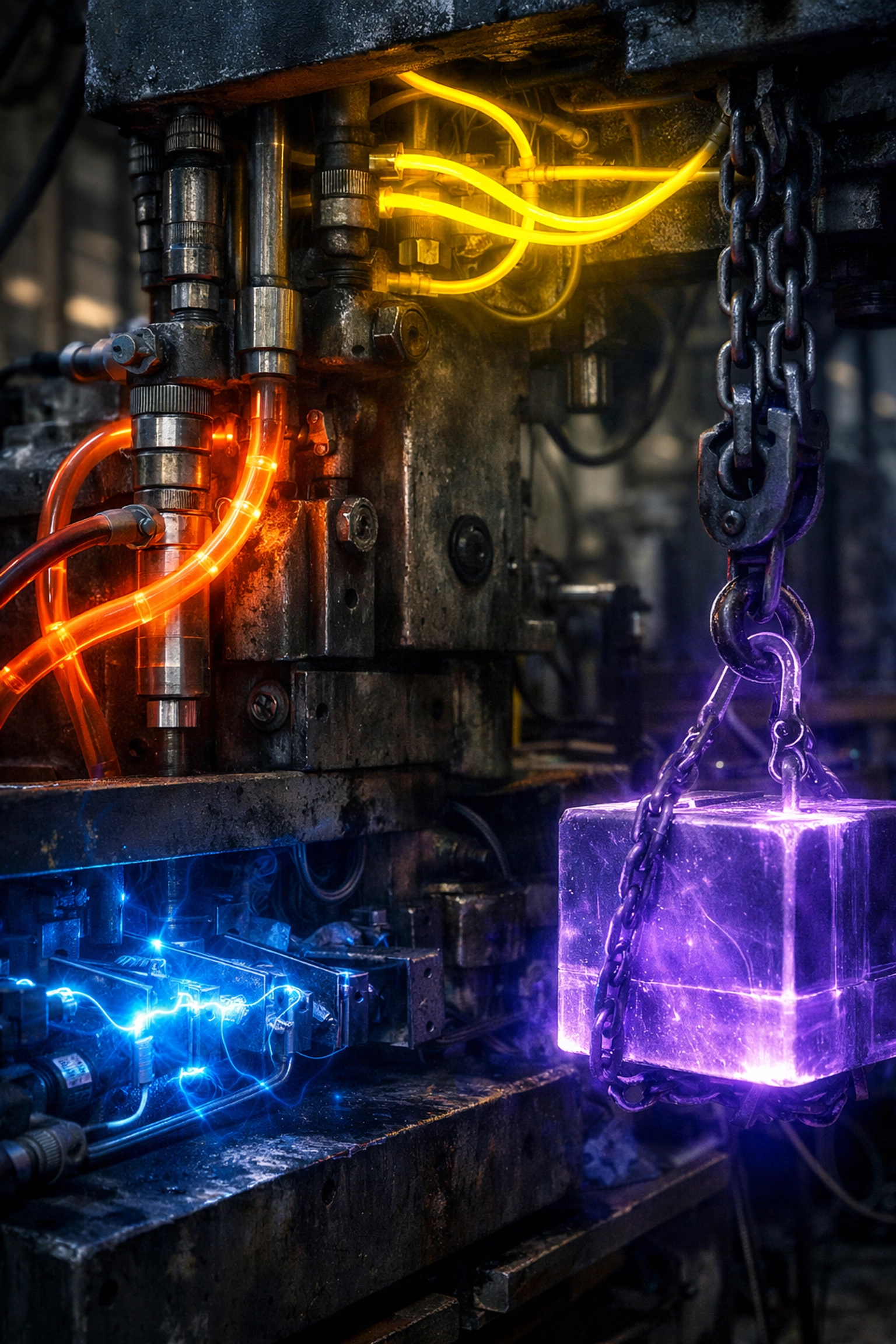
Energy Isolation Failures happen when we don't properly control stored energy during maintenance or servicing. This is your lockout/tagout failures: except it's not just electrical. It's:
- Hydraulic pressure waiting to release
- Pneumatic systems under compression
- Springs under tension
- Suspended loads that can drop
- Hot surfaces that can burn
- Chemicals under pressure
A machine that's "off" isn't necessarily safe. If it still has stored energy, it can still kill someone. This category is responsible for some of the most preventable fatalities because the hazard is invisible until someone gets hurt.
Atmosphere as Enemy
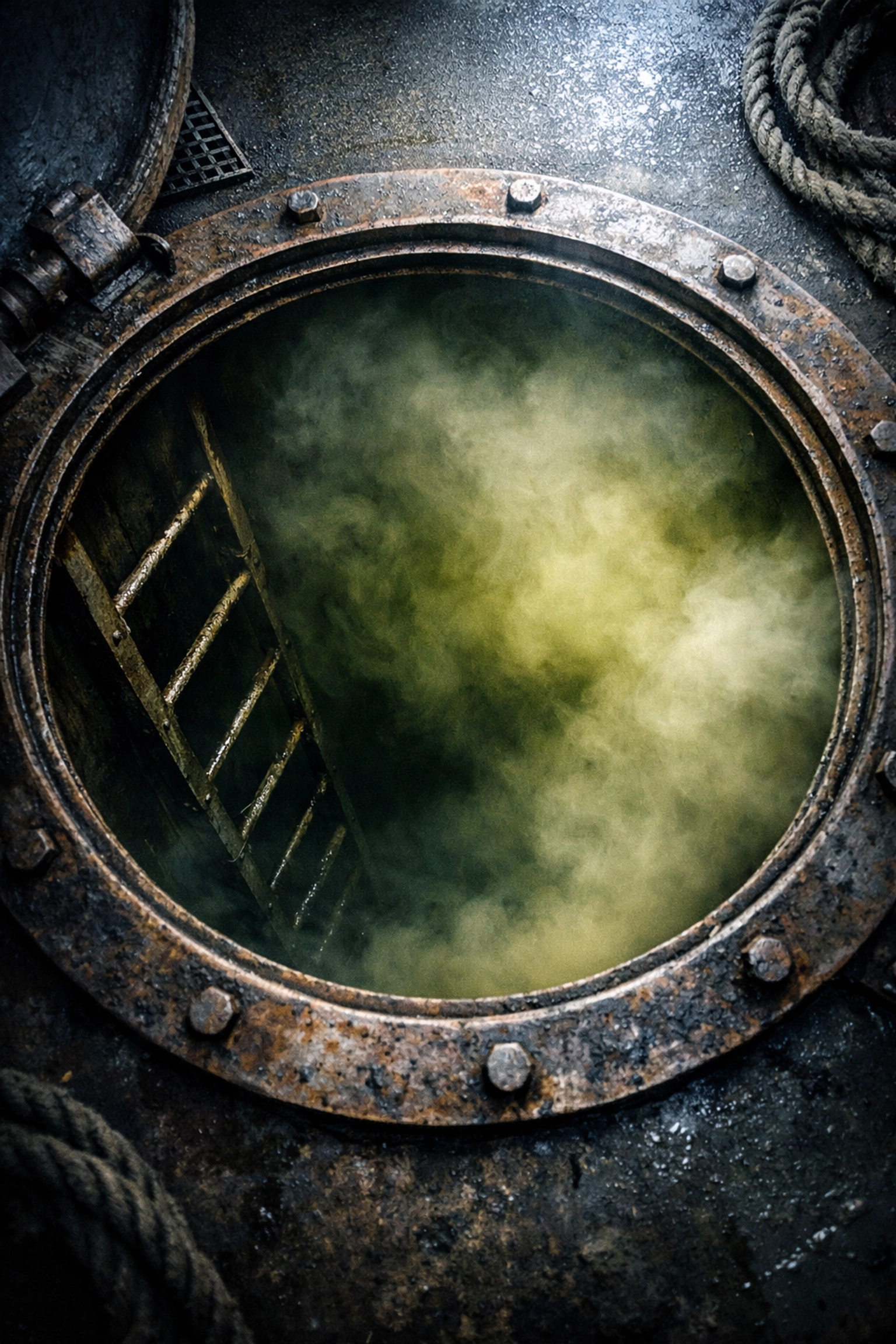
Confined Space Hazards combine atmospheric dangers with restricted escape routes. Oxygen deficiency, hydrogen sulfide, explosive concentrations of methane: these aren't "bad air" situations. They're environments where the atmosphere itself becomes a hazard that can incapacitate you in seconds.
Add in the fact that you can't easily get out, and you've got a recipe for disaster. The tragic pattern: one worker goes down, a coworker tries to rescue them without proper equipment, and now you've got two victims.
When Electricity Decides to Take a Shortcut
Electrical Contact hazards involve energy that flows through paths of least resistance. Unfortunately, the human body is an excellent conductor. Arc flash events can release temperatures hotter than the surface of the sun. Contact with energized conductors stops your heart.
The terrifying thing about electrical energy? It moves at the speed of light. There's no reaction time. No chance to jump back. You're either protected before you start work, or you're not.
Chemical Chaos
Chemical/Process Releases involve chemical energy: the energy stored in the bonds between atoms. When toxic, corrosive, or reactive materials escape containment, you're dealing with substances that can poison, burn, or explode.
Think hydrogen sulfide knocking someone unconscious. Ammonia burning airways. Chlorine gas displacing oxygen. These aren't "exposure" incidents you report to a doctor later. They're acute, immediate, catastrophic events.
Heat You Can't Ignore
Thermal Hazards involve thermal energy from fire, explosion, molten metal, steam, or cryogenic materials. Burns severe enough to cause death don't require open flames: contact with surfaces above 160°F for just a few seconds can cause third-degree burns.
Flash fires, steam releases, molten metal splashes: these hazards move fast and cause damage faster. By the time you feel the heat, you're already burned.
Why This List Matters
These ten categories aren't arbitrary. They represent the physics of workplace fatalities. Every industry has its own flavor: construction worries more about falls, chemical plants worry more about process releases: but the underlying energy sources are the same.
And here's what makes this powerful: when you organize your SIF prevention efforts around these ten categories, you stop chasing ghosts. You stop treating every incident as equally important. You focus your resources on the hazards that can actually kill someone.
Respect the Energy
The phrase "Respect the Energy" isn't just a catchy slogan. It's a complete mindset shift.
Traditional safety programs teach people to follow procedures. Energy-based safety programs teach people to understand what they're dealing with. When you respect the energy, you:
- Recognize when you're in the presence of a high-energy hazard
- Understand what would happen if that energy got released
- Know what controls are in place to prevent release
- Have the confidence to stop work if those controls aren't adequate
A worker who truly respects gravitational energy doesn't lean out over an unguarded edge just because it's "quick." A worker who respects electrical energy doesn't bypass lockout because "it'll only take a minute." A worker who respects kinetic energy doesn't walk under suspended loads.
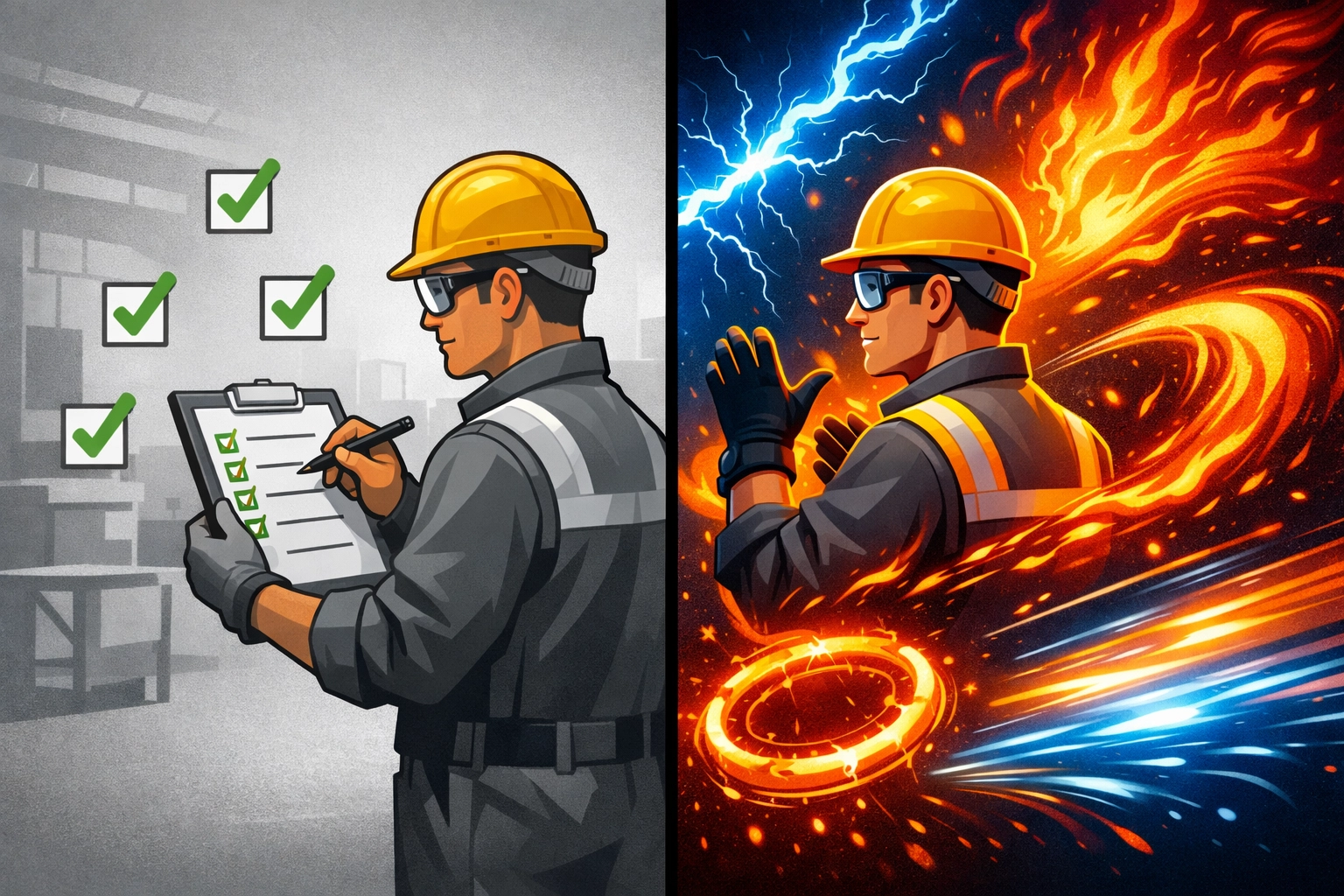
The Human Side of High-Energy Hazards
Here's where personality comes in. Different Safety Archetypes have different blind spots when it comes to high-energy hazards.
The Achiever might recognize the hazard but override their own judgment under production pressure: "I know this isn't safe, but we're behind schedule."
The Harmonizer might see a coworker taking a dangerous shortcut and stay silent because they don't want conflict.
The Adventurer might minimize the risk: "I've done this a hundred times, it's fine."
Understanding your own archetype helps you recognize your specific vulnerability pattern. It's not about changing who you are. It's about building awareness of your psychological blind spots in relation to the physical hazards around you.
What This Means for Your Workplace
If you're serious about preventing fatalities, start here:
Map your high-energy hazards. Which of these ten categories are present in your workplace? Where? When? Be specific.
Assess your controls. What's preventing that energy from being released uncontrollably? How reliable are those controls? What happens if they fail?
Train for energy awareness. Help workers understand the energy they're dealing with, not just the procedure they're supposed to follow.
Connect archetypes to hazards. Which personality patterns in your workforce create elevated risk for specific energy categories?
This isn't complicated. It's physics plus psychology. Energy plus awareness. The hazards that kill people aren't mysterious: they're predictable, manageable, and preventable when we stop treating safety like a paperwork exercise and start treating it like the life-or-death energy management system it actually is.
Because everyone has the right to feel and be safe.


Comments
Post a Comment