Curing Change Fatigue: The Power of the 5-Day Promise
Curing Change Fatigue: The Power of the 5-Day Promise
![[HERO] Curing Change Fatigue: The Power of the 5-Day Promise](https://cdn.marblism.com/yfM-_kvvqSi.webp)
Picture this: You walk into the break room with your new safety initiative. You've got slides, you've got enthusiasm, you've got a rollout plan. And what do you get? Not pushback. Not resistance. Just… tired eyes. A few polite nods. The body language that says, "Sure, buddy. We'll see how long this one lasts."
That's change fatigue. And if you're reading this, you've probably felt it.
Here's the thing about change fatigue: it's not laziness. It's not people being difficult. It's something way more rational: learned helplessness born from broken promises.
When your workforce has watched seven safety programs launch with fanfare and quietly die within 18 months, they've learned the most efficient survival strategy: wait it out. Don't invest. Don't get your hopes up. Just keep your head down until this one fades too.
The 67-Year-Old Facility That Had Seen It All
Let me tell you about a precision manufacturing plant we worked with. This place had been around since 1959. The average employee tenure was 24 years. Think about that: people who'd been there longer than some safety managers had been alive.
Their TRIR sat at 5.4. Not catastrophic, but not great. But the real problem wasn't the injury rate: it was the collective exhaustion. Seven failed safety initiatives over 20 years. Each one had started the same way: big kickoff meeting, new posters, fresh promises. Each one had ended the same way: quietly abandoned when the next priority came along.
The workforce was dominated by what we call Stabilizers and Pragmatists in the PERSONA Framework: people who value consistency, hate disruption, and need to see practical results before they'll buy in. These are the folks who can smell a "flavor of the month" program from a mile away.
So when we walked in, we knew exactly what not to do: no big announcement, no all-hands meeting, no shiny new safety slogan.
The Lighting Fixture That Changed Everything
Instead, we did something simple. Almost embarrassingly simple.
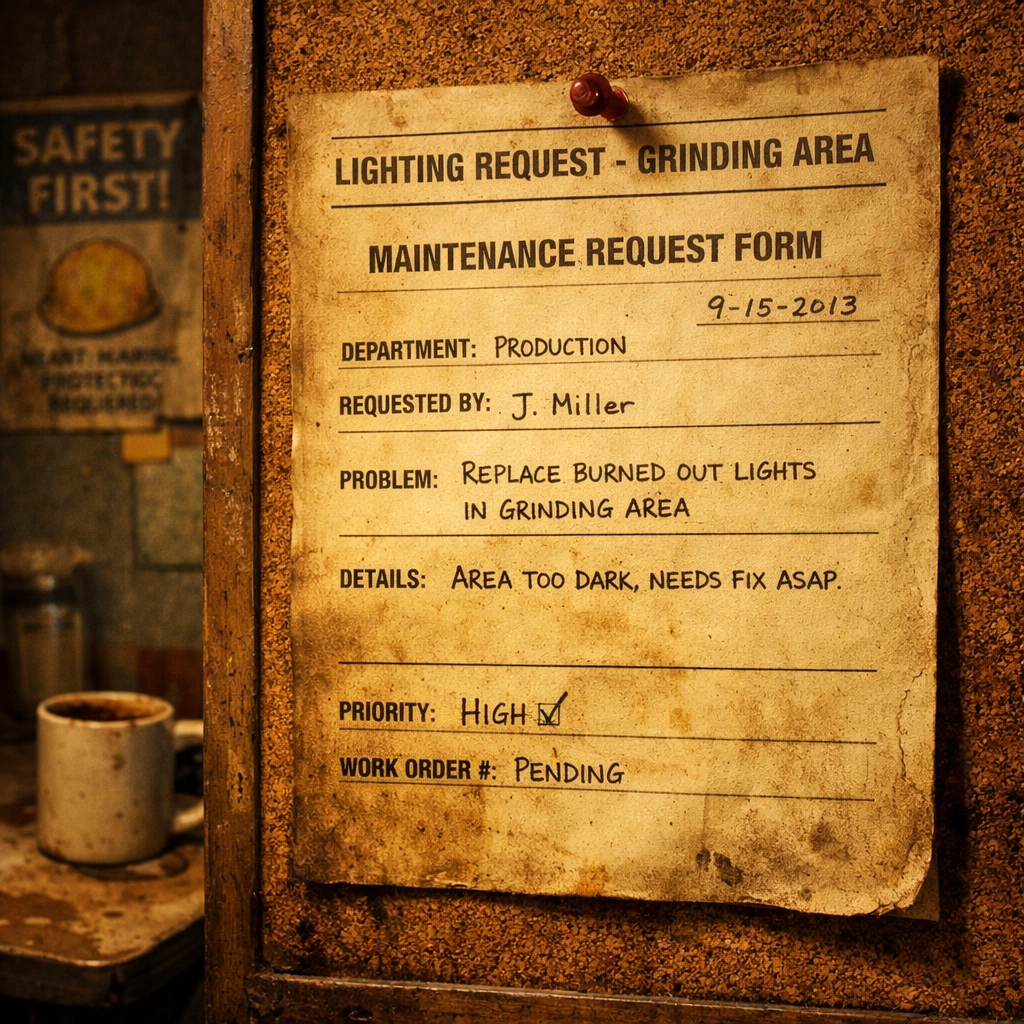
There was a lighting request that had been sitting in the maintenance backlog for nine years. Nine years. The grinding area had inadequate lighting: everyone knew it, everyone complained about it, and nothing had ever happened.
Within six weeks of our engagement starting, we installed new LED fixtures.
We didn't make an announcement. We didn't send an email. We didn't claim credit. We just... fixed it.
Workers noticed.
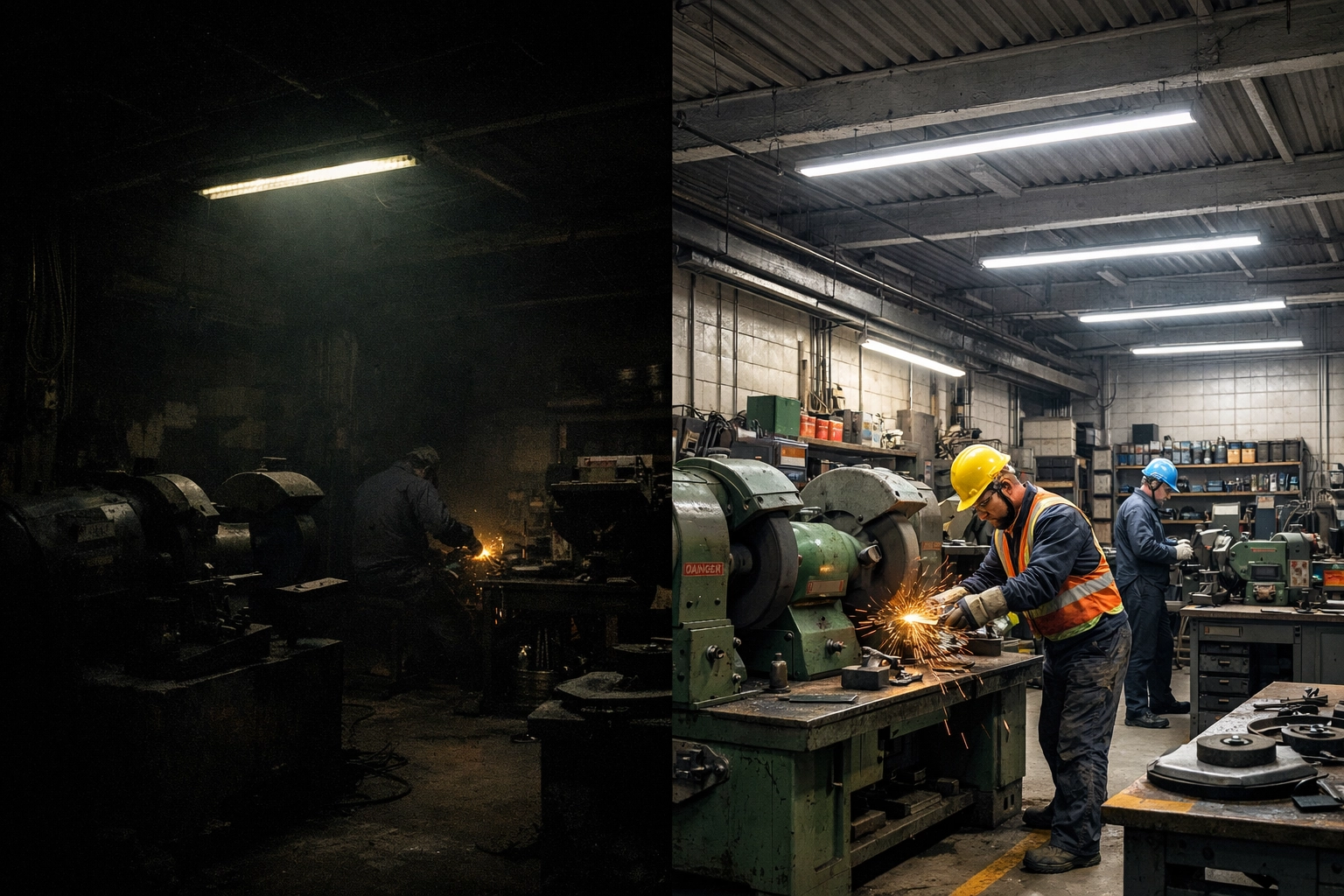
One guy walked up to his supervisor and said, "Wait, that thing actually got done? The lighting thing?"
That's when we knew we had a shot. Because that simple action addressed the deepest layer of resistance: historical betrayal. Workers had learned that reporting concerns was futile. Concerns went into a system and disappeared into a black hole. The lighting fixture told them something different: Maybe this time isn't the same as last time.
The 5-Day Promise That Killed Cynicism
But we couldn't rely on one lucky win. We needed a system. So we made a commitment that sounded small but was actually massive:
Every safety concern or maintenance request submitted through the new system would receive a response: not necessarily resolution, but acknowledgment and a timeline: within five business days.
Let me be honest: some people thought this was setting ourselves up for failure. Five days? Every single concern? What if we got flooded?
But here's what that commitment actually did: it rebuilt the most basic form of trust. The kind of trust that says, "If I speak up, someone will actually listen."
The five-day rule wasn't about solving every problem instantly. It was about proving that concerns wouldn't disappear into the void. Sometimes the response was, "We can't fix this until the next shutdown, but here's when that's scheduled." Sometimes it was, "We need more information: can you show me exactly where this is happening?"
The content of the response mattered less than the consistency of the response.

What Actually Happened
Over 24 months, the TRIR dropped from 5.4 to 3.2: a 41% reduction. But honestly? That's not the number that matters most.
Near-miss reporting went from 8 per year to 112 per year. That's a 1,300% increase.
Think about what that means. It means people who hadn't reported a safety concern in years: who'd learned that speaking up was pointless: started believing their voice mattered again.
And here's a bonus we didn't predict: the quality of the reports improved dramatically. When people know their information will actually be used, they take the time to provide better descriptions. They include photos. They think through the hazard more carefully.
The five-day commitment created a feedback loop. Better reports led to better responses, which led to more trust, which led to even better reports.
Why This Works When Big Programs Fail
Traditional change management tells you to launch with excitement. Get leadership buy-in. Create a big vision. Roll it out company-wide.
In a change-fatigued environment, that approach is dead on arrival. Because people have seen that movie before, and they know how it ends.
The 5-day promise works because it does the opposite. It starts small, stays consistent, and proves itself through action: not words.
It works because it addresses the real barrier: not resistance to the change itself, but skepticism that the change will be sustained.
Every kept promise is a deposit in the trust account. Every five-day response says, "We're still here. We're still doing this. This one isn't going away."
What You Can Steal From This
If you're dealing with change fatigue in your own organization, here's what actually matters:
1. Forget the big launch. Start with something specific, fixable, and worker-identified. What's the equivalent of that nine-year-old lighting request in your facility?
2. Make a response commitment you can actually keep. Five days worked for this facility. Maybe seven days works for yours. The specific timeline matters less than your ability to hit it consistently: every single time.
3. Track your promises. Build a simple system that shows every concern submitted, the response given, and the timeline. Make it visible. Let people see that you're keeping score on yourself.
4. Don't confuse response with resolution. You won't fix everything in five days. But you can acknowledge everything. Sometimes the most powerful response is, "I see this, here's what we're doing about it, and here's when you'll hear from me again."
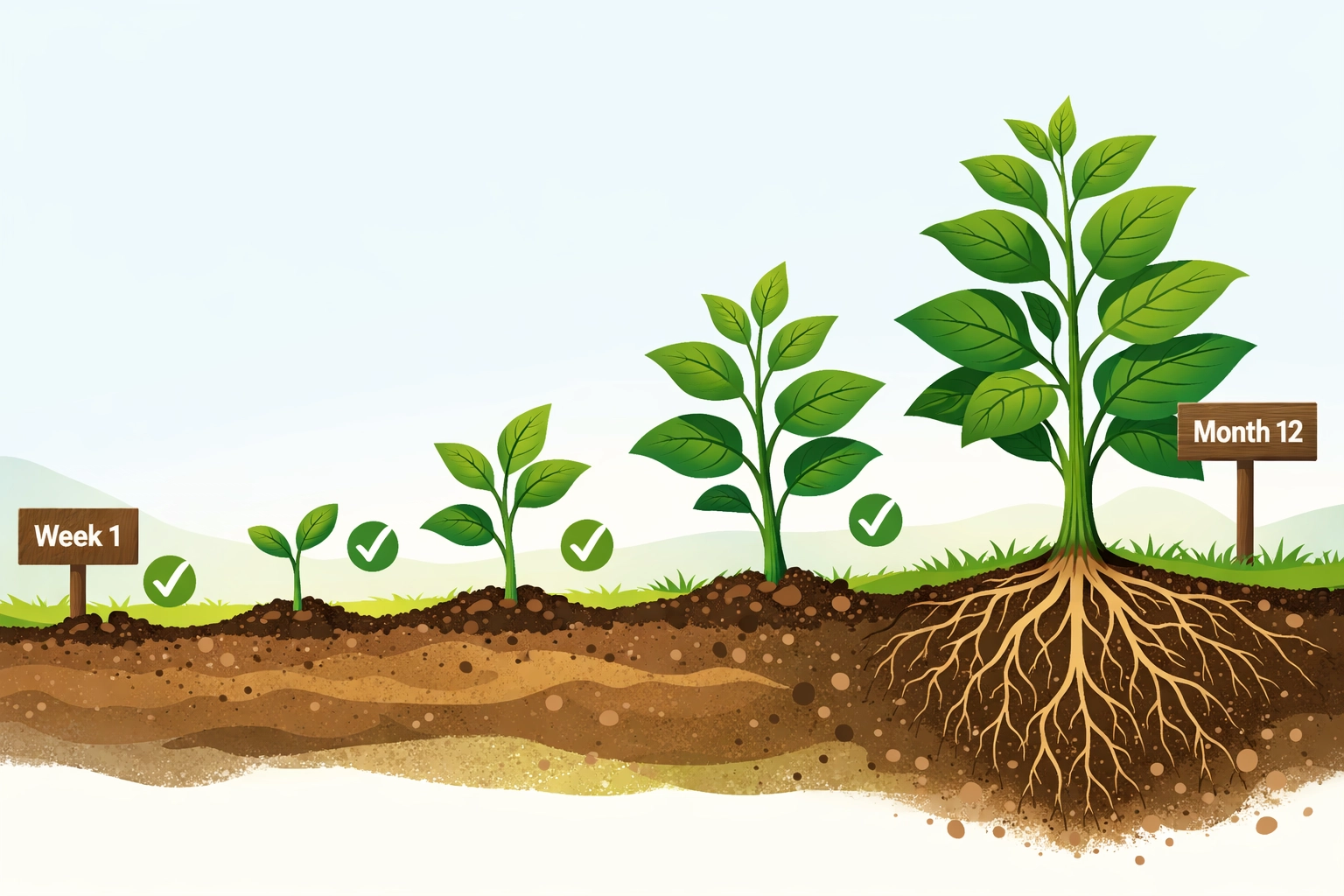
5. Accept that trust rebuilds slowly. The first month, you might get three submissions. That's fine. Nail the five-day response on all three. By month six, you'll get more. By month twelve, you'll have proof that the system works.
The Bottom Line
Change fatigue isn't a character flaw. It's a rational response to a history of broken promises.
You can't talk people out of change fatigue. You can't inspire your way through it. You can't motivate it away with better slogans.
You cure change fatigue the same way you cure distrust: through consistent, visible, sustained action. One promise kept at a time.
The 5-day commitment isn't sexy. It won't make a good PowerPoint slide. But it works. Because consistency kills cynicism.
And in a workforce that's learned to wait out every new program, being the one that actually sticks around? That's how you win.
Because everyone has the right to feel and be safe.


Comments
Post a Comment