Peer Pressure for Good: Why We Need Each Other's Eyes
Peer Pressure for Good: Why We Need Each Other's Eyes
![[HERO] Peer Pressure for Good: Why We Need Each Other's Eyes](https://cdn.marblism.com/ikKqv_enSaF.webp)
You see your buddy reach for a tool without his gloves. Again. You know he knows better. You've worked next to him for three years. You also know his wife just had a baby, and he's running on about four hours of sleep.
Do you say something? Or do you mind your own business?
Here's the thing: That split-second decision isn't about being a hall monitor or a safety cop. It's about whether you want to work next to an empty spot tomorrow.
The Truth About Peer Accountability
Let's be honest, nobody likes being told what to do. We're all adults. We've all sat through the same safety meetings, watched the same videos, signed the same forms. So when someone on the crew speaks up about something sketchy, it can feel like an insult.
"I know what I'm doing."
"I've done this a thousand times."
"Don't worry about it."
But peer accountability isn't about doubting someone's competence. It's about acknowledging that all of us, every single one of us, have moments where our head isn't fully in the game. Maybe it's lack of sleep. Maybe it's stress at home. Maybe it's just muscle memory taking over when conditions have changed.
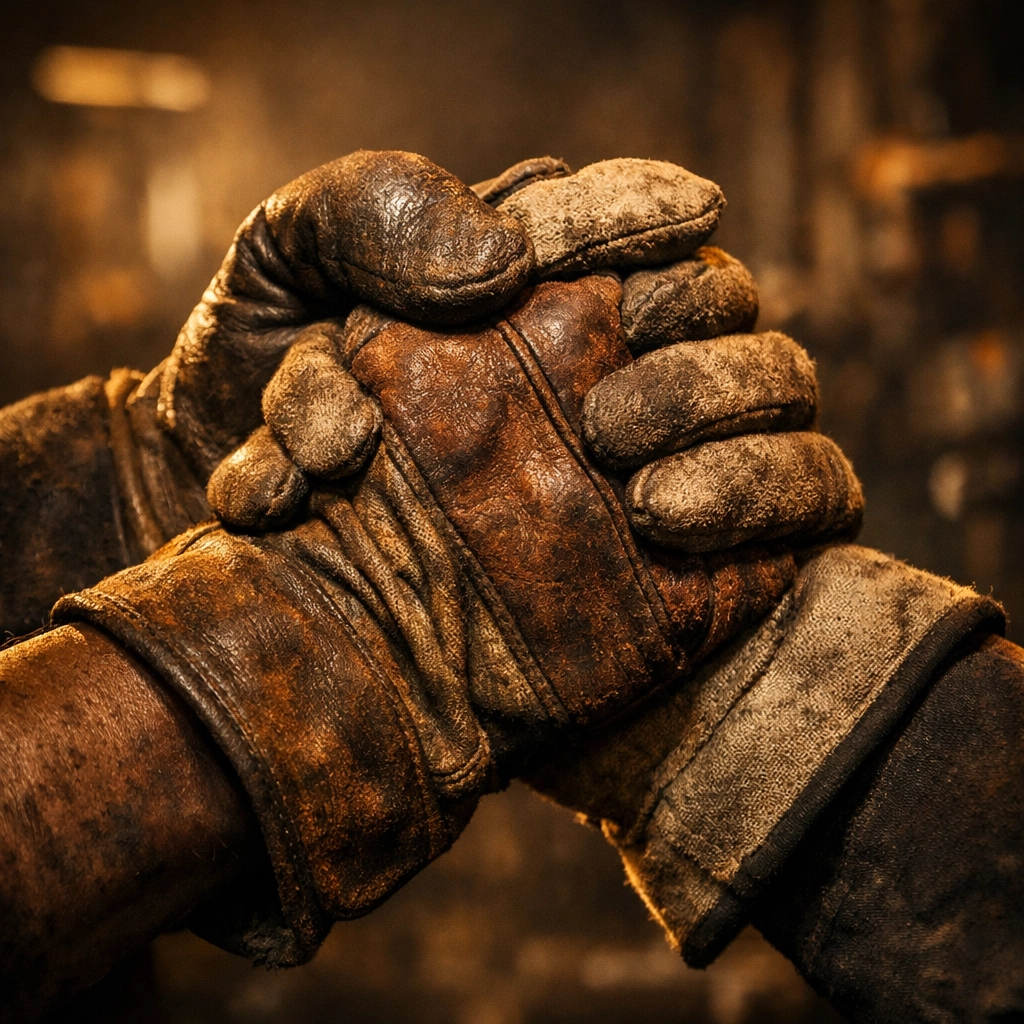
The person next to you isn't a nanny. They're your backup system.
Why "Mind Your Own Business" Is Terrible Safety Advice
There's this weird cultural thing that happens in a lot of workplaces where speaking up about safety gets labeled as weakness. Like the tough guys just handle their own stuff and don't need anyone watching out for them.
That's ego talking, not experience.
The reality? The toughest crews I've ever worked with are the ones where people actively watch each other's backs. They're not afraid to call something out because they know it's not personal, it's professional. It's the job.
Think about it: If you saw your coworker walking toward an unmarked wet floor about to slip, you'd say something, right? You wouldn't stand there thinking, "Well, they have eyes. They should see it." You'd give them a heads up because that's what teammates do.
So why is it different when it's about PPE, or lockout procedures, or rushed corners being cut? The stakes are actually higher, but somehow we're more hesitant to speak up.
That hesitation? That's where people get hurt.
The Psychological Reality of Peer Influence
Research on peer influence shows something fascinating: humans are wired to take cues from the people around them. When we see our peers doing something, good or bad, our brains literally light up differently. We're more motivated to follow suit when we're in a group setting.
This works both ways.
If everyone on the crew is cutting corners, it becomes normalized. The new guy shows up, sees everyone skipping steps, and assumes that's just how things are done here. Before long, what started as one person's shortcut becomes the whole team's habit.
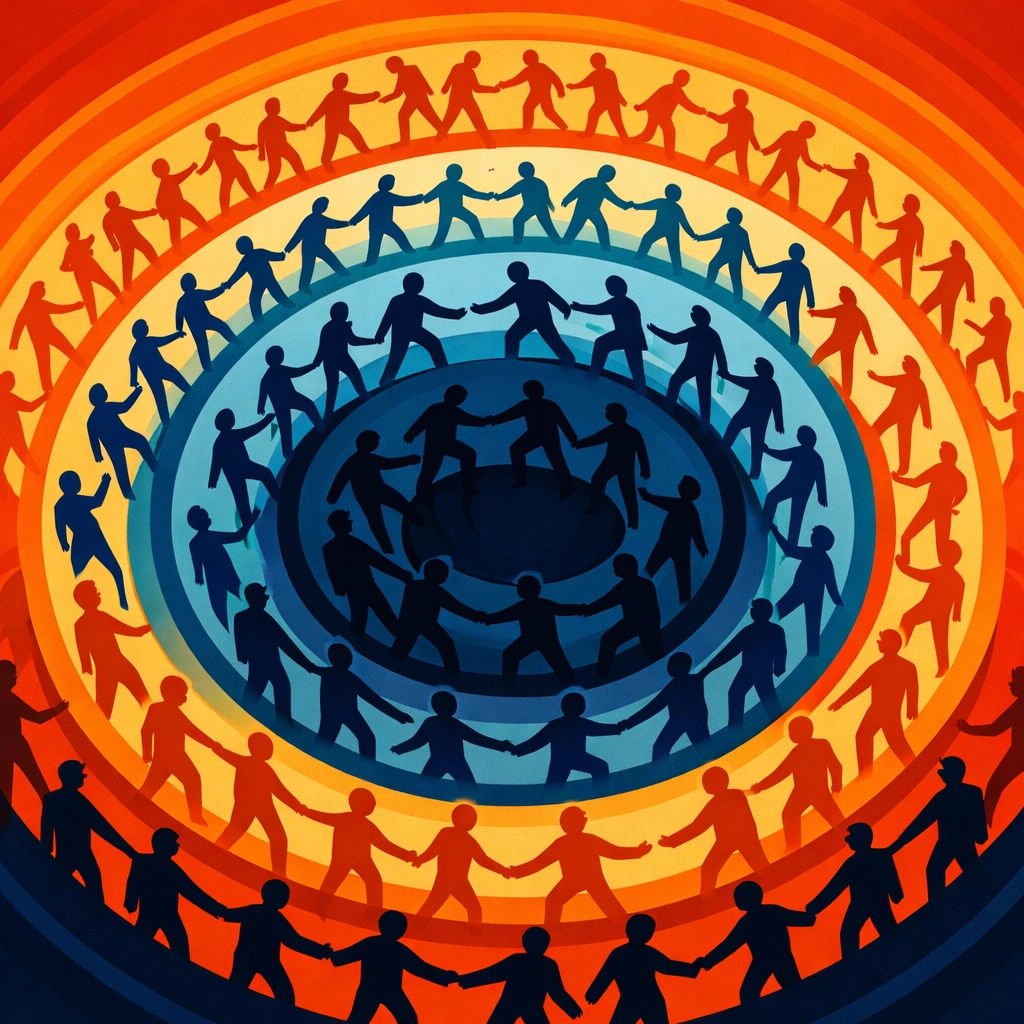
But flip that around: when the crew has a culture of looking out for each other, that becomes contagious too. Someone speaks up about a hazard. Someone else does a proper pre-task check. Another person stops the job when something doesn't feel right. That behavior spreads.
You're not just influencing one moment, you're shaping the culture.

What Peer Accountability Actually Looks Like
Let's get practical. Peer accountability doesn't mean walking around with a clipboard calling people out. It's not about ratting someone out to management every time they forget a step.
It looks like this:
"Hey man, grab your gloves before you touch that."
Simple. Direct. Not a lecture: just a reminder.
"Hold up: did we verify the lockout on that panel?"
A question, not an accusation. Just making sure everyone's on the same page.
"I don't feel good about this setup. Can we get a second set of eyes?"
Admitting when something feels off and asking for help. That's not weakness: that's wisdom.
The goal isn't to embarrass anyone or prove you're the safety champion. The goal is to make sure everyone clocks out with the same number of fingers they clocked in with.
The Loyalty Factor
Here's what makes peer accountability powerful: it's not coming from management. It's not a policy. It's coming from someone who's in the trenches with you, facing the same pressures, dealing with the same tight deadlines.
When your coworker says something, they're not thinking about the company's TRIR. They're thinking about you.
They're thinking about your kids who need you at their soccer game this weekend. They're thinking about the fishing trip you've been planning. They're thinking about the fact that they don't want to have to tell your family what happened because they stayed quiet when they should have spoken up.
That's loyalty. Real, gritty, show-up-for-each-other loyalty.
And loyalty works both ways. When you create a culture where people look out for each other, you're also creating a culture where people are willing to listen. Because they know the person speaking up isn't trying to make them look bad: they're trying to keep them safe.
Handling the Pushback
Let's not pretend this is always easy. Sometimes you speak up and get pushback. Sometimes you get the eye roll, the "thanks, Dad," the defensive attitude.
That's okay. You're not trying to win a popularity contest.
But here's a script that works: "Look, I'm not trying to be a pain. I just want to make sure we all get home tonight. That cool?"
It's hard to argue with that.
If someone's still being defensive, that's their issue to work through: not yours. You did your part. You used your eyes and your voice. And 99% of the time, even if they're annoyed in the moment, they'll respect it later.
Because deep down, everyone wants to know someone has their back.
The Ripple Effect of Speaking Up
When you look out for your crew, you're not just preventing one injury. You're creating a standard. You're showing the new hires that this is how we do things. You're giving permission to the quieter people on the team to speak up when they see something wrong.
One person's willingness to use their voice creates space for everyone else to do the same.
And when that becomes the norm? When looking out for each other is just what this crew does? That's when real safety culture happens. Not because corporate mandated it or because there's a poster on the wall: but because the people on the floor decided that everyone matters.
Your Move
Tomorrow, when you're on the job and you see something off: maybe it's a shortcut being taken, maybe it's someone distracted, maybe it's a hazard that got missed: you have a choice.
You can look away and hope for the best.
Or you can use your eyes and your voice and be the person who makes sure everyone on your crew goes home safe.
That's not being a nanny. That's being a professional. That's being part of a team that actually gives a damn about each other.
Because everyone has the right to feel and be safe.


Comments
Post a Comment